Hunting an Abandoned Plantation Track
Abandoned Hawaii plantation tracks provide prime terrain for hunting pigs, goats, and Axis deer away from heavy pressure.
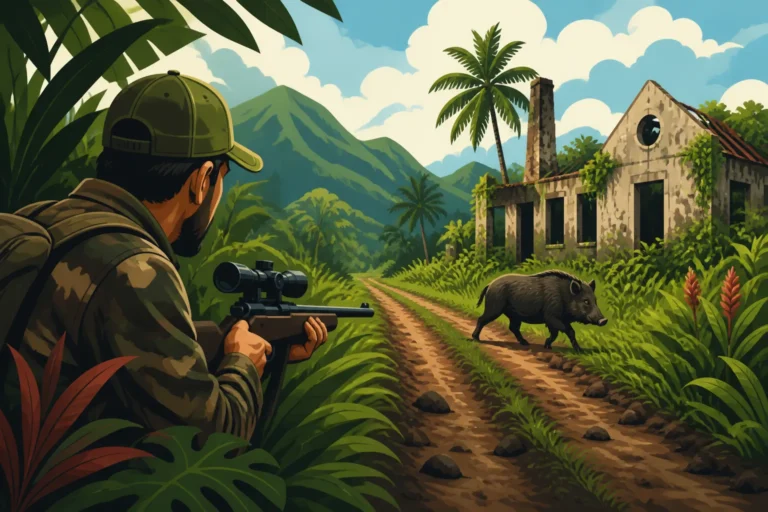
Abandoned Hawaii plantation tracks provide prime terrain for hunting pigs, goats, and Axis deer away from heavy pressure.
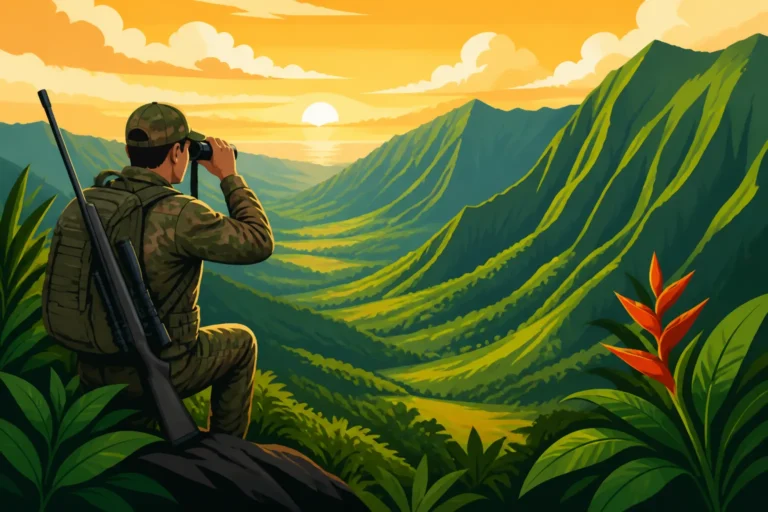
Hawaiian ridge hunting tactics and animal movement patterns explain how feral pigs and goats use volcanic ridges and valleys.
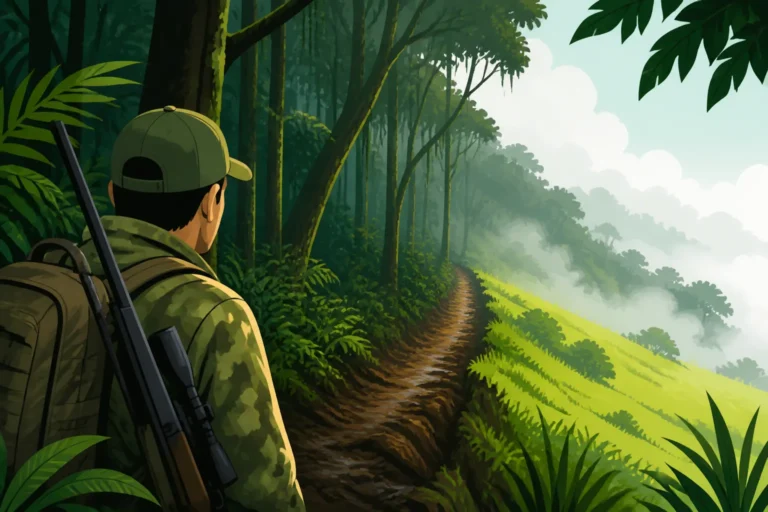
Hawaiian wet forest boundary trails serve as natural transit corridors for hunters tracking feral pigs and goats.

Hawaii high pasture hunting at dusk helps hunters find axis deer, feral goats, and mouflon sheep moving out of midday cover.
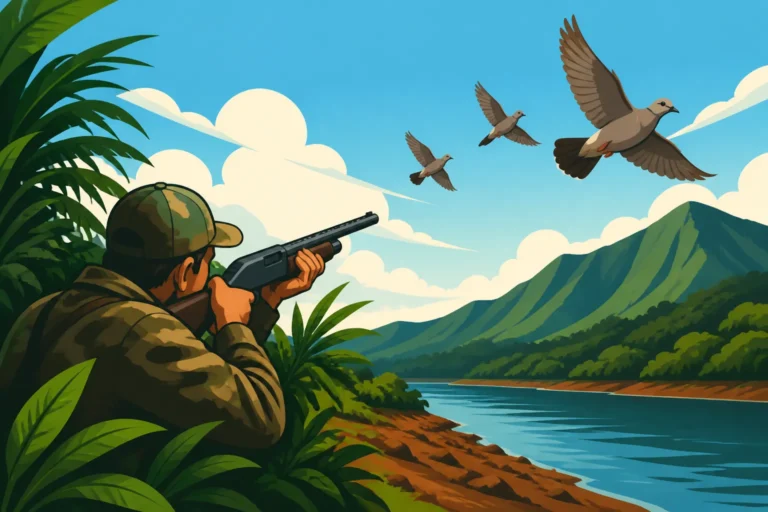
Dove hunting along Hawaiian reservoir edges explains morning and afternoon watering patterns for Barred Doves and Spotted Doves.
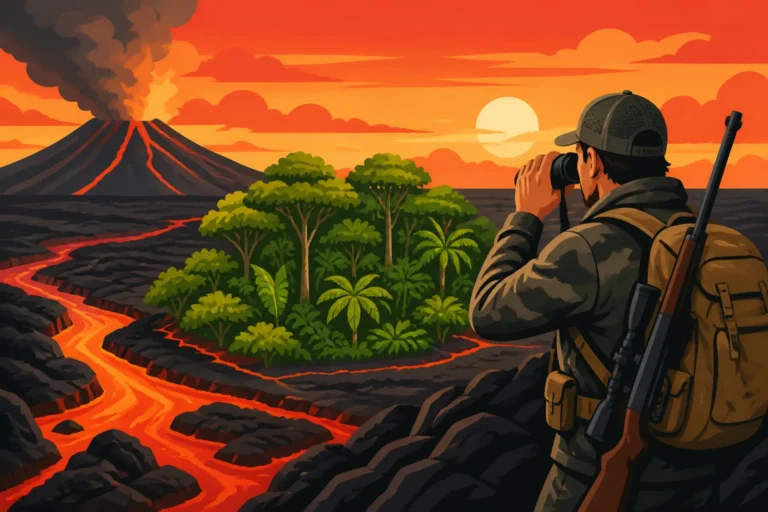
Hawaii lava kipukas offer feral pigs and goats rich soil, water, and dense vegetation, creating ideal isolated sanctuaries.

Saddles between volcanic cinder cones act as wildlife corridors, funneling Axis deer and Mouflon sheep through Hawaii landscapes.
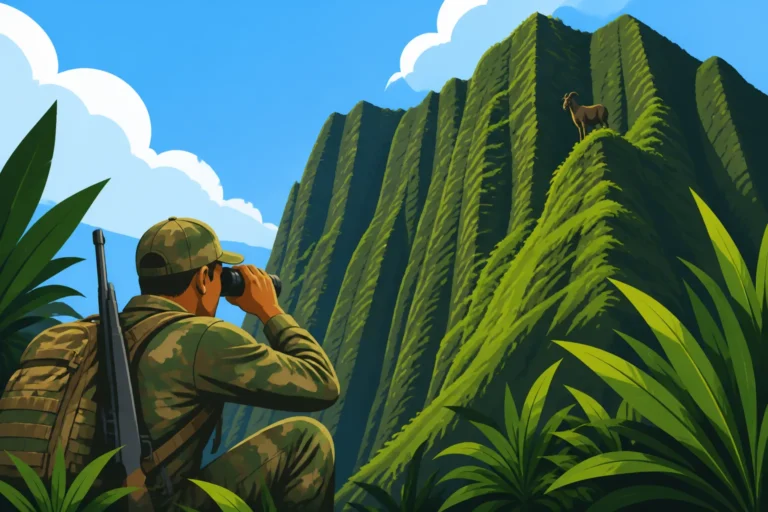
Hawaii cliff hunting strategies explain safety protocols, terrain challenges, and how hunters locate elusive feral goats and pigs.
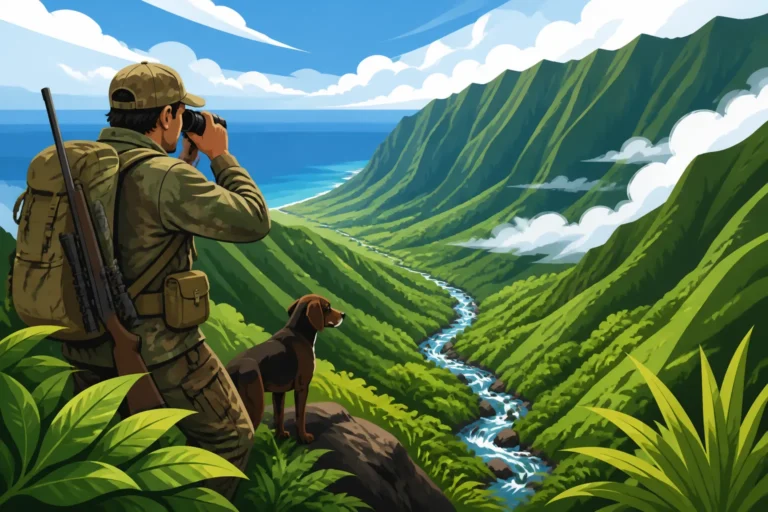
Hawaii windward stream valleys present dense vegetation and slippery terrain where hunters find feral pigs and other game.
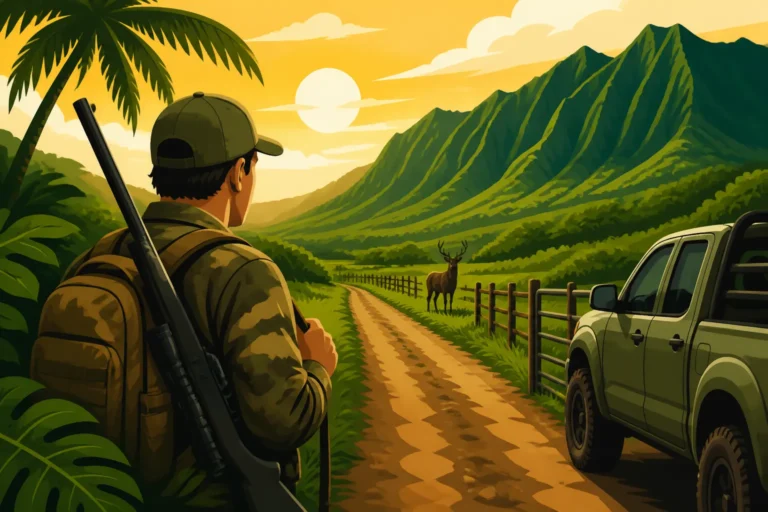
Old Hawaii ranch roads provide accessible wildlife movement corridors and edge habitats that attract feral pigs and axis deer.