Why Every Hawaii Game Animal Was Introduced
Hawaii game animal origins explain how every hoofed mammal and feathered bird arrived intentionally through human migrations.
Know what you’re after.
Big game, small game, upland birds, and waterfowl — identification, behavior, rut and migration timing, and how each species moves through the season.

Hawaii game animal origins explain how every hoofed mammal and feathered bird arrived intentionally through human migrations.

Hawaii hunting regulations help identify protected state and federal species to ensure responsible and lawful outdoor recreation.
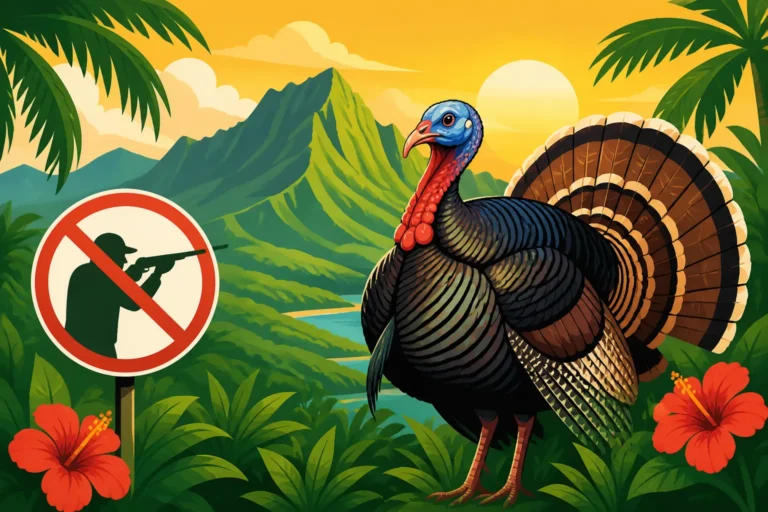
Wild turkeys in Hawaii inhabit the islands without any legal hunting seasons established by the Department of Land and Natural Resources.

Feral sheep on Hawaii Island inhabit Mauna Kea and Mauna Loa slopes where hunters pursue them under management rules.
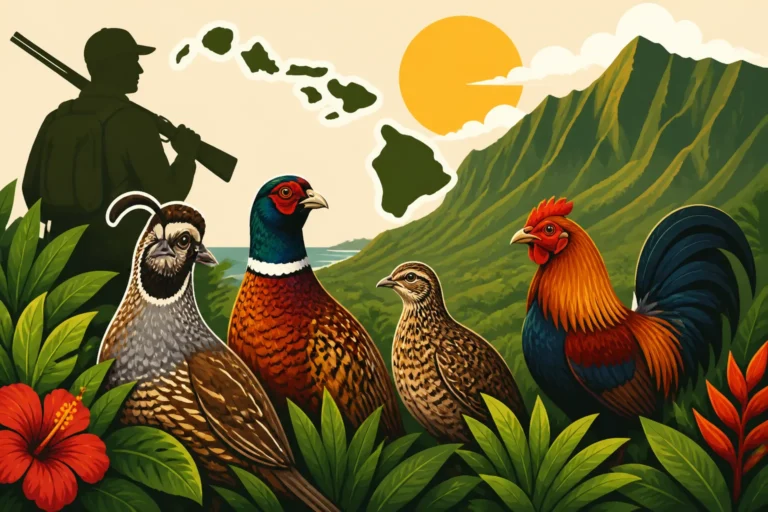
Hawaii game bird hunting regulations, species locations, seasons, and required stamps are detailed for planning island hunts.

Columbian black-tailed deer introduced to Kauai in the 1960s provide a unique hunting opportunity in the western canyons.

Hawaii feral goats, introduced by Captain James Cook in 1778, established wild herds and reshaped delicate island ecosystems.
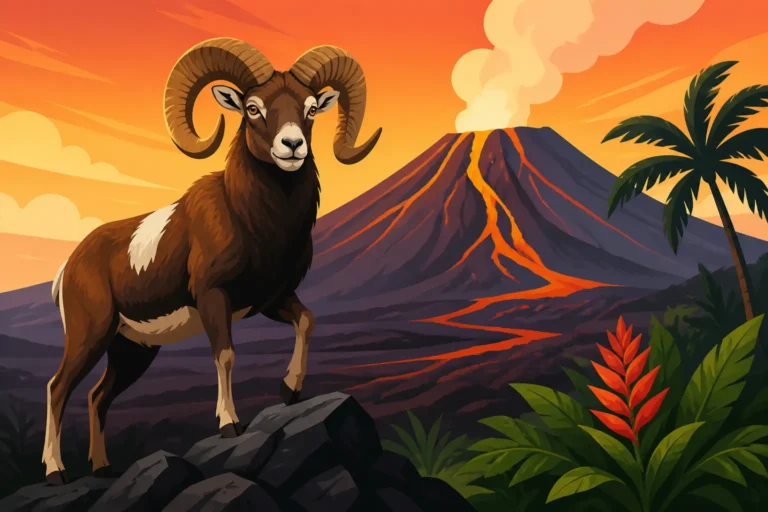
Hawaii mouflon sheep hunting history, high elevation volcano habitats, and early introductions from Corsica and Sardinia.
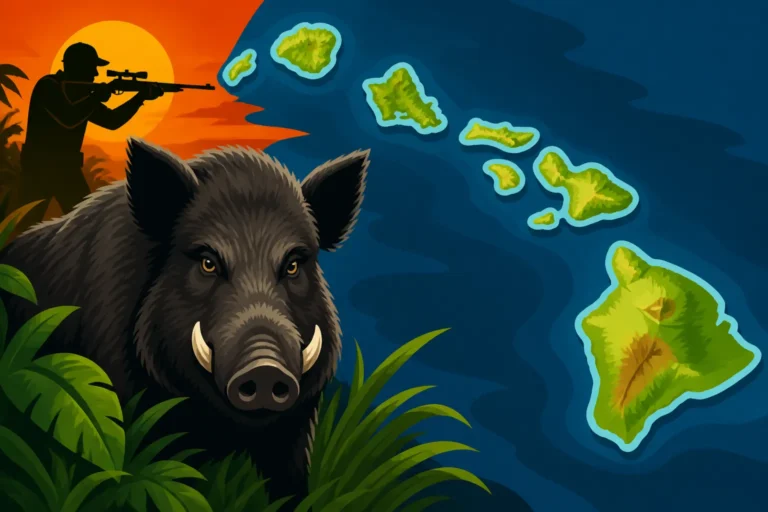
Feral pig populations in Hawaii damage native ecosystems and agricultural lands while presenting unique hunting opportunities across each island.

Axis deer hunting in Hawaii offers rugged island challenges across Maui, Molokai, and Lanai for hunters seeking fine venison.