Hunting a Dry Lava Desert Unit
Hawaii lava desert hunting requires navigating sharp a’a and pahoehoe flows, tracking sparse game, and locating scarce water.
Find ground you can hunt.
National forest, BLM, and state land — WMAs, walk-in programs, unit boundaries, access rules, and how to get permission on private ground.
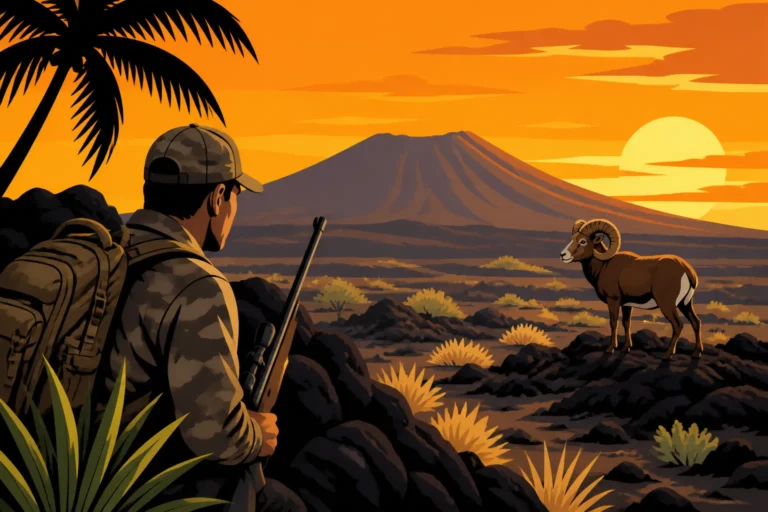
Hawaii lava desert hunting requires navigating sharp a’a and pahoehoe flows, tracking sparse game, and locating scarce water.

Hawaii sea cliff goat hunting requires preparing gear, executing stalks, and navigating dangerous coastal ledges safely.
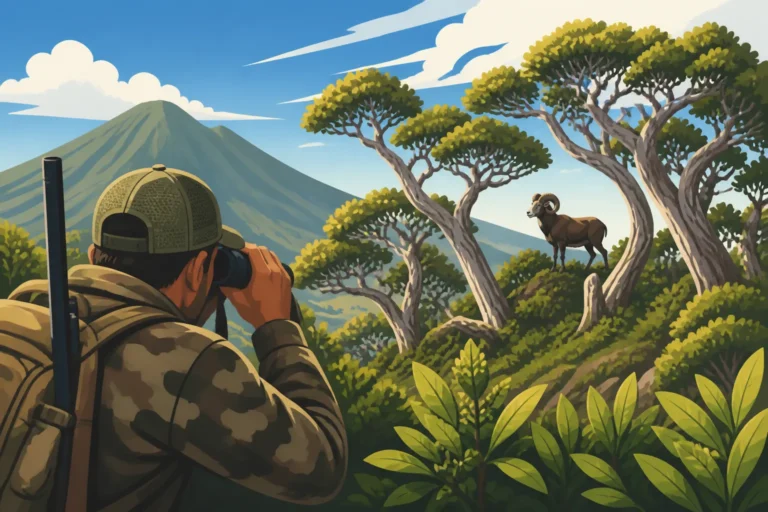
Hunting Hawaii high-elevation mamane forests requires navigating thin air, unpredictable weather, and tracking mouflon sheep.
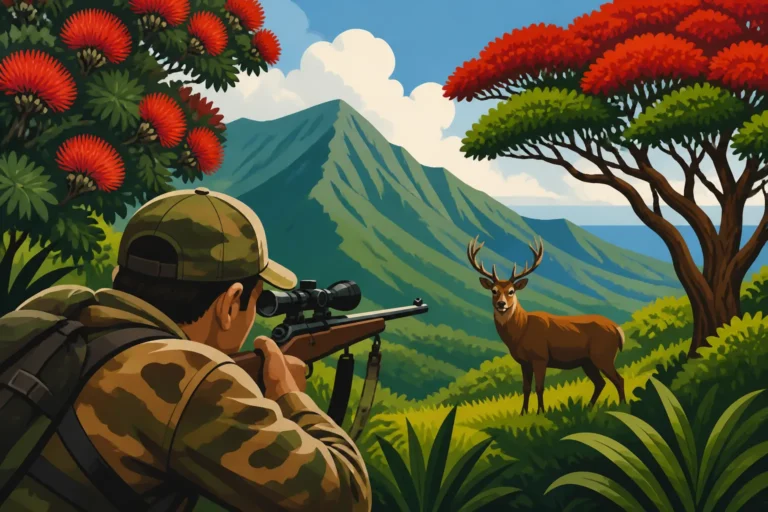
Hunting in Hawaii mixed Ohia and Koa forests explains game animal habits, dense terrain, and practical scouting strategies.
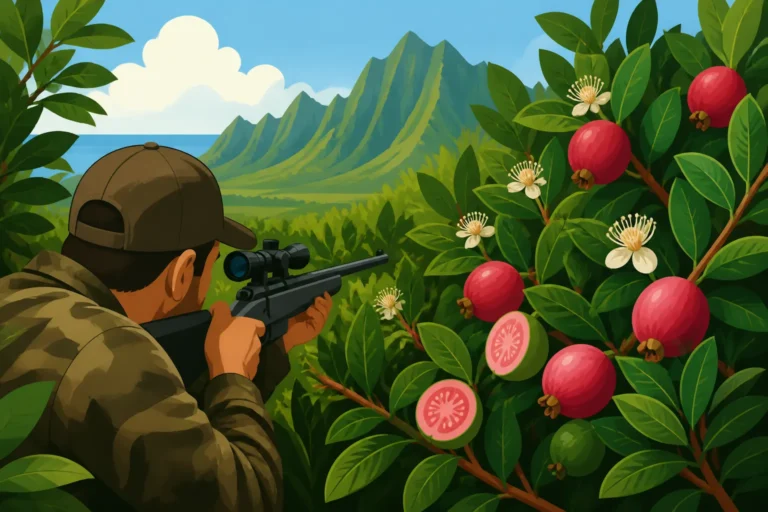
Strawberry guava thickets across Hawaii create dense invasive cover where feral pigs, goats, and deer hide from hunters.
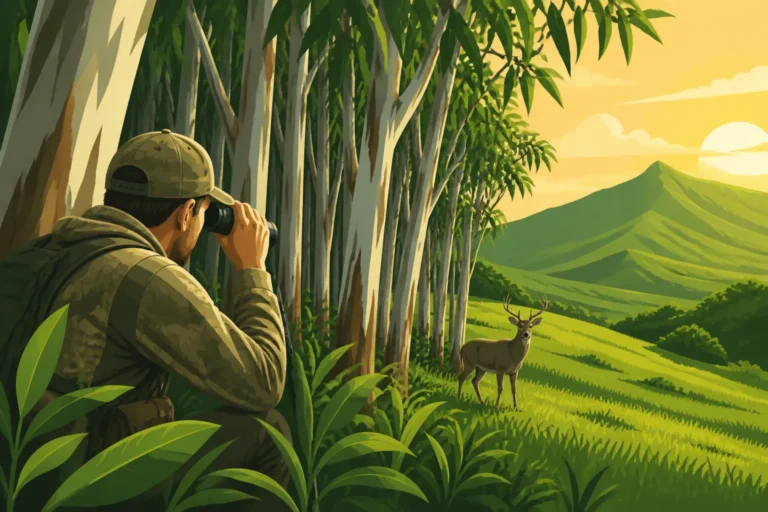
Eucalyptus stand edges in Hawaii provide animal shade, cover, and travel corridors that help hunters anticipate game movement.
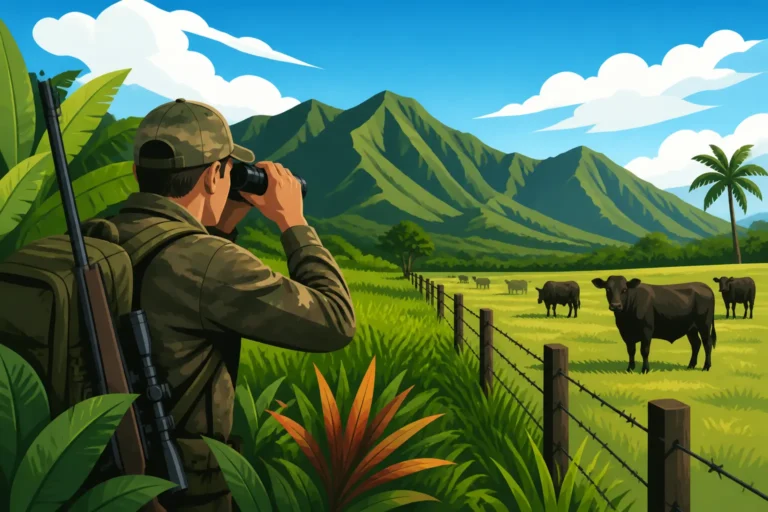
Hawaii cattle pasture boundaries offer hunters access to axis deer, feral sheep, and pigs utilizing open forage and protective forest cover.
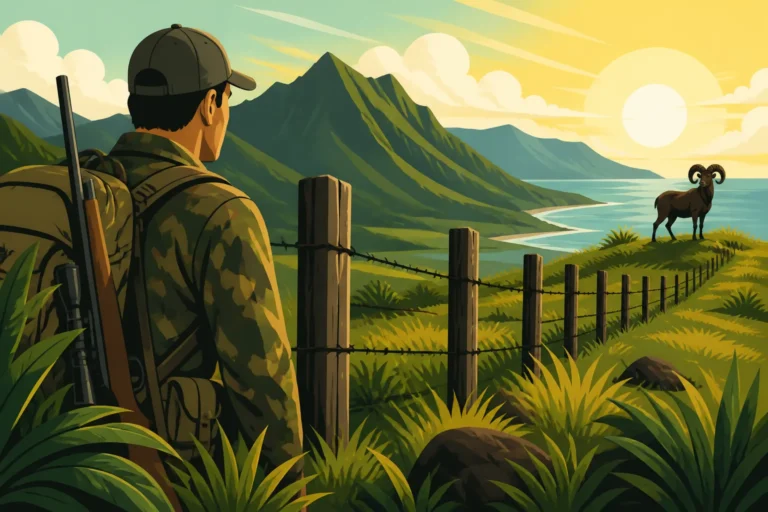
Old ranch fence lines in Hawaii provide game animals travel corridors, food sources, and cover, improving hunting success.

Hawaii windward gulches offer challenging hunting for feral pigs and goats, requiring preparation, stamina, and tactics.
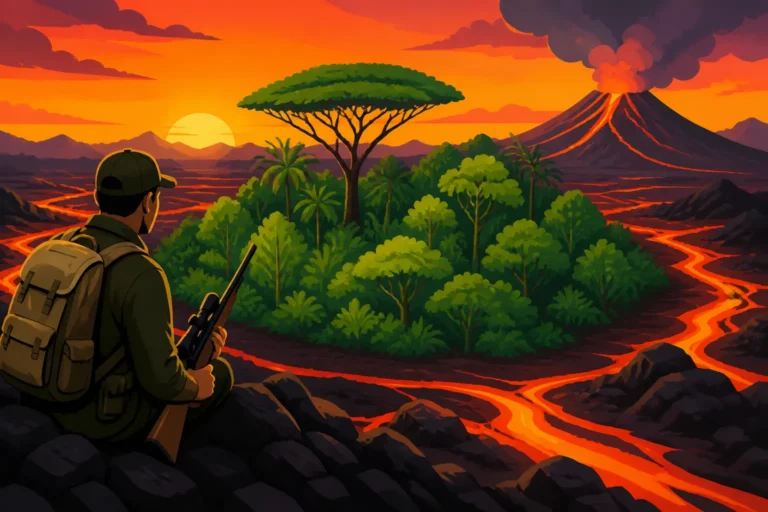
Hawaiian kipukas are isolated islands of vegetation surrounded by hardened lava that concentrate game animals like feral pigs and goats.