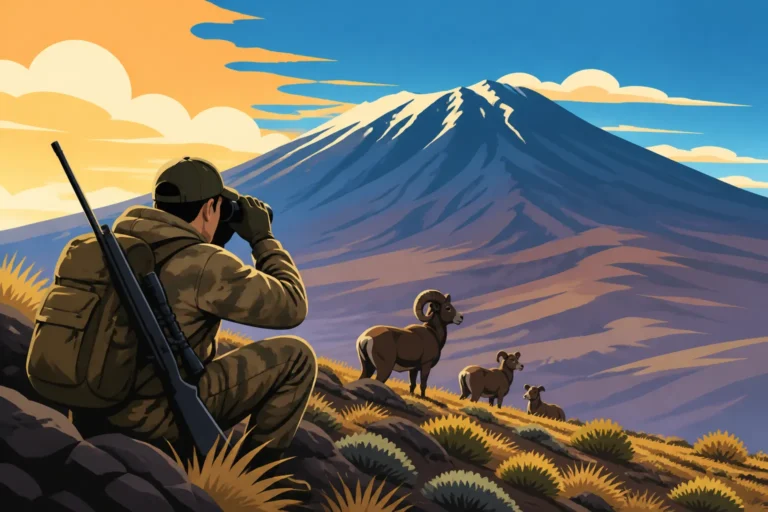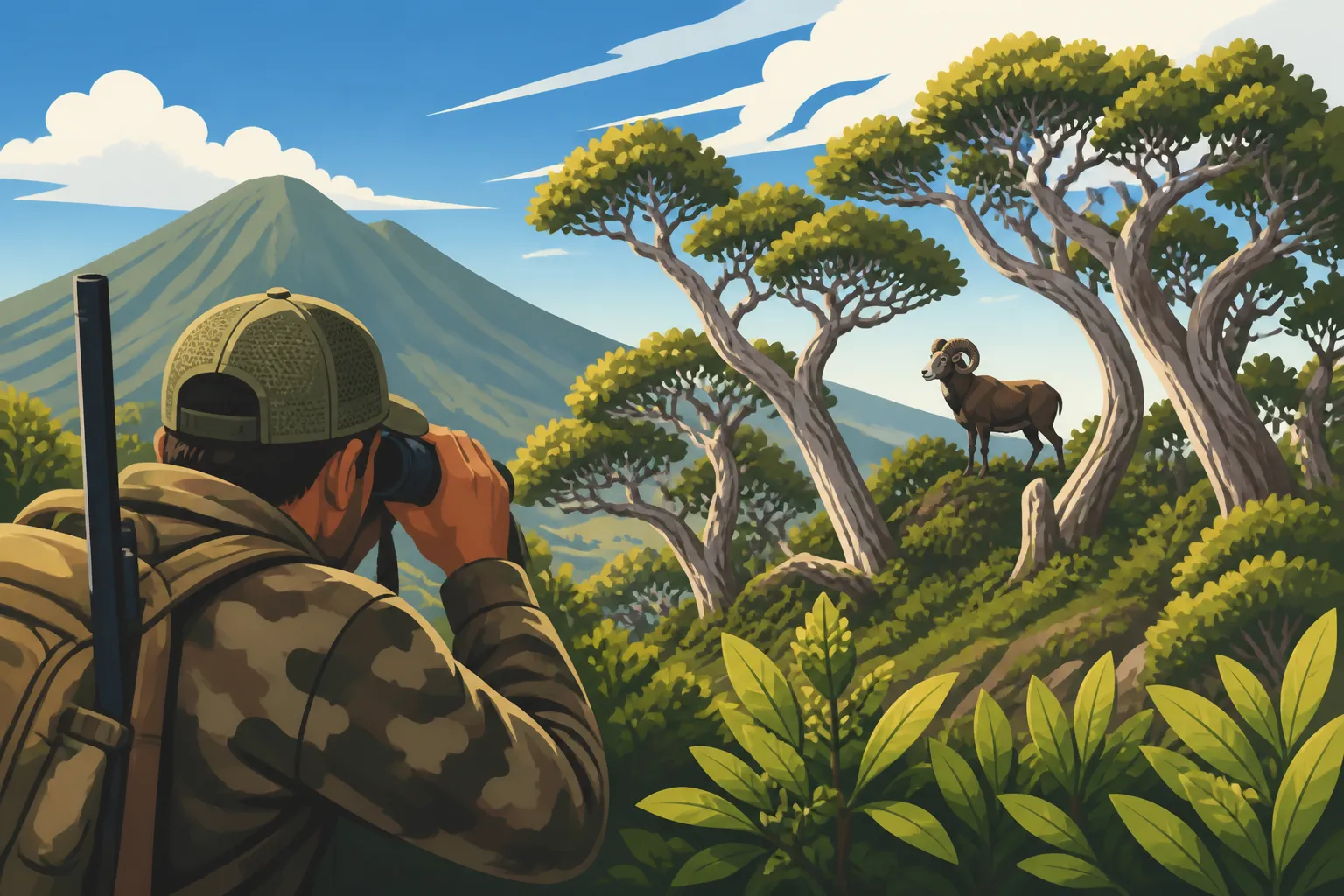
Hunting a High Mamane Forest
Hunting in Hawaii's high-elevation mamane forests presents a unique set of challenges, from thin air and unpredictable weather to the specific habits of the animals that call these unique ecosystems home. If you've ever found yourself struggling to breathe on a steep incline or wondering how to track game through sparse, rocky terrain, this guide is for you. We're going to break down exactly what it takes to successfully navigate and hunt these incredible, often overlooked, Hawaiian landscapes.
Understanding the High Mamane Ecosystem
The mamane forests of Hawaii are truly special places, distinct from the wet, lush rainforests or the dry, kiawe-studded lowlands. These forests thrive at higher elevations, primarily on the slopes of volcanoes like Mauna Kea and Mauna Loa on Hawaii Island. They're dominated by the mamane tree, a hardy native species that forms open woodlands, often interspersed with 'ohi'a and other subalpine vegetation. This isn't your typical dense forest; instead, you'll often find scattered trees with plenty of open ground, lava flows, and cinder cones.
This high-altitude environment means thinner air, which significantly impacts both the hunter and the hunted. Temperatures can fluctuate wildly, with warm days quickly giving way to cold nights or sudden rain, hail, or even snow in the winter months. The ground itself is frequently uneven, a mix of old lava rock, soft ash, and loose scree, making every step a conscious effort. It's a rugged, beautiful, and demanding landscape that requires a deep respect for its conditions and an understanding of how game animals adapt to it.
The Role of Mamane Trees for Wildlife
Mamane trees are more than just part of the scenery; they're the lifeblood of this unique ecosystem. Their flowers provide nectar for native honeycreepers, and their pods contain protein-rich seeds that are a critical food source for game animals, especially the mouflon sheep. When you're Hunting Mouflon in Mauna Kea's Thin Air, knowing what the mamane offers will guide your strategy. The sheep will often browse on the foliage and eagerly seek out fallen pods, particularly during certain times of the year when other forage is scarce.
Observing the mamane trees themselves can give you valuable clues about animal activity. Look for stripped bark, nibbled leaves, or disturbed ground beneath trees where pods have recently fallen. These signs indicate that animals are actively feeding in the area. Furthermore, the mamane provides crucial cover in an otherwise exposed landscape. While not as dense as a lowland jungle, pockets of mamane can offer concealment for both you and your quarry, making approaches and ambushes possible in areas that appear wide open. Understanding What Mamane Trees Mean to Mauna Kea for wildlife is key to finding success here.
Target Species in Mamane Forests
When you think of high mamane forests, your mind should immediately turn to mouflon sheep. These majestic animals are the primary big game species found in these elevations, particularly on Hawaii Island. They thrive in the open, rocky, and forested slopes where mamane is abundant. You'll often find them grazing on grasses, forbs, and, of course, the mamane itself. Understanding Where Mouflon Feed on Mauna Kea is fundamental to your scouting efforts.
While mouflon are the main draw, you might also encounter feral pigs in the lower reaches of the mamane belt, especially where it transitions into denser forest or areas with more water. However, the true high-altitude mamane is generally mouflon country. Knowing your target species and its specific behaviors in this environment is crucial. Mouflon are keen-sighted and often move in herds, making a careful, slow approach absolutely essential.
Essential Gear and Physical Preparation for High Mamane Hunts
Hunting in the high mamane forests isn't for the faint of heart or the unprepared. The elevation alone demands a higher level of physical fitness, and the challenging terrain requires specific gear choices. Many hunters underestimate the toll that hunting at several thousand feet above sea level can take, especially when combined with steep inclines and sharp lava rock. This isn't a casual stroll; it's a marathon with a rifle or bow in hand.
Proper planning for both your body and your kit can make or break your hunt. You need to be able to endure the physical strain, protect yourself from the elements, and have the tools to navigate and handle your harvest in a remote setting. Rushing into this type of hunt without adequate preparation is a recipe for discomfort, potential injury, and certainly a missed opportunity.
Physical Conditioning for Elevation
The thin air at higher elevations on Mauna Kea or Mauna Loa means your body has to work harder for every breath. If you're coming from sea level, even a short hike can feel like a grueling workout. Acclimatization is ideal, but for many, that's not possible. So, intense physical conditioning before your hunt is paramount. Focus on cardio and leg strength. Hiking with a weighted pack, stair climbing, and long-distance running will serve you well. Hunting Mouflon on Hawaii's Highest Slopes demands peak physical condition.
Imagine spotting a ram a mile off, then needing to drop into a gulch and climb another ridge to get into position before it moves. That kind of effort requires lungs and legs that can keep going when you feel like quitting. Dehydration is also a serious concern at elevation, so practice staying hydrated during your training and on the hunt itself. Don't underestimate the impact of altitude sickness either; while rare in Hawaii's huntable elevations, it's something to be aware of and prepare for if you're particularly sensitive.
Clothing and Footwear Choices
Layering is absolutely critical in the mamane forest. Temperatures can swing by 20-30 degrees in a single day, and sudden rain or even hail is common. Start with a moisture-wicking base layer, add an insulating mid-layer like fleece or wool, and top it off with a waterproof and windproof outer shell. You'll be shedding and adding layers throughout the day as you exert yourself and then stop to glass or stalk. A good quality pair of waterproof gloves and a warm beanie are also essential, even if you start the day in shorts and a t-shirt.
Footwear is arguably the most important gear choice. The ground is often a brutal mix of jagged lava rock, loose scree, and sometimes slick, dusty soil. You need sturdy, high-ankle hiking boots with excellent support and a stiff sole to protect your feet. Walking Rough Lava Without Wrecking Your Boots is a real skill, and the right boots are your best defense. Waterproofing is a must, as is a good quality pair of moisture-wicking socks to prevent blisters. Breaking in your boots well before the hunt is non-negotiable.
Navigation and Essential Tools
Reliable navigation is paramount in these open, yet often featureless, high-elevation landscapes. While you might have clear sightlines for miles, the rolling terrain, cinder cones, and lava flows can quickly disorient you, especially in fog or low light. A good GPS unit or a smartphone with a robust hunting app like onX Hunt is indispensable. Download offline maps for the entire unit before you even leave cell service, because you absolutely won't have it up there. Mark your starting point, water sources, and any key landmarks.
Beyond navigation, a quality pair of binoculars or a spotting scope is essential for glassing the vast, open country for mouflon. They often blend surprisingly well into the rocky slopes. A rangefinder will help you accurately gauge distances in the deceptively open terrain. Don't forget a first-aid kit, a headlamp, fire-starting materials, and a knife. A personal locator beacon (PLB) or satellite messenger is also highly recommended, as No Cell Signal on a Hawaii Hunt is the norm in these remote areas. These tools are not luxuries; they are lifelines in an unforgiving environment.
Hunting Tactics Specific to Mamane Forest
Hunting in the high mamane forest is a game of patience, keen observation, and strategic movement. It's less about crashing through dense brush and more about intelligent glassing, long-range spotting, and careful, deliberate stalks over challenging terrain. The animals here are constantly exposed to the elements and have sharp senses, making any careless move a guaranteed bust.
The vastness of the landscape can be overwhelming at first, but with the right approach, it also offers incredible opportunities for spotting game from a distance and planning your attack. It's a style of hunting that rewards those who take their time, pay attention to the subtle cues of the environment, and can adapt their plan on the fly.
Spot-and-Stalk Techniques
The mamane forest is tailor-made for spot-and-stalk hunting. Your primary tool here is your optics. Find a high vantage point, settle in, and meticulously glass every ridge, gulch, and patch of mamane. Take your time, sometimes an hour or more, to thoroughly scan an area. Animals often appear as subtle shapes or movements against the backdrop of rock and vegetation. Look for anything that doesn't quite fit the landscape – a flicker of white, a horizontal line in a vertical world, or a patch of color out of place. This is where a good app like onX Hunt can help you identify high points and potential glassing knobs on a topo map.
Once you spot an animal, the real work begins. Analyze the terrain between you and your target. Where can you find cover? Are there any natural features like gulches, lava flows, or stands of mamane that will shield your approach? Consider the wind carefully, as thermals can shift dramatically in these high-elevation environments. Plan your route, mark it on your GPS or onX Hunt app, and move slowly and deliberately. If you lose sight of the animal, don't panic; often they've just moved behind a fold in the terrain. Be patient, move to another vantage point if needed, and re-acquire your target before continuing.
Reading Animal Behavior and Movement
Mouflon sheep, being open-country animals, are constantly on alert. They often graze in herds, with several pairs of eyes and ears to detect threats. Their behavior can tell you a lot. If they're feeding casually, you might have more time for a stalk. If they're restless, staring into the distance, or moving quickly, they've likely sensed something or are on their way to a bedding area. Pay close attention to the lead ewe or ram; their actions often dictate the herd's next move.
Their movement patterns are also influenced by the time of day and weather. In cooler mornings and evenings, they'll often be out feeding on more exposed slopes. During the heat of the day, they might seek the shade of mamane trees or bed down in a sheltered gulch. Knowing Why Hawaii Goats Move at First Light (a similar open-country species) can give you insight into mouflon behavior. Sudden changes in weather, like rain or fog, can either make them skittish or, conversely, offer a window for a closer approach if their visibility is reduced.
Wind, Thermals, and Scent Management
Managing your scent is critical, especially when hunting keen-nosed animals like mouflon at elevation. The wind in the mamane forest can be tricky. While prevailing trade winds might seem consistent, local thermals created by the heating and cooling of the land can cause swirling, unpredictable gusts, especially in broken terrain or around cinder cones. Warm air rises during the day, carrying your scent uphill, while cool air sinks at night, pulling it downhill.
Always try to approach from downwind, but be prepared for shifts. A wind checker is your best friend here; use it frequently. If the wind changes mid-stalk and puts you at a disadvantage, be ready to back out and re-evaluate your approach, or be prepared to wait it out. Scent elimination sprays, while not foolproof, can help. More importantly, wearing clean hunting clothes and being mindful of how your body scent might travel are vital.
Navigating and Safety in Mamane Country
The beauty of the high mamane forest belies its inherent dangers. The remote nature of these units, coupled with the rugged terrain and unpredictable weather, means that safety should always be your number one priority. Getting lost, injured, or caught in severe weather can turn a dream hunt into a nightmare very quickly. This isn't a place to take shortcuts on preparedness.
Understanding the specific hazards of this environment and knowing how to mitigate them will allow you to focus on the hunt itself, rather than constantly worrying about potential problems. Being self-reliant and having a solid emergency plan are paramount when you're miles from the nearest road and even further from help.
Managing Rough Terrain and Weather
The ground in the mamane forest is a constant challenge. Jagged lava rock can cause falls and sprained ankles. Loose scree slopes demand careful footing. Hidden cracks and holes in the lava can be ankle-breakers. Always watch your step, especially when focused on tracking an animal. Trekking poles can be a huge asset, providing stability and reducing strain on your knees, particularly on descents.
Weather can change in an instant. Clear blue skies can give way to dense fog, heavy rain, or even ice and snow, especially during winter months. Fog can reduce visibility to mere yards, making navigation extremely difficult and increasing the risk of getting lost. Always carry rain gear, extra warm layers, and a plan for hunkering down if the weather turns severe. Having checked the forecast with a resource like GoHunt for the general area before heading out can give you an idea of what to expect, but local conditions can vary wildly.
Emergency Preparedness in Remote Units
Because these units are so remote, you need to be entirely self-sufficient in an emergency. Beyond your navigation tools and first-aid kit, consider what you would do if you or a hunting partner became injured or lost. Carry enough water for at least a full day longer than you plan to be out, plus extra high-energy food. A space blanket or emergency bivy sack can provide crucial warmth if you're forced to spend an unexpected night out.
Inform someone reliable of your exact hunting plans, including your route, expected return time, and vehicle description. If you don't check in, they know where to start looking. As mentioned, a satellite messenger or PLB is essential for calling for help when there's no cell service. Regularly checking in and out of Hawaii hunting units, whether via paper card or the OuterSpatial app, is also a critical part of the safety protocol, as it provides authorities with a record of your presence in the area. Remember, when you're Walking In to a Remote Hawaii Unit, you're responsible for your own safety.
Field Care and Packing Out Your Harvest
Successfully harvesting an animal in the high mamane forest is only half the battle. Now comes the arduous task of field dressing and packing out your meat, often over difficult terrain and potentially long distances. Given the variable temperatures, rapid field care is essential to preserve the quality of your venison or mutton. Get the animal gutted quickly to allow the carcass to cool. Skinning the animal and quartering it might be necessary, especially if you're alone or have a long pack out.
Consider carrying game bags to protect the meat from dirt and flies. Plan your route for packing out, looking for the path of least resistance. This is where a detailed map on onX Hunt can help you identify gentler slopes or old jeep trails that might not be obvious on the ground. Depending on the size of the animal and your strength, multiple trips might be required, or you might need a hunting partner to help shoulder the load. Remember that gravity is a friend going down, but a relentless foe coming back up those steep slopes. Packing Meat Out of a Hawaii Gulch is never easy, but in the mamane forest, it's particularly challenging.
Disclaimer
This article is for general informational purposes only and does not constitute professional advice. Laws, prices and regulations vary by location and change over time. Consult a qualified professional for guidance on your specific situation.