The Minimum Age for Hunter Education
It can be incredibly confusing trying to figure out all the rules and regulations that come with hunting in Hawaii, especially when you're looking to get your keiki (children) started, or perhaps you're a new hunter yourself navigating the system. One of the most common questions that pop up revolves around age – specifically, what's the minimum age to even start hunter education here? This guide is going to peel back all the layers, clarify those age requirements, and walk you through everything you need to know about getting started with hunter education in our beautiful islands.
Understanding Hawaii's Hunter Education Mandate
Embarking on a hunting journey in Hawaii is more than just buying a license and heading into the mountains. There's a fundamental step that ensures safety, ethical practices, and responsible stewardship of our unique ecosystems: hunter education. It's a cornerstone of our hunting community, designed to equip every hunter, young or old, with the knowledge and respect necessary for the field.
Who Needs Hunter Education in Hawaii
Let's get straight to it: generally, if you were born after December 31, 1957, or if you're looking to get your very first Hawaii hunting license, you're going to need to complete an approved hunter education course. This isn't just a suggestion; it's a legal requirement set by the state. The reason behind this mandate is clear and critically important: it ensures that everyone participating in hunting understands firearm safety, wildlife conservation principles, and the local regulations that protect both hunters and the environment. It's about minimizing accidents and fostering a deep respect for the land and its creatures.
Now, if you're a non-resident hunter coming from the mainland or another country, and you've already completed a hunter education course that's recognized by your home state or province, you might be eligible for something called a "The Nonresident Letter of Exemption". This exemption basically says, "Hey, you've already proven your knowledge elsewhere, so you don't need to retake the full course here." However, you'll still need to provide proof of your prior certification when applying for your Hawaii hunting license. For residents, it's typically a direct path through the local program, which you can learn more about in our detailed guide on "Hawaii Hunter Education for Residents". The course covers everything from safe firearm handling and archery basics to survival skills and ethical hunting practices specific to Hawaii's diverse terrain and species.
The Importance of Early Education
Many of us grew up with hunting as a family tradition, passing down knowledge from one generation to the next. Hunter education formalizes this process, ensuring that foundational safety skills and a deep understanding of conservation are instilled from a young age. Starting hunter education early can be incredibly beneficial. It’s not just about ticking a box; it’s about developing a responsible mindset before ever setting foot in the field with a loaded weapon.
Think about it: learning proper muzzle control, how to cross obstacles safely, and identifying your target and beyond become second nature when taught early and reinforced over time. It helps young individuals cultivate patience, discipline, and a profound appreciation for wildlife and their habitat. This early immersion fosters a lifelong passion for ethical hunting and strengthens the bonds within the hunting community. It’s about building a solid foundation for decades of safe and enjoyable outdoor experiences, transforming novices into confident, knowledgeable hunters who respect the land and their fellow sportsmen.
The Minimum Age to Take the Course
This is often where the rubber meets the road for parents with eager young hunters or for individuals who've always wanted to try hunting but weren't sure when they could officially start the learning process. Hawaii has specific guidelines to ensure that those taking the hunter education course are mature enough to grasp the critical concepts.
Specific Age Requirements for the Course
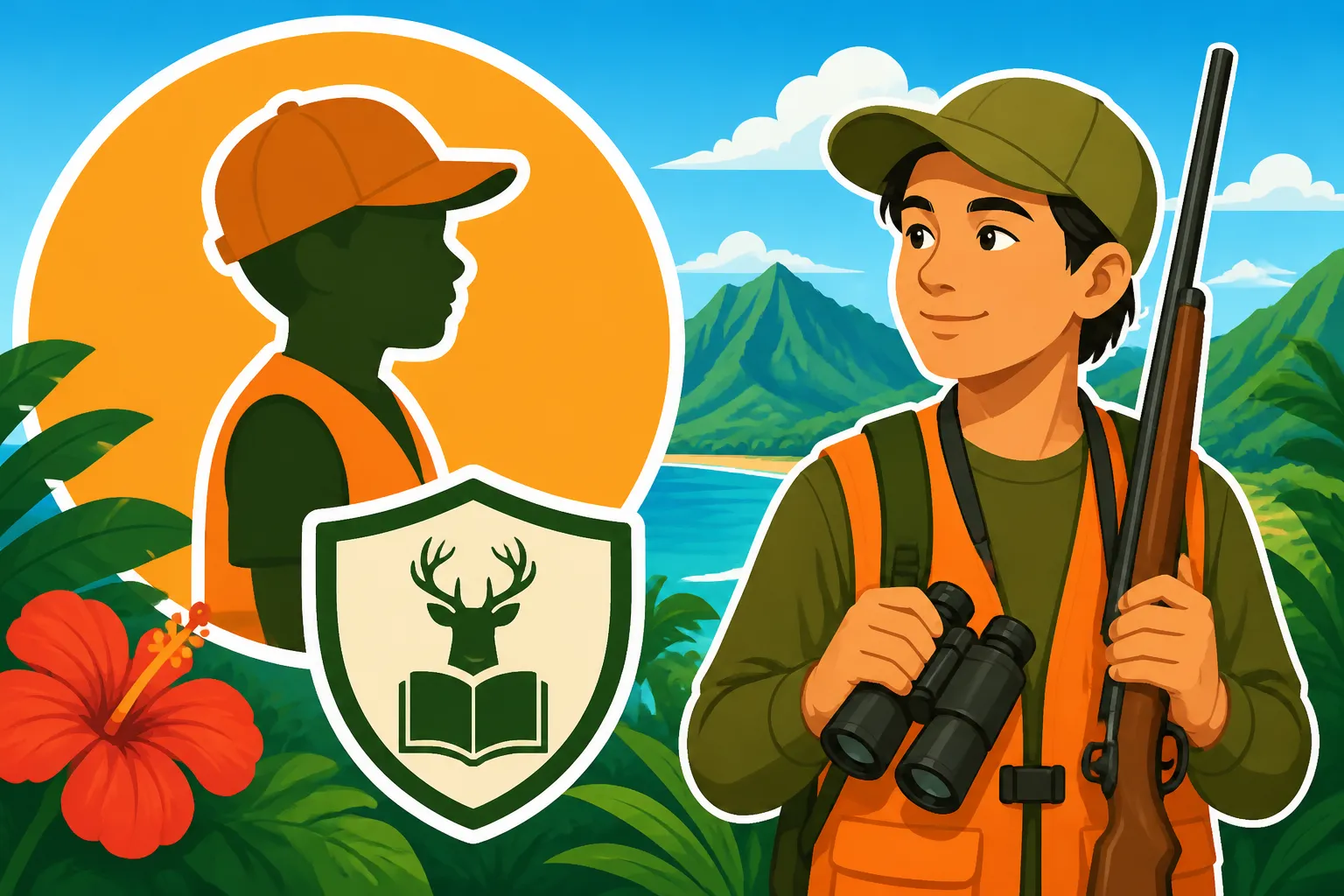
In Hawaii, the minimum age to take a hunter education course is 10 years old. This age wasn't picked out of a hat; it’s generally considered the point at which children have developed sufficient cognitive abilities and maturity to understand complex safety rules, ethical considerations, and responsible decision-making required for hunting. While a 10-year-old might not be ready for every aspect of hunting, they are typically capable of absorbing the classroom material and participating in the practical exercises under supervision.
Parents often express concerns about whether their child is "ready" at 10. It's a valid question, and the answer often depends on the individual child. However, the courses are structured with various learning styles and attention spans in mind. Instructors are experienced in teaching younger students, using interactive methods and reinforcing key concepts repeatedly. They understand that patience and clear communication are paramount. These courses emphasize a learning environment where questions are encouraged, and hands-on practice makes the principles stick. Don't worry, the goal isn't just to pass a test, but to truly educate. When you're ready to find a course, platforms like GoHunt often list available hunter education classes, making it easier to plan your participation.
Course Formats and Accessibility for Young Learners
Hawaii's hunter education courses come in a few formats, but they all aim to provide a comprehensive learning experience suitable for young minds. While some states offer purely online courses, Hawaii emphasizes a blend of online learning (for convenience) and mandatory in-person instruction, often called a "field day" or "live fire" session.
The online portion, which can be completed at your own pace, covers theoretical knowledge such as wildlife identification, hunting ethics, basic first aid, and game laws. It's designed to be engaging, with quizzes and interactive modules that help reinforce the material. However, the real magic, especially for young learners, often happens during the in-person component. These practical sessions, run by certified instructors from the Department of Land and Natural Resources (DLNR) Division of Forestry and Wildlife (DOFAW), are crucial. Here, students get hands-on experience with firearms or archery equipment, practice safe handling techniques, learn how to cross fences safely, and even participate in simulated hunting scenarios. This direct, supervised experience is invaluable for building confidence and competence, especially for the younger participants. Instructors are adept at breaking down complex information into digestible pieces, ensuring that even a 10-year-old can grasp the gravity and responsibility that comes with being a hunter. It’s a holistic approach that ensures everyone, regardless of prior experience, leaves with a solid understanding of how to hunt safely and ethically in Hawaii's diverse environments.
What Happens After Hunter Education?
Completing your hunter education course is a huge milestone! It means you've absorbed the knowledge and demonstrated the skills necessary to be a responsible hunter. But what are the next steps in Hawaii? It's not just about getting that certificate; it's about translating that education into real-world hunting opportunities.
Getting Your Hunter Education Card
Once you've successfully completed both the online (if applicable) and in-person components of the hunter education course, you'll be issued an official Hawaii Hunter Education Card. This card is your golden ticket – it's proof that you've met the state's requirements for hunter safety and knowledge. Think of it as your passport to pursuing a hunting license in Hawaii. You'll need to present this card when you go to purchase your first hunting license.
It's absolutely vital to keep this card safe, as it's a permanent record of your certification. If, for some reason, your card gets lost, stolen, or damaged, don't panic! You can usually request a replacement through the DOFAW office or the platform where you originally registered for the course. They understand that accidents happen and will guide you through the process of obtaining a duplicate. With your card in hand, you're one significant step closer to legally hunting in Hawaii. For more detailed information on obtaining a license, including costs and where to purchase, check out our guide on "Hawaii Hunting Licenses and What They Cost" or visit the GoHunt Hawaii portal, where you can often purchase licenses directly online after your education is verified.
Minimum Age to Purchase a Hunting License
Now, here's a crucial distinction: while you can take the hunter education course at 10 years old, the minimum age to purchase a full adult hunting license in Hawaii is generally 16. This means there's a period where a young hunter might have their education card but isn't yet old enough to hunt independently.
However, Hawaii recognizes the importance of nurturing young hunters, and there are provisions for youth participation. Junior hunting licenses or youth hunting permits are often available for hunters under 16, allowing them to hunt specific game under the direct supervision of a licensed adult. These programs are designed to provide mentored hunting experiences, ensuring safety and guidance in the field. For instance, specific "Hawaii Youth Hunting Age Rules" are in place, often requiring that a parent or guardian who is 18 years or older and holds a valid hunting license accompanies the youth. They must also maintain direct visual and voice contact. It’s about creating a safe, controlled environment for young hunters to apply the skills they learned in hunter education, building confidence and experience before they venture out on their own. Our guide on "Adult Supervision Rules for Young Hunters" delves deeper into these requirements. Always check the current year's hunting regulations published by DOFAW, or consult the GoHunt website, which typically hosts up-to-date information on license purchasing and age-related requirements.
Practical Considerations for Young Hunters
Getting through hunter education and understanding the age limits is just the beginning. For young hunters, the journey into the field requires careful thought, mentorship, and preparation. Hawaii's unique and often challenging terrain demands extra consideration.
Mentorship and First Hunt Experiences
The role of a mentor in a young hunter's life cannot be overstated. After completing hunter education, the best classroom is often the field, guided by an experienced, ethical hunter. This mentorship is about more than just showing them how to track an animal or take a shot; it's about imbuing them with the deeper values of hunting: respect for wildlife, conservation, patience, and perseverance. A good mentor teaches by example, emphasizing ethical decision-making, understanding game behavior, and the importance of leaving no trace.
For a young hunter's first experiences, it’s often wise to start with less physically demanding hunts or species where success rates might be higher, helping to build confidence. "Hawaii Game Bird Hunting" can be an excellent entry point, offering exciting action without the intensity of big game. Imagine the thrill of walking up chukar or francolin with a mentor, learning to read dog signs, or making responsible shots at fast-flying targets. Later, they might transition to "Hawaii Game Mammal Seasons", perhaps for feral pigs or goats, under close supervision. These initial hunts are less about the harvest and more about fostering a love for the outdoors, learning the nuances of the chase, and building memories that will last a lifetime.
Preparing for the Hunt: Beyond the Classroom
Hawaii's hunting landscape is incredibly diverse, from the humid, dense rainforests of the windward sides to the dry, rocky, volcanic terrain of the leeward slopes. For any hunter, but especially a young one, physical preparation is key. Hiking through lava fields or steep gulches can be incredibly taxing. Ensuring a young hunter is physically fit and adequately hydrated is paramount for safety and enjoyment.
Beyond physical conditioning, understanding the specific unit rules and local conditions is critical. This includes knowing how to interpret maps, understanding boundaries, and familiarizing oneself with the terrain. Our guide on "Hunting Hawaii's Volcanic Terrain" can offer valuable insights into some of the more rugged areas. Additionally, learning navigation skills, especially "Staying Found in Dense Hawaii Rainforest", is a must, as cell service can be spotty in many remote hunting units. Proper gear, from sturdy boots to rain gear, is also essential for comfort and safety in Hawaii's unpredictable weather. Make sure to check in and out of units properly, a process often managed through digital platforms like GoHunt, which can be explored in our guide on "Checking In and Out of Hawaii Hunting Units". Preparing for a hunt in Hawaii is a holistic endeavor, combining learned skills with practical readiness, all under the watchful eye of an experienced guide or mentor.
| Requirement Category | Minimum Age in Hawaii | Notes |
|---|---|---|
| Hunter Education Course | 10 years old | Must successfully complete both classroom/online and field day components. |
| Adult Hunting License | 16 years old | Requires hunter education card for purchase. |
| Youth Hunting (Supervised) | Under 16 years old | Specific youth licenses/permits available; requires direct adult supervision by a licensed hunter (18+). |
| Carrying a Firearm (Unsupervised for Hunting) | 16 years old | Only when holding an adult license and in compliance with all hunting regulations. |
Disclaimer
Please remember that hunting regulations in Hawaii can change. While we strive to provide the most current and accurate information, it is always your responsibility to consult the official Hawaii Department of Land and Natural Resources (DLNR) Division of Forestry and Wildlife (DOFAW) regulations directly before planning any hunt. This guide is for informational purposes only and should not be considered a substitute for official legal advice or current regulatory documents.