Adult Supervision Rules for Young Hunters
It can feel like you need a law degree just to figure out all the nuances of hunting regulations, especially when it comes to bringing your kids or grandkids along. The goal is always to share our love for the outdoors and ethical hunting, but navigating the specific rules for young hunters in Hawaii can certainly throw a few curveballs. This guide is here to untangle the requirements for adult supervision, ensuring you and your young hunting partners can enjoy Hawaii's incredible hunting opportunities safely and legally.
The Core Rules for Supervising Young Hunters in Hawaii
When you're out in the field with a junior hunter, whether they're just starting out or have a few seasons under their belt, understanding the supervision requirements isn't just a recommendation—it's the law. Hawaii takes the safety of its young hunters, and everyone else in the field, very seriously, which means specific guidelines are in place for how adults must oversee minors.
Age Requirements and Direct Supervision
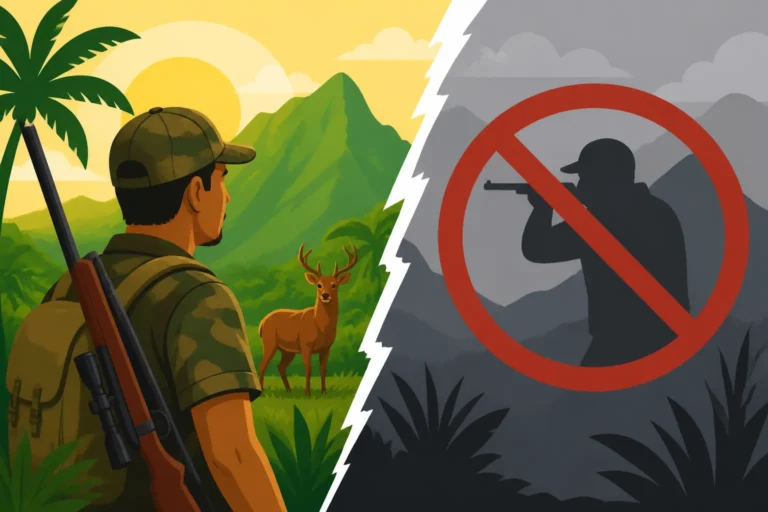
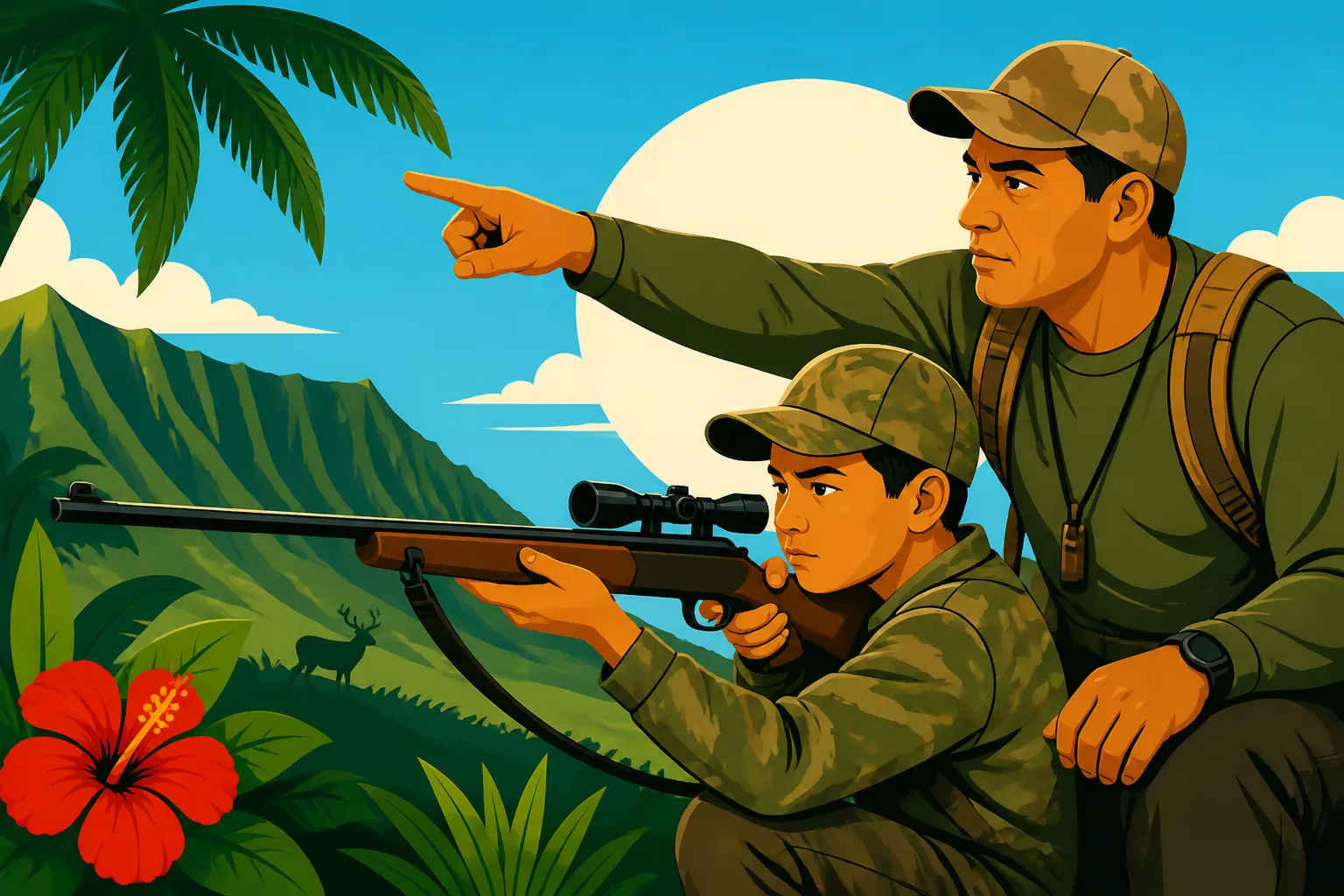
Let's talk brass tacks: what does "direct supervision" actually entail in the varied landscapes of Hawaii? First off, while there isn't a minimum age to start hunter education, a youth generally needs to be 10 years old to get a hunting license. This isn't just about carrying a weapon; it’s about understanding responsibility. Once they have that license, the law states that any minor under the age of 15 must be accompanied by, and under the direct supervision of, an adult (someone 18 years or older) who holds a valid Hawaii hunting license.
Now, "direct supervision" is where it gets interesting, because Hawaii's terrain isn't always wide-open fields. It means that the supervising adult must be within "normal voice communication and reasonable visual contact" of the minor at all times. Think about that for a second. If you're still-hunting in a dense guava thicket on Maui, where visibility can drop to just a few feet, "reasonable visual contact" might mean you're almost side-by-side. If you're glassing open country for axis deer on Lanai, you might be a bit further apart, but still close enough that you can see their every move and easily shout instructions or warnings. This isn't just about preventing accidents; it's about being right there to guide them through shot placement, animal identification, and immediate decision-making. Imagine a young hunter is about to take a shot at what they think is a legal pig, but you, with your experience, notice it's a sow with piglets. Direct supervision means you're there to intervene, teach, and make the ethical call. This rule applies across the board, whether you're after Hawaii's feral pigs in the wet forests of the Big Island or pursuing goats on a coastal cliff.
Hunter Education Requirements for Youth
Before any young hunter can even think about getting a license, they absolutely must complete a certified Hunter Education course. This isn't just a formality; it's the foundation of safe and ethical hunting. The course covers everything from firearm safety and marksmanship to wildlife identification, conservation principles, and the specific laws of Hawaii.
For residents, this means enrolling in one of the courses offered by the Department of Land and Natural Resources (DLNR) Division of Forestry and Wildlife (DOFAW). These courses are often available in person, sometimes with an online component followed by a mandatory field day. You can find more details on Hawaii Hunter Education Requirements. For non-residents, the process is a little different. If your child has completed a hunter education course in another state or country, they generally don't need to take the Hawaii course. Instead, the supervising adult can apply for a "Letter of Exemption." This letter essentially verifies that their prior training meets Hawaii's standards. It’s crucial to get this sorted before your hunt, as you don't want to arrive in paradise only to find out your young hunter can't legally participate. This education is paramount, as it instills the critical safety habits and respect for the land and animals that we all want to see in the next generation of hunters.
Navigating Licenses, Tags, and Youth Hunt Weekends
Once your young hunter has the necessary education, the next step is getting them properly licensed and tagged. This can sometimes be a bit of a maze, but thankfully, Hawaii has systems in place to make it as smooth as possible, even offering special opportunities just for youth.
Obtaining Licenses and Permit-Tags for Minors
Getting a Hawaii hunting license for a minor is a pretty straightforward process, assuming they've met the hunter education requirement. As the adult, you'll typically be the one guiding them through the application, which can often be done online through platforms like the state's official GoHunt Hawaii portal. Remember, a general hunting license is required for all legal hunting activities in Hawaii, whether it's for game mammals or birds. You can explore both Hawaii Resident Hunting License Options and Hawaii Nonresident Hunting License Options on the GoHunt platform.
Beyond the general hunting license, many of Hawaii's premier big game species, like Axis Deer and Mouflon Sheep, require specific permit-tags. These tags are often issued through lottery draws or purchased over the counter, depending on the unit and species. For instance, if you're hoping to hunt Axis Deer on Lanai, a highly sought-after draw hunt, your young hunter would need to apply for their own permit-tag. The cost of these tags can vary, and it's important to be aware of the specific application deadlines and tag costs, which can also be managed through GoHunt. Once a tag is issued and an animal is harvested, teaching your young hunter how to properly attach and validate the tag is an essential step in Tagging an Animal Correctly in Hawaii. This attention to detail reinforces responsibility and adherence to regulations from a young age.
Special Youth Hunt Weekends and Opportunities
One of the coolest things about Hawaii's hunting program is the dedication to fostering young hunters through designated youth hunt weekends. These special seasons are designed to provide a lower-pressure environment for minors (usually up to 17 years old) to hunt specific game animals, often with exclusive access to certain units or specific dates before the general season opens.
These weekends are a fantastic way to introduce new hunters to the sport or give experienced youth a focused opportunity. For example, islands like Maui and Hawaii Island often have specific dates set aside for youth to hunt game birds, pigs, or even Axis Deer, depending on the unit and management needs. You can find detailed schedules and specific bag limits on the Youth Hunt Weekend Dates by Island page provided by DOFAW. The benefits of these hunts are huge:
- Reduced Pressure: Fewer hunters in the field mean a more relaxed atmosphere and often a better chance at success.
- Focused Mentorship: These weekends are built around the idea of a supervising adult dedicating their full attention to the young hunter, teaching not just how to hunt, but how to scout, track, field dress, and respect the animal and the land.
- Conservation Education: It's a prime opportunity to discuss why certain animals are hunted (often for ecological control), the importance of sustainable harvesting, and the role hunters play in Hawaii's unique ecosystem.
My personal experience with these hunts has been nothing short of amazing. Watching a young hunter, maybe a little nervous at first, gain confidence as they stalk their first pig or successfully call in a francolin, is incredibly rewarding. It’s about building memories and skills that last a lifetime, all while staying within the rules of Hawaii's Hunting Units and How They Work.
Practical Supervision in Hawaii's Diverse Terrain
Hawaii's hunting landscape is unlike almost anywhere else. From razor-sharp lava flows and dense, wet rainforests to arid kiawe flats and steep gulches, the terrain presents unique challenges. Supervising a young hunter here requires more than just knowing the rules; it demands practical awareness and adaptability to ensure safety and ethical hunting in every step.
Safety Considerations in Thick Cover and Open Country
"Direct supervision" sounds straightforward until you're actually navigating a dense strawberry guava thicket on Oahu, where a hunter can disappear from sight in two steps. This is where your role as a supervisor really shines. In these thick, unforgiving environments, maintaining that "visual contact and voice communication" often means you need to be within arm's reach. You might need to lead the way, breaking trail, or constantly communicating positions. This also means being acutely aware of your young hunter's capabilities and limitations – a shorter child will have an even harder time seeing over dense vegetation.
In contrast, hunting open lava fields on the Big Island for mouflon sheep, or the sprawling pastures of Maui for axis deer, offers different challenges. While visibility might be excellent, the sheer vastness means a young hunter can become separated if not actively monitored. Communication becomes key here; using hand signals, radios, or always confirming sight of each other before moving. Regardless of the terrain, proper safety gear, especially blaze orange, is non-negotiable for both the adult and the youth hunter. Hawaii has specific Hawaii Blaze Orange and Safety Rules that you must adhere to, ensuring maximum visibility, which is especially critical when you're moving through areas where other hunters might be present. Always remember to check your surroundings, identify shooting lanes, and emphasize positive target identification with your young hunting partner.
Ethical Hunting, Field Care, and Respect for the Aina
Beyond the legalities, supervision is fundamentally about teaching ethical hunting. This means guiding your young hunter not just on how to shoot, but when and why. It's about instilling a deep respect for the animal and the aina (land).
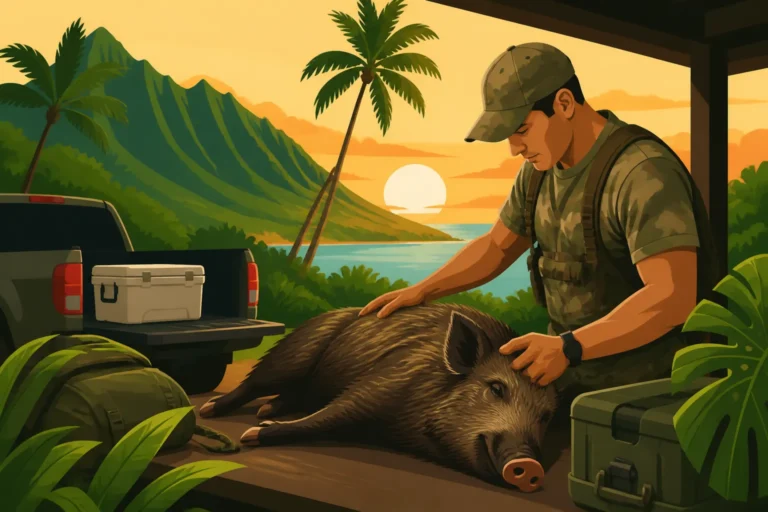
When an animal is harvested, your supervision extends to Field Care in Hawaii's Heat and Humidity. The warm, humid climate of Hawaii means meat can spoil rapidly, so quick and efficient field dressing is paramount. Teach your child how to properly gut an animal, cool the carcass, and, if needed, quarter it for packing out. This isn't just a chore; it’s an integral part of the hunting experience and shows respect for the animal's life. Emphasize that every part of the animal should be utilized or respectfully returned to the earth.
Moreover, teaching respect for the land means understanding boundaries and minimizing impact. This means staying on legal hunting ground, avoiding private property, and understanding local customs. Hawaii has a rich cultural heritage, and teaching your young hunter about cultural etiquette on a Hawaii hunt ensures they approach the experience with appropriate reverence and humility. It's about leaving no trace, packing out what you pack in, and ensuring future generations can enjoy these same wild spaces. Your supervision is the living classroom for these invaluable lessons.
What Happens When Rules Aren't Followed
It’s easy to get caught up in the excitement of a hunt, but overlooking or bending the rules, especially those pertaining to youth supervision, can have severe and lasting consequences. The goal is to always have a safe and legal hunt, and understanding the repercussions of non-compliance is part of that.
Consequences for Violations
Let's be blunt: hunting violations in Hawaii are no joke, and when a minor is involved, the supervising adult bears the brunt of the responsibility. If you, as the supervising adult, fail to meet the direct supervision requirements, or if your young hunter commits an infraction under your watch, you could face significant penalties. This isn't just a slap on the wrist. Depending on the severity of the violation, consequences can include substantial fines, forfeiture of equipment, and, most critically for any hunter, the suspension or permanent revocation of your hunting license and privileges. Imagine being unable to hunt for years, or ever again, all because you let your young hunter wander too far out of sight in a dense gulch.
Beyond the legal penalties, there's the moral and ethical cost. A violation involving a minor can reflect poorly on the hunting community as a whole and taint your child's early experiences with the sport. It's an unpleasant thought, but it's important to be aware of the Penalties for a Hunting Violation so you can proactively prevent them. Always remember that the rules are there for safety and conservation, and adhering to them protects everyone, especially our newest hunters.
Best Practices for Mentorship and Compliance
To ensure a positive and compliant hunting experience for young hunters in Hawaii, proactive mentorship and meticulous planning are your best allies. Here are some actionable steps you can take:
- Pre-Hunt Review: Before every trip, sit down with your young hunter and review the specific regulations for the unit you'll be hunting, including bag limits, season dates, and any special conditions. Platforms like GoHunt and the DOFAW website are great resources.
- Safety Drills: Practice safety drills. This includes muzzle control, safe zones of fire, and how to safely cross obstacles with a firearm. Reinforce the "treat every gun as loaded" and "know your target and what's beyond it" rules until they are second nature.
- Physical and Mental Preparation: Ensure your young hunter is physically capable of the demands of the terrain and mentally prepared for the hunt. A tired or distracted child is more prone to mistakes. This might mean keeping hunts shorter or less strenuous initially. Also, make sure you have What to Pack for a Hawaii Hunt, including plenty of water, first-aid supplies, and emergency communication.
- Checking In and Out: Always follow the protocols for Checking In and Out of a Hawaii Unit. This is a critical step for safety and data collection. Many units now use digital systems like the Using the OuterSpatial App to Check In, which makes the process more convenient.
- Role Model: Be the best role model you can be. Your actions, from following game laws to respecting private property and practicing good sportsmanship, will speak louder than any words. Demonstrate patience, persistence, and appreciation for the resource.
- Open Communication: Maintain an open line of communication with your young hunter. Encourage questions, discuss scenarios, and debrief after each hunt. This builds their confidence and ensures they feel supported, not just supervised.
By embracing these practices, you're not just ensuring compliance; you're building a solid foundation for a lifetime of responsible and enjoyable hunting for the next generation.
| Requirement/Action | Supervising Adult's Role | Young Hunter's Responsibility | Important Notes |
|---|---|---|---|
| Hunter Education | Verify completion, assist with "Letter of Exemption" if needed. | Complete course, pass exam. | Prerequisite for license. |
| Hunting License | Guide through application (e.g., GoHunt), ensure validity. | Carry valid license in the field. | Required for all hunting. |
| Permit-Tags | Guide through draw/purchase process, explain rules. | Understand tag rules, attach correctly post-harvest. | Species/unit specific (e.g., Axis Deer, Mouflon). |
| Direct Supervision | Maintain visual & voice contact, immediate intervention. | Stay close, communicate, follow instructions. | Crucial in varied Hawaii terrain (dense brush vs. open country). |
| Safety Gear | Ensure youth wears blaze orange, proper footwear, etc. | Wear required safety gear. | Hawaii Blaze Orange and Safety Rules are mandatory. |
| Ethical Conduct | Teach shot placement, field care, respect for animal/land. | Practice ethical decisions, proper handling. | Critical for conservation and public perception of hunting. |
| Check-In/Out | Ensure proper unit registration (e.g., OuterSpatial App). | Understand check-in/out procedures. | Essential for safety and data, avoids penalties. |
| Understanding Rules | Review unit-specific rules, bag limits, seasons. | Know what you're hunting for and its limits. | Rules vary by island and unit (e.g., Hawaii Game Mammal Seasons). |
| Emergency Preparedness | Carry first aid, communication, plan for scenarios. | Know what to do in an emergency. | No Cell Signal on a Hawaii Hunt is common. |
Disclaimer
Please note: The information provided in this guide is intended for general informational purposes only and does not constitute legal advice. Hunting regulations in Hawaii are subject to change. It is the responsibility of every hunter, and especially supervising adults, to consult the most current Hawaii Administrative Rules (HAR) and engage directly with the Hawaii Department of Land and Natural Resources (DLNR) Division of Forestry and Wildlife (DOFAW) or their official GoHunt website for the definitive and most up-to-date regulations before participating in any hunting activity.