Hawaii’s Closed Species and Why
It can be incredibly frustrating for hunters, especially those new to the islands or visiting from the mainland, to try and make sense of Hawaii's unique hunting regulations. You hear about all this amazing hunting for axis deer, pigs, and goats, but then you learn that certain species, even those you might expect to be fair game, are completely off-limits. This guide will dive deep into Hawaii's closed species, explaining exactly which animals are protected and, more importantly, why these crucial rules are in place, so you can hunt responsibly and with full understanding.
Understanding Hawaii's Unique Conservation Landscape
Hawaii is unlike almost anywhere else on Earth, and that uniqueness extends profoundly to its wildlife and the way we manage it. When you're out in the field, whether you're chasing pigs in a wet forest or glassing for axis deer across a dry plain, it's easy to forget the incredible, fragile history that underpins every living thing around you. This rich backstory, combined with modern challenges, is precisely why certain animals in Hawaii are strictly protected.
A Delicate Balance of Native and Introduced Species
Imagine a place that evolved for millions of years with almost no land mammals. That's Hawaii. Before human arrival, the only native terrestrial mammal was a bat, and the landscape was dominated by incredible endemic birds, insects, and plants. These species evolved without the pressures of grazing animals or ground predators. When the first Polynesian voyagers arrived, they brought pigs, dogs, and chickens. Later, European explorers and settlers introduced a whole host of other animals: goats, sheep, cattle, deer, and even predators like mongoose and rats. Many of these introduced animals, while providing hunting opportunities today, also severely disrupted the islands' delicate ecosystems.
This means that Hawaii's conservation efforts are often a two-pronged approach: on one hand, we're actively managing and, in many cases, trying to reduce populations of introduced ungulates and predators because of the immense damage they cause to native forests and watersheds. On the other hand, we have a solemn responsibility to protect the native species that are teetering on the brink of extinction, precisely because they evolved in a world without these pressures and simply can't cope with them. It’s a constant, often difficult, balancing act that shapes every hunting regulation you encounter.
The Role of the Department of Land and Natural Resources DOFAW
At the heart of managing this complex ecosystem is the Department of Land and Natural Resources (DLNR), specifically its Division of Forestry and Wildlife (DOFAW). These dedicated folks are tasked with a monumental job: conserving Hawaii's natural resources for future generations, while also providing recreational opportunities like hunting. It’s not an easy gig, and they often face criticism from all sides, but their work is vital.
DOFAW is responsible for conducting scientific research, monitoring wildlife populations, managing public hunting units, issuing licenses and permits, and, of course, enforcing regulations. When a species is designated as "closed" or protected, it's not a decision made lightly. It stems from extensive biological assessments, often driven by federal mandates under the Endangered Species Act, and reflects a dire need to preserve what little remains of Hawaii's native biodiversity. Understanding that DOFAW is operating under these dual pressures—managing invasive game for health and protecting native species from extinction—helps clarify why rules might seem stringent or confusing at times.
Key Closed Species and Their Protected Status
When you're out in the field, it's absolutely crucial to know what you're looking at. Hawaii has some incredible game animals, but it also has a host of incredibly rare and protected native species. Mistaking one for the other, even accidentally, can have severe consequences, not just for you legally, but for the species itself. Let's talk about the big ones you need to be aware of.
The Nene Hawaiian Goose
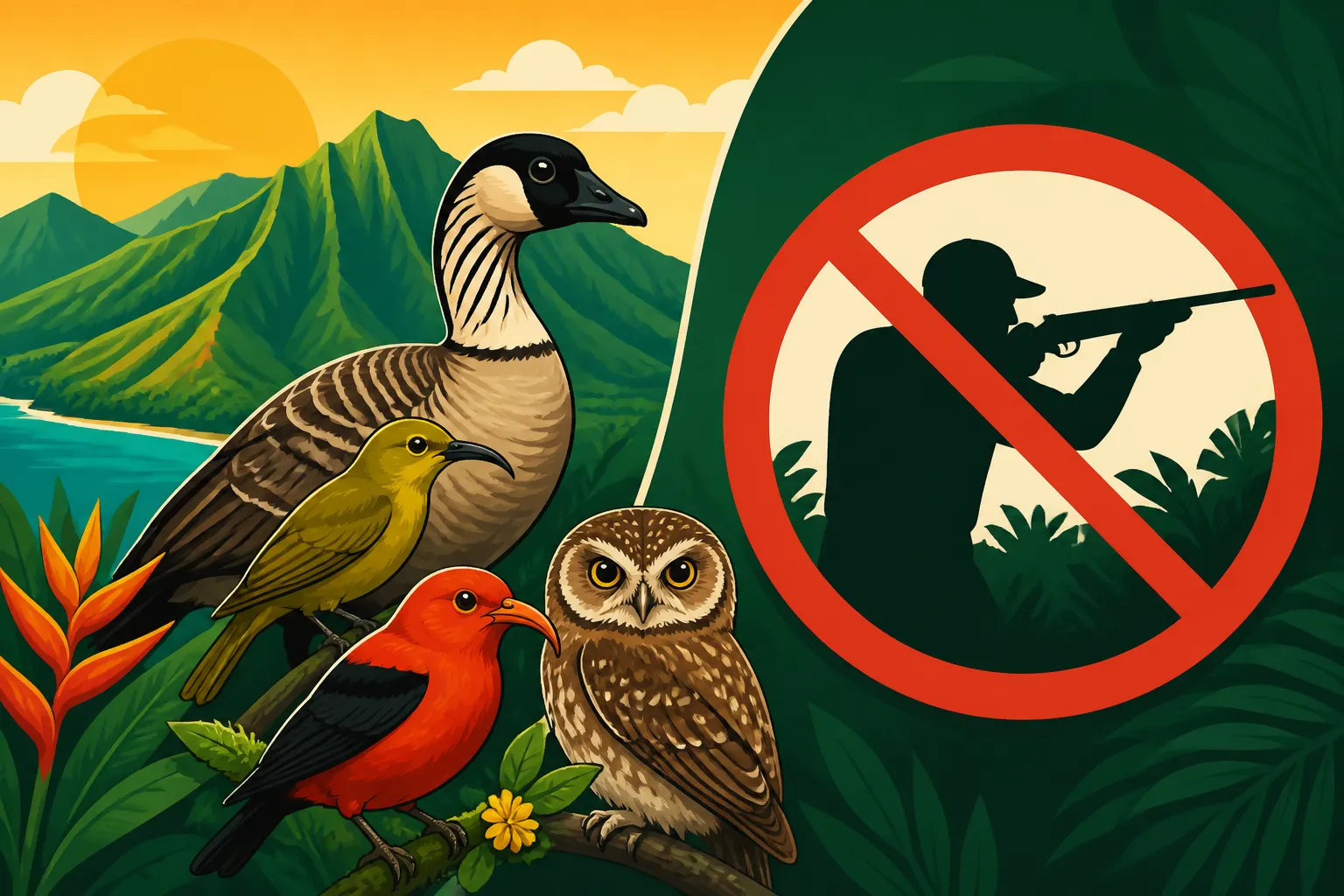
The Nene (pronounced "nay-nay") is Hawaii's state bird, and frankly, it's an incredible survivor. This endemic goose is believed to have evolved from Canadian Geese that flew off course millions of years ago and adapted to Hawaii's volcanic landscapes, developing longer legs and reduced webbing on its feet for traversing lava flows. Unfortunately, like many native species, it suffered catastrophic declines after human arrival due to hunting, habitat destruction, and introduced predators like mongoose and feral cats. By the mid-20th century, the Nene population had dwindled to as few as 30 birds, making it one of the most endangered waterfowl in the world.
Thanks to decades of intensive conservation efforts, including captive breeding programs and habitat restoration, Nene populations have rebounded somewhat, though they are still critically endangered. You can find them on Hawaii Island, Maui, and Kauai, often in surprising locations, including golf courses, pastures, and even near roadsides, as well as their more traditional high-elevation habitats. Their protected status is absolute; hunting, harming, or even disturbing a Nene is strictly prohibited by both state and federal law, and the penalties are severe. Every hunter has a responsibility to be able to How to Recognize a Nene in the Field and avoid any encounter. There's simply no excuse for failing to identify this iconic bird, and the consequences for violating its protection mean that Why Shooting a Nene Is a Serious Offense is a very real concern for anyone who breaks the rules.
Endangered Forest Birds
Beyond the Nene, Hawaii's forests are home to a stunning, though rapidly dwindling, array of native forest birds. These include incredibly rare species like the 'Akikiki and 'Akeke'e on Kauai, the Palila on Mauna Kea, and the 'I'iwi, with its brilliant scarlet plumage, found on several islands. Many of these birds are unique to a single island, or even a single specific valley, making them incredibly vulnerable to changes in their environment. Their vibrant colors and unique songs are an integral part of Hawaii's natural heritage, but sadly, many of them are on the brink of extinction.
The threats to these birds are manifold: ongoing habitat loss due to development and invasive plants, predation by introduced mammals like rats, feral cats, and mongoose, and perhaps most devastatingly, avian malaria carried by introduced mosquitoes. These birds, having evolved in isolation without disease, have no natural immunity, and a single mosquito bite can be fatal. This is why entire swathes of lower-elevation forest are now silent, devoid of native birds. If you're hunting in forested areas, especially in the uplands, you need to be keenly aware that you are likely in or near areas where Hawaii's Endangered Birds Near Hunting Units reside. Recognizing their calls and being mindful of your surroundings is paramount. For example, The Palila and Mauna Kea's Sheep issue highlights the delicate balance between ungulate management and protecting critical bird habitat.
The Hawaiian Hoary Bat
When we talk about Hawaii's native land mammals, it's a very short conversation – because there's only one: the 'ōpe'ape'a, or Hawaiian Hoary Bat. This small, fascinating creature is Hawaii's sole endemic terrestrial mammal, making it incredibly special and equally vulnerable. Unlike the fruit bats you might find in other tropical locales, the Hawaiian Hoary Bat is an insectivore, playing a vital role in controlling insect populations across the islands. They're primarily nocturnal, as you'd expect a bat to be, and tend to roost in trees, often camouflaged so effectively that they're almost impossible to spot during the day.
While you're highly unlikely to encounter one directly during daylight hunting hours, their presence is a crucial part of Hawaii's ecosystem, and they are fully protected under federal and state endangered species laws. Any action that could harm or disturb their roosting sites or foraging habitats is illegal. This means hunters need to be aware of their surroundings, particularly if setting up camp or navigating through dense forest at dusk or dawn. Understanding Hawaii's Hoary Bat and What Hunters Should Know is part of being a responsible hunter in these islands, ensuring that your activities don't inadvertently impact this unique native species.
Species with Complex or Misunderstood Status
Sometimes, a species isn't strictly "closed" because it's endangered, but its status might be misunderstood, or it could be under evaluation for future management. These animals often present a more nuanced conservation story, differing from the clear-cut protections afforded to endangered native species.
Wild Turkey
When you think of wild turkeys, you probably picture sprawling woodlands in the continental U.S., maybe some strutter gobbling at dawn in the spring. What you might not picture is a volcanic landscape in Hawaii. But surprise! Wild turkeys actually exist on Hawaii Island, and they've established a self-sustaining population, primarily in the high-elevation mamane-naio forests of Mauna Kea and Mauna Loa. These birds were introduced back in the 1950s and have adapted to the unique, often harsh, conditions of the Big Island's uplands.
Despite being a classic game bird in many places, and having a seemingly healthy population here, wild turkeys are currently a "closed" species in Hawaii for hunting purposes. This often bewilders hunters, especially those visiting. The primary reason for their protected status stems from the fact that their populations aren't consistently abundant enough across all potential habitats to support a regular hunting season without jeopardizing their long-term viability. While there's always discussion about future seasons, and DOFAW closely monitors their numbers, for now, you cannot hunt wild turkeys in Hawaii. So, if you're up on Mauna Kea and you see one strutting, enjoy the sight, but keep your weapon down. You can learn more about Wild Turkeys in Hawaii, an Unhunted Bird and Where Hawaii's Wild Turkeys Live in dedicated resources.
Feral Cattle and Other Livestock
For some hunters, the sight of a truly wild, free-ranging feral cow might seem like a unique hunting opportunity, especially on a remote island. And historically, feral cattle were indeed a significant issue across Hawaii, particularly on the Big Island. Descendants of livestock brought by Captain Vancouver in the late 1700s and subsequent ranchers, these animals roamed wild, causing immense damage to native forests and rangelands. Control efforts, including large-scale drives and aerial culling, have significantly reduced their numbers in public areas over the decades, though some pockets of truly wild cattle might still exist in very remote, rugged terrain.
Today, while you might occasionally encounter escaped cattle on certain private lands or adjacent to ranching operations, these animals are generally not considered public game animals in Hawaii. Hunting them typically falls under specific ranch management programs, and usually requires explicit private land access permits or guided hunts where they are actively managed as livestock rather than game. The distinction is crucial: an escaped domestic animal is still technically property, and taking it without permission is a serious offense, often considered theft. So, while you might see a "wild" cow, it's imperative to confirm its true status and ownership before even considering it as a target. Resources like Hawaii's Feral Cattle and Where They Remain can provide more historical context on their presence.
Mongoose
The small, quick mongoose. These notorious predators were intentionally introduced to Hawaii in the late 1800s, primarily to control rats in sugarcane fields. Spoiler alert: it was a colossal failure. Mongoose are diurnal (active during the day), while rats are largely nocturnal. This means they rarely encountered each other. Instead, mongoose became a devastating predator of Hawaii's native ground-nesting birds, their eggs, and chicks, which had no defense against such a nimble and aggressive hunter. They quickly spread across most of the main Hawaiian Islands, with the notable exception of Lanai and Kauai.
Given their highly destructive impact on Hawaii's native wildlife, it might seem logical that mongoose would be fair game for hunters, perhaps even encouraged as a form of pest control. However, while control efforts do exist, often through trapping programs managed by DOFAW or private landowners, mongoose are not listed as a game animal for public hunting in Hawaii. There's no specific season or bag limit for them in the conventional hunting sense. This isn't because they're protected, but rather because hunting them with firearms isn't considered an effective or practical method for widespread population control, especially given their elusive nature and the safety concerns of shooting small animals in public hunting areas. So, while they're a known menace, they aren't a target for your hunting rifle. Learning about Mongoose in Hawaii and Which Island Lacks Them is important for understanding their impact on the ecosystem.
The Impact of Conservation Efforts and Hunting in Hawaii
It might seem like a paradox: how can hunting fit into a conservation strategy, especially when we're talking about so many closed and protected species? In Hawaii, the relationship between hunting and conservation is incredibly intricate and, in many cases, absolutely vital for the survival of the very ecosystems we cherish.
Balancing Conservation and Resource Management
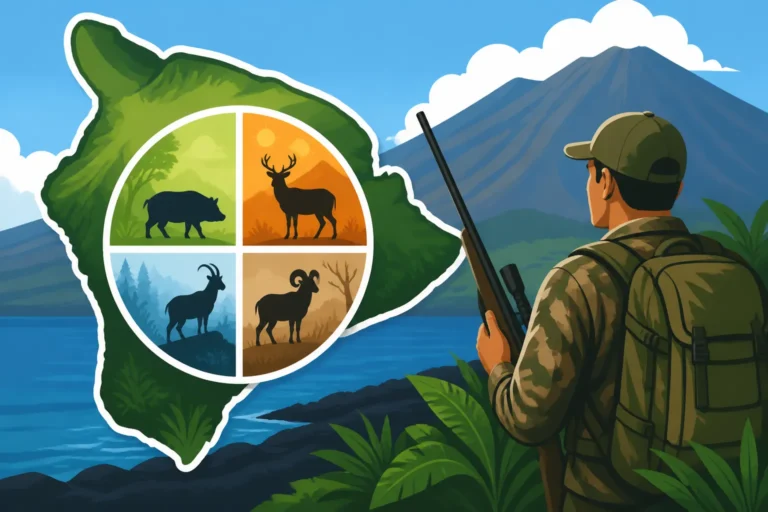
Here in Hawaii, the primary game animals—axis deer, feral pigs, mouflon sheep, and feral goats—are all introduced species. While they provide fantastic hunting opportunities, they also represent a significant threat to Hawaii's native forests and watersheds. Feral pigs, with their destructive rooting, can decimate native plant communities and create ideal breeding grounds for invasive mosquitoes that spread avian malaria. Goats and sheep browse relentlessly, preventing the regeneration of native trees and contributing to severe erosion on steep slopes. Axis deer, particularly on Maui, Molokai, and Lanai, can overgraze vast areas, turning lush lands into barren dustbowls, especially during drought conditions.
This is where hunting steps in as a critical conservation tool. By actively managing populations of these introduced ungulates through regulated hunting seasons, hunters directly contribute to protecting the delicate native ecosystems that house Hawaii's endangered plants and birds. Every pig, goat, or deer harvested helps alleviate pressure on native forests, allowing them a chance to recover. It's a complex, often misunderstood relationship, but responsible hunting is an essential component of Hawaii's broader conservation strategy. In fact, understanding How Hunting Fits Hawaii's Conservation Plan is crucial for any hunter in Hawaii, as is knowing Why Hawaii Calls Its Game Animals Invasive even if they are popular quarry. Without hunters, the challenge of managing these populations would be far greater and significantly more costly for the state.
Hunter Education and Awareness
Given the unique and fragile nature of Hawaii's ecosystems, hunter education and continuous awareness are more important here than perhaps anywhere else. It's not just about knowing your safe shooting zones or understanding weapon regulations; it's about being an educated steward of the land and its wildlife. Proper species identification is paramount to avoid accidentally harming a protected animal. This means knowing what a Nene looks like, understanding the range of endangered forest birds, and recognizing the Hawaiian Hoary Bat's habitat.
DOFAW's hunter education courses, a requirement for new hunters, delve into these specific Hawaiian conservation issues, helping to instill a deep respect for the islands' unique natural heritage. Furthermore, staying informed about unit-specific rules and potential temporary closures is part of being a responsible hunter. Resources such as the GoHunt Hawaii platform or the official DOFAW website are indispensable for checking the latest regulations and ensuring you're compliant. By taking these steps, hunters not only protect themselves from legal trouble but also uphold the positive image of hunting as a conservation activity. After all, the basic principles taught in Hawaii Hunter Education Requirements and emphasized in Hawaii Blaze Orange and Safety Rules extend to respecting all wildlife, not just the game species.
Navigating Regulations and Staying Informed
Hawaii's wildlife management is constantly evolving, driven by scientific research, population dynamics, and ongoing conservation challenges. What was true last year might have changed this season, which means diligence is your best friend when planning any hunt here.
The Ever-Changing Landscape of Rules
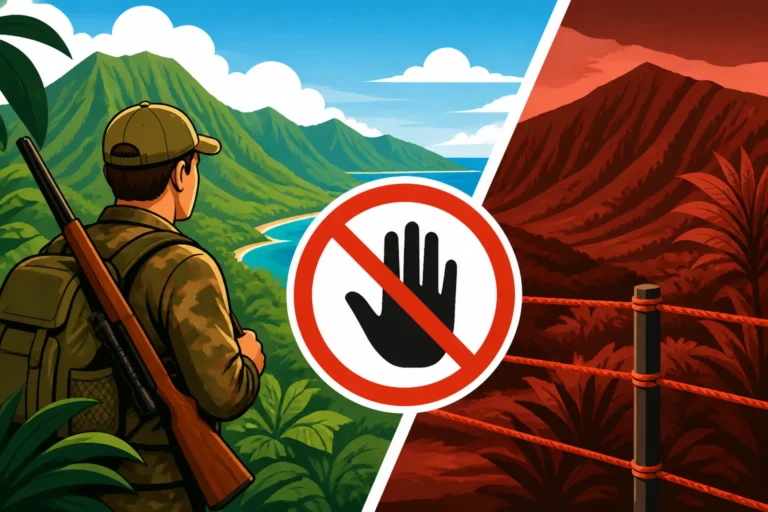
Hawaii's natural environment is dynamic. Droughts can dramatically impact animal populations and their movements. Invasive species can proliferate rapidly. New scientific findings might lead DOFAW to adjust hunting unit boundaries, season lengths, or even declare a species closed if its numbers plummet. For example, a particular unit might be open for pigs one year, but a specific section might close the next due to an endangered bird nesting season, or perhaps a fire, or even management actions to protect newly planted native trees.
This means you can't just rely on what you heard from a buddy last year or a general guide you read a few years back. Before every single hunt, it's your responsibility to check the absolute latest regulations from the official source: the DOFAW website. This is where you’ll find the most up-to-date information on Where DOFAW Posts Season Announcements and any Hawaii Hunting Rules That Changed This Year. Platforms like GoHunt can also be incredibly helpful in providing user-friendly access to this information, sometimes even with map overlays showing unit boundaries and specific restrictions. Always make sure you're looking at the current year's regulations for the specific island and unit you intend to hunt.
Why Diligence is Key
The consequences of failing to adhere to Hawaii's hunting regulations, especially those pertaining to closed or protected species, can be severe. We're not just talking about a minor fine; depending on the species and the circumstances, you could face hefty financial penalties, confiscation of equipment, loss of hunting privileges, and even criminal charges that could result in jail time. These aren't just state laws; many endangered species are also protected under federal statutes, bringing even more serious repercussions. Beyond the legal ramifications, there's the damage to the reputation of the hunting community as a whole. One irresponsible act can cast a shadow over all the ethical, conservation-minded hunters who are doing things the right way.
Therefore, diligence isn't just about avoiding trouble; it's about upholding the integrity of hunting in Hawaii and showing respect for these islands' unique natural heritage. Always double-check your target, confirm your location against official maps (many hunters find the OuterSpatial app incredibly useful for unit check-ins and boundary verification), and if you're ever in doubt about a species, unit boundary, or regulation, err on the side of caution. Reach out to DOFAW, consult their website, or utilize reliable resources like GoHunt to get clarity. Being informed and responsible ensures that Hawaii's hunting opportunities can continue for generations to come, alongside the protection of its precious native wildlife.
Summary of Key Closed and Protected Species
To help you keep track, here's a quick overview of the main closed and protected species you'll encounter or need to be aware of in Hawaii.
| Species | Status | Primary Reason for Protection | Hunting Legality |
|---|---|---|---|
| Nene (Hawaiian Goose) | Critically Endangered, State Bird | Native species, low population, habitat loss, predation. | Strictly Prohibited |
| Endangered Forest Birds | Critically Endangered (various species) | Native species, habitat loss, avian malaria, introduced predators. | Strictly Prohibited |
| Hawaiian Hoary Bat | Endangered (only native land mammal) | Native species, unique evolutionary history, habitat vulnerability. | Strictly Prohibited |
| Wild Turkey | Introduced, established population | Population not deemed robust enough for sustained public hunting seasons. | Currently Closed |
| Feral Cattle | Introduced (descendants of livestock) | Generally considered property; not public game animals; private land management. | Generally Closed (unless private land permit) |
| Mongoose | Introduced, invasive predator | Invasive pest, but not designated as a public game animal for hunting. | Not a Game Animal |
This table provides a quick reference, but remember that understanding the "why" behind these regulations is just as important as knowing the "what."
Disclaimer
Please remember that hunting regulations in Hawaii can change. Always consult the official Hawaii Department of Land and Natural Resources (DOFAW) website and current hunting regulations manual before planning any hunt. This article is for informational purposes only and does not constitute legal advice or replace official government sources.