Hawaii Game Bird Hunting
The dream of hunting in Hawaii often conjures images of majestic Axis deer bounding across dry plains or the challenging pursuit of wild pigs through dense rainforest. But for many local hunters and keen visitors, the islands offer another incredibly rewarding pursuit: game bird hunting. It's a facet of Hawaiian hunting that's often overlooked, leaving many scratching their heads about which birds are legal, where to find them, and how to even begin navigating the unique terrain and regulations. This comprehensive guide aims to clear up that confusion, diving deep into everything you need to know to successfully chase feathered game across the Aloha State.
Understanding Hawaii's Diverse Game Birds
Hawaii's game bird landscape is a vibrant tapestry, thanks to a history of introductions aimed at providing both food and sport. Unlike the mainland, you won't find native upland game birds here; every species you pursue has its own story of arrival and adaptation, leading to distinct hunting experiences across the islands. Knowing your target species is the first step to a successful hunt, as their habitats and behaviors dictate your approach.
Francolin and Pheasant: Upland Challenges
When you think of upland bird hunting, pheasants and francolins often come to mind, and Hawaii delivers with a few notable species. The Erckel's Francolin, a strikingly beautiful bird, can be found in grassy areas, often at mid-elevations. They're notoriously vocal, and once you get a bead on their calls, you can often pinpoint their general location. But don't let their calls fool you; they're experts at holding tight in cover, only to flush explosively at your feet, making for exhilarating shotgun work. Then there's the Gray Francolin, often found in drier, more open country, particularly on the Big Island and Maui. These birds tend to run more than fly when pressured, making for a challenging foot pursuit, but they will eventually flush if you push them hard enough.
Pheasants in Hawaii mainly consist of the Ring-necked Pheasant, though Green Pheasant also exist in some areas, particularly on Hawaii Island. These magnificent birds prefer agricultural lands, grassy fields, and the edges of forest reserves. They're often found in areas with a mix of cover and open feeding grounds, making for classic pheasant hunting scenarios. Like their mainland cousins, they love to run, and a good bird dog can be invaluable in pinning them down. Their powerful flush and swift flight make them a truly sporting target, and bagging a colorful rooster is a proud moment for any hunter. The challenge lies in predicting their movements and getting into a shooting lane before they disappear into the thick Hawaiian vegetation.
Chukar Partridge: High Elevation Pursuits
For those who love a high-country adventure, the Chukar Partridge offers a truly unique Hawaiian hunting experience. These tough, red-legged birds thrive in the sparse, rocky, and often high-elevation terrain, particularly on the Big Island's volcanic slopes. If you've ever hunted chukar elsewhere, you know the drill: steep climbs, breathtaking views, and birds that seem to delight in flushing downhill, only to land in an even more inaccessible spot. On Mauna Kea and Mauna Loa, you'll find them amidst the lava flows and scrub brush, often above the tree line.
Hunting chukar in Hawaii is a test of endurance and determination. You'll be walking rough lava without wrecking your boots, constantly scanning the broken landscape. They often gather in coveys, and when one flushes, the whole group tends to follow, providing multiple shot opportunities if you're quick. The thin air and relentless sun at these elevations add another layer of challenge. But the reward, beyond the birds themselves, is the unparalleled beauty of Hawaii's alpine environment, a stark contrast to the tropical beaches below. It's a truly wild hunt that pushes your limits and offers a deep connection to the land.
Doves and Quail: Lowland Opportunities
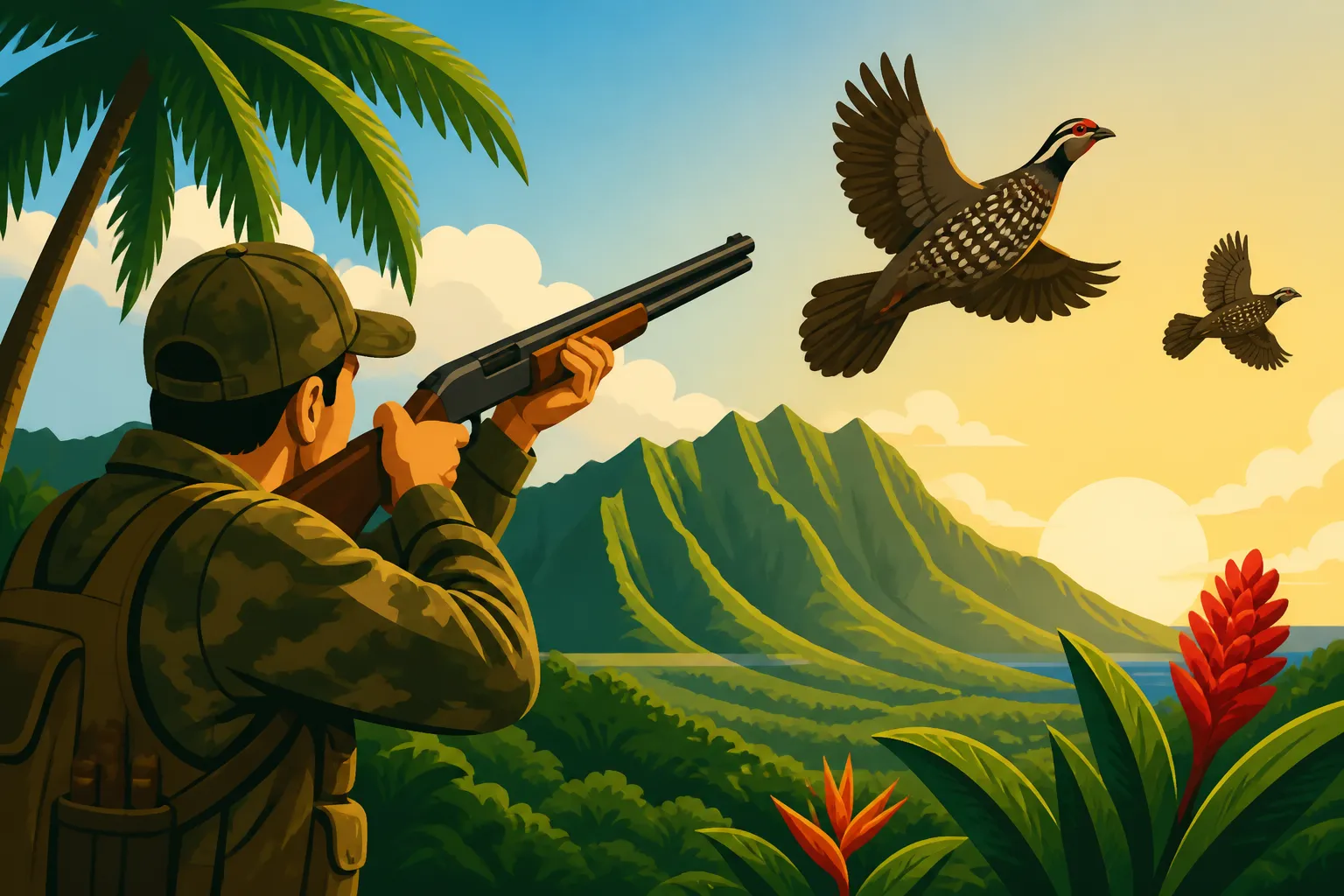
Closer to sea level and in more accessible areas, Hawaii offers fantastic opportunities for dove and quail hunting, providing a different pace and often a more social hunting experience. The Barred Dove and Spotted Dove are common targets, frequently found in agricultural fields, pastures, and park-like settings. These birds are swift fliers, providing fast-paced pass shooting, particularly during early morning or late afternoon feeding flights.
Doves are abundant in many lowland areas, and finding a good field to set up on can lead to high-volume shooting. Often, they feed on scattered seeds and grains, so scouting prior to your hunt for active feeding areas can greatly increase your success. Meanwhile, quail hunting in Hawaii typically involves California Quail and Japanese Quail. California Quail, with their distinctive topknots, are often found in brushy areas, dry gulches, and the edges of kiawe forests. They're notorious for holding tight and then bursting into flight with a rapid whir of wings, requiring quick reflexes. Japanese Quail, often smaller, prefer more open grassy fields and agricultural lands. Both species offer challenging wing-shooting, and much like pheasant hunting, a well-trained bird dog can make all the difference in locating and flushing coveys. You'll find yourself walking up Chukar on a lava slope, or hunting Doves over a Hawaii pasture, each experience unique.
Seasons, Stamps, and Legal Requirements
Navigating the regulations for game bird hunting in Hawaii can feel a bit like deciphering an ancient scroll, especially for newcomers. It’s a distinct system that requires attention to detail. Thankfully, the Department of Land and Natural Resources (DLNR) Division of Forestry and Wildlife (DOFAW) provides clear guidelines, but knowing where to look and what to prioritize is key.
Navigating Hawaii's Game Bird Seasons
Hawaii's game bird seasons aren't a one-size-fits-all affair. They vary not only by species but also by island and often by specific hunting unit. Most game bird seasons run from November through January, but there can be exceptions. For instance, some units might open earlier or close later, and certain species might have extended opportunities in specific areas to manage populations. It's absolutely critical to consult the most current Hawaii Game Bird Seasons and Bag Limits before planning any hunt. These regulations are updated annually and can change based on population surveys, environmental conditions (like drought), or specific management goals for an area.
For many units, game bird hunting is limited to weekends and state holidays. This is particularly common on public lands to balance recreational use and hunting pressure. Understanding Hawaii's Weekend and Holiday Hunting Rules is essential to avoid disappointment. You might find a prime spot but realize it's only open for hunting on Saturdays and Sundays, and sometimes on certain state holidays like Veteran's Day or Thanksgiving. Always double-check the specific unit regulations, as what applies to one area on the Big Island might be entirely different from a unit on Maui or Kauai.
Essential Licenses and Stamps
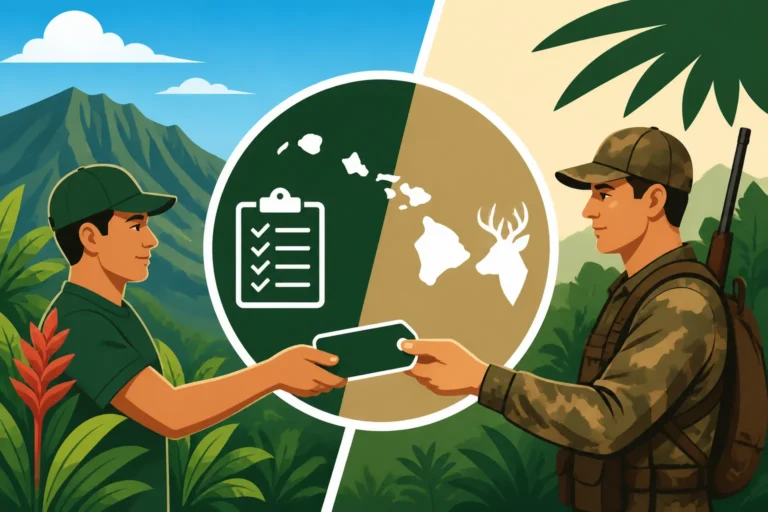
Before you even think about stepping into the field, you'll need the proper paperwork. Every hunter, resident or nonresident, must possess a valid Hawaii hunting license. The cost for a Hawaii Resident Hunting License is generally affordable, while nonresidents will pay a higher fee. It's a straightforward process, but it's crucial to complete your hunter education requirements beforehand. For nonresidents, this often means providing proof of a hunter education certification from your home state or a prior hunting license. You can usually purchase your license online through platforms like GoHunt, or at authorized vendors across the islands.
In addition to your general hunting license, all game bird hunters are required to purchase a Hawaii Game Bird Stamp. This stamp is typically an annual purchase and is affixed to your hunting license or carried with it electronically. The revenue generated from these stamps directly supports game bird management and conservation efforts in the state, ensuring healthy populations for future hunting opportunities. Make sure you understand the Game Bird Stamp Cost and Who Needs It, as it's a non-negotiable part of legal game bird hunting. Always carry your license and stamp with you while hunting, as wildlife officers frequently conduct checks in the field.
Legal Shooting Hours and Bag Limits
Understanding legal shooting hours and daily bag limits is paramount for ethical and legal hunting. For game birds in Hawaii, shooting hours typically begin at sunrise and extend to sunset. This allows for safe hunting during daylight hours and protects birds during their roosting periods. However, always verify the exact times published in the annual regulations, as sunrise and sunset times shift throughout the season.
Bag limits specify the maximum number of birds you can harvest per day for each species. These limits are set to ensure sustainable populations and often vary significantly. For instance, the Chukar Daily Bag Limit might be four birds, while for doves, you might be able to take ten or more depending on the species. Francolins and pheasants also have their own specific limits. It's crucial to correctly identify your target species before shooting and to stop hunting once you've reached your daily limit for any given species. Exceeding bag limits or hunting outside legal hours can result in significant fines and loss of hunting privileges. Consult the Hawaii Game Bird Seasons and Bag Limits publication, which details these specifics for each island and species.
Where to Find Hawaii's Game Birds: Public Units
Finding game birds in Hawaii isn't always about vast, sprawling landscapes like you might find on the mainland. It's often about understanding specific public hunting units, their terrain, and how access works. Hawaii's public lands are a mosaic of forest reserves, game management areas (GMAs), and even some Natural Area Reserves where hunting is permitted under strict conditions.
Island-Specific Hotspots
Each major island offers unique opportunities for game bird hunting, largely shaped by its geography and historical introductions.
- Hawaii Island (The Big Island): This is arguably the most diverse island for bird hunting. The high-elevation slopes of Mauna Kea and Mauna Loa are prime Chukar hunting grounds, demanding physical stamina but rewarding hunters with spectacular views and challenging birds. Lower down, in areas like the Puu Anahulu Game Management Area or parts of the Kona Forest, you'll find Erckel's Francolin and Gray Francolin in grassy scrublands. The agricultural belts and scattered forest edges around Waimea and the saddle road also hold Ring-necked Pheasants and various quail species.
- Maui: Maui offers solid opportunities for francolin and pheasant, particularly in its upcountry regions like the Kula Forest Reserve and parts of the Makawao Forest Reserve. These areas, often characterized by rolling pastures, eucalyptus groves, and dense brush, provide excellent habitat. Doves are plentiful in the lower agricultural zones.
- Lanai: While famous for its Axis deer, Lanai also has good populations of francolin and pheasant, especially in the central highlands and along the edges of its expansive pineapple fields. Its relatively dry, open landscape can make for exciting flushes.
- Molokai: Similar to Lanai, Molokai offers francolin and pheasant in its upland areas. The island's diverse terrain, from dry leeward slopes to lush windward valleys, provides habitat for a variety of game birds.
- Oahu: Despite being the most populated island, Oahu still provides some game bird hunting. Areas like the Waianae Kai Forest Reserve and parts of the Ewa Forest Reserve hold francolin and some pheasant, though hunting pressure can be higher here. Doves are common in many of the agricultural fringes.
- Kauai: The Garden Isle has good populations of francolin and some quail, particularly in the Kokee State Park and Na Pali-Kona Forest Reserve regions, which also host black-tailed deer. The diverse terrain offers both open country and denser cover.
Accessing Forest Reserves and DMAs
Most game bird hunting in Hawaii takes place within designated public hunting units, which are often parts of larger Forest Reserves or dedicated Game Management Areas (GMAs). Access to these areas typically involves specific regulations. Many units have designated parking areas, and some require walking in from public roads. Certain units might necessitate a four-wheel-drive vehicle to navigate rugged access roads, so always check the specific requirements for the unit you plan to hunt.
It's not uncommon to find yourself hunting in a Hawaii eucalyptus plantation edge, a Hawaii koa forest edge, or even an old Hawaii ranch road. These varied habitats provide diverse cover and food sources for game birds. The best way to understand the boundaries and access points for these units is through detailed maps provided by DOFAW, or by using modern mapping applications like onX. Always be mindful of private property boundaries, which can often abut public hunting lands. Understanding the specific land use and respecting private landowners is a key aspect of ethical hunting in Hawaii.
The Importance of Check Stations and OuterSpatial
Hawaii has a mandatory hunter check-in and check-out system for many of its public hunting units, especially those that are highly managed or have specific harvest quotas. For game bird hunting, this system might be less stringent than for big game, but it's still crucial to be aware of. Many units, even for birds, require hunters to check in at a designated hunter check station before entering the field and check out upon exiting, regardless of whether they harvested an animal. This system allows DOFAW to monitor hunting pressure, gather harvest data, and ensure public safety.
In recent years, the use of the OuterSpatial app to Check In and Out of Hawaii Hunting Units has become increasingly common. This mobile application allows hunters to check in and out digitally from their smartphones, making the process more convenient, especially in units without staffed check stations. It’s a game-changer for many hunters, simplifying administrative tasks and ensuring compliance with regulations, even when there's no cell signal on a Hawaii hunt in remote areas, as the app allows for offline check-in/out that syncs later. Always ensure your phone is charged and you've downloaded any necessary maps beforehand.
Essential Gear and Tactics for Hawaii's Terrain
Hunting game birds in Hawaii requires a slightly different approach than what you might be used to on the mainland. The unique blend of tropical humidity, volcanic rock, dense vegetation, and steep elevation changes demands careful consideration of your gear and tactics. Being prepared for anything the islands throw at you is key to a successful and enjoyable hunt.
Shotguns, Loads, and Ammunition Considerations
For game bird hunting in Hawaii, a reliable shotgun is your primary tool. Most hunters opt for 12-gauge or 20-gauge shotguns, either pump-action or semi-automatic. Over-under or side-by-side shotguns are also popular for upland bird hunting. The choice largely comes down to personal preference and comfort. Barrel length is important; a shorter barrel (24-26 inches) can be more maneuverable in Hawaii's often thick cover, while a slightly longer barrel (26-28 inches) can offer a bit more swing for open-country doves and pheasants.
When it comes to ammunition, lead shot is generally permitted for game birds in Hawaii, unlike waterfowl hunting where non-toxic shot is required. The common shot sizes for francolin, pheasant, chukar, and quail range from 6 to 7.5. For doves, smaller shot like 7.5 or 8 is often preferred. Always bring plenty of shells, as you might find yourself with multiple flushes and opportunities, especially if you get into a covey of chukar or a flight of doves. Keep in mind that securing specific ammunition types and gauges once on the islands can sometimes be a challenge, so it's often wise to bring your preferred loads with you, making sure to adhere to all airline and state regulations for transporting firearms and ammunition.
Footwear and Clothing for Varied Environments
This is where Hawaii really distinguishes itself. You're not just dealing with one type of terrain or climate; you're often moving between radically different environments within a single day. Therefore, your footwear is arguably the most critical piece of gear. You'll need sturdy, comfortable, and supportive hunting boots with excellent ankle support to navigate everything from rocky lava fields and steep, slippery gulches to dense, wet forest floors. Many hunters swear by waterproof, breathable boots that can handle both the dry, abrasive volcanic rock and the damp, muddy conditions of certain areas. Walking rough lava without wrecking your boots is a real consideration.
Clothing should be chosen for layering. Start with moisture-wicking base layers, add a breathable mid-layer for warmth if you're at higher elevations (Mauna Kea gets cold!), and a durable, brush-resistant outer layer. Given Hawaii's unpredictable weather, carrying good rain gear for a windward Hawaii hunt is non-negotiable, even if you start your day under clear skies. Blaze orange requirements are in effect for big game hunting in Hawaii, but for game bird hunting, it is also highly recommended, especially on public lands where other hunters may be present. Wearing a blaze orange hat or vest enhances visibility and safety, which should always be your top priority.
Hunting Strategies: Walking Up, Spotting, and Flushing
The tactics you employ will depend heavily on the species you're pursuing and the specific terrain. For francolin, pheasant, and quail, walking up Erckel's Francolin in tall grass or still-hunting a guava thicket for pigs (which sometimes share habitat with birds) are common methods. This involves slowly working through likely cover, anticipating flushes, and being ready to swing and shoot quickly. A zigzag pattern across a field or along a ridge can be effective for covering ground thoroughly. When hunting with a partner, spread out in a line to cover more ground and push birds towards each other.
For chukar, especially in the vast, open, high-elevation landscapes, spot-and-stalk tactics often come into play. Glassing a lava flow for Mouflon rams can also reveal chukar coveys. You'll use binoculars to locate birds from a distance, then plan an approach that uses terrain features to get within flushing range. This often involves climbing above them and then working your way down, as chukar prefer to flush downhill. For doves, pass shooting over feeding areas or water sources is the most common method. Identify flight paths and set up concealed positions along these routes, waiting for birds to come within range. Understanding the nuances of these hunting styles will drastically improve your success.
The Role of Hunting Dogs in Hawaii's Bird Fields
For many upland bird hunters, the experience isn't complete without a faithful canine companion. In Hawaii, hunting with dogs can be incredibly effective, especially given the dense cover and the running nature of some game bird species. However, it also comes with its own set of considerations, from breed selection to specific regulations and ensuring your dog's safety in a unique environment.
Choosing and Training a Bird Dog for Island Conditions
If you're considering bringing a bird dog to Hawaii or training one locally, it's vital to think about the specific challenges of the islands. Breeds like English Pointers, German Shorthaired Pointers, Brittany Spaniels, and various flushing breeds (like English Springers or Labrador Retrievers) are popular choices. What's crucial is their ability to handle tough terrain, dense brush, and heat. A dog with good foot protection is a must, as lava rock and kiawe thorns can be brutal on paws.
Training should focus on strong obedience commands, especially "whoa" or "stay" for pointing breeds, and reliable retrieving for all. Because of the limited public land access and potential for close encounters with other hunters or even protected wildlife, a dog that responds instantly to commands is non-negotiable. Furthermore, acclimating your dog to the heat and humidity is important. Training early in the morning or late in the afternoon, and ensuring constant access to water, is key to their well-being. Using a Bird Dog in Hawaii Terrain means preparing them for everything from steep ascents to thick, tangling undergrowth.
Navigating Regulations for Hunting with Dogs
Hawaii does permit hunting with dogs for game birds, but there are specific rules you need to follow. The first step is typically registering your hunting dogs before the season with DOFAW. This process helps the state track hunting dog populations and ensures compliance. Each island and even specific hunting units might have additional rules regarding the number of dogs you can bring, whether they need to be leashed in certain areas, or if certain breeds are restricted. It's not the same as the rules around dog hunting pigs in Hawaii, but still requires attention.
Always check the current year's hunting regulations for the specific unit you plan to hunt. Some areas might have restrictions on dog use to protect sensitive wildlife or avoid conflicts with other recreational users. For example, in some Natural Area Reserves, dog access might be prohibited or heavily restricted. Always keep your dog under control, especially when crossing private property or when other hunters are present. Respect for the land, wildlife, and other outdoor enthusiasts is paramount.
Safety and Care for Your Hunting Companion
Hawaii's environment poses unique safety challenges for hunting dogs. The heat and humidity are significant concerns; dogs can overheat quickly, leading to serious health issues. Always carry ample water for your dog and offer it frequently. Planning for water and heat planning for a Hawaii hunt extends to your four-legged partner. Rest breaks in the shade are essential. Overheating symptoms include excessive panting, lethargy, and dark red gums – if you notice these, get your dog cooled down immediately.
Sharp lava rock, kiawe thorns, and other abrasive vegetation can cause serious paw injuries. Consider protective booties for your dog, especially if hunting in dry, rocky areas. Be vigilant for pests like ticks and other parasites, and ensure your dog is up-to-date on all vaccinations and parasite preventatives. Finally, in areas with dense cover, a GPS collar can be an absolute lifesaver. It allows you to track your dog's location, preventing them from getting lost or encountering dangerous situations. This is similar to GPS Collars for Pig Dogs in Thick Cover, showing how essential this tech can be for any hunting dog in Hawaii.
Field Care and Post-Hunt Considerations
Harvesting game birds in Hawaii is a rewarding experience, but the job isn't done once the shot is fired. Proper field care is critical, especially in Hawaii's warm and humid climate, to ensure your hard-earned birds make it to the table in prime condition. From immediate care to transportation and reporting, understanding these steps is vital for every responsible hunter.
Preserving Your Harvest in Hawaii's Warm Climate
Unlike hunting in colder climates, Hawaii's consistent warmth means game meat can spoil rapidly if not handled correctly. The moment a bird is retrieved, the clock starts ticking. The first step is to cool the bird down as quickly as possible. If you're hunting in warmer lowland areas, this often means getting the bird into a cooler with ice immediately. Even on a short walk back to the truck, try to keep the bird out of direct sunlight.
Many hunters will field dress their birds (remove the entrails) as soon as possible. This helps the carcass cool internally and removes a significant source of bacteria. While some prefer to pluck their birds in the field, it's often more practical to do this at home or camp. If you do pluck, be mindful of any specific regulations that might require a certain amount of plumage to remain on the bird for identification purposes during transport. Ensuring you're Cooling Meat Fast on a Hawaii Hunt is paramount for any game, including birds.
Cleaning, Plucking, and Transporting Game Birds
Once back at camp or home, the process of cleaning and processing your birds continues. Plucking can be done by hand or with mechanical pluckers if available. If you're breasting out the birds (taking only the breast meat), this is a quick and efficient method, especially for doves and smaller francolins. For larger birds like pheasants, taking the whole bird, or at least the legs and thighs, is common. Ensure all feathers, entrails, and any damaged meat are removed. Rinse the birds thoroughly with cold water.
For transportation, especially if you're traveling between islands or flying home with game meat from Hawaii, the birds must be properly packaged and kept cold. Vacuum sealing is an excellent option for long-term preservation and helps prevent freezer burn. Store the birds in sturdy coolers with plenty of ice, or in a deep freezer. Remember that agricultural rules for taking meat off island must be followed. Usually, meat must be fully processed, clean, and often frozen solid to meet these requirements. Always check with the Hawaii Department of Agriculture for the latest rules, especially if you plan to ship meat or take it on an airplane.
Reporting Your Harvest and Contribution to Conservation
One of the often-overlooked but incredibly important aspects of hunting in Hawaii is the requirement for harvest reporting. For many hunting units and species, hunters are required to report their take to DOFAW. This data is absolutely crucial for wildlife management. It helps biologists assess population trends, understand hunting pressure, and make informed decisions about future seasons and bag limits.
This reporting might occur when you check out of a unit at a physical check station or, increasingly, through the OuterSpatial app or an online reporting system. Whether you harvest a bird or not, checking out and reporting your activity is often mandatory. By diligently Reporting Your Harvest in Hawaii, you contribute directly to the sustainable management of game bird populations in the islands. It's a fundamental responsibility that ensures these unique hunting opportunities remain available for generations to come, reflecting a commitment to the "Aloha Aina," or love of the land.
Unique Challenges and Rewards of Hawaii Bird Hunting
Hunting game birds in Hawaii is an experience unlike any other. It’s a pursuit steeped in unique challenges, from the demanding landscapes to the unexpected weather, but it offers equally profound rewards that go far beyond a full game bag. Embracing these facets is part of what makes hunting in the islands so special.
Weather, Terrain, and Other Environmental Factors
Hawaii's environment is a paradox of stunning beauty and unrelenting challenge. The weather can be incredibly localized and change rapidly. You might start your day in a dry, sunny leeward slope chasing francolin, only for a sudden shower to roll in, turning dusty trails into slick mud. If you're hunting pigs on Hawaii's wet windward side, rain gear is not just a suggestion, it's a necessity. The intense sun, especially at higher elevations, combined with high humidity in lower regions, can quickly lead to dehydration and fatigue. Water and heat planning for a Hawaii hunt are critical for both you and any hunting dogs.
The terrain itself is a formidable opponent. Volcanic lava flows are notoriously rough on boots and ankles, while dense thickets of guava, kiawe, and ʻōhiʻa can create impenetrable barriers, testing your endurance and navigation skills. Steep gulches and ridgelines mean constant elevation changes. Add to this the occasional encounters with feral pigs or goats, which can create exciting, albeit unexpected, diversions from your bird hunt. Staying found in dense Hawaii rainforest or learning to navigate a Hawaii gulch system are skills honed through experience.
The Satisfaction of a Self-Guided Island Hunt
While guided hunts are available for big game, many game bird hunters in Hawaii prefer the satisfaction of a self-guided experience. It's an opportunity to truly immerse yourself in the islands' wilder side, to scout your own areas, read the land, and overcome challenges through personal effort. There's an immense pride in successfully navigating an unfamiliar unit, finding birds that blend seamlessly into their environment, and executing a clean shot, all on your own terms.
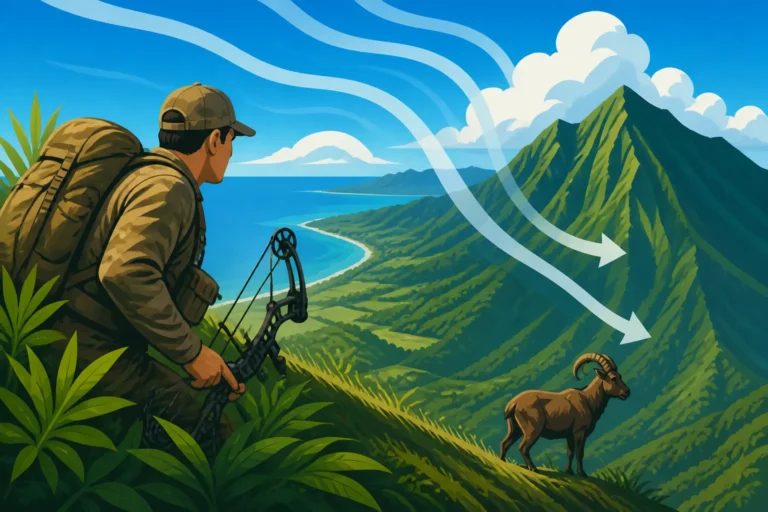
A self-guided hunt allows for a deeper connection with the "Aina," the land. You learn to interpret the subtle signs of bird activity, understand how trade winds affect their movements, and appreciate the unique ecology that allows these introduced species to thrive. It’s about more than just bagging birds; it’s about the journey, the exploration, and the deep personal satisfaction of a hunt earned through grit and determination.
Embracing the Aloha Spirit of Hunting
Hunting in Hawaii, even for game birds, often carries a unique cultural dimension. The "Aloha Spirit" extends to the hunting community, emphasizing respect for the land, the animals, and fellow hunters. This means adhering strictly to regulations, practicing ethical hunting, and sharing knowledge and aloha with others you meet in the field. Local hunters are often incredibly welcoming and willing to offer advice to respectful newcomers.
Being part of Hawaii's hunting heritage means understanding that these game animals, while providing sport and sustenance, are also managed to protect Hawaii's fragile native ecosystems. Your hunting efforts contribute to conservation by helping manage populations that can impact native plants and birds. It's a mindful approach to hunting that balances recreation with responsibility, connecting you not just to the land, but to the community of hunters who cherish these islands. The satisfaction of a well-earned meal of Hawaiian game birds, shared with friends and family, is a taste of this unique island hunting culture.
Disclaimer
Please be aware that hunting regulations in Hawaii are subject to change. Always consult the most current Hawaii Department of Land and Natural Resources (DLNR) Division of Forestry and Wildlife (DOFAW) official hunting regulations for the specific year and island you plan to hunt before heading into the field. This guide is for informational purposes only and should not be considered a substitute for official legal documents.