Booking a Hawaii Mouflon Hunt
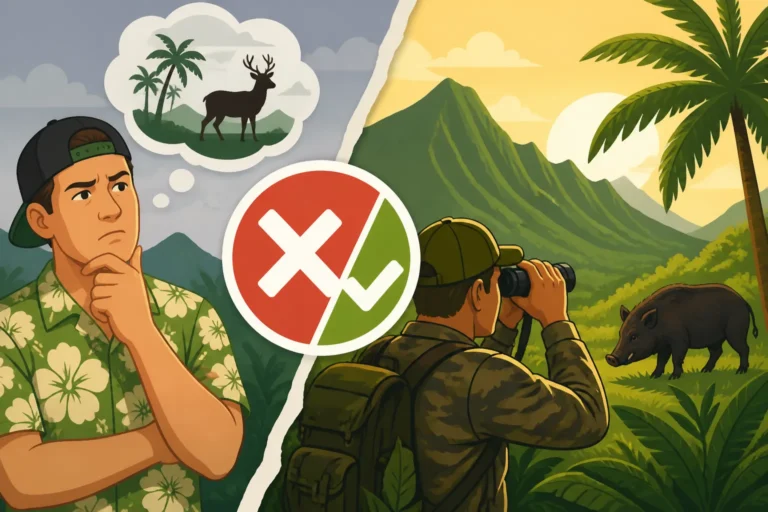
Many hunters dream of a Hawaiian adventure, picturing sunny beaches and lush rainforests. However, the reality of hunting Hawaii's mouflon sheep is a rugged, physically demanding challenge in some of the islands' most extreme terrain. This comprehensive guide is here to walk you through everything you need to know about booking a guided mouflon hunt, from understanding the unique animal and its habitat to selecting the right outfitter and preparing for an unforgettable, albeit tough, experience.
Understanding Hawaii Mouflon Hunting: The Unique Challenge
Hawaii is unlike any other hunting destination, and its mouflon sheep are a testament to that fact. These animals thrive in environments that would test even the most seasoned mountain hunter, requiring a specific approach that often benefits immensely from local expertise.
The Mouflon Species in Hawaii: History and Habitat
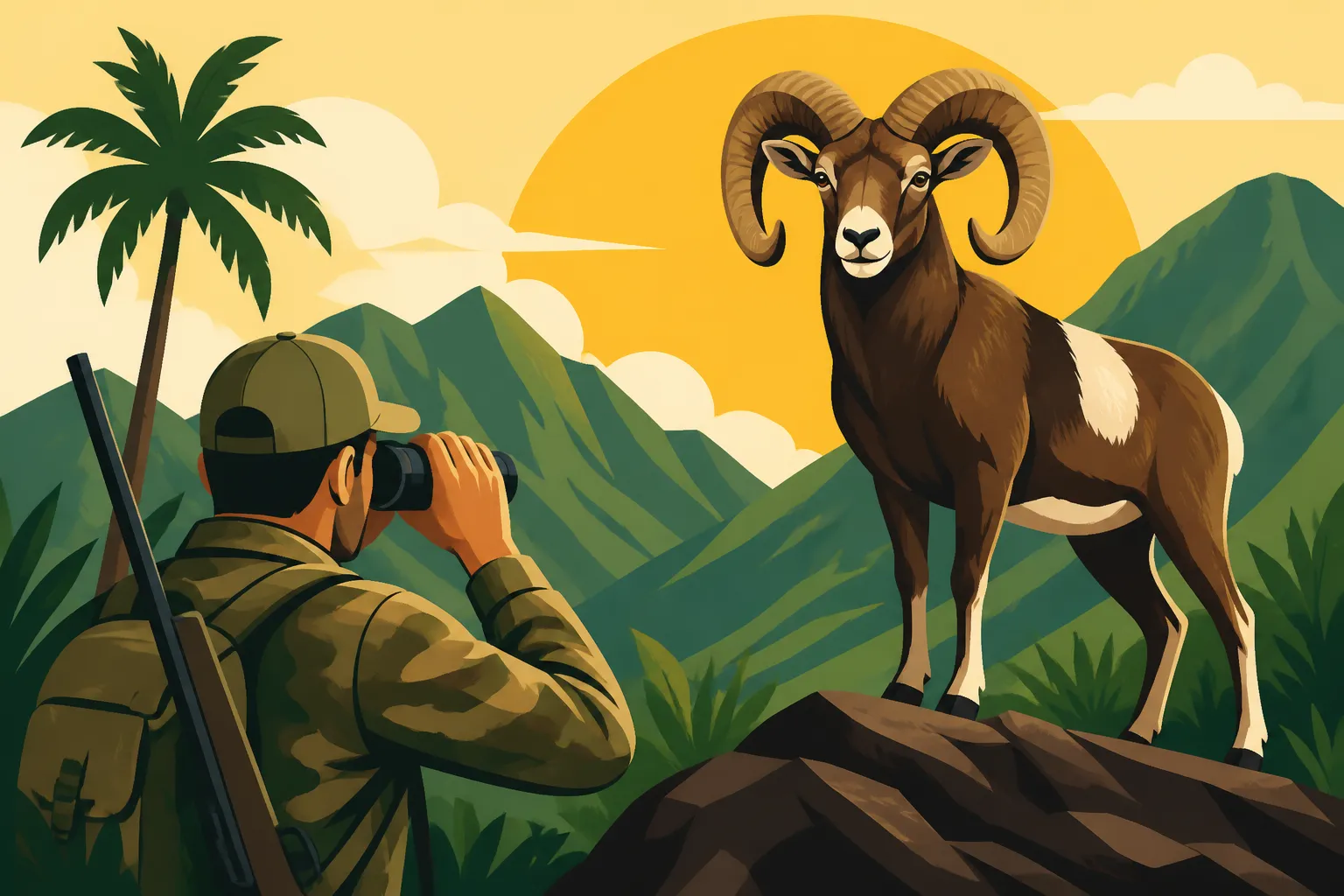
The mouflon sheep found in Hawaii are not native, of course. Like nearly all of Hawaii's game animals, they were introduced to the islands, specifically to the Big Island of Hawaii, primarily for sport hunting. They've since established robust populations, most notably in the high-elevation zones of Mauna Kea and Mauna Loa, but also on the island of Lanai. These aren't your typical domestic sheep that have gone wild; these are true wild sheep with sharp senses, incredible agility, and an uncanny ability to navigate treacherous landscapes. While pure mouflon exist, there are also hybrids with feral sheep, which can sometimes influence horn characteristics and body size depending on the specific hunting area.
Their preferred habitat is nothing short of breathtaking and brutal. You'll find them roaming the vast, open, and often stark lava flows, the steep, rocky slopes, and through the mamane-naio forests that dot the high country. On Mauna Kea, for instance, they can be found at elevations well over 7,000 feet, sometimes pushing towards 10,000 feet. This isn't just a scenic backdrop; it's a critical factor in how you hunt them. The thin air, combined with the endless, jagged lava fields and steep ascents, makes for incredibly demanding physical exertion. You’ll be covering miles over ankle-twisting terrain, often with significant elevation changes, so your fitness level will be genuinely tested.
This challenging environment forces mouflon to be incredibly resilient and elusive. They often blend seamlessly into the volcanic rock and sparse vegetation, making spotting them a skill honed over years of local experience. Their survival depends on their ability to evade predators (of which humans are essentially the only significant one here), and their keen eyesight and hearing are always on high alert. Understanding this relationship between the animal and its unforgiving home is the first step in appreciating the true nature of a Hawaiian mouflon hunt.
Hawaii's Mouflon Seasons and Regulations
Hunting mouflon in Hawaii isn't a year-round free-for-all; it's carefully regulated, and the seasons and specific rules can vary significantly by island and even by unit within an island. For instance, the main mouflon populations are on Hawaii Island (the Big Island) and Lanai. Hawaii Island typically has archery, muzzleloader, and rifle seasons, often with specific units opening at different times. Lanai also offers seasons, sometimes involving a lottery system for certain periods, which can be fiercely competitive. It's not uncommon for specific units, such as the famous Puu Waawaa on Hawaii Island, to have highly coveted drawn hunts with limited tags.
The permit-tag system is a crucial part of hunting in Hawaii, and mouflon are no exception. You'll need to understand How Hawaii's Permit-Tag System Works to ensure you're legally equipped before heading afield. For drawn hunts, the application periods are strict, and missing a deadline means missing your chance entirely. If you're a nonresident, you'll need to secure your hunting license well in advance, and then apply for specific mouflon tags or permits depending on the unit and season. The Hawaii Department of Land and Natural Resources (DLNR), Division of Forestry and Wildlife (DOFAW), is the governing body, and their website is the official source for all current regulations.
Weapon regulations are equally specific. For rifle hunting, there are minimum caliber requirements to ensure a clean, ethical kill on larger game like mouflon. You can't just show up with any rifle; typically, you'll need a centerfire rifle using expanding ammunition of a certain caliber. Similarly, muzzleloader hunters must adhere to specific bore diameters, and archers have strict draw weight and arrow/broadhead requirements. Knowing these rules, such as the Muzzleloader Caliber Minimums for Big Game, is vital. A guide will certainly keep you straight, but as a responsible hunter, it's always best to be informed yourself. These regulations are in place for safety and conservation, and they are strictly enforced to protect Hawaii's unique ecosystems and ensure sustainable hunting.
Why Consider a Guided Mouflon Hunt in Hawaii?
Given the complexities of Hawaii's terrain, regulations, and the elusive nature of mouflon, many hunters, especially those visiting from the mainland, find immense value in booking a guided hunt. It’s not just about finding the animal; it’s about safely and effectively navigating an entirely foreign hunting landscape.
Navigating Complex Terrain and Regulations
Imagine arriving on the Big Island, rental truck packed with your gear, ready to hit the mouflon grounds of Mauna Kea. You’ve looked at maps, read forums, but then you’re standing at the edge of a lava flow that stretches for miles, indistinguishable in its rocky, undulating expanse. Which way to go? Where is the best access point? Where do the sheep typically move at this time of year, or this time of day, given the wind and recent weather? This is where a local guide truly shines. They live and breathe this country. They know the subtle game trails through the dense mamane, the safest routes across jagged a'a lava, and the less obvious kipukas (islands of vegetation surrounded by lava) where sheep might seek shelter.
Beyond the physical landscape, Hawaii's hunting regulations can be a labyrinth. Each island, and even each unit, can have its own quirks. Some units are public access, some are co-managed, others require special permits or have specific check-in/check-out procedures. Understanding Hawaii's Hunting Units and How They Work is a full-time job in itself. A guide takes this burden off your shoulders. They handle the permitting, know the current season dates, understand the specific unit boundaries (which can be hard to discern on the ground), and ensure you're compliant with all local laws. This means less time stressing about logistics and more time focusing on the hunt itself. For a nonresident, especially, this local knowledge can be the difference between a frustrating, unproductive trip and a smooth, successful hunt.
Maximizing Your Chances for Success
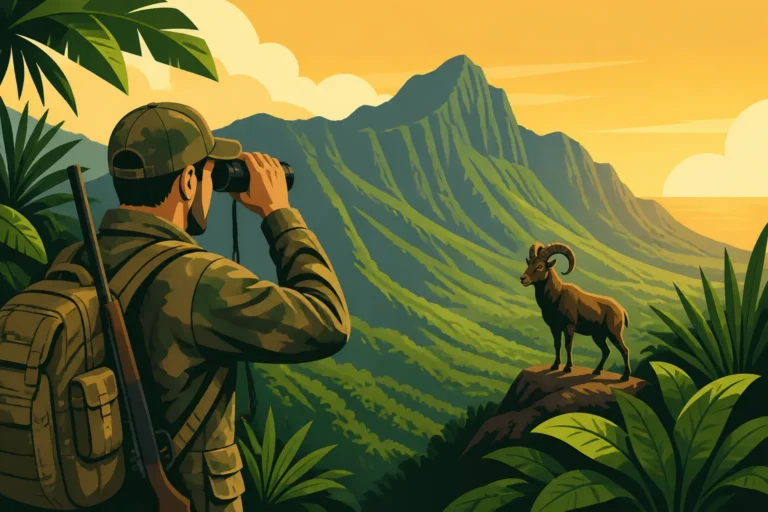
Mouflon sheep are incredibly wary animals. They have excellent eyesight and often inhabit open country where they can spot you from a long distance. A guide’s seasoned eyes are invaluable here. They know the subtle movements of the sheep, their preferred bedding areas, and common travel corridors. Glassing a Lava Flow for Mouflon Rams for hours, knowing exactly where to concentrate your efforts, is an art form. Your guide will likely have high-quality optics and the patience to pick apart vast landscapes, often spotting sheep long before you ever would. This saves precious hunting time and conserves your energy for the stalk.
Once mouflon are spotted, the guide's expertise shifts to the stalk. Hawaiian terrain can be unforgiving, with limited cover in many areas. A guide understands the wind patterns, the thermals that rise and fall with the sun, and the best approaches to get within shooting range without being detected. They know how to use the sparse vegetation, volcanic folds, and elevation changes to your advantage. Furthermore, a good guide will be adept at Judging a Mouflon Ram's Horn Curl in the field, helping you assess the age and trophy potential of an animal quickly and accurately, preventing you from mistakenly harvesting a younger ram when a larger one might be nearby. Their knowledge of mouflon behavior – where they feed, Where Mouflon Feed on Mauna Kea, where they water, and how they react to pressure – is key to putting you in the right place at the right time.
Choosing Your Mouflon Hunting Ground: Public vs. Private
When planning a mouflon hunt in Hawaii, one of the most significant decisions you'll face is whether to pursue your ram on public lands or through a private ranch outfitter. Both offer unique experiences, challenges, and rewards.
Public Land Mouflon Opportunities
Hawaii's public lands offer a truly wild and challenging mouflon hunting experience. The primary public hunting grounds for mouflon are on Hawaii Island, particularly units within the Mauna Kea area, and also on Lanai. These hunts are generally managed through a permit and lottery system by DOFAW. The allure of public land hunting is strong: it often represents a more "pure" hunting experience, where success is earned through sheer effort, skill, and a bit of luck. The cost, once you acquire your license and any necessary permits, is also typically lower than a private ranch hunt, making it attractive to budget-conscious hunters.
However, public land mouflon hunts come with significant hurdles. Tags are often limited and highly sought after, meaning you might have to apply for a draw for several years before securing a permit. The success rates on public land are generally lower than on private ranches, reflecting the increased hunting pressure, the vastness of the units, and the extreme physical demands. Access can be difficult, sometimes requiring extensive hiking over incredibly rough terrain just to reach prime hunting areas. You'll be entirely self-sufficient unless you hire a guide who can operate on public lands, and you'll need to be prepared for fluctuating weather, difficult navigation, and potentially crowded areas on opening weekends.
For the adventurous, self-reliant hunter who thrives on challenge and minimal expense, a public land mouflon hunt can be incredibly rewarding. But it requires meticulous planning, a high level of physical fitness, and a deep understanding of the local regulations and landscape. Without a guide, you'll need to dedicate significant time to scouting and studying maps to maximize your chances.
Private Ranch Mouflon Hunts
For many hunters, especially those visiting Hawaii for the first time or with limited time, booking a hunt with a private ranch outfitter is the preferred route. These ranches often encompass thousands of acres of prime mouflon habitat and manage their populations to provide consistent hunting opportunities and higher success rates. On Hawaii Island, there are several large private ranches that offer guided mouflon hunts, and this is generally where you'll find the most consistent opportunities outside of the public draws. Lanai also has large private holdings that manage mouflon populations.
The advantages of a private ranch hunt are numerous. First and foremost, success rates are typically much higher. Outfitters have exclusive access to these lands, which often means less hunting pressure and more habituated animals. Guides have intimate knowledge of their ranch's terrain and mouflon movements, leading to more efficient hunting. Additionally, private ranch hunts often include services that greatly simplify the experience: transportation within the hunting area, field dressing, sometimes even lodging and meals. This allows you to focus purely on the hunt itself, rather than worrying about logistics. While the cost is significantly higher than public land hunting, many hunters view it as a worthwhile investment for a smoother, more comfortable, and often more successful experience.
When considering private options, look for outfits that specialize in Hawaii Private Ranch Hunts. These operations understand the unique challenges and opportunities of the islands. You'll generally find that the experience is more streamlined, from securing permits (often handled by the outfitter through their private land agreements) to ensuring comfortable accommodations after a long day in the field. It's a fantastic option for those seeking a high-quality, memorable mouflon hunt with a higher probability of success and a reduced logistical headache.
| Feature | Public Land Hunt | Private Ranch Hunt |
|---|---|---|
| Access | Drawn permits, open units, specific entry points | Exclusive, managed by outfitter/ranch owner |
| Cost | Lower (license + tag fees) | Higher (package fees, often all-inclusive) |
| Success Rate | Generally lower due to pressure, challenging terrain | Generally higher due to managed populations, guide expertise |
| Physical Demand | Very high, often self-supported | Still high, but guide assists with logistics/access |
| Logistics | Hunter responsible for all permits, navigation, gear | Outfitter often handles permits, transport, some gear |
| Trophy Quality | Can be excellent, but unpredictable | Often consistent, with guides targeting specific animals |
| Crowds | Possible during open seasons, especially weekends | Minimal to none, exclusive to your hunting party |
| Experience | Raw, challenging, self-reliant | More streamlined, comfortable, service-oriented |
The Nitty-Gritty of Booking: What to Expect from an Outfitter
Once you’ve decided that a guided mouflon hunt is for you, the next step is to navigate the world of outfitters. This involves careful research, clear communication, and a thorough understanding of what you’re paying for.
Researching and Selecting a Reputable Guide
Choosing the right outfitter is paramount to a successful and enjoyable mouflon hunt. Start by doing your homework. Look for outfitters with a proven track record specifically in mouflon hunting in Hawaii. Many guides in Hawaii specialize in pigs or goats, but mouflon require a different skill set and knowledge of high-elevation terrain. Check out online resources and forums, and don't hesitate to use platforms like BookYourHunt or GoHunt, which can connect you with various outfitters and often include reviews from previous clients. While these platforms are helpful, always cross-reference and do your own due diligence.
Once you have a few potential outfitters in mind, it's time to reach out and ask questions. Don't be shy! This is your investment, and you deserve clarity. Inquire about their typical success rates for mouflon, especially for the type of animal you're hoping to harvest (e.g., trophy ram vs. meat animal). Ask what’s included in their standard hunt packages and, crucially, what is not included. Get references from previous clients and follow up with them. Ask about their guiding philosophy, safety protocols, and how they handle unforeseen circumstances like bad weather or mechanical issues. Communication is key here; a good outfitter will be responsive, transparent, and willing to answer all your questions thoroughly, helping you manage expectations effectively.
Remember that Hawaii's hunting community is relatively small, and word travels fast. A reputable guide will have a strong local standing and be known for their ethical practices and deep knowledge of the land and its animals. Look for guides who are passionate about the hunt, respectful of the environment, and prioritize your safety and experience.
Understanding Hunt Packages and Costs
The cost of a guided mouflon hunt in Hawaii can vary widely based on the outfitter, the duration of the hunt, whether it's on public or private land, and what's included in the package. Typically, a guided mouflon hunt will include the services of a professional guide, transportation to and from the hunting areas, and initial field dressing of your animal. Often, a field lunch and water are also part of the package for your hunting day. Some premium packages, especially on private ranches, might include accommodation, airport transfers, and even some meals beyond just lunch in the field.
It's equally important to understand what is not included, as these often add up. Expect to pay separately for your Hawaii hunting license and any specific mouflon permit-tags required for your hunt. Airfare to Hawaii, lodging outside of what might be specified in a premium package, and most meals will be your responsibility. Post-harvest services like meat processing, freezing, and shipping, as well as taxidermy services and shipping of your trophy, are almost always extra. Don't forget gratuities for your guide; tipping is customary and appreciated for good service. Knowing What a Hawaii Guided Mouflon Hunt Costs upfront, including all potential hidden fees, will help you budget accurately and avoid any unpleasant surprises.
Most outfitters will require a deposit to secure your booking, with the remaining balance due closer to the hunt date. Be sure to clarify their cancellation policy. What happens if you need to cancel? What if the outfitter has to cancel due to unforeseen circumstances (e.g., weather, permit issues)? Understanding these terms beforehand is essential. A clear, written contract or agreement detailing inclusions, exclusions, costs, and policies is a sign of a professional operation.
Preparing for Your Hawaii Mouflon Adventure
A mouflon hunt in Hawaii isn't a walk in the park; it's a test of endurance and preparation. Taking the time to get physically and mentally ready, as well as assembling the right gear, will greatly enhance your experience and increase your chances of success.
Physical Conditioning for High-Altitude, Rugged Terrain
This is perhaps the single most critical aspect of preparing for a Hawaii mouflon hunt, especially on the Big Island's high-elevation units. The terrain is brutal: jagged lava fields that can shred boots and ankles, steep volcanic slopes, and the thin air that accompanies elevations of 7,000 to 10,000 feet. Many hunters underestimate the combined effect of these factors. You might be accustomed to strenuous hunts at lower elevations, but adding the altitude factor changes everything. What feels like a moderate hike at sea level can become a lung-busting ordeal after a few hours at 8,000 feet.
Your preparation should focus on cardiovascular endurance, leg strength, and ankle stability. Start a rigorous training regimen months before your trip. Hiking with a weighted pack on uneven terrain is invaluable. Mimic the hunt as much as possible: hike up and down steep hills, wear the boots you plan to hunt in, and carry a pack similar to what you'll use in the field. Cardio exercises like running, cycling, or swimming will build your lung capacity. Don't neglect core strength and flexibility, which can prevent injuries when navigating rocky slopes. Consulting your doctor, especially if you have any pre-existing health conditions or concerns about high altitude, is highly recommended. Hunters often find that preparing for a sheep hunt in Hawaii is as demanding as preparing for any other serious mountain hunt; don't take Fitness for a Steep Hawaii Hunt lightly.
Essential Gear and Equipment
Packing for a Hawaii mouflon hunt requires careful consideration of the unique environment. While you might think "Hawaii = warm," the high elevations can be surprisingly cool, especially with wind, and weather can change dramatically. Layered clothing is crucial. Start with a moisture-wicking base layer, add an insulating mid-layer (fleece or puffy jacket), and top it off with a waterproof and windproof outer shell. Even if it's sunny when you start, mountain fog and rain can roll in quickly.
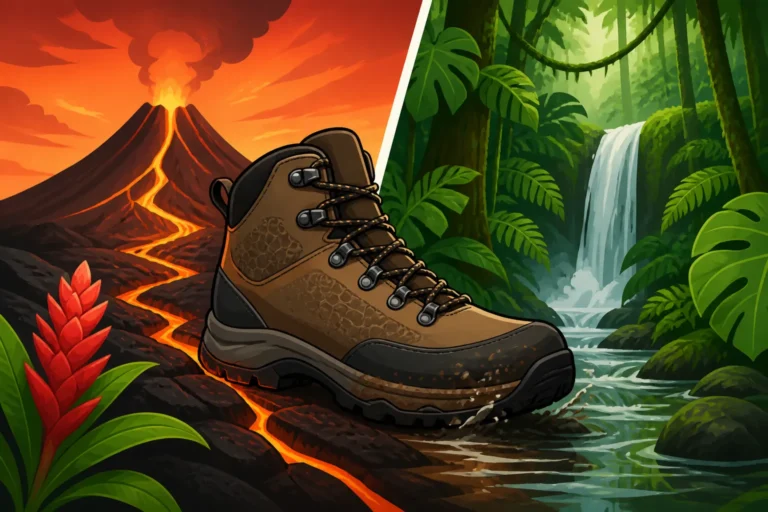
Your footwear is arguably the most important piece of gear. You need durable, ankle-supporting hiking boots with stiff soles to protect your feet from the sharp lava. Make sure they are well broken-in to avoid blisters. Bring plenty of good quality hiking socks. For optics, a good pair of 10x binoculars is essential for spotting sheep in vast terrain. Many guides also use spotting scopes, so check if your outfitter provides one or if you should bring your own. A comfortable day pack capable of carrying water, snacks, extra layers, and some emergency gear is also vital.
When it comes to weapons, if you're bringing your own rifle, ensure it's sighted in and you're proficient with it. For mouflon, a flat-shooting rifle in a caliber suitable for medium to large game is appropriate. If you're bowhunting, ensure your setup meets the Archery Equipment Rules for Big Game in Hawaii. Many guides also offer the option to Renting a Rifle From a Hawaii Guide, which can save you the hassle and potential complications of flying with firearms. Don't forget sun protection – hat, sunglasses, and high-SPF sunscreen are non-negotiable at elevation. A headlamp, first-aid kit, and a personal water filtration system or ample water bottles round out the essentials.
Beyond the Shot: Field Care and Trophy Handling
The moment you successfully harvest a mouflon ram is exhilarating, but the work isn't over. Proper field care of the meat and diligent handling of the trophy are crucial, especially in Hawaii's unique climate.
Proper Field Dressing and Meat Care in Warm Climates
Even at higher elevations on Mauna Kea or the interior of Lanai, Hawaii's climate can be warmer and more humid than what many mainland hunters are used to. This means that after a successful harvest, speed and efficiency in field dressing and cooling the meat are paramount to ensure its quality. Your guide will be instrumental in this process, often carrying the necessary tools and having the experience to quickly get the animal broken down.
The goal is to get the hide off and the body cavity opened as quickly as possible to allow heat to dissipate. Quartering the animal in the field is often necessary, especially if you’re a long way from the truck or cooler, to make it easier to pack out. For meat quality, getting the quarters into game bags and then into a cooler with ice as rapidly as possible is critical. Even a slight delay can compromise the meat, leading to spoilage or an undesirable flavor. Your guide will have a plan for meat retrieval, whether it's packing it out on foot, using a vehicle if accessible, or coordinating other means. Understanding Cooling Meat Fast on a Hawaii Hunt is not just a preference; it's a necessity. Be prepared for potentially strenuous packing; even with a guide, you may be helping to carry out meat over difficult ground.
Trophy Preparation and Shipping Logistics
If you’ve harvested a trophy mouflon ram, you'll want to ensure its horns and cape are handled correctly for taxidermy. Your guide can perform the initial caping and skull cleaning in the field. Discuss your taxidermy plans with your guide beforehand. You'll need to decide if you plan to use a local Hawaii taxidermist or ship the cape and horns back to your preferred taxidermist on the mainland. If shipping, the cape will need to be properly salted and dried, and the skull cleaned, to prevent spoilage during transit.
Shipping game meat and trophies from Hawaii requires navigating specific agricultural and transportation regulations. For meat, this usually involves having it professionally processed, packaged, and frozen, and then shipped in an insulated cooler. Companies specializing in shipping wild game can assist with this. Be aware of the costs and timelines involved; Shipping Meat Home From Hawaii can be a significant expense. For trophies, antlers or horns, along with a properly preserved cape, will need appropriate documentation for transport. Your guide or a local taxidermist (ask about Hawaii Taxidermists and Their Wait Times) can often provide advice or services for these logistical steps. Make sure you understand any federal or state regulations for transporting wildlife parts across state lines or between islands.
Troubleshooting and Important Considerations for Your Hunt
Even with the best planning, hunting in Hawaii comes with its own set of unpredictable variables. Being prepared for the unexpected and understanding the broader context of hunting in the islands will make your experience more fulfilling.
Weather, Wildlife, and Unforeseen Circumstances
Hawaii's weather, especially in the high country where mouflon roam, can be incredibly volatile. Bright sunshine can give way to dense fog, heavy rain, or strong winds within minutes. Temperatures can drop significantly as elevation increases or as the sun sets. Always pack for all four seasons, even on a single day. A hunt planned for a clear day can quickly turn into a visibility challenge with fog, making spotting game nearly impossible and navigation difficult. Be aware that Hunting a Hawaii Unit After Heavy Rain can create muddy, slippery conditions, exacerbating the physical demands.
Beyond weather, wild animals are, by nature, unpredictable. Drought conditions might push mouflon to different watering sources or higher elevations, while lush conditions might spread them out more. Hunting success is never guaranteed, and being flexible and having realistic expectations is crucial. Occasionally, unforeseen circumstances like unit closures due to wildfires, rare bird conservation efforts, or sudden changes in access can occur. While outfitters do their best to manage these, sometimes they are unavoidable. A good outfitter will communicate these issues transparently and work to find alternative solutions or reschedule if necessary. Your adventure hinges on being adaptable and understanding that you are operating within a dynamic natural environment.
Understanding Hawaii's Conservation Ethic
Hunting in Hawaii is inextricably linked to conservation, but it's a unique form of conservation. Almost all the game animals pursued here – mouflon, pigs, goats, axis deer – are introduced, or "invasive," species. They lack natural predators in the islands and can have significant negative impacts on Hawaii's incredibly fragile native ecosystems, which evolved without large grazing or rooting mammals. From decimating native plant communities to accelerating erosion and competing with endangered native species, these animals pose a serious threat.
As a hunter in Hawaii, you are participating in a vital management effort. How Hunting Fits Hawaii's Conservation Plan is not just about sport; it's about actively helping to control populations that can devastate unique flora and fauna. This context is important to appreciate. Ethical hunting practices are paramount, not just for the animals you pursue, but for the wider ecosystem. This means adhering strictly to bag limits, season dates, and unit boundaries, and always respecting private property. It also means understanding and respecting the local culture and the land, which holds deep significance for Native Hawaiians. Taking the time to learn about Cultural Etiquette on a Hawaii Hunt can enrich your experience and ensure you are a respectful visitor and participant in Hawaii's unique hunting landscape. Your actions as a hunter contribute directly to the ongoing health and balance of these beautiful, yet delicate, islands.
Disclaimer
This article is for general informational purposes only and does not constitute professional advice. Laws, prices and regulations vary by location and change over time. Consult a qualified professional for guidance on your specific situation.