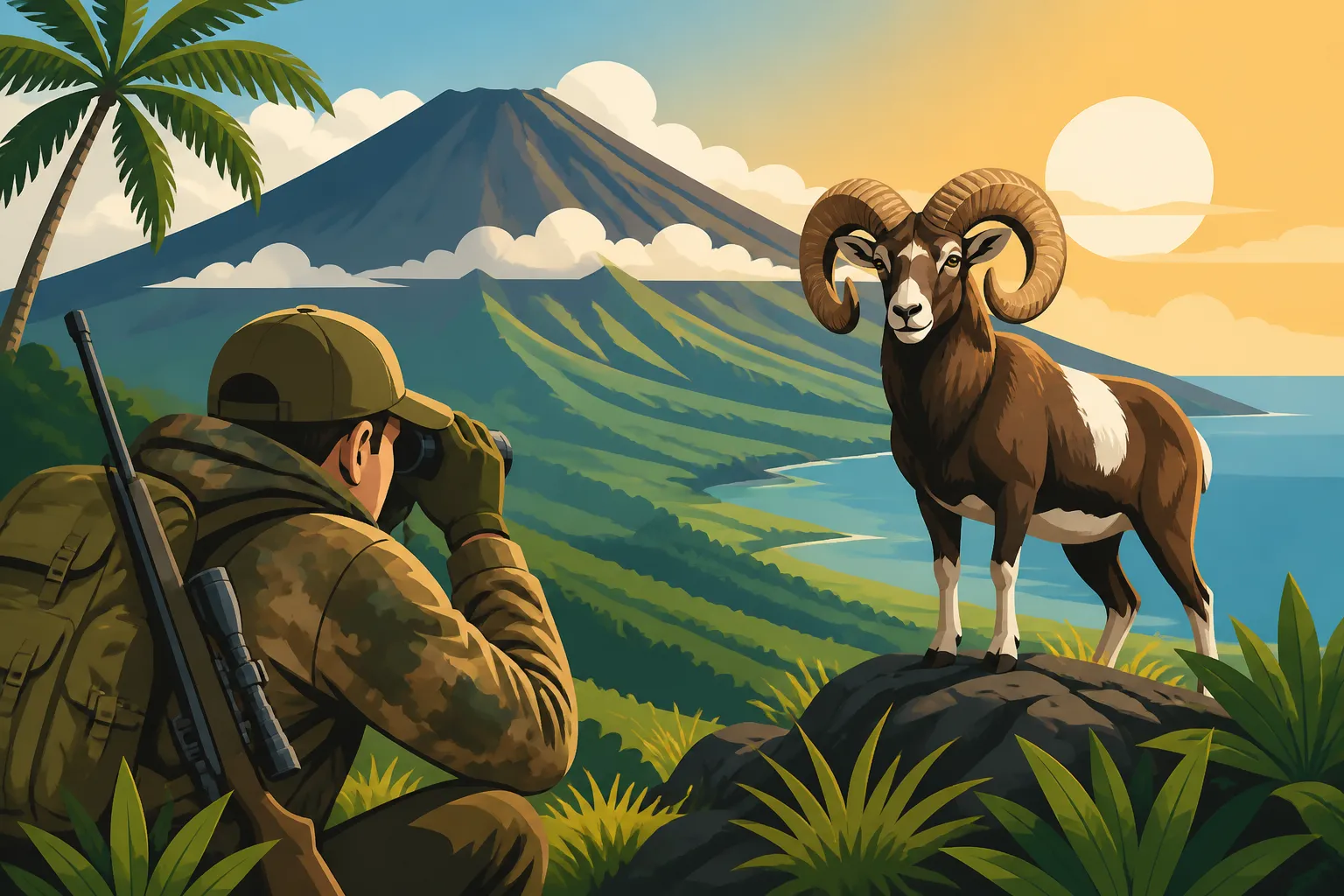
Guided Mouflon Hunts on the Big Island
Hunting mouflon sheep on Hawaii Island can be an incredible adventure, but for many hunters, especially those new to the unique challenges of volcanic terrain and high-elevation hunting, the logistics can feel overwhelming. This guide is here to walk you through everything you need to know about booking and experiencing a successful guided mouflon hunt on the Big Island, helping you navigate the complexities and maximize your chances of a truly memorable experience.
The Appeal of Guided Mouflon Hunts on Hawaii Island
Let's face it, Hawaii isn't your typical hunting destination. It's not just about finding the animal; it's about understanding an entirely different ecosystem, navigating often rugged and unforgiving terrain, and deciphering a permit system that can be quite distinct from what you might be used to on the mainland. For mouflon sheep, specifically on the Big Island, these challenges are amplified. These magnificent animals roam the high slopes of Mauna Kea, an environment that demands respect, preparation, and often, local knowledge that only a seasoned guide can provide. The frustration of trying to figure out public access points, track elusive sheep across lava flows, and understand the nuances of the weather patterns at 8,000+ feet on your own can quickly turn an exciting trip into a stressful one. A guide cuts through that noise, offering expertise, access, and peace of mind.
Navigating Mauna Kea's Unique Landscape
Imagine yourself high on Mauna Kea, the air thinning, the landscape shifting from sparse grass to jumbled lava fields, and then into patches of ancient mamane forest. This isn't flat ground, and it's certainly not always easy walking. Hunting Mouflon in Mauna Kea's Thin Air is a real consideration; the elevation alone can be a challenge for those not accustomed to it, impacting your stamina and focus. Then there's the terrain: sharp, abrasive lava rock that can shred boots and test ankles, steep volcanic slopes, and deep gulches carved by millennia of erosion. The weather can change in an instant, from clear, sunny skies to thick fog and chilling winds, even light rain. Trying to orient yourself, track animals, and stay safe in this environment without prior experience or a local expert can be incredibly difficult, not to mention potentially dangerous. A guide knows the safe routes, the hidden pockets of cover, and the subtle changes in the landscape that indicate sheep presence.
The Value of Local Expertise
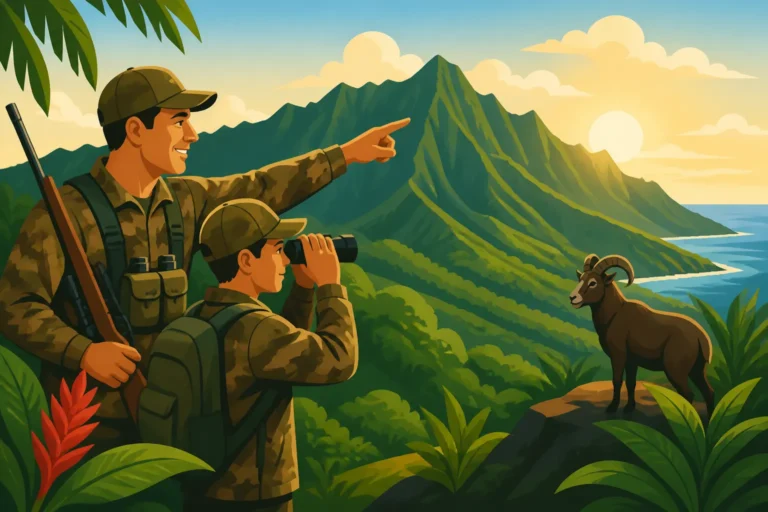
A good mouflon guide on the Big Island isn't just someone who knows how to shoot; they are essentially a walking encyclopedia of the local environment. They understand the patterns of the mouflon sheep, how they react to weather, pressure, and the availability of water or forage. They know the subtle nuances of reading mouflon sign in specific areas, where rams might be bedding down during the heat of the day, or where they descend to feed. This isn't knowledge you can get from a map or a few online forums. It comes from years of boots-on-the-ground experience, observing these animals day in and day out. They often have access to private ranch lands adjacent to public hunting areas, which can significantly increase your chances of finding a trophy ram and expanding your hunting opportunities beyond the typically more pressured public grounds. This local expertise is the difference between a frustrating search and a targeted, efficient hunt.
Permit and Access Complexities
Hawaii's hunting regulations, particularly for public lands, can be confusing, especially for non-residents. There are specific units, drawn hunts, and permit-tag requirements that vary by island and species. For mouflon, especially on the Big Island, you often need to navigate the Hawaii's Permit-Tag System Works for specific units and seasons. Some hunts are general public, while others are special lottery draws. Knowing which permits you need, how to apply for them, and understanding the specific season dates for units like Puu Waawaa or the Mauna Kea Game Management Area is crucial. A guided hunt often means the outfitter can assist with, or at least clearly advise on, the permit acquisition process, ensuring you have all the necessary paperwork in order before you even step foot in the field. They can also clarify rules around Hawaii's Drawn Hunts and Lotteries if you are interested in applying for those more limited opportunities.
What to Expect from a Big Island Mouflon Outfitter
When you decide to book a guided mouflon hunt on the Big Island, you're investing in an experience. Knowing what to expect can help you prepare and ensure you get the most out of your trip. These hunts are typically physically demanding, requiring a good level of fitness, but the rewards of chasing these wild sheep across stunning volcanic landscapes are immense.
Typical Hunt Structure and Duration
Most guided mouflon hunts on the Big Island are either day hunts or multi-day packages. A day hunt might involve an early start, meeting your guide well before dawn, and heading up the mountain in a 4×4. You'll spend the day Glassing a Lava Flow for Mouflon Rams and actively Spot-and-Stalk Tactics on Open Country, covering significant ground on foot. For multi-day hunts, arrangements vary. Some outfitters might provide lodging at a nearby ranch house or suggest local accommodations, while others are purely guiding services, leaving lodging up to you. The physical demands are consistent: expect to walk several miles a day, often uphill and over uneven ground, carrying your rifle, a daypack, and plenty of water. It's a true mountain hunt, even if it's on an island! Outfitters will often discuss your fitness level beforehand to ensure they tailor the hunt to your capabilities, or at least set realistic expectations.
Gear and Equipment Provided vs. What You Need
One of the big advantages of a guided hunt is the potential to reduce the amount of gear you need to bring, especially if you're flying in from out of state. Many Big Island mouflon guides offer rifle rentals, complete with optics, which can save you the hassle and expense of Flying to Hawaii With Firearms and the subsequent firearm registration process. They'll also typically provide high-quality spotting scopes and binoculars for extended glassing.
However, there's still plenty you'll need to bring yourself. Good quality, broken-in hiking boots are paramount for Walking Rough Lava Without Wrecking Your Boots. Layers of clothing are essential due to the rapidly changing mountain weather – think synthetic base layers, fleece, and a good waterproof/windproof outer shell. Sun protection (hat, sunglasses, sunscreen) is also critical at high elevations. Discuss with your outfitter exactly what they provide and what they expect you to bring. They'll likely have a detailed packing list tailored to their specific hunts.
| Item Type | Typically Provided by Guide | Hunter Responsible For | Notes |
|---|---|---|---|
| Firearm | High-caliber rifle, optics | Personal rifle (optional) | Guides may offer rentals; verify caliber minimums for big game. |
| Optics | Spotting scope, tripod, binoculars | Personal binoculars (optional) | High-quality glass is essential for spotting mouflon. |
| Transportation | 4×4 to hunting area | Rental car to meeting point | Be prepared for rough roads to access hunt units. |
| Water/Snacks | Often provided | Extra personal water, preferred snacks | High elevation requires constant hydration. |
| First Aid | Basic kit | Personal medications, any specific needs | Guide will have emergency protocols. |
| Clothing | None (unless specific camo is requested) | Layered clothing, waterproof shell | Temperatures and weather can change drastically. |
| Footwear | None | Sturdy, broken-in hiking boots | Crucial for traversing lava rock and uneven terrain. |
| Permits/Licenses | Guidance on process | Purchase of license and tags | Guide ensures you have correct paperwork. |
| Field Dressing | Tools, assistance | Game bags (optional) | Guide will assist; be prepared for Field Dressing Axis Deer in Hawaii Heat. |
Scouting and Animal Locating Strategies
Big Island mouflon hunting is predominantly a spot-and-stalk affair. Your guide will likely spend considerable time before and during the hunt glassing expansive slopes, cinder cones, and lava flows, searching for the tell-tale shapes of sheep. They're looking for movement, color contrasts, and patterns that indicate rams. Mouflon blend in incredibly well with the volcanic landscape, and their elusive nature makes keen observation skills vital. Hunting Mouflon on Hawaii's Highest Slopes means looking at vast stretches of open country.
Once sheep are spotted, the real work begins: planning a careful stalk to get within shooting range. This involves reading the wind (which can be tricky in the mountains with shifting thermals), using the natural contours of the land for cover, and moving slowly and deliberately over often noisy lava rock. The guide's experience in judging distances, assessing terrain, and anticipating animal movement is invaluable here, particularly when trying to get a closer look to Judging a Mouflon Ram's Horn Curl to determine if it's a shooter.
Choosing the Right Big Island Mouflon Guide
Selecting the right outfitter is crucial for a successful and enjoyable mouflon hunt. Not all guides are created equal, and it's important to do your homework to find someone reputable and experienced who aligns with your hunting style and expectations.
Vetting Potential Outfitters
Start by researching guides who specialize in mouflon on the Big Island. Look for outfitters with a strong track record and positive reviews. Don't be afraid to ask for references from past clients, and actually follow up with them. When you speak to potential guides, ask specific questions:
- How long have they been guiding mouflon on the Big Island?
- What is their typical success rate for mouflon? (Be realistic; a "guaranteed" kill is a red flag.)
- What hunting units do they primarily operate in? Do they have access to private land?
- What is the average size of rams taken by their clients?
- What happens if weather conditions prevent a hunt? What's their cancellation/rescheduling policy?
- What are their safety protocols for high-elevation hunting?
Websites like BookYourHunt can be a useful starting point for discovering outfitters, reading initial reviews, and seeing what types of packages are generally available. Just remember to always follow up with direct conversations and reference checks before committing.
Understanding Costs and Inclusions
Guided hunts are an investment, and the costs can vary significantly depending on the outfitter, duration, and what's included. Expect mouflon hunts on the Big Island to be a premium experience. When reviewing pricing, make sure you understand exactly what is covered and what is not.
Typical inclusions might be:
- Guide services for the duration of the hunt
- Transportation to and from the hunting unit from a designated meeting point
- Field dressing and initial packing out of your animal
- Use of optics
- Water and snacks during the hunt
Common exclusions (which you'll need to budget for separately) often include:
- Hawaii hunting license and permit-tag fees: You'll need to secure your Hawaii Hunting Licenses and What They Cost and any necessary tags. Services like GoHunt can help you navigate these requirements.
- Travel to Hawaii Island (flights, rental car to meet guide)
- Lodging and meals outside of the actual hunt days
- Meat processing beyond field dressing (e.g., butchering, vacuum sealing, freezing)
- Shipping of meat, cape, or horns back home
- Taxidermy services
- Gratuities for the guide
Make sure you have a clear understanding of the total financial commitment before booking.
Booking Your Hunt and Important Considerations
Once you've chosen an outfitter, be prepared to put down a deposit to secure your dates. Guided hunts, especially for desirable species like mouflon, can book up quickly, sometimes a year or more in advance.
Beyond the financial commitment, physical preparation is key. Start a rigorous fitness regimen well in advance that includes cardiovascular exercise and hiking with weight, ideally on inclines, to prepare for the high-elevation, rugged terrain. Discuss any medical conditions with your guide, especially if you have concerns about altitude.
Finally, remember that hunting is never a guarantee. While a guide greatly increases your odds, the term "hunt" means exactly that—it's not a trip to the grocery store. Go into it with a realistic mindset, ready to enjoy the incredible experience of Mouflon Sheep on Hawaii's Volcanoes, the stunning views, and the challenge, regardless of the outcome.
The Hunt Itself: Strategies and Success
So you've done your homework, booked your hunt, and arrived on the Big Island ready for action. What will the actual hunt day be like, and how can you maximize your chances for success and ensure a responsible, ethical experience?
Spot-and-Stalk in High Elevation
The core of a mouflon hunt on Mauna Kea is the spot-and-stalk method. You and your guide will spend hours patiently glassing the slopes. This involves using high-powered binoculars and spotting scopes to scan vast areas, looking for the tell-tale shapes and movements of sheep. Mouflon often blend perfectly with the lava, so patience is paramount. Once a ram is spotted and deemed a shooter, the stalk begins. This is where your guide's knowledge of the terrain and animal behavior truly shines. They'll plan the route, identifying natural cover like rock formations or gulches, and constantly checking the wind to ensure you approach undetected. This often means long, slow movements, sometimes crawling, over sharp lava rock. It's physically demanding and requires focus and discipline. Remember, your guide is leading the way; follow their instructions implicitly regarding movement, noise, and when to stop and glass. This disciplined approach is essential when Hunting Mouflon in Hawaii's Mamane Forest or across barren lava fields.
Field Care and Trophy Handling
Once you've successfully taken a mouflon ram, the work isn't over. Proper field care is critical in Hawaii's sometimes warm and humid conditions, even at higher elevations. Your guide will assist you with Field Dressing Axis Deer in Hawaii Heat, which applies equally to mouflon. This involves gutting the animal quickly to allow the carcass to cool down as rapidly as possible. If you plan to take the meat, prompt cooling helps preserve its quality. Many hunters on mouflon hunts are also interested in the trophy horns, so caping and skinning for a taxidermy mount will also be expertly handled by your guide in the field. They'll make sure the cape is prepared correctly to ensure a beautiful mount later on. Discussions about meat and trophy care should happen with your guide before the hunt so everyone is on the same page about your expectations.
What to Do If You Don't Tag Out
It's important to approach any guided hunt with a realistic mindset. While outfitters work incredibly hard to put you on animals, nothing is guaranteed in hunting. Sometimes the sheep just aren't cooperating, or the weather turns, or you simply don't get a shot opportunity. If you don't tag out on your mouflon hunt, try to focus on the incredible experience you've had. You've hunted a unique species in a truly spectacular, challenging environment. You've seen parts of Hawaii most tourists never will, learned from an experienced local hunter, and tested your skills and endurance. Many outfitters offer options for future hunts at a reduced rate if you don't tag out, or they might allow you to pursue other available species like feral goats or pigs (if permits and seasons allow) as an alternative. Don't let the lack of a trophy overshadow the adventure and natural beauty of Hunting Hawaii's High Elevation Alpine Ground.
Disclaimer
This article is for general informational purposes only and does not constitute professional advice. Laws, prices and regulations vary by location and change over time. Consult a qualified professional for guidance on your specific situation.