Flying Into Hawaii With a Rifle Case
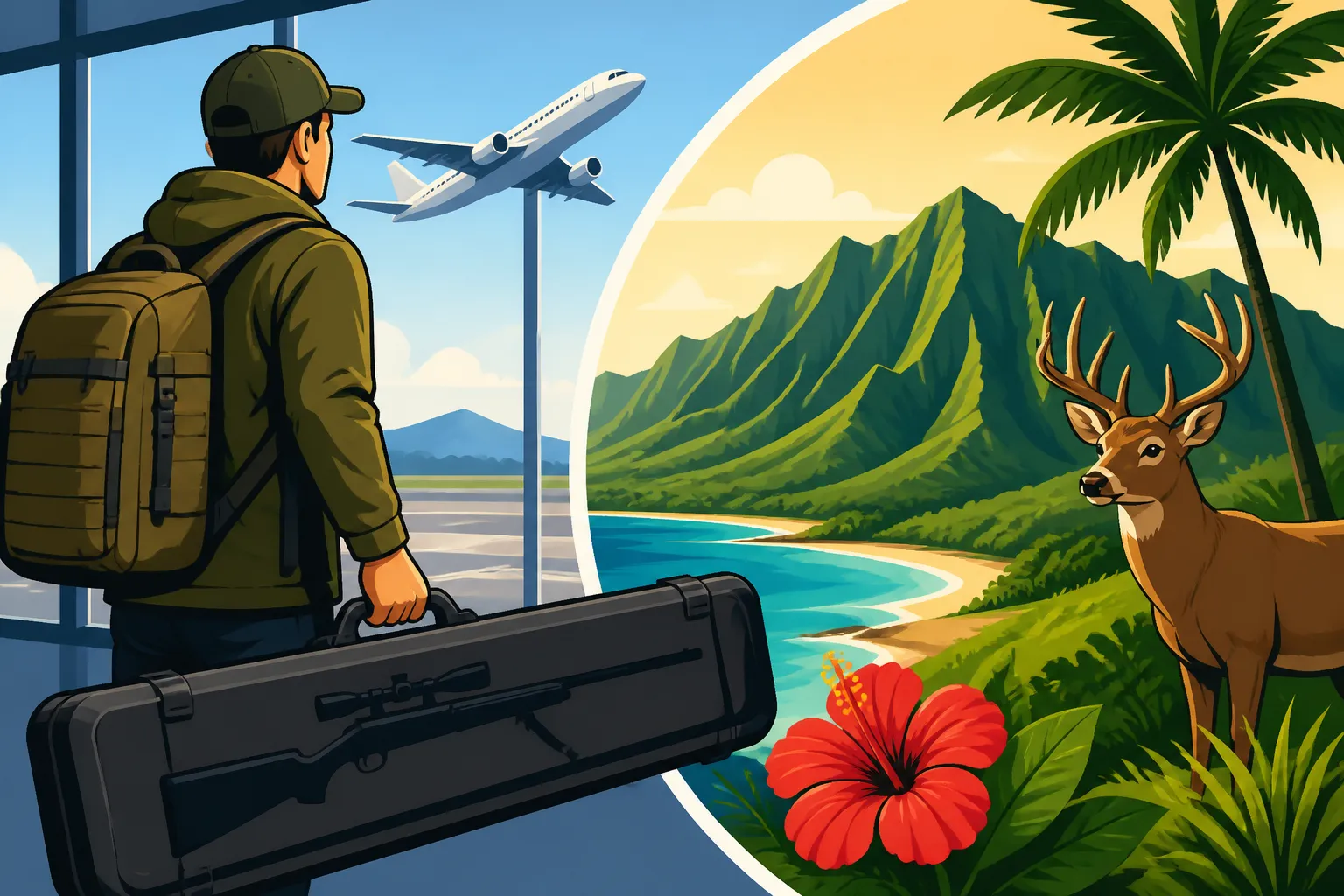
Ah, the distinct flutter of excitement mixed with a knot of anxiety – that's often the feeling when you're planning a Hawaii hunting trip and realize you need to bring your trusty rifle. Getting your firearm safely and legally to our beautiful islands isn't quite as simple as tossing it in with your clothes. There are specific hoops to jump through, and misunderstanding them can turn your dream hunt into a real headache at the airport. This guide is all about taking the mystery and stress out of transporting your rifle case to Hawaii, detailing federal guidelines, local requirements, and practical tips to ensure your gear arrives ready for action.
Understanding the Initial Anxiety of Flying with Firearms
Let's be real, the idea of flying with a firearm can be intimidating for anyone, even seasoned hunters. We live in a world where security is paramount, and gun laws vary wildly from state to state, let alone between the mainland and an island paradise like Hawaii. It’s natural to feel a bit of trepidation, wondering if you're going to accidentally break some obscure rule or face unexpected delays that jeopardize your precious hunting time.
Why Hawaii Feels Different for Gun Owners
Hawaii, being an island state, already feels a bit removed from the continental US. This sense of isolation, combined with its unique political landscape and often stricter interpretations of gun regulations, can make the process seem even more daunting. You might have heard stories, or maybe it’s just a gut feeling, that Hawaii treats firearms differently. And to some extent, that's true. While your federal rights are largely protected, the state has its own very specific requirements, especially regarding registration and local permits. It's not like driving across state lines on the mainland where you might just confirm reciprocity and keep going. Here, there's a definite process you need to follow upon arrival. Many hunters wonder about things like Hawaii's Legal Weapons by Season and how that might affect their choice of rifle, even before they consider the travel logistics.
Dispelling Common Misconceptions
One of the biggest sources of anxiety comes from misinformation or outdated advice. Many folks assume that flying means their gun will be treated like contraband, or that they'll be grilled by every security agent they encounter. While vigilance is certainly part of the process, it's a regulated one. Your firearm isn't "confiscated" if handled correctly; it's declared and checked. Another common misconception is that you need some kind of "special" federal permit to bring a personal hunting rifle to Hawaii. For law-abiding citizens transporting their own firearms for lawful purposes, this generally isn't the case for the transport itself, but rather the possession upon arrival, which ties into state registration. We're here to clarify these points, so you can focus on the hunt, not the worry.
Federal Regulations: Your First Layer of Defense
Before you even think about Hawaii's specific rules, you've got to understand the fundamental federal regulations set by the Transportation Security Administration (TSA) and the individual airlines. These are your baseline requirements, no matter where in the U.S. you're flying. Messing up here can mean missing your flight, or worse.
TSA Guidelines for Checked Firearms and Ammunition
The TSA's rules are designed for safety and security, and they're quite clear when you know where to look. Here's the gist:
- Unloaded and Declared: Your firearm must be unloaded, and you must declare it to the airline at the check-in counter. This isn't a suggestion; it's a non-negotiable step. They'll have you sign a declaration tag, which is usually placed inside the case.
- Locked, Hard-Sided Container: Your firearm must be in a hard-sided container that is locked. This isn't just any lock, either – it must be a lock that only you have the key or combination to. TSA-approved locks are generally not permitted for firearm cases, as they can be opened by others. The intent is for you to maintain sole control.
- Ammunition Rules: Ammunition can be transported in the same locked, hard-sided case as the firearm, or in a separate one. It must be securely packed in a box or other container specifically designed to carry small arms ammunition. This often means the original manufacturer's box, or a sturdy plastic ammo case. It cannot be loose in the case. There are also weight limits, typically 11 pounds per passenger, though this can vary by airline. For more specifics, checking Ammunition Rules Worth Knowing Before You Fly is a smart move.
- Magazines and Clips: Loaded magazines or clips are considered the same as loaded firearms and are not allowed. All magazines must be unloaded.
These rules are non-negotiable. Always double-check the current TSA guidelines on their official website before any trip, as they can occasionally update.
Navigating Individual Airline Policies
While the TSA sets the federal floor, individual airlines can, and often do, have stricter policies. Think of the TSA rules as the minimum; airlines might add extra layers. For example, an airline might have a stricter limit on ammunition weight than the TSA, or require specific types of locks, though the "only you have the key" rule usually trumps universal TSA locks for the firearm itself.
It is absolutely crucial to check your specific airline's website well in advance of your travel date. Look for their "Special Baggage" or "Firearms" policy section. Don't rely on what you remember from a previous trip or what a friend told you. Print out their policy and bring it with you to the airport, just in case there's any confusion with airline staff. Believe me, having it in black and white can save you a lot of hassle.
Essential Gear: The Right Rifle Case and Locks
Your rifle case isn't just a container; it's a crucial part of your compliance strategy.
- Hard-Sided is Non-Negotiable: Forget soft cases for air travel. Your rifle needs a case made of robust plastic, aluminum, or a similar rigid material that can withstand the bumps and jostles of baggage handling. It needs to fully enclose the firearm.
- Quality Locks: Invest in good, sturdy padlocks. As mentioned, these should not be TSA-approved locks. You need locks that only you can open. Many hunters opt for several locks on their case for added security and peace of mind. Make sure the case itself has strong latch points that can't be easily pried open.
- Internal Padding: While not a federal regulation, good internal padding (foam cutouts or dense egg crate foam) is essential to protect your rifle from shifting and damage during transit. The last thing you want is to arrive in Hawaii with a damaged scope or a bent barrel.
| Requirement | TSA Rule (Federal) | Best Practice for Hawaii Travel |
|---|---|---|
| Firearm Status | Unloaded, declared at check-in | Unloaded, declared; check chamber and magazine well multiple times |
| Container | Hard-sided, locked | Durable, hard-sided, multiple strong locking points |
| Locks | Owner retains key/combo; NOT TSA-accessible | High-quality padlocks; at least two, not TSA-approved |
| Ammunition | Securely packed in original/specific container; separate from firearm optional | Original boxes or sturdy ammo cans; keep separate if airline allows/prefers |
| Declaration | Verbal declaration at counter, signed tag inside case | Verbally declare, show airline policy if needed, ensure tag is placed |
| Magazines | Unloaded | All magazines completely empty |
Hawaii's Specific Requirements for Firearm Registration
Once you land in Hawaii, the state's unique firearm laws come into play. This is where many mainland hunters encounter the most confusion, as it's a process that's quite different from most other states. The key takeaway is that you must register your firearm upon arrival. This isn't just for residents; it applies to non-residents bringing firearms into the state as well. Knowing about Hawaii Rules on Bringing a Firearm to the Islands is just the first step.
What to Expect Upon Arrival at the Airport
When you land at Honolulu (HNL), Kahului (OGG), Kona (KOA), or any other port of entry, after you collect your checked baggage, you'll need to go to the airport police substation or designated area. The airline will typically inform you where this is during the check-in process on the mainland, or a baggage handler might direct you.
At the police substation, you will present your firearm case, your identification, and your airline declaration. An officer will inspect the unloaded firearm, verify your identity, and begin the process of issuing you a temporary permit for possession. This is why having your Hawaii hunting license in order, which you might have secured through a platform like GoHunt, can sometimes streamline the conversation, as it clearly indicates your purpose for the firearm. The registration process itself is what you'll typically need to handle. The officer will guide you through the necessary paperwork for the state’s firearm registration. This step is critical; do not leave the airport with your firearm before completing this registration or obtaining the proper temporary permit.
The Local Police Department Registration Process
The airport police substation is usually where the initial contact and temporary permit happen. However, depending on your island of arrival and your specific circumstances (e.g., if you're staying for an extended period or need further clarification), you might need to visit a main police department station in Honolulu, Kahului, Hilo, or Lihue.
For non-residents, the process usually involves:
- Application: Filling out a "Permit to Acquire a Firearm" application.
- Background Check: While often expedited for non-residents with valid out-of-state permits or hunting licenses, a background check is still part of the process.
- Firearm Inspection: The officer will inspect your firearm, record its make, model, and serial number.
- Temporary Registration: You'll be issued a temporary registration certificate, valid for a specific period (often 90 days, but verify current regulations). This legally allows you to possess your firearm in Hawaii for your hunting trip.
It's a bureaucratic step, but it's vital for staying on the right side of the law. Remember, even if you’ve already gone through hunter education and received your Hawaii Hunter Education Requirements certificate on the mainland, that doesn’t bypass the local firearm registration. Registering a Firearm After Arriving in Hawaii is a distinct and mandatory step.
Temporary Permits for Non-Residents
The temporary permit is what allows you to legally possess your firearm during your stay. Without it, you could face serious legal trouble. The duration of this permit is generally sufficient for a typical hunting trip, but if you're planning an extended stay or multiple trips within a short period, you'll need to understand the renewal process or the maximum allowed duration. It’s always best to ask the officers at the substation for clarity on the validity period and any extension possibilities for your specific situation. This permit doesn't just apply to public land hunts; if you've booked a hunt on a private ranch, the same rules apply.
Practical Tips for a Smooth Journey
Knowing the rules is one thing, but making the whole experience as smooth as possible involves a bit of smart planning and a few practical considerations.
Pre-Trip Checklist for Peace of Mind
Let's break down a solid checklist to make sure you haven't forgotten anything:
- Confirm Hunting License & Permits: Make sure your Hawaii hunting license is valid and that you have any necessary tags or permits for the specific game you're after (e.g., axis deer, mouflon sheep, pigs). You can often sort this out through the DOFAW website or third-party platforms.
- Airline Firearm Policy: Print out your specific airline's current firearm policy from their website. Keep it handy with your travel documents.
- TSA Guidelines: Review the latest TSA regulations for firearms and ammunition.
- Hawaii State Firearm Laws: Familiarize yourself with Hawaii's state laws regarding firearm possession and registration for non-residents.
- Ammunition & Case: Ensure your ammunition is properly packed in sturdy, designated containers. Your rifle case should be hard-sided and secured with non-TSA locks where only you have access.
- Firearm Condition: Double-check that your rifle is completely unloaded, including the chamber and magazine. Remove any detachable magazines.
- Documentation: Have your government-issued ID, hunting license, and any other relevant permits readily accessible.
- Plan Airport Arrival: Factor in extra time at both your departure and arrival airports. Declaring a firearm and completing the registration process in Hawaii can add significant time to your travel day. Rushing through this will only add stress.
- Consider Alternatives: If the thought of flying with your rifle is still too much, remember that Renting a Rifle From a Hawaii Guide is often an option. Many outfitters provide firearms for their clients, and this completely bypasses the need for you to transport your own. Platforms like BookYourHunt often list guided trips where rifle rental is part of the package.
Inter-Island Travel Considerations
So, you've successfully landed on Oahu, registered your rifle, and now you're planning to fly to Maui for an Axis Deer Hunting in Hawaii trip. Does the whole process start over? Not quite, but there are still things to know.
When traveling between islands with your registered firearm:
- Re-declare with Airline: You will still need to declare your firearm to the airline at check-in for each inter-island flight. The same federal and airline packing rules (unloaded, locked hard case, proper ammo storage) apply.
- No Re-registration: Since you've already completed the initial state registration process upon your first arrival in Hawaii and received your temporary permit, you generally won't need to re-register the firearm on each subsequent island. Your temporary permit covers possession throughout the state for its duration.
- Carry Your Permit: Always carry your Hawaii temporary firearm permit with you, along with your hunting license and ID, when traveling between islands with your rifle. Officers may ask for it.
- Smaller Airport Procedures: Be aware that smaller inter-island airports might have less frequent staff or different procedures for firearm declarations compared to the major international hubs. Again, allow extra time.
Understanding Inter-Island Flights With a Firearm is key to a smooth multi-island hunting adventure.
What to Do If There's a Hiccup
Even with the best planning, sometimes things don't go exactly as expected. Here's how to handle common issues:
- Airline Confusion: If an airline agent seems unfamiliar with firearm policies, politely refer them to their own company's printed policy (which you wisely brought with you!) or ask to speak with a supervisor. Remain calm and firm, but always respectful.
- TSA Inspection: The TSA may ask to inspect your firearm after you've declared it and checked your bag. They usually do this away from the public eye. You must be present for this inspection. They will ask you to unlock the case, they'll inspect it, and then you'll re-lock it. Never leave your firearm unlocked or unattended.
- Lost Baggage: In the unlikely event your checked rifle case is delayed or lost, immediately notify the airline and insist that they flag it as containing a declared firearm. This requires special handling. Keep all your declaration receipts and baggage tags.
- Registration Issues: If there's an unforeseen problem with your firearm registration at the airport police substation, don't panic. Clearly explain your purpose (hunting), show all your documentation (hunting license, ID), and politely ask for clarification or assistance. Remember, the officers are there to enforce the law, but also to help you comply. If a guide told you they'd handle registration, remember What a Hawaii Guide Cannot Do for You – you are ultimately responsible for your firearm's legal status.
By being prepared, patient, and polite, you can navigate any challenges that arise and ensure your rifle arrives safely and legally for your Hawaii hunting adventure.
Disclaimer
This article is for general informational purposes only and does not constitute professional advice. Laws, prices and regulations vary by location and change over time. Consult a qualified professional for guidance on your specific situation.