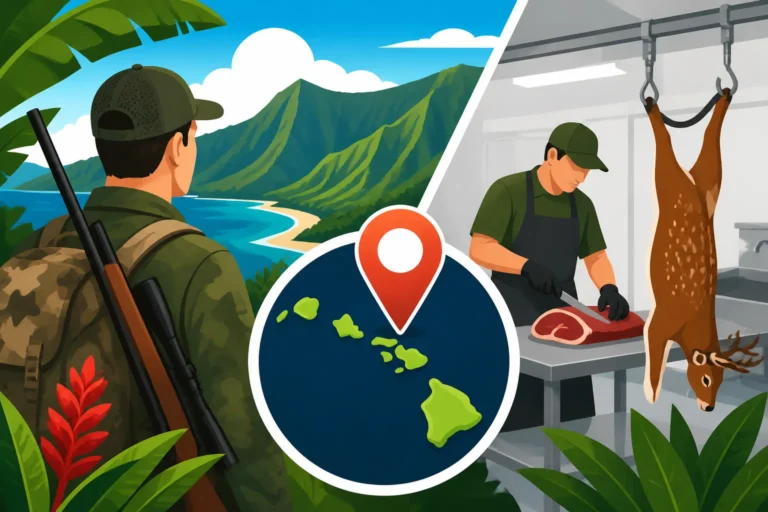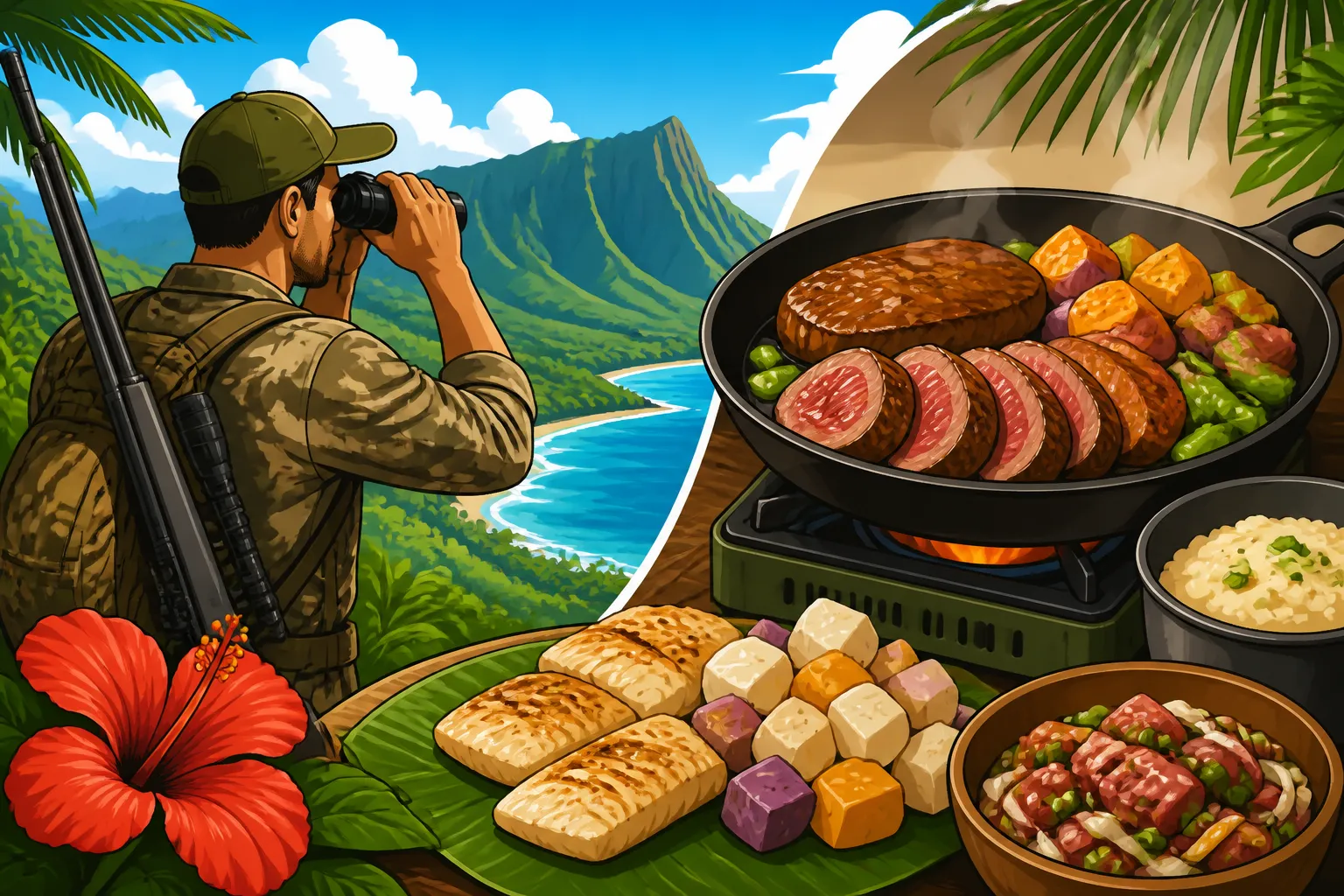
Meals and What Camp Food Looks Like
When you're planning a hunting trip to Hawaii, it's easy to get caught up in the excitement of tracking axis deer or chasing pigs through the jungle. But let's be real, after a long day on the mountain or trudging through a wet forest, your stomach is going to be rumbling. Figuring out what to eat, how to keep it fresh, and how to cook it in the often challenging Hawaiian environment is a legitimate concern for many hunters, especially if you're used to mainland conditions. This guide is all about helping you navigate the unique world of camp food and meal planning for your Hawaii hunting adventure, ensuring you stay fueled and focused.
The Unique Challenges of Hawaii Camp Food
Hunting in Hawaii isn't like hunting in the Rockies or the Midwest. The islands present a very specific set of environmental factors that dramatically impact your food planning. You're not just thinking about calories; you're thinking about spoilage, weight, and the availability of fresh ingredients in remote locations. Ignoring these challenges can lead to a miserable, under-fueled hunt.
Dealing with Heat and Humidity
Hawaii's tropical climate means persistent heat and humidity, especially at lower elevations and in the dense, windward forests. This environment is notorious for making food spoil rapidly. Fresh meat, dairy, and many vegetables simply won't last long without proper refrigeration, which is often a luxury you won't have in the field. Even packaged goods can degrade faster than you'd expect. Imagine bringing a nice block of cheddar cheese for your sandwiches only to find it sweating and molding after a day in your pack – it's a quick way to kill morale. This means prioritizing shelf-stable options or having a rock-solid cooler strategy.
Many hunters operating in these conditions learn quickly to rely on insulated bags and dry ice or frozen water bottles for shorter trips, or to adapt their entire menu to items that don't require refrigeration. It’s a constant battle against nature trying to reclaim your provisions, and it requires vigilance. You can't just throw things in a backpack and hope for the best; thoughtful selection and robust storage are paramount.
Remote Access and Limited Supplies
A lot of Hawaii's prime hunting ground is pretty remote. We're talking about units tucked away in vast forest reserves or high up on volcanic slopes that are only accessible by rough 4WD roads or long hikes. This means resupplying during a multi-day hunt is often out of the question. You have to pack in everything you'll need, which puts a premium on lightweight, calorie-dense foods. Forget about bringing that bulky bag of chips or a case of soda; every ounce counts when you're hiking into Hunting Hawaii's High Elevation Alpine Ground or Walking In to a Remote Hawaii Unit.
Furthermore, once you're on the island, finding specialty camping foods can be tough. While major grocery stores exist in population centers, smaller towns near hunting units might have very limited selections. It’s a good idea to bring any specific dietary items or hard-to-find backpacking meals with you from the mainland, or plan on making a big provisioning run in a city like Hilo, Kona, or Kahului before heading out to camp. Planning ahead for provisions is just as important as planning your shot placement.
Planning Your Meals for a Hawaii Hunt
The key to successful camp food in Hawaii is meticulous planning. Your approach will differ significantly depending on whether you're doing a single-day outing or a multi-day expedition, and whether you're going guided or self-guided.
Day Hunts and Quick Bites
For shorter, single-day hunts, especially those on a weekend-only unit or areas where you can drive close to your hunting spot, your food needs are much simpler. You're not worried about long-term storage or elaborate cooking. The focus here is on easily portable, energy-packed snacks and a solid lunch that won't go bad in your pack by midday. Think about what will give you sustained energy without weighing you down or creating a mess.
Good options include high-calorie energy bars, trail mix with plenty of nuts and dried fruit, jerky (local Maui or Big Island jerky can be a real treat!), and hearty sandwiches made with shelf-stable ingredients like peanut butter and jelly or pre-cooked sausage. Apples and oranges can also hold up well in a backpack and offer refreshing hydration. The goal is convenience and fuel, not gourmet dining. A simple insulated lunch bag with an ice pack can keep your sandwich fresh enough for a morning hunt. Don't forget plenty of water – hydration is absolutely crucial in Hawaii's warmth, especially when you're Hunting Hawaii's Dry Leeward Country.
Multi-Day Backcountry Meals
When you're embarking on a multi-day hunt, perhaps deep in Hawaii's rainforest gulches or exploring one of the more expansive units, your meal planning becomes a strategic exercise. You need robust, shelf-stable options that provide serious calories and nutrients without adding excessive weight or bulk. This is where dehydrated or freeze-dried meals really shine. Many brands offer a wide variety of meals that just require boiling water, making cleanup minimal.
Beyond packaged meals, consider staples like instant oatmeal for breakfast, hard cheeses that tolerate heat well, tortillas (they hold up better than bread), summer sausage, and dehydrated fruits and vegetables. You might even want to portion out nuts, seeds, and dried berries into individual snack bags for quick access throughout the day. Packing small containers of spices or hot sauce can really elevate a bland meal, making it much more palatable after a strenuous day. Remember, every gram matters when you're packing for several days on your back in the Hawaiian terrain.
Guided vs. Self-Guided Considerations
The type of hunt you book will heavily influence your meal responsibilities. If you've booked a fully guided trip with a reputable outfitter, especially on private ranches, meals are usually provided. This can range from hearty camp-cooked meals, sometimes even local Hawaiian dishes, to packed lunches for the field. It's a huge convenience because the guide service handles all the procurement, preparation, and storage, which is particularly helpful if you're coming from out of state and don't know the local resources. Always confirm what's included when you're booking, asking about Meals and What Camp Food Looks Like directly.
On a self-guided hunt, however, you are entirely responsible for every single meal, snack, and drink. This is where the in-depth planning we discussed earlier comes into play. You'll need to shop, pack, and cook everything yourself. This offers maximum flexibility for your dietary preferences but demands significant logistical effort. It's a good idea to plan a detailed menu for each day, factoring in breakfast, lunch, dinner, and snacks, along with any necessary cooking fuel or equipment. This gives you full control but also full responsibility for staying fed and hydrated in the field.
What to Pack and How to Keep it Fresh
Having the right food is only half the battle; knowing how to pack it and keep it from spoiling is equally vital, especially in Hawaii's climate.
Essential Food Items for Your Pack
When it comes to essential food items, think versatile, durable, and energy-rich. Here's a breakdown of what generally works best for Hawaii hunts:
- Breakfast: Instant oatmeal packets, granola, protein bars. These are quick, easy, and provide sustained energy. Add some dried fruit or nuts for extra flavor and calories.
- Lunch: Tortillas (less prone to crushing than bread), peanut butter, honey, summer sausage, hard cheeses, jerky, shelf-stable tuna or chicken packets. These offer variety and don't require refrigeration for short periods.
- Dinner: Dehydrated or freeze-dried meals are king here. They're lightweight, convenient, and offer a wide range of flavors. Consider adding instant rice or pasta to stretch a meal.
- Snacks: Trail mix, energy bars, fruit leathers, individually wrapped chocolates, electrolyte chews, and dried fruit. These provide quick boosts throughout the day.
- Beverages: Water, water, and more water! Seriously, pack more than you think you need. Electrolyte powders or tablets are also a godsend for replenishing salts lost through sweat.
- Condiments: Small packets of hot sauce, salt, pepper, or other preferred spices can make a huge difference in morale when eating basic camp food.
When packing, use robust, sealable bags to prevent leaks and keep moisture out. Double-bagging can be a lifesaver, especially for anything that could spill or attract pests.
Cooler Strategies for the Tropics
For hunts where you have vehicle access or a base camp, a good cooler strategy is non-negotiable. Standard coolers struggle against the Hawaiian heat, so investing in a high-quality, rotomolded cooler is often worth it. Brands like Yeti or RTIC are popular for a reason; they offer superior insulation.
Here’s how to maximize your cooler's performance:
- Pre-chill: Chill your cooler with ice or frozen bottles for at least 12-24 hours before loading it with food.
- Ice Type: Use block ice or dry ice if possible. They last much longer than cubed ice. If using regular ice, consider freezing water in gallon jugs – they act as ice packs and provide drinking water as they melt.
- Layering: Pack items strategically. Place items that need to stay coldest at the bottom, then layer with ice, then less critical items. Minimize air pockets.
- Access: Try to pack in a way that allows you to access frequently used items without opening the cooler completely. Limit how often you open the lid.
- Location: Keep your cooler in the shade, covered if possible, and off the hot ground to further extend ice life. This is especially important if your camp is in an exposed area without much natural cover, like a lava flow.
Remember, even with the best cooler, highly perishable items like fresh fish or uncooked chicken might only last a day or two in Hawaii's heat, so plan accordingly.
Cooking and Eating in the Field
Eating well in the field isn't just about calories; it's about comfort and the simple pleasure of a warm meal after a long, strenuous day.
Portable Cooking Setups
For self-guided hunts, a compact and reliable cooking setup is crucial. A small backpacking stove (like those from MSR or Jetboil) with appropriate fuel is standard. These stoves are lightweight, efficient, and can boil water rapidly for dehydrated meals, coffee, or hot cocoa. Make sure you pack enough fuel for the duration of your trip, plus a little extra for emergencies.
Beyond the stove, you'll need a lightweight pot or cup for boiling water, a spork or long-handled spoon, and perhaps a small knife for basic prep. Don't forget a small rag or sponge for cleaning, and biodegradable soap if you're allowed to use it in your unit (always check local regulations). For more elaborate car camping setups, you might bring a larger two-burner propane stove and cast iron cookware, but for true backcountry hunting, less is definitely more. When planning your setup, consider how you’ll dispose of any waste properly to leave no trace, especially in sensitive areas like Hunting Hawaii's Fenced Conservation Boundaries.
Hydration in Tropical Climates
I cannot stress this enough: stay hydrated. Hawaii's combination of heat, humidity, and strenuous terrain can lead to dehydration much faster than you might realize. Even if you don't feel thirsty, you're losing fluids constantly. Carry a minimum of 2-3 liters of water with you at all times in the field, more if you're on a particularly long stalk or hunting a dry unit.
If you're relying on natural water sources, a reliable water filter or purification tablets are absolute must-haves. Never drink untreated surface water in Hawaii; there are numerous pathogens, including Leptospirosis, that can cause serious illness. Water and Heat Planning for a Hawaii Hunt should always include a robust strategy for both carrying and purifying water. Electrolyte supplements are also highly recommended to replenish the salts you're sweating out. Sip water regularly throughout the day, rather than chugging it all at once when you feel parched.
Post-Hunt Food & Celebrations
After a successful hunt in Hawaii, especially if you've harvested an animal like an axis deer or a feral pig, the thought quickly turns to processing the meat. But beyond that, there's often a craving for a celebratory meal.
Field Dressing and Cooling Meat for Freshness
Before you even think about a celebratory meal, you need to properly handle your harvest. In Hawaii's heat, rapid field dressing and cooling are critical to prevent spoilage. Get the guts out quickly, and if possible, quarter the animal to allow for faster cooling. Field Dressing Axis Deer in Hawaii Heat is a skill you absolutely must master. For larger game like pigs or deer, this often means packing the meat out in game bags, sometimes with ice, to a waiting cooler or refrigerator as quickly as possible.
Many hunters will bring large coolers filled with ice specifically for transporting meat back to their vehicle or temporary processing station. If you're fortunate enough to harvest a pig or deer, envisioning that fresh venison or pork grilling up later can be a great motivator on the long pack out.
The Taste of Success: Local Grinds and Shared Meals
There's nothing quite like a meal cooked over an open fire after a successful hunt. Whether it's a simple dinner at camp or a more elaborate barbecue with friends and family back at the lodge or vacation rental, sharing food is a huge part of the hunting experience. Imagine grilling some fresh venison steaks or wild boar sausage, accompanied by local favorites like rice and mac salad. These shared meals are where stories are told, experiences are relived, and the bonds of friendship are strengthened.
Sometimes, after a particularly grueling hunt, just heading to a local Hawaiian eatery for a plate lunch or some fresh poke hits the spot. It's a way to decompress and enjoy the local flavors without having to cook. Consider the journey and the success, and fuel yourself up for the next adventure.
| Meal Type | Best For | Typical Items | Storage Considerations |
|---|---|---|---|
| Day Pack Lunch | Short day hunts, quick excursions | Sandwiches (peanut butter/jelly, summer sausage), jerky, fruit, granola bars, trail mix | Insulated bag with ice pack, hardy fruits |
| Backcountry Breakfast | Multi-day hikes, remote camps | Instant oatmeal, granola, coffee/tea packets, protein bars | Dry, lightweight, single-serving portions |
| Backcountry Dinner | Multi-day hikes, remote camps | Dehydrated/freeze-dried meals, instant noodles/rice, tuna/chicken pouches, hard cheese | Dry, sealed, minimal packaging, add water |
| Car Camp Meals | Base camps, accessible units | Fresh meats (pre-marinated), vegetables, eggs, canned goods, bread, cooler-stable items | High-quality cooler with block ice/dry ice, organized packing |
| Snacks | All hunt types, throughout the day | Nuts, dried fruit, energy gels/bars, chocolate, electrolyte chews | Durable packaging, easy access, calorie-dense |
Disclaimer
This article is for general informational purposes only and does not constitute professional advice. Laws, prices and regulations vary by location and change over time. Consult a qualified professional for guidance on your specific situation.