Whether Hawaii Outfitters Guarantee a Kill
It's a common, understandable hope when you're shelling out good money for a guided hunt, especially in a unique and far-flung place like Hawaii: "Am I guaranteed to get an animal?" This question often carries the weight of high expectations, dreams of a successful harvest, and the desire to make the most of a significant investment. But the reality of hunting, particularly in wild, free-range environments like the Hawaiian islands, is far more nuanced than a simple guarantee. This guide will walk you through what to realistically expect from a Hawaii outfitter, what "success" truly means in the hunting world, and how to set yourself up for the best possible experience, kill or no kill.
The Reality of Guided Hunts in Hawaii
Let's cut right to it: if an outfitter in Hawaii (or pretty much anywhere else for free-range, wild animals) guarantees you a kill, that should raise a serious red flag. Hunting is an inherently uncertain endeavor, and that unpredictability is a huge part of its challenge and allure. While a good guide will absolutely put you in the best possible position, there are simply too many variables beyond their control to make such a promise.
Why a "Guaranteed Kill" Isn't Realistic
Imagine you're hunting axis deer on Maui's dry leeward slopes or stalking a big boar in a dense rainforest on the Big Island. The guide might know the terrain like the back of their hand, have recent intel on animal movements, and be a master at glassing or reading sign. But what if a sudden rain squall blows in, dropping temperatures and sending animals into thicker cover? What if a large herd of deer decided to move off the ranch you're hunting the day before your arrival? Or what if, despite seeing several animals, you simply don't make the shot when the opportunity presents itself?
These aren't hypothetical scenarios; they are everyday realities in the hunting world. Wild animals are, well, wild. They respond to weather patterns, food availability, hunting pressure, and their own instinctual drives. No guide, no matter how skilled, can command them to appear or stand still for your shot. The vast landscapes of Hawaii, from steep volcanic slopes to tangled rainforests and vast kiawe flats, offer plenty of places for game animals to hide. The wind shifts, thermals rise and fall, and the animals are always aware of their surroundings. A guide can prepare you, scout for you, and lead you to prime areas, but they cannot control the ultimate outcome.
What Guides Actually Promise and Deliver
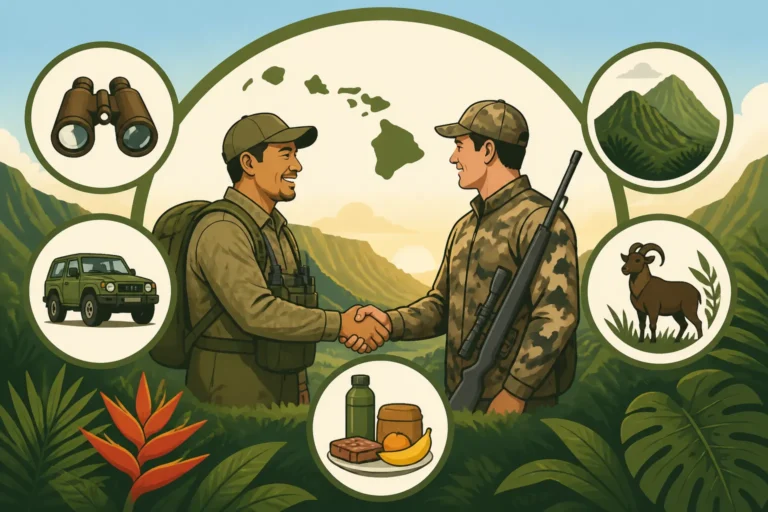
Instead of a "kill guarantee," a reputable outfitter guarantees effort, expertise, and access. They guarantee that they will:
- Provide access to prime hunting ground: Often, this is private land where public pressure is minimal, or specific units where they have extensive experience.
- Employ skilled, knowledgeable guides: Individuals who understand the local game species, their habits, and the terrain. They know where to look, how to approach, and how to interpret sign.
- Offer necessary equipment (if applicable): This might include 4×4 vehicles for access, quality optics, and sometimes even firearms for rent if you're not traveling with your own.
- Put you in the best possible position for a shot: They'll scout, track, call, and make strategic decisions to get you close to game. Their goal is to maximize your opportunities.
- Provide a safe and memorable experience: Beyond the harvest, a good guide ensures your safety in rugged Hawaiian terrain and strives to make the overall adventure enjoyable, educational, and culturally respectful.
When you're browsing platforms like BookYourHunt or even just calling guides directly, this is the kind of commitment you should be looking for. It's about the quality of the experience and the opportunity, not a certainty of taking an animal. The harvest is the rewarding culmination of the hunt, but the hunt itself is the journey.
The Ethical Stance on Hunting Guarantees
From an ethical standpoint, a "guaranteed kill" undermines the very essence of fair chase and the challenge of hunting. It implies a degree of manipulation or artificiality that most ethical hunters and organizations stand against. Hunting wild animals is not like shopping at a grocery store; there's no promise of immediate gratification.
A reputable outfitter, whether you found them through GoHunt or a personal referral, will be upfront about their philosophy. They understand that the true value of a hunt lies in the pursuit, the connection with nature, the physical and mental challenge, and the respect for the animal. To promise a kill strips away these fundamental aspects and can lead to unhealthy expectations that overshadow the real experience. It also puts undue pressure on the guide to deliver at any cost, which can sometimes lead to unethical practices.
Understanding Outfitter Success Rates and What They Mean
Since an outright "guarantee" is off the table, what can you look at when evaluating a Hawaii outfitter? "Success rates" are a common metric, but they're often misunderstood. It's crucial to know how to interpret them.
How Outfitters Calculate "Success"
There isn't a universally standardized way for outfitters to report success rates, which can make comparisons tricky. Here are a few common ways they might be calculated:
- Opportunity Rate: This is often the most common and, arguably, the most honest. An outfitter might claim an 80% opportunity rate, meaning that 80% of their clients had a reasonable chance to harvest an animal (e.g., saw a legal animal within shooting range). It doesn't mean they killed an animal, just that the opportunity was there.
- Harvest Rate: This is a more direct measure, indicating the percentage of clients who actually took an animal. However, even this can vary. Did the client shoot a trophy animal, or any animal? Was it the specific species they were targeting? These details matter.
- Sightings Rate: Less common for big game, but sometimes used. It simply means clients saw game, regardless of whether a shot opportunity arose. More common in Hawaii Game Bird Hunting where simply flushing birds might count.
For example, an outfitter might boast a 90% success rate on Axis Deer Hunting in Hawaii. Does that mean 9 out of 10 clients shot an axis deer? Or that 9 out of 10 clients saw a shootable deer? The distinction is critical. Always ask for clarification on how an outfitter defines "success" when they quote a percentage.
Factors Influencing Success Rates in Hawaii
Hawaii presents a unique set of challenges and opportunities that can heavily influence hunting success rates.
- Terrain: The islands offer incredibly diverse and often challenging terrain. Hunting Hawaii's Volcanic Terrain means navigating sharp, unforgiving lava flows. Hunting Hawaii's wet forest involves dense, often slippery vegetation, deep gulches, and limited visibility. Hunting Hawaii's Dry Leeward Country can mean open, exposed ground with long shots, but also dense kiawe thickets where animals can vanish. Your physical fitness and ability to navigate these conditions will play a huge role.
- Species Behavior: Axis Deer, Hawaii's Signature Big Game are known for their keen senses and often travel in large herds, making approaches tricky. Hawaii's Feral Pigs, Island by Island are notoriously elusive, especially the bigger boars, and often become nocturnal under pressure. Mouflon Sheep Hunting on Hawaii Island takes place in high, rugged mountains where animals have exceptional eyesight. Understanding the specific game you're after and its habits is key.
- Weather: Hawaii's weather can be highly localized and change quickly. A sunny morning can turn into a torrential downpour by afternoon, impacting animal movement and hunter comfort. Strong trade winds can make long shots difficult or carry your scent across vast distances.
- Hunting Pressure: While Hawaii has extensive public lands, some units, especially on opening weekends, can see significant hunter pressure. Guides often try to mitigate this by hunting private lands or less accessible public areas. However, sustained pressure can make animals more wary and nocturnal.
Platforms like BookYourHunt often include previous client reviews, which can offer insights into the outfitter's communication style and overall hunting experience, including how they manage these varying factors.
| Success Metric | Description | What It Implies | What to Ask |
|---|---|---|---|
| Opportunity Rate | Percentage of clients who had a clear, legal shot opportunity. | Guide put client in position, but outcome depends on hunter. | "What constitutes a 'reasonable shot opportunity'?" |
| Harvest Rate | Percentage of clients who successfully took an animal. | Client successfully converted an opportunity into a kill. | "Does this include any animal, or only trophy class?" |
| Sighting Rate | Percentage of clients who saw the target game species. | Guide located game, but a shot opportunity might not have arisen. | "How many animals were typically seen per day/hunt?" |
| Field-to-Table | Percentage of clients who took an animal and were able to process/keep meat. | Focuses on successful harvest and utilization. | "What happens if an animal is wounded and not recovered?" |
Looking Beyond the Numbers
Beyond just checking listed success rates, as often found on sites like GoHunt, dig deeper. Ask questions like:
- "What was your success rate last year, specifically for the type of hunt I'm interested in?"
- "Of those successful hunts, how many were trophy animals versus management animals?"
- "What factors most commonly contribute to unsuccessful hunts with your clients?"
- "What is your wound/loss rate? How do you handle those situations?"
A good outfitter will be transparent and willing to discuss these nuances. They understand that a high "opportunity rate" is often a better indicator of their skill than a flat "harvest rate," as the latter also depends heavily on the hunter's shooting ability.
Questions to Ask Your Hawaii Outfitter Before Booking
To avoid disappointment and ensure you have a clear understanding of what you're paying for, proactive communication is key. Don't be shy about asking detailed questions before you commit.
Clarifying Expectations and What Happens If No Animal is Taken
This is where you directly address the "guarantee" question in a polite but firm way.
- "Do you offer any kind of 'no kill, no pay' policy, or a discount if I don't harvest an animal?" (The answer is almost always no, but it's good to confirm).
- "What happens if I wound an animal but we can't recover it? Is the hunt considered over? Is there an additional fee?" This is a crucial ethical and financial question.
- "What is your typical itinerary for a multi-day hunt if we haven't found an animal by a certain point?"
- "What is included in the price, and what are the extra costs I should anticipate?" (e.g., license, tags, meat processing, taxidermy, tips, rental equipment). You'll also want to understand the Hawaii Hunting Licenses and What They Cost and How Hawaii's Permit-Tag System Works.
- "How many hunters are in my group, and what is the guide-to-hunter ratio?" A higher guide-to-hunter ratio generally means more personalized attention and potentially more opportunities.
A professional guide will appreciate your thoroughness and be happy to explain their policies.
Understanding Contingency Plans
Hawaii's dynamic environment means that plans can sometimes change unexpectedly. It's smart to know how your outfitter handles unforeseen circumstances.
- Weather Disruptions: "What happens if severe weather, like a heavy storm or volcanic activity, impacts our hunt? Is there an option to reschedule or a refund policy?" Remember, Why Hawaii Cancels or Shifts Seasons can impact even guided trips.
- Unit Closures: "If the specific hunting unit or ranch access is unexpectedly closed by the state or landowner, what is your protocol?" This could be due to Hawaii's Fenced Conservation Boundaries or other land management decisions.
- Mechanical Issues: "What's the backup plan if a vehicle or essential piece of equipment breaks down during the hunt?"
- Early Success or Unsuccess: "If I tag out on day one of a three-day hunt, what are my options for the remaining days? Conversely, if we have no luck by day two, what changes do we make?"
The Importance of a Written Agreement
Always, always get your booking details in writing. A clear contract or detailed booking confirmation should outline:
- The dates of your hunt.
- The species you are targeting and bag limits.
- What is included (guide, meals, lodging, transportation during hunt).
- What is not included (license, tags, processing, taxidermy, tips, airfare, pre/post-hunt lodging).
- Cancellation and refund policies.
- Contingency plans for unforeseen events.
- Payment schedule and deposit requirements.
This written agreement protects both you and the outfitter and clarifies expectations, minimizing misunderstandings down the road. If an outfitter is unwilling to provide a clear, written agreement, consider it a red flag.
Maximizing Your Chances on a Guided Hawaii Hunt
While an outfitter can't guarantee a kill, you can certainly take steps to maximize your chances of success and ensure you have the best possible experience, regardless of the outcome.
Your Role as the Hunter: Be Prepared
Your preparation is just as important as your guide's expertise.
- Physical Fitness: Hawaii hunting can be strenuous. Fitness for a Steep Hawaii Hunt is not just a suggestion; it's often a necessity, especially if you're chasing goats on sea cliffs or pigs in dense, humid rainforests. The better shape you're in, the more ground you can cover and the steadier you'll be for that crucial shot.
- Shooting Proficiency: Practice, practice, practice! Know your rifle, bow, or muzzleloader cold. Practice shooting from various positions you might encounter in the field, not just from a bench. Understand trajectory and windage. Practicing Before a Hawaii Hunt is paramount. A guide can get you to 100 yards from a trophy axis buck, but they can't make you hit it. Be honest about your effective range.
- Realistic Expectations: Go into the hunt with an open mind. Focus on the adventure, the scenery, the challenge, and the learning experience. The harvest is a bonus, not a given. Be prepared to adapt and enjoy the journey.
Researching Your Chosen Guide and Species
Do your homework before you book.
- Vet Your Outfitter: Don't just pick the first name you find. Ask for references from past clients and actually call them. Check online reviews on reputable hunting forums or booking sites. Look into their experience with the specific species you want to hunt and in the areas they operate. For more on this, check out Choosing the Right Hawaii Outfitter.
- Understand the Species: Read up on the specific game you're after. Learn about their habits, preferred habitat, and the best times of year to hunt them. This not only makes you a more knowledgeable hunter but also shows respect for the guide's expertise.
- Review Success Rates (Carefully): As discussed, understand how the outfitter defines "success" and look for consistency over time, rather than a single impressive number. Delve into What Success Rates Actually Mean.
Embracing the "Hunt" Beyond the Kill
Ultimately, the most fulfilling hunting experiences in Hawaii, and anywhere, are often those where the journey itself is cherished, not just the destination of a filled tag.
- Appreciate the Unique Environment: Hawaii offers breathtaking landscapes unlike anywhere else in the world. Enjoy the vibrant rainforests, the stark beauty of volcanic terrain, the stunning coastal views, and the incredible biodiversity. Take it all in.
- Learn from Your Guide: Your guide is a treasure trove of local knowledge, not just about hunting but about the culture, history, and ecology of the islands. Engage with them, ask questions, and learn. This interaction is a huge part of what you're paying for.
- Respect the Process: Hunting is a primal, demanding activity. There will be early mornings, long walks, challenging stalks, and sometimes, disappointment. Embrace all of it as part of the experience. The effort, the camaraderie, the time spent outdoors—these are the true rewards.
- Prepare for Post-Hunt Logistics: Even if you don't get an animal, understanding logistics helps. If you do harvest something, you'll need to know about Field Care in Hawaii's Heat and Humidity, Packing Meat Out of a Hawaii Gulch, and how to get your meat processed and potentially home. Don't forget to budget for Tipping a Hawaii Guide regardless of the outcome, as they've put in the effort.
By managing your expectations, preparing thoroughly, and focusing on the overall adventure, you'll find that a guided hunt in Hawaii is an unforgettable experience, whether you harvest an animal or not.
Disclaimer
This article is for general informational purposes only and does not constitute professional advice. Laws, prices and regulations vary by location and change over time. Consult a qualified professional for guidance on your specific situation.