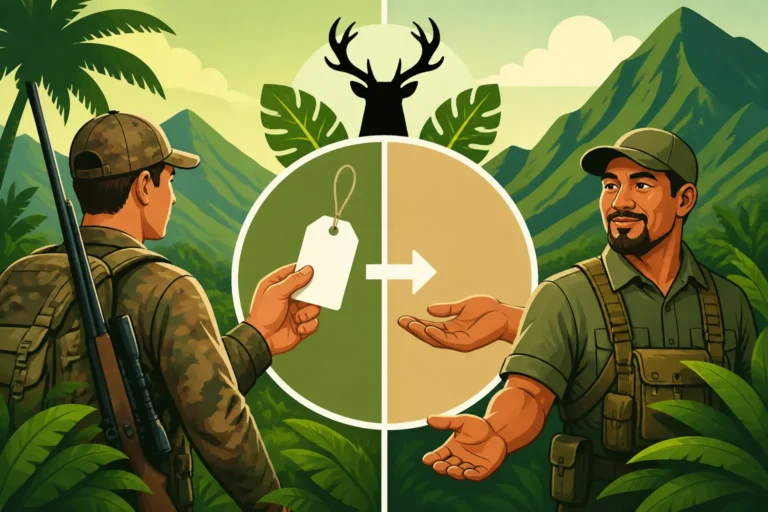
Leasing Hawaii Ranch Ground for a Season
The dream of having your own piece of Hawaii, especially for hunting, often feels like a distant fantasy for many of us. The reality of limited public land access, drawn hunts, and the sheer number of other hunters can lead to real frustration, making consistent, quality hunting opportunities seem out of reach. This guide is here to shed light on how you might secure a private hunting lease on Hawaii ranch ground for a season, detailing the process, expectations, and unique considerations involved in finding your own piece of hunting paradise in the islands.
Understanding the Landscape of Hawaii Ranch Leases
Hunting in Hawaii is a unique endeavor, and for many, the public land options, while abundant in some areas, come with their own set of challenges. This is where private ranch leases can truly change the game, offering a more consistent and often higher-quality hunting experience.
Why Private Ranch Land is a Game Changer in Hawaii
Imagine knowing exactly where you'll be hunting, without the scramble of a public land draw or the uncertainty of weekend-only access. That's the core appeal of private ranch land in Hawaii. On public lands, you're often competing with many other hunters for limited resources, and the game animals themselves can be much warier due to constant pressure. Private ranches, especially the larger ones scattered across islands like Hawaii Island, Maui, and Molokai, often have well-managed game populations, fewer hunters, and more consistent animal behavior.
When you lease private ground, you're not just buying access; you're often buying a measure of exclusivity and predictability. This means less time scouting for other hunters and more time focusing on game animals. You might have the freedom to hunt during weekdays, or even to set up blinds and feeders (where legally permitted and agreed upon with the landowner, of course) without fear of them being disturbed. It offers a level of control and intimacy with the land that public hunting simply can't match, allowing for a deeper understanding of animal patterns and a more personalized hunting strategy. This is a far cry from the Hawaii's Weekend and Holiday Hunting Rules that often dictate public land access.
The Reality of Finding Available Leases
Now, let's be realistic: finding a private hunting lease in Hawaii isn't like finding an apartment for rent on Craigslist. These opportunities are often scarce, highly sought after, and not always publicly advertised. Hawaii's ranching families and large agricultural operations tend to hold onto their land and, when they do offer hunting access, it's often through established relationships, word-of-mouth, or long-term arrangements. Many properties are already utilized by outfitters offering guided hunts, which means the landowner is already maximizing their income from hunting through that channel.
The challenges are considerable. Landowners may be wary of liability, concerned about potential damage, or simply prefer to manage their game populations themselves or through a trusted few. The concept of an annual hunting lease, while common on the mainland, is a bit more niche in Hawaii. However, it's not impossible. It often requires persistence, a willingness to build rapport, and a clear understanding of what you're asking for. You're looking for more than just a place to hunt; you're looking to form a respectful partnership with a landowner.
Navigating the Process of Securing a Lease
So, if you're serious about pursuing a private hunting lease, how do you even begin? It's a multi-step process that demands patience and professionalism.
Identifying Potential Ranch Properties
This is where your detective hat comes on. You're not going to find a "For Lease: Hunting Ground" sign on the side of the road in most cases. Start by understanding the geography of game animals in Hawaii. For example, if you're dreaming of Axis Deer, Hawaii's Signature Big Game, you'll be looking at ranches on Maui, Molokai, or Lanai. If Mouflon Sheep on Hawaii's Volcanoes are your target, you're focusing on higher elevations on Hawaii Island.
- Mapping Resources: Utilize online mapping tools to identify large tracts of private land, particularly those that are adjacent to known game habitats or public hunting units. Look for properties with large pasture areas, kiawe forests, or dense gulches – prime habitat for various game species. Tools like onX Hunt (or similar mapping apps) can show you property boundaries and ownership information, giving you a starting point for who to contact.
- Local Knowledge and Networking: This is perhaps the most crucial step. Talk to local hunters, farmers, ranchers, and anyone embedded in the rural communities. They often know who owns what, who might be open to the idea, or where existing arrangements might be coming to an end. Attend local events, frequent feed stores, or even just strike up conversations with people who live in the areas you're interested in. You'd be surprised what you can learn over a cup of coffee.
- Reach Out to Existing Outfitters: Sometimes, outfitters who operate on private land might have access to more ground than they use, or might know landowners who are open to direct leases for specific types of hunting. While the intent here is not to book a guided hunt (though services like BookYourHunt make that easy), it's to gather information and potentially make connections. Just remember to be clear about your intentions – you're looking for a lease, not a guide service.
Initial Outreach and Relationship Building
Once you've identified a potential landowner, don't just show up unannounced. That's a surefire way to get a "no."
- Formal Introduction: Start with a polite letter or email, introducing yourself, explaining your interest in a hunting lease, and briefly outlining your hunting philosophy (e.g., ethical hunting, respect for property, commitment to conservation). Attach a simple resume of your hunting experience and references, if appropriate.
- Demonstrate Responsibility: Emphasize your understanding of responsible land use, wildlife management, and adherence to all Hawaii hunting regulations. Landowners want to know you won't be a liability or a headache. You need to show you respect the land, the animals, and their property. Mentioning your completion of Hawaii Hunter Education Requirements can also be a plus.
- Offer Value: Consider what you can offer beyond just a lease payment. Are you willing to help with fence mending, invasive species control, or other ranch duties? Sometimes, a landowner might appreciate an extra pair of hands or someone to keep an eye on their property. This willingness to contribute can often set you apart from others just looking for a place to hunt. Remember, you're trying to build a relationship, not just a transaction. Finding a Hawaii Landowner to Ask often starts with showing what kind of person you are.
Key Considerations for Lease Agreements
If a landowner is open to discussing a lease, you'll need to cover all your bases. This is where clarity and a written agreement are absolutely essential.
| Consideration | Description |
|---|---|
| Duration & Renewal | How long is the lease for (seasonal, annual, multi-year)? What are the terms for renewal? |
| Access & Boundaries | Precisely define the huntable areas. Map out access roads, parking spots, and any off-limits zones. Clarify vehicle use. |
| Species & Bag Limits | Which species can be hunted? Are there specific bag limits beyond state regulations? Are certain animals off-limits (e.g., cattle, specific trophy animals)? |
| Hunting Methods | What weapons are allowed (rifle, bow, muzzleloader)? Are dogs permitted for Pig Hunting With Dogs in Hawaii? What about stands or feeders? |
| Guests & Sub-leasing | Can you bring guests? How many? Do they need landowner approval? Is sub-leasing allowed (usually not)? |
| Liability & Insurance | Who is responsible in case of an accident? Does the landowner require you to carry liability insurance? This is a huge one for private landowners. |
| Payment & Terms | Clearly state the lease fee, payment schedule, and any other associated costs. Are there late fees? |
| Game Management | Are there any requirements for harvest reporting to the landowner? Any specific game management practices they expect you to follow? |
| Exit Clause | What happens if either party needs to terminate the agreement early? |
Before you even think about signing a lease, you'll still need your basic Hawaii hunting license, which you can typically acquire through the state's online portal, often accessed via platforms like GoHunt, or at authorized vendors. This is separate from any private land agreement but absolutely necessary. Discussing these points openly and in detail with the landowner will prevent misunderstandings down the line. A formal, written agreement protects both parties and clarifies expectations. This forms the basis of any Landowner Hunting Agreements Explained.
What to Expect from a Hawaii Hunting Lease
Securing a lease is just the first step. Understanding what comes next, both in terms of responsibilities and benefits, is key to a successful partnership.
Understanding Access, Boundaries, and Usage
One of the biggest advantages of a private lease is defined access. You'll have a clear understanding of your hunting boundaries, which means less worry about accidental trespass onto neighboring properties or public lands. Rules for Hunting on Ranch Land often involve specific routes for vehicle access, designated parking areas, and sometimes even locked gates that you'll be given keys or codes for. Respecting these boundaries and access rules is paramount to maintaining a good relationship with the landowner.
The lease agreement should clearly delineate which portions of the ranch are accessible for hunting and which are not. For instance, you might be allowed to hunt a specific Hunting a Ranch Pasture Boundary or a kiawe forest, but not near residential areas, active cattle operations, or conservation easements. It's not uncommon for landowners to have specific instructions on vehicle usage, such as staying on established roads, closing gates, and respecting agricultural operations. Being mindful of their livestock, equipment, and daily activities is crucial. You're a guest on their working land, and your actions reflect directly on their trust.
Costs and Financial Commitments
Let's not sugarcoat it: a private hunting lease in Hawaii isn't cheap. While I can't give you specific figures, generally speaking, the What a Hawaii Ranch Lease Costs will vary significantly based on the size of the property, the quality and abundance of game, the exclusivity of the access, and the island it's on. Expect it to be a substantial annual investment. This isn't just a day-use fee; it's a commitment to a season or more.
The cost typically covers the privilege of exclusive or semi-exclusive access to huntable land. Beyond the base lease fee, you might also be responsible for liability insurance, which many landowners will require. Some agreements may include a per-animal fee in addition to the base lease, especially for high-value trophy animals. It's also wise to factor in costs for any agreed-upon habitat work, road maintenance, or even just regular checks on fences. Always clarify all potential costs upfront in the lease agreement so there are no surprises. This is a business transaction, and clarity benefits everyone.
Management and Conservation Responsibilities
When you lease ranch ground, you become an unofficial steward of that land, at least in the eyes of the landowner. This means you have a role in the responsible management of the game animals and the land itself. This could involve:
- Harvest Reporting: Landowners often want detailed records of what you harvest. This helps them understand their game populations, assess management strategies, and ensure you're adhering to any specific bag limits they've set beyond state regulations.
- Habitat Improvement: Depending on the agreement, you might be asked to help with tasks like invasive plant removal (e.g., strawberry guava, common in pig habitat), fence repair, or maintaining water sources. These efforts directly benefit the game and the overall health of the ecosystem.
- Ethical Practices: Maintaining high ethical standards is paramount. This includes fair chase principles, prompt retrieval of game, and proper field dressing. You'll be representing yourself and, by extension, the hunting community to the landowner.
- Trespass Prevention: Part of your responsibility often includes reporting any unauthorized access or poaching you observe. You're an extra set of eyes on their property, which can be a valuable service to the landowner. What Hawaii Trespass Law Requires applies to everyone, and you'll be expected to help enforce it on your leased land.
This shared responsibility can be incredibly rewarding, giving you a deeper connection to the land and a greater sense of pride in your hunting accomplishments.
Challenges and Rewards of Leasing in Hawaii
While the idea of a private lease is enticing, it's important to understand both the uphill battles and the incredible payoffs.
Common Hurdles to Overcome
Securing and maintaining a private hunting lease in Hawaii isn't always smooth sailing. Here are some challenges you might face:
- Scarcity and Competition: As mentioned, truly available leases are rare. Many ranches already have long-standing arrangements, or they prefer to manage hunting through guided operations. You're likely competing with a small pool of dedicated, well-connected local hunters.
- High Costs: The financial commitment can be significant, potentially pricing out many hunters. You need to weigh the value of the exclusive access against the investment.
- Liability Concerns: Landowners are extremely cautious about liability. You will likely be required to sign comprehensive waivers and potentially carry your own liability insurance. Navigating these legal aspects can be complex.
- Misunderstandings: Even with a written agreement, miscommunications can arise. Clarity on every detail, from guest policy to exactly where you can drive, is crucial to avoid friction.
- Weather and Access: Hawaii's dynamic weather, from sudden heavy rains that wash out roads to drought conditions that impact game movement, can affect your hunting plans. Private roads may not always be perfectly maintained, especially in remote areas.
- Cultural Sensitivity: Hawaii has a unique cultural landscape. Approaching landowners with respect, understanding, and an appreciation for local customs and land stewardship is vital. Avoid any attitude of entitlement; you are a privilege to be on their land.
The Unique Advantages of Your Own Piece of Paradise
Despite the hurdles, the rewards of a private hunting lease in Hawaii can be truly exceptional, transforming your hunting experience:
- Consistent Access: This is arguably the biggest benefit. No more worrying about public land closures, crowded weekends, or lottery draws. You have a dedicated place to hunt, often year-round, based on your lease agreement and state regulations. This allows for far more flexible Hunting Hawaii's Long Archery Windows or Hunting Hawaii's Muzzleloader Deer Windows.
- Better Game Quality and Quantity: Private land, especially well-managed ranches, often holds healthier and more numerous game animals. Reduced pressure typically means less wary animals and a higher chance of encountering mature bucks, rams, or trophy boars.
- Deep Connection to the Land: Over time, you'll develop an intimate understanding of your leased property. You'll learn the game trails, the bedding areas, the preferred feeding spots, and how animals react to weather patterns. This deep knowledge enhances your hunting success and overall enjoyment.
- Opportunity for Habitat Management: If your lease allows, you can actively participate in improving the habitat, creating food plots, or establishing water sources. This direct involvement in land stewardship is incredibly satisfying and beneficial for future hunting.
- Family and Friends: A lease often provides a fantastic opportunity to share the hunting experience with family and trusted friends, creating lasting memories without the pressures of public land. Your children can learn to hunt in a safe, controlled environment.
- Privacy and Solitude: Escape the crowds. A private lease offers the peace and quiet that many hunters crave, allowing for a more serene and focused hunting experience surrounded by Hawaii's stunning landscapes.
Leasing Hawaii ranch ground for a season is a significant undertaking, requiring investment, patience, and a commitment to responsible land and wildlife stewardship. But for those who manage to secure such an opportunity, it can unlock a world of unparalleled hunting experiences, offering a truly unique "piece of paradise" in the heart of the Pacific.
Disclaimer
This article is for general informational purposes only and does not constitute professional advice. Laws, prices and regulations vary by location and change over time. Consult a qualified professional for guidance on your specific situation.