Hawaii Shooting Preserves and Bird Shoots
The idea of hunting in Hawaii often conjures images of wild pigs in dense rainforests or Axis deer across arid, open plains. But for many, especially those who enjoy a more controlled, accessible hunting experience, the thought of finding a classic "bird shoot" or a designated shooting preserve might seem impossible in the Aloha State. You might be wondering if such places even exist here, or if you're stuck with only public land options that are often challenging and heavily pressured. Well, this guide is here to shed some light on Hawaii's shooting preserves and bird shoot opportunities, helping you understand what's available for those looking to enjoy upland bird hunting in a different kind of setting.
Understanding Hawaii's Shooting Preserves and Bird Shoots
When we talk about "shooting preserves" or "bird shoots" in Hawaii, we're generally referring to privately managed lands or operations where game birds are propagated and released specifically for hunting. These aren't the expansive public units where you're chasing truly wild game across thousands of acres. Instead, they offer a more structured environment, often with guaranteed opportunities to encounter birds, making them popular for training dogs, introducing new hunters, or simply enjoying a relaxing day afield without the rigorous scouting and hiking often required on public lands.
What Defines a Shooting Preserve in the Islands?
A shooting preserve in Hawaii, much like on the mainland, is a privately owned or leased tract of land where game birds are raised, released, and hunted under specific regulations. The key difference here is the "put-and-take" model – birds are released just before or during the hunt, ensuring a higher likelihood of success for the hunters. This isn't to say it's always easy, as these birds are still wild enough to offer a challenge, but it takes some of the guesswork out of finding them. Think of it as a place where the focus is on the experience of working a dog, honing your wing-shooting skills, or enjoying camaraderie with fellow hunters, rather than solely on the pursuit of a completely wild trophy.
These preserves often cater to a variety of preferences, from half-day hunts to full-day excursions, and sometimes even offer multi-day packages with lodging. They might feature different types of terrain, from open fields ideal for pointing dogs to brushy areas perfect for flushers. The emphasis is on a quality experience, often including guide services, bird dogs, and even bird cleaning after the hunt. It's a different rhythm than a self-guided public land hunt, a more curated and controlled environment for those seeking it.
Common Game Birds Found on Hawaiian Bird Shoots
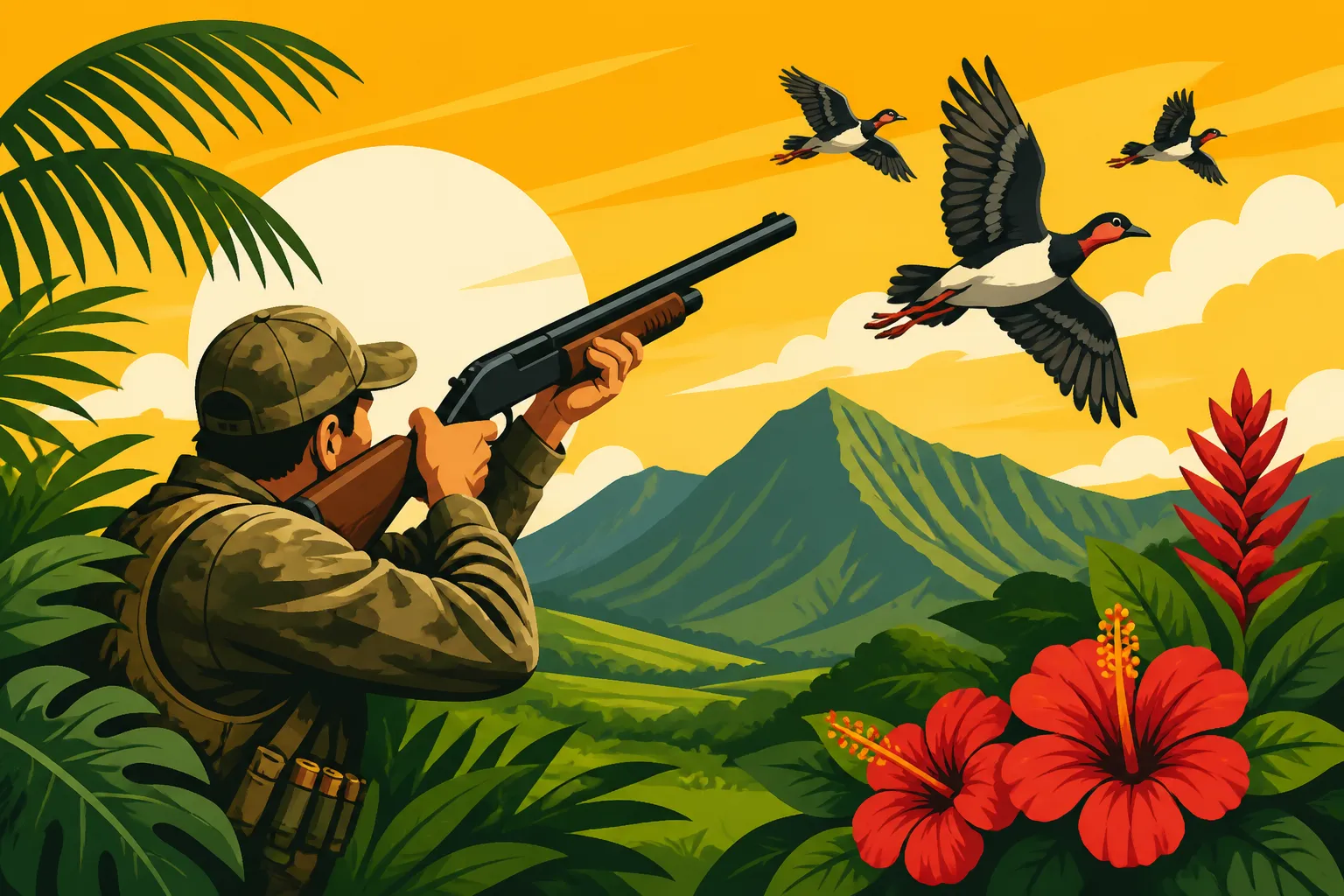
While Hawaii is home to a fantastic array of wild game birds like Francolin, Pheasant, Chukar, Quail, and Doves, the birds typically found on shooting preserves are often those that are readily pen-raised and adapt well to being released for hunts. You'll commonly find Ring-Necked Pheasant and various species of Francolin being the stars of these operations. These birds offer exciting flushes and provide excellent sport.
Sometimes, depending on the preserve and their breeding programs, you might also find opportunities for Chukar or even certain types of quail, though pheasants and francolin are definitely the most prevalent. These species are chosen because they are hardy, provide a good challenge for hunters, and their populations can be managed effectively in a preserve setting to ensure consistent hunting opportunities. It's not uncommon for a preserve to specialize in one or two species to optimize their operations and provide the best possible experience. For those interested in pursuing the wild counterparts, our guide to Hawaii Game Bird Hunting covers the details of chasing truly wild birds in their natural habitats.
Why Consider a Bird Shoot or Preserve Hunt in Hawaii?
For many hunters, the idea of a preserve hunt might seem less "authentic" than chasing truly wild game. But in Hawaii, where public land access can be challenging, units are often limited to specific weekends, and success isn't guaranteed, preserve hunts offer a unique and valuable alternative. They provide an accessible, often less physically demanding, and highly enjoyable way to experience upland bird hunting in the islands.
Accessibility and Convenience for Hunters
One of the biggest draws of a bird shoot or preserve hunt in Hawaii is the sheer accessibility and convenience. Public game bird units often require extensive hiking, four-wheel drive access, and a deep understanding of local terrain and bird habits. Not everyone has the time, physical ability, or equipment for that kind of adventure, especially visitors or those new to hunting in Hawaii. Preserves remove many of these barriers. They typically have established access roads, clear boundaries, and pre-scouted areas where birds are known to hold.
This convenience extends to scheduling as well. While public land bird seasons are fixed and often limited to Hawaii's Weekend and Holiday Hunting Rules, preserves can often offer more flexible dates, sometimes even operating outside the general public season dates thanks to their "propagated game bird" status. This means if you're on a family vacation and have a specific day free, a preserve hunt might be the only viable option to get some shooting in. It also makes them ideal for corporate outings, family events, or just a spontaneous hunting trip when the desire strikes.
Excellent Training Ground for New Hunters and Dogs
Shooting preserves are an absolute godsend for new hunters and those looking to train their bird dogs. For a new hunter, the predictable nature of a preserve hunt, combined with professional guidance often available, reduces the intimidation factor significantly. They can focus on safety, shooting fundamentals, and ethical shot placement without the pressure of having to find the birds first. This controlled environment allows them to build confidence and develop essential skills that will serve them well if they decide to venture into more challenging wild bird hunting later on.
Similarly, for dog owners, preserves offer unparalleled training opportunities. Whether you're working with a new puppy on its first retrieves or polishing the skills of a seasoned flusher or pointer, the guaranteed bird contact on a preserve is invaluable. You can simulate real hunting scenarios, work on specific commands, and expose your dog to game birds in a safe and controlled manner. It's an investment in your dog's development and your enjoyment of future hunts. Guides often have well-trained dogs available, too, which is a fantastic way to experience a bird hunt if you don't own a bird dog yourself. You can even bring your own dog, if you verify the preserve's rules regarding Using a Bird Dog in Hawaii Terrain.
A Social and Relaxed Hunting Experience
Let's be honest, hunting on public land can sometimes be a solitary, intense endeavor. While many cherish that solitude, there are times when you want to share the experience with friends, family, or colleagues in a more relaxed atmosphere. Bird shoots excel at this. They are designed to be social events, often with a lodge or gathering area where hunters can congregate before and after the hunt, sharing stories and enjoying a meal.
The focus shifts from the grueling pursuit to the pure enjoyment of the sport and the company. Imagine a morning of exciting flushes, followed by a hearty lunch, and then perhaps another short hunt in the afternoon. This kind of structured, social hunt is perfect for building bonds, celebrating milestones, or simply unwinding. It's a different kind of hunting, yes, but no less rewarding for the memories created and the skills sharpened.
Finding and Booking a Hawaii Bird Shoot
So, you're convinced a bird shoot might be just what you're looking for. The next step is finding one and getting your trip booked. While Hawaii might not have the same density of preserves as some mainland states, there are certainly options available if you know where to look.
Researching Available Preserves and Operations
Your first step should be thorough research. Start by looking for private hunting operations on the various islands, with Maui and the Big Island being the most likely candidates. Many preserves operate on private ranch lands that have diversified into offering hunting experiences. You'll want to search specifically for "Hawaii bird shoots," "Hawaii pheasant hunting preserves," or "guided upland bird hunts Hawaii."
Look for operations that clearly outline their offerings, including the species available, hunt durations, services provided (guides, dogs, cleaning), and pricing structure. Don't be afraid to read reviews and testimonials from other hunters. A reputable preserve will have a strong online presence and clear communication channels. Keep in mind that some might operate under different names, like "game bird farms" or "sporting clays and bird hunting." Our article on Guided Bird Hunts in Hawaii might also offer some insights into which outfitters offer this kind of service.
Leveraging Online Platforms and Directories
In today's digital age, online hunting platforms can be incredibly useful. Websites like BookYourHunt are excellent resources for finding guided hunts, and sometimes, this includes preserve-style bird shoots. These platforms often list outfitters and their specific packages, allowing you to compare options, read detailed descriptions, and even book directly. Similarly, while GoHunt is more focused on Western big game draws, their resources can sometimes point you towards general Hawaii hunting information, which might indirectly lead you to smaller, local preserve operations or guides who offer bird shoots as part of a larger package.
When using these platforms, pay close attention to the details of what's included in a package. Does it cover your Hawaii Hunting Licenses and What They Cost? Are ammunition and gun rentals provided, or do you need to bring your own? Is bird cleaning part of the service, or an extra fee? Clarity upfront avoids any surprises later.
| Factor | Public Land Hunt | Private Preserve Bird Shoot |
|---|---|---|
| Accessibility | Requires scouting, often difficult terrain, limited road access. | Often easier access, established trails/fields. |
| Predictability | Low chance of encountering game, requires skill and luck. | High chance of bird encounters (released birds). |
| Cost | License/tag fees, personal gear, no guide included. | Package price often includes guide, dogs, birds, sometimes lunch. |
| Effort | High physical demand, extensive hiking. | Moderate to low physical demand, less walking. |
| Seasonality | Strict Hawaii Game Bird Seasons and Bag Limits. | More flexible dates, potentially outside public seasons. |
| Experience | Wild, challenging, self-reliant. | Structured, social, educational, focus on shooting. |
| Gear Needed | Full hunting kit, survival gear. | Less gear, sometimes guns/ammo provided. |
Key Questions to Ask Before Booking
Once you've identified a potential preserve or outfitter, it's crucial to ask a series of detailed questions before committing to a booking.
- What species of birds are available, and what is the typical release schedule or bag limit per hunter? Understand what you're actually hunting and the number of birds you can expect to encounter or take home.
- Are guides and trained dogs provided, or can I bring my own? If bringing your own dog, ask about any specific requirements or rules for dog behavior.
- What is the cost, and what exactly is included? Be clear on whether the price covers guides, dogs, ammunition, bird cleaning, lunch, and any necessary permits or stamps.
- What kind of terrain will we be hunting? This helps you prepare physically and pack appropriate footwear. Boots for Hawaii Lava and Wet Forest might be needed even on a preserve.
- What are the weapon requirements? Know the legal shotgun gauges and shot sizes allowed. Our Hawaii's Legal Weapons by Season article can give you a general idea, but the preserve might have specific preferences for safety or bird presentation.
- What are the cancellation or rescheduling policies? Life happens, and you need to know what your options are if plans change.
- What about field care and bird processing? Understand how the birds will be handled after the shot, and if processing services are offered. Our article on Field Dressing Axis Deer in Hawaii Heat provides insights into meat care in Hawaii's climate, which also applies to birds.
Getting all these details clarified upfront ensures a smooth and enjoyable experience.
What to Expect on a Hawaii Bird Shoot
Stepping onto a Hawaiian bird preserve offers a hunting experience that combines the thrill of the flush with the comfort of professional management. It's a day designed for enjoyment, learning, and making memories. Knowing what to expect can help you prepare and fully immerse yourself in the opportunity.
Gear, Licensing, and Safety Protocols
Even on a preserve, proper gear, licensing, and adherence to safety rules are paramount. You will still need a valid Hawaii hunting license and potentially a Hawaii's Game Bird Stamp, depending on the specific regulations governing the preserve's operations. Always confirm these requirements directly with the preserve. If you are a non-resident, our guides like Hawaii Nonresident Hunting License Options will be helpful.
As for gear, a good pair of comfortable, sturdy boots is always recommended, even on well-maintained grounds. You'll want appropriate clothing for the day's weather – Hawaii's climate can be variable, so layers are often a good idea. Eye and ear protection are usually mandatory and often provided if you don't have your own. A shotgun in good working order is essential, and many preserves offer Renting a Rifle From a Hawaii Guide or shotgun options, often including ammunition. Always clarify shot size requirements. Safety briefings are standard and vital, covering safe gun handling, shooting lanes, and communication with guides and fellow hunters. Brightly colored clothing, especially blaze orange, is often required or strongly recommended for visibility.
The Flow of a Typical Preserve Hunting Day
A typical bird shoot day often begins with check-in, where you'll present your license, sign any waivers, and get a safety briefing. You'll meet your guide and the dogs, and then head out to the designated hunting area. The guide will lead the way, working their dogs to find and flush birds. When a bird flushes, the action can be fast and exhilarating!
After the shot, the dogs retrieve the birds, and the hunt continues. Depending on the package, you might hunt for a few hours in the morning, break for lunch, and then continue in the afternoon. The pace is generally relaxed, allowing time for conversation, dog work, and enjoying the beautiful Hawaiian landscape. At the end of the hunt, your birds will be tallied and often cleaned and packaged for you to take home. This "ready-to-go" aspect is a huge convenience and makes for an easy end to a successful day.
Beyond the Hunt: Bird Processing and Take-Home
One of the great benefits of a preserve hunt is often the assistance with bird processing. Many operations include bird cleaning and packaging as part of their service or offer it for a small additional fee. This means you won't have to worry about field dressing your birds or figuring out how to pluck and clean them yourself, which can be a real time-saver, especially if you're traveling or short on facilities.
You'll usually leave with your birds cleaned, cooled, and ready for your cooler. Be sure to have a good cooler packed with ice to keep your birds fresh, especially in Hawaii's warmth. If you're a visitor, consider how you'll transport your birds home. While intra-island transport is usually straightforward, flying off-island or back to the mainland with game meat requires adherence to specific airline and agricultural regulations. Always check these rules in advance to ensure a smooth journey for your hard-earned table fare.
Disclaimer
This article is for general informational purposes only and does not constitute professional advice. Laws, prices and regulations vary by location and change over time. Consult a qualified professional for guidance on your specific situation.