Guided Dove Shoots on Hawaii Ranches
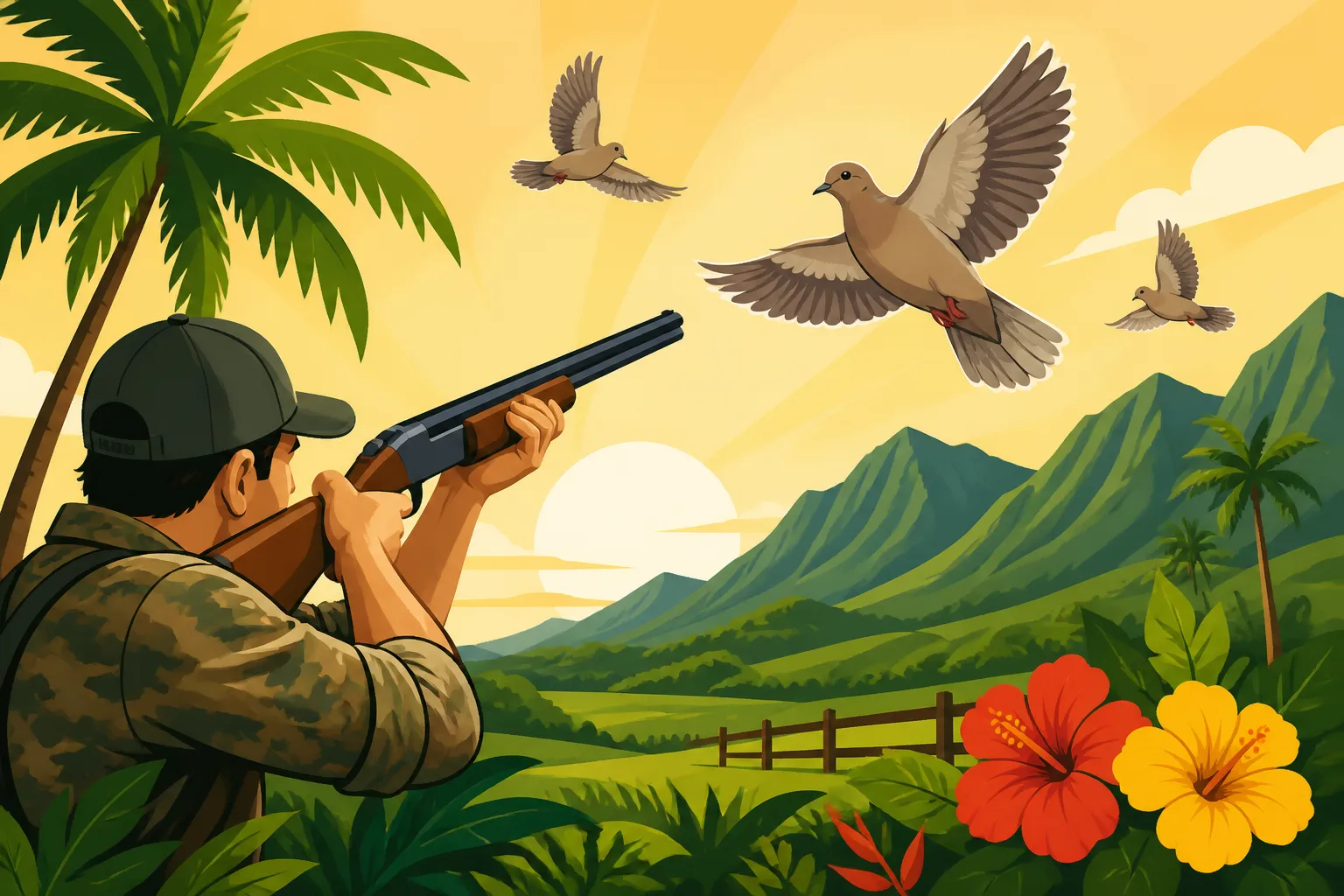
Hunting doves in Hawaii might not be the first image that springs to mind when you think of island adventures, but for many resident and visiting hunters, it's a cherished annual tradition that offers a different kind of thrill. If you've ever found yourself frustrated by the limited public access for game bird hunting on our islands, or you're simply looking for a unique winged experience, guided dove shoots on Hawaii ranches can be an incredible solution, opening up prime agricultural lands and pastures that would otherwise be off-limits. This guide will walk you through everything you need to know about these special hunts.
Why Guided Dove Shoots on Hawaii Ranches?
Let's be real, finding accessible, productive game bird habitat in Hawaii can be tough. Much of the prime real estate for birds, especially doves, lies on private agricultural lands. These areas offer exactly what doves need: food sources like seeds, grains, and fruit, along with water and cover. Without permission, these spots are simply not available to the average hunter. That's where guided ranch shoots come in, bridging the gap between hungry hunters and abundant birds.
Accessing Prime Agricultural Lands
Imagine acres of open pastureland, the edge of a macadamia nut orchard, or an old sugar cane field now growing various grasses and weeds. These are dove magnets. Doves, particularly the Barred and Spotted Doves that are common here, thrive on disturbed ground and areas with a consistent food supply. They'll flock to freshly cut fields, fallow ground, or areas where cattle have grazed, stirring up seeds. On public lands, these kinds of expansive, managed agricultural habitats are rare. Ranches, however, often maintain exactly these conditions as part of their operations, making them ideal for dove hunting. A guided shoot gives you legitimate access, removing the headache of trying to gain individual permission from landowners, which can be a long and often unsuccessful process for visitors or new residents.
Understanding Hawaii's Dove Species
While you might be thinking of Mourning Doves from the mainland, Hawaii hosts a few distinct species that are legal game birds. The most commonly hunted are the Barred Dove and the Spotted Dove, both introduced species that have flourished across the islands. They're smaller than some mainland doves, but they offer fast-paced, challenging shooting.
| Dove Species | Appearance | Typical Habitat | Flight Pattern |
|---|---|---|---|
| Barred Dove | Smaller, grayish-brown, distinctive bar marks on neck | Open pastures, dry scrub, urban areas, farm edges | Fast, erratic, often low to the ground |
| Spotted Dove | Larger, brownish, black and white spotted patch on neck | Agricultural fields, forest edges, suburban gardens | Strong, direct, but can be agile when pressured |
Understanding which species you're targeting can help your guide choose the best locations and even influence your shotgun and choke selection. The thrill comes from their quick, acrobatic flight patterns, which can challenge even experienced wing shooters. Sometimes, you might also encounter Common Doves, though they are less frequently targeted in organized shoots. It's always a good idea to confirm with your guide exactly which species are abundant and legal in their area.
Supporting Ranching and Conservation Efforts
When you pay for a guided hunt on a private ranch, you're not just buying access; you're often contributing directly to the ranch's ability to maintain its land and, in some cases, support local conservation. Many ranches in Hawaii face immense financial pressures. Allowing guided hunting can provide a valuable income stream that helps keep these lands open, managed, and prevents them from being developed. For some landowners, controlled hunting is also a form of population management, ensuring that game bird numbers remain healthy without overpopulating and becoming a nuisance to crops or native ecosystems. It's a symbiotic relationship where your hunting dollars can indirectly support the very landscapes and wildlife you've come to enjoy.
What to Expect on a Guided Dove Shoot
A guided dove shoot on a Hawaii ranch is typically a well-organized affair, designed to maximize your shooting opportunities and ensure a safe, enjoyable experience. It's a bit different than stalking big game, requiring quick reflexes and a good eye.
A Typical Day's Outline
Your day will usually start early, often meeting your guide just as the sun begins to lighten the sky. Doves are most active in the early morning and late afternoon, feeding and watering. You'll likely gather at a designated meeting point on or near the ranch property. After a quick safety briefing and confirmation of licenses and stamps – make sure you have your Hawaii Game Bird Stamp – your guide will lead you to the designated shooting areas. These spots are carefully chosen based on recent scouting, observing dove flight paths, feeding habits, and water sources.
You might be positioned in blinds, behind natural cover like kiawe trees or fencelines, or simply spaced out in an open field to ensure safety. The guide will likely explain the expected flight patterns and where to anticipate the birds. For example, if you're hunting near a water source, birds might come in low and fast. If it's a feeding field, they might circle a few times before committing. The shooting will usually involve bursts of activity interspersed with quieter periods. After the morning flight, there might be a break, perhaps for lunch, before resuming for the late afternoon flight, if permitted by bag limits and regulations.
Essential Gear and Shotgun Selection
For dove hunting, a reliable shotgun is paramount. Most hunters prefer a 12-gauge or 20-gauge, with lighter loads of shot (e.g., #7.5 or #8) being common. The key is patterns and quick swings. Many guides might also have shotguns available for rent if you're flying in and don't want the hassle of Bringing a Firearm to the Islands.
Here's a breakdown of what you'll typically need:
- Shotgun: 12 or 20 gauge, preferably a semi-auto or over/under for quick follow-up shots.
- Ammunition: Plenty of it! Dove hunting can be high-volume. Light loads, #7.5 or #8 shot.
- Chokes: Modified or Improved Cylinder are often preferred for the closer, faster shots.
- Hearing Protection: Absolutely essential. These birds are quick, and the shooting can be constant.
- Eye Protection: Protect your eyes from stray shot, ejected hulls, and general debris.
- Camo/Neutral Clothing: While not as critical as big game, blending in helps. Lightweight, breathable clothing is a must for Hawaii's climate.
- Hat: For sun protection.
- Water Bottle: Stay hydrated. Hawaii can get hot, even in the "cooler" months.
- Game Vest/Bag: To hold your birds as you retrieve them.
- Small Cooler: To keep your harvested doves cool and fresh, especially important in Hawaii's heat. Field Dressing Axis Deer in Hawaii Heat applies to birds too!
- Bird Dog (optional): If you have a well-trained bird dog, some guides might welcome it. Always clear this with the guide beforehand. Don't forget to check Hawaii Dog Hunting Rules.
Your guide will confirm any specific gear requirements, but this list covers the essentials.
The Role of a Bird Dog (or Your Guide's Dog)
A good bird dog can elevate a dove shoot from enjoyable to exceptional. Doves, particularly when shot over fields of tall grass or dense brush, can be incredibly difficult to find. A skilled retriever can locate downed birds quickly, saving valuable time and preventing lost game. If you're considering bringing your own dog, you absolutely must discuss this with your guide well in advance. Not all ranches allow client dogs, and some guides prefer to use their own trained retrievers. If your guide provides a dog, you'll witness firsthand the incredible bond and teamwork that develops between a hunter and their canine partner. The dog's enthusiasm for the hunt is often infectious!
Finding and Booking Your Hawaii Dove Hunt
Okay, so you're ready to experience the rapid-fire action of a Hawaii dove shoot. The next step is finding the right outfitter and booking your trip. This process usually involves some research and direct communication.
Where to Look for Outfitters
Unlike big game, guided dove shoots might not always be prominently advertised by every outfitter, as they can sometimes be more seasonal or specialized. However, several avenues can help you connect with the right folks.
Firstly, start with outfitters known for other game bird or small game hunts in Hawaii. Many guides who offer Hawaii Game Bird Hunting for pheasant, francolin, or chukar will also offer dove shoots, especially during peak seasons. Websites dedicated to booking hunting trips, such as BookYourHunt, can be a good starting point to browse available options. While you might see more listings for big game like Axis Deer Hunting in Hawaii or Hunting Hawaii's Feral Pigs, some guides will list their bird hunt packages there.
Secondly, local word-of-mouth is gold. Chat with hunters at local stores, shooting ranges, or online Hawaii hunting forums. They often know which ranches or guides privately offer these opportunities. Thirdly, reach out directly to the Hawaii Division of Forestry and Wildlife (DOFAW) offices on the island you plan to hunt. While they won't endorse specific guides, they might be able to provide general information about private land hunting opportunities or point you towards local ranching associations. Lastly, don't forget to check general travel and activity websites for Hawaii. Sometimes, smaller, family-run ranches will advertise unique experiences, including hunting, alongside other agricultural tourism offerings.
Questions to Ask Before You Book
Before you commit to a guide or a ranch, it's crucial to ask a series of detailed questions. This ensures there are no surprises and that your expectations align with what the outfitter provides.
Here are some key questions:
- Season Dates and Availability: Confirm the specific dates they offer dove shoots and if they align with Hawaii Game Bird Season Dates.
- Bag Limits: What are the current Dove and Quail Daily Bag Limits for the species you'll be hunting?
- Cost: What is the full price, and what exactly does it include (guide, land access, lunch, ammunition, shotgun rental, bird processing)? What is never included in a Hawaii package?
- Licenses & Stamps: Will the guide assist with licensing, or do you need to secure your Hawaii Hunting Licenses and What They Cost and stamps beforehand? Websites like GoHunt can often help with license purchases and understanding regulations.
- Group Size: What is the maximum group size? Will you be hunting exclusively with your party or joining others?
- Location: Which island and general area will the hunt take place? While exact GPS coordinates might be private, knowing the general vicinity helps with travel planning.
- Gear Provided/Required: Beyond a shotgun, what gear do they provide, and what do you absolutely need to bring? This includes ammunition, which can be hard to find in Hawaii.
- Bird Dogs: Do they use their own bird dogs? Can you bring yours?
- Meat Care: What are the provisions for field care and cooling the birds after the hunt, especially given Hawaii's warm climate?
- Success Rates: While no guide can guarantee a kill, ask about their typical success rates for dove shoots.
- References: Can they provide references from past clients?
- Safety Protocols: What are their safety rules and emergency procedures?
A reputable guide will be happy to answer all these questions thoroughly. If a guide is vague or evasive, that's a red flag.
Key Considerations for a Successful Hunt
Having done all your research and booked your hunt, there are still a few things to keep in mind to ensure your guided dove shoot is as successful and enjoyable as possible.
Respecting the Landowner and Local Customs
When you're hunting on private ranch land, you are a guest. It's incredibly important to demonstrate respect for the property, the livestock, and the landowner's wishes. This means adhering strictly to all rules set by the ranch and your guide, leaving no trash behind, and being mindful of fences, gates, and any sensitive areas. Many ranches are working operations, and you might encounter cattle, horses, or farm equipment. Being courteous and appreciative goes a long way. Understanding Cultural Etiquette on a Hawaii Hunt also helps you connect with the local community and ensure future access for others.
Physical Preparation and Shooting Practice
While dove hunting isn't as physically demanding as, say, Hunting Mouflon on Hawaii's Highest Slopes, it still requires a certain level of fitness and, crucially, good shooting skills. You'll likely be walking across fields, carrying your shotgun and gear, and standing for extended periods in the sun. Practicing your swing and lead at a local skeet or trap range before your trip can significantly improve your success rate. Doves are notoriously fast and unpredictable flyers, so quick reflexes are key. Don't underestimate the challenge – a few rounds of sporting clays can make a big difference in the field. Also, be sure to plan for Water and Heat Planning for a Hawaii Hunt, as dehydration can quickly ruin your day.
Understanding Seasons and Bag Limits
Hawaii has specific seasons and bag limits for game birds, and these can vary by island and unit, even on private land. Your guide should be well-versed in these regulations, but as a hunter, it's your responsibility to be aware. Always double-check the current Hawaii Game Bird Seasons and Bag Limits before your hunt. Over-bagging or hunting out of season can lead to severe penalties for both you and your guide, and could jeopardize future hunting opportunities on that ranch. The regulations are in place to ensure sustainable populations for everyone to enjoy.
Ethical Hunting and Meat Care
Ethical hunting extends to making clean kills and retrieving all downed birds. Missing birds can be frustrating, but taking unethical shots at extreme ranges or through dense cover is poor practice. Always aim for a quick, clean kill.
Once a bird is down, retrieve it promptly. In Hawaii's warm climate, proper meat care starts immediately. The sooner you can cool the birds, the better the quality of the meat. Many hunters will immediately gut their birds in the field and place them in a cooler with ice, or at least keep them shaded. The mild, lean meat of Hawaii doves is delicious when prepared correctly, but it can spoil quickly if not handled with care. If you're a visitor, discuss with your guide how you'll handle Shipping Game Meat Between Hawaii Islands or even Flying Home With Game Meat From Hawaii if you plan to take your harvest with you. Some guides might offer basic processing, or they can direct you to local services.
Guided dove shoots on Hawaii ranches offer a unique and exhilarating hunting experience, providing access to incredible bird hunting opportunities that are often difficult to come by on public lands. With proper preparation, respect for the land, and a good guide, you're in for a fast-paced, memorable adventure under the Hawaiian sun.
Disclaimer
This article is for general informational purposes only and does not constitute professional advice. Laws, prices and regulations vary by location and change over time. Consult a qualified professional for guidance on your specific situation.