Hiring a Packer for a Remote Hawaii Hunt
Hunting in Hawaii is an incredible experience, but the reality of island terrain can hit hard when you're miles into a dense rainforest or across a lava field with a harvested animal. Many hunters, especially those new to Hawaii's unique challenges, find themselves facing the daunting task of packing out heavy meat and gear from remote, rugged units, often under sweltering sun or through relentless rain. This guide is all about navigating that challenge by exploring the ins and outs of hiring a packer, making sure your hard-earned success in the field doesn't turn into an exhausting, potentially dangerous struggle.
Understanding the Need for a Packer in Hawaii's Remote Units
Let's be honest, hunting in Hawaii isn't like chasing whitetails in a Midwest woodlot. The islands present a whole different beast when it comes to terrain, climate, and access. You might picture pristine beaches, but the hunting grounds are often far from resort-ready, pushing even experienced hunters to their physical limits. This is where the wisdom of hiring a packer really shines, transforming a potential nightmare into a manageable, rewarding endeavor.
The Unique Challenges of Hawaii's Terrain
Imagine this: you've just put down a good boar deep within a thick guava tangle on the windward side of the Big Island, or perhaps a heavy axis deer in the dry, rocky country of Lanai. The adrenaline is still pumping, but then the cold reality sets in – how on earth are you going to get this animal out? Hawaii's landscapes range from jagged, unforgiving lava flows that chew up boots and ankles, to incredibly steep, slippery gulches choked with dense vegetation, to rainforests so thick you can barely see ten feet in front of you. Hunting Hawaii's Volcanic Terrain and Hunting Pigs in Hawaii's Rainforest Gulches are not just phrases; they describe the literal gauntlet you might face. These aren't places where you can just drive a quad in; often, it's walking only, and every step is a battle.
The sheer remoteness of many public hunting units means long walks in, sometimes miles from the nearest passable road, even a 4WD track. When you add the weight of an animal, your rifle, daypack, and water, that distance compounds exponentially. Trying to quarter and pack an animal out solo, or even with a buddy, across such terrain is a recipe for exhaustion, injury, or even spoilage if you can't get the meat cooled fast enough. Packing Meat Out of a Hawaii Gulch is a skill, and one that's much easier with help.
Climate and Meat Care Considerations
Hawaii's tropical climate, with its heat and humidity, is another major factor that makes packing out a significant challenge. Unlike colder climates where you might have hours, or even a full day, to get meat out before spoilage becomes a serious concern, the clock starts ticking the moment an animal hits the ground in Hawaii. The warm air, coupled with high humidity, creates a perfect breeding ground for bacteria. You simply don't have the luxury of time.
This isn't just about preserving your trophy; it's about respecting the animal and ensuring you can utilize its meat. Effective field care, including prompt gutting and quartering, is critical, but getting that meat to a cooler quickly is paramount. Field Care in Hawaii's Heat and Humidity covers this in detail, but even with the best techniques, if you're facing a multi-hour pack out, you're at a disadvantage. A packer, especially one equipped with mules, horses, or even a pre-arranged helicopter pick-up, can drastically cut down this crucial time, ensuring your venison or pork arrives at the cooler in prime condition. Without them, you risk losing a significant portion of your harvest, which is disheartening after all the effort.
What a Packer Can Do for Your Hawaii Hunt
Hiring a packer isn't just about brute strength; it's about leveraging local knowledge, specialized equipment, and efficient logistics to maximize your success and enjoyment. They are a critical part of the team for any serious hunt into Hawaii's backcountry.
Services Offered by Professional Packers
A professional packer in Hawaii typically offers a range of services designed to alleviate the physical burden and logistical headaches of a remote hunt. Their primary role, of course, is to get your harvested animal and your gear out of the field safely and efficiently. This can involve breaking down an animal into quarters, loading them into game bags, and then packing them out on foot, by animal, or even by air.
- Animal Retrieval and Transport: This is the core service. Whether you've harvested an axis deer, a feral pig, or a mouflon, the packer will come to your location, help with the initial field dressing, and then transport the meat and cape (if desired) back to your vehicle or a pre-arranged pick-up point. For larger animals or very remote locations, they might use pack animals like mules or horses. In truly inaccessible areas, some packers might even coordinate Helicopter Access for Remote Hawaii Hunts, which, while costly, can be invaluable. They essentially turn a multi-day arduous trek into a focused operation.
- Gear Hauling: Beyond just game, many hunters struggle with packing in enough water, food, and camping gear for multi-day excursions into Hawaii's public lands. A packer can often assist with hauling in your camp setup, extra water, and supplies, allowing you to focus on the hunt itself rather than being weighed down. This is particularly useful for hunters who prefer to establish a base camp deep within a unit, like those found in Hawaii's Remote Units and How to Reach Them.
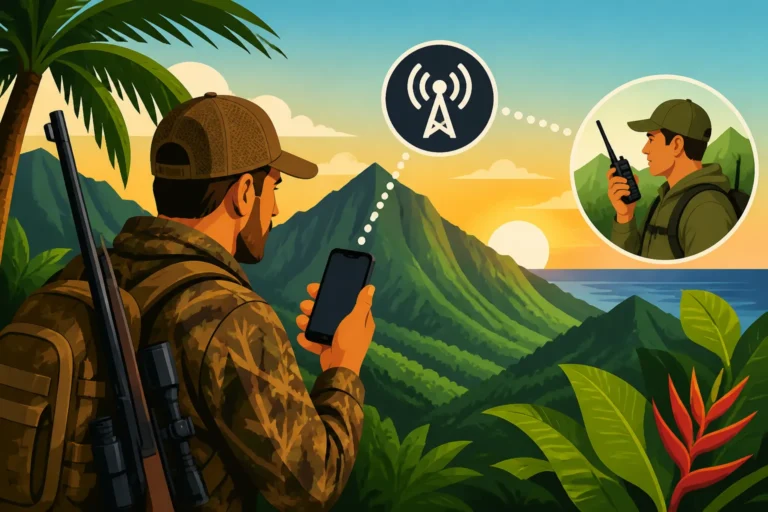
- Local Knowledge and Assistance: Many packers are lifelong residents and avid hunters themselves. They know the units intimately – the best trails, hidden springs, animal movement patterns, and even weather peculiarities. While they aren't guides in the traditional sense, their presence can be an immense asset. They might offer advice on navigation (especially in areas with No Cell Signal on a Hawaii Hunt), help track a wounded animal, or simply provide peace of mind by being an experienced hand in unfamiliar territory. They understand how to get Getting a Pig Out of a Hawaii Gulch where others might flounder.
Benefits Beyond Just Carrying Weight
The advantages of hiring a packer extend far beyond merely offloading a heavy burden. They contribute significantly to a safer, more ethical, and ultimately more enjoyable hunting experience.
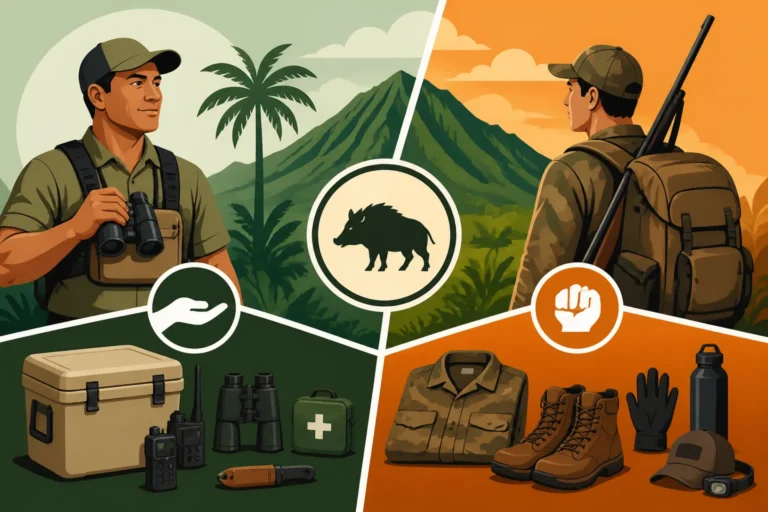
For starters, safety is paramount. Hunting Hawaii's steep, often unforgiving terrain can be dangerous, especially when you're tired and burdened. Trying to navigate slippery rock, loose lava, or dense undergrowth with hundreds of pounds of meat on your back significantly increases the risk of falls, sprains, or worse. A packer’s experience and specialized equipment reduce these risks substantially. They often bring their own first-aid, communication devices, and know evacuation routes.
Secondly, you're investing in meat quality. As discussed, the heat means every minute counts. Packers are efficient. They know how to handle and cool meat quickly, often carrying large game bags and ice chests to help preserve your harvest from the moment it leaves the field until it reaches your cooler. This ensures that the delicious axis venison or wild pork you worked so hard for doesn't spoil.
Finally, consider the mental and physical toll. Hunting Hawaii on Foot Without a Truck requires significant physical conditioning, and even then, a long pack out can be brutal. By delegating the heavy lifting, you conserve your energy, allowing you to stay focused and alert during the hunt. This can improve your chances of success, and certainly makes the experience more enjoyable, allowing you to truly appreciate the beauty of Hawaii rather than just enduring the grind. It means you're not facing that gut-wrenching decision to leave meat behind if you get stuck, which is an ethical imperative for any responsible hunter.
Finding and Vetting a Packer for Your Hawaii Adventure
So, you're convinced a packer is a good idea – smart move! Now, how do you go about finding a reliable one who understands the unique demands of Hawaii hunting? It requires a bit of research and asking the right questions.
Where to Look for Reputable Packers
Finding a packer in Hawaii isn't always as straightforward as searching a national directory. It often relies on local connections and resources.
- Local Hunting Community: The best place to start is by networking within Hawaii's hunting community. Join local online forums, Facebook groups dedicated to Hawaii hunting, or visit local sporting goods stores. These are hubs where hunters share experiences and recommend trustworthy individuals. Word-of-mouth is king here, and a good recommendation from a local hunter is invaluable.
- Outfitters and Guides: Even if you're planning a self-guided hunt, contact some of Hawaii's established hunting outfitters. While they might focus on booking guided hunts, many either offer packing services as an add-on or can recommend independent packers they work with regularly. Websites like BookYourHunt might list outfitters who provide comprehensive services including packing. They are often tied into the local network and know who the reliable players are.
- Hawaii Department of Land and Natural Resources (DLNR) & Division of Forestry and Wildlife (DOFAW): While these agencies won't endorse specific individuals, they can sometimes provide lists of licensed guides or outfitters, some of whom may offer packing services. Familiarize yourself with their resources, as they also publish essential information about Hawaii's Hunting Units and How They Work and Hawaii Game Mammal Seasons, which helps in planning your packer needs.
- Local Ranches/Private Landholders: Many of the larger ranches that allow hunting, either through leases or direct permits, often have staff or contracted individuals who can provide packing services, especially if you're hunting on their property. This can be a seamless arrangement, as they are already familiar with the land and its access points.
Key Questions to Ask Before Hiring
Once you have a few potential packers in mind, it’s crucial to vet them thoroughly. Don't be shy about asking direct questions. This isn't just a transaction; it's a partnership for a successful and safe hunt.
| Question Category | Specific Questions to Ask | Why It Matters |
|---|---|---|
| Experience | How long have you been packing in this specific unit/area? What types of animals do you typically pack out? Can you provide references from previous clients? | Demonstrates familiarity with the terrain and game. References offer direct insight into their reliability and professionalism. |
| Equipment | What equipment do you use (pack frames, game bags, pack animals, GPS, communication devices)? Do you have first-aid supplies? | Ensures they are prepared for the job and can handle various situations. Knowing they have proper gear (like good game bags) is critical for meat preservation. |
| Logistics | How do you communicate in the field (satellite messenger, radio)? What's your estimated response time once I call you? What's your plan for adverse weather? | Crucial for safety and efficiency. Response time is vital for meat care. Weather plans show preparedness. No Cell Signal on a Hawaii Hunt is common, so alternative comms are a must. |
| Meat Handling | What are your procedures for field dressing and meat care to prevent spoilage in Hawaii's heat? Do you bring ice or coolers? | Directly impacts the quality of your harvest. They should have a clear, effective plan for rapid cooling and cleanliness. |
| Costs & Payments | What is your fee structure (day rate, per animal, mileage)? What's included/excluded? Do you require a deposit, and what's your cancellation policy? | Prevents surprises. Clear understanding of costs is essential. Make sure there are no hidden fees. |
| Insurance/Permits | Are you licensed or insured for packing services? Do you have permits to operate in the specific unit I'm hunting? | Ensures professionalism and covers potential liabilities. Some public lands might require specific permits for commercial operators. |
| Physicality | What level of fitness is required on my part if I'm assisting? How do you handle steep or difficult terrain? | Helps set realistic expectations for your own involvement and confirms their capability in Hawaii's unique landscapes. Fitness for a Steep Hawaii Hunt is a real factor. |
Don't hesitate to follow up on references. A quick call to a previous client can tell you volumes about a packer's professionalism, reliability, and effectiveness in the field. Also, trust your gut. If something feels off or they are unwilling to answer questions, it might be a red flag.
Cost Considerations and Logistics of Hiring a Packer
Let's talk about the practical side: what does it cost, and how do you integrate a packer into your overall hunt plan? It's an investment, but one that often pays dividends in terms of effort saved, meat preserved, and a more enjoyable experience.
Understanding Packer Pricing Structures
Just like outfitters, packers in Hawaii don't have a single, universal pricing model. Their rates will vary based on several factors, including the island, the remoteness of the unit, the type of animal being packed, the method of transport (foot, pack animal, helicopter), and the packer's experience.
Generally, you can expect a packer to charge in one of these ways:
- Day Rate: This is a common structure, where you pay a flat fee for the packer's services for a full day. This might cover their travel to and from the unit, their time in the field, and the packing out of one or more animals. If you have a multi-day hunt planned, they might offer a discounted multi-day rate. This is often preferred if you expect to need their services for an extended period, or if you anticipate needing help with camp setup and tear down.
- Per-Animal Rate: Some packers charge based on each animal successfully packed out. This might be a flat fee per pig, per goat, or per deer. This model can be attractive if you're hunting a unit with a high bag limit and expect to take multiple animals, or if you only need them for a single, specific recovery. However, make sure to clarify if the rate changes based on the size of the animal (e.g., a large boars might cost more than a small sow).
- Hourly Rate: Less common for the entire service, but sometimes applies if you just need assistance for a few hours for a very specific task, such as retrieving a downed animal from an easily accessible but still challenging spot.
- Mileage/Distance Charge: In addition to a day or per-animal rate, some packers might add a charge based on the distance they have to travel to reach your specific hunting unit, or the distance they have to pack the animal out from the kill site. This often applies to particularly remote units or when the packer is coming from a different part of the island.
- Helicopter Access Fees: If your hunt necessitates helicopter support for access or extraction, the cost will be significantly higher. This will be a separate charge, usually in addition to the packer's service fee, and will need to be coordinated well in advance. Hiring a Helicopter for Access is a specialized service and comes with a premium price tag, but for certain locations, it's the only practical option.
It's vital to get a clear, written agreement on pricing before the hunt. Understand what's included (e.g., game bags, ice) and what's extra. Don't be afraid to compare quotes from a few different packers, but remember that the cheapest option isn't always the best when it comes to reliability and experience in Hawaii's tough conditions.
Integrating a Packer into Your Hunt Plan
Hiring a packer isn't a last-minute decision; it needs to be woven into your overall hunt strategy, especially for What to Pack for a Hawaii Hunt and how you plan your itinerary.
- Pre-Hunt Communication: Establish contact with your chosen packer well in advance of your hunt date. Discuss your target unit, anticipated hunting dates, the species you'll be after, and your general strategy. Share maps, unit access points, and any specific concerns you might have about the terrain. This initial communication helps the packer prepare and ensures they understand your needs.
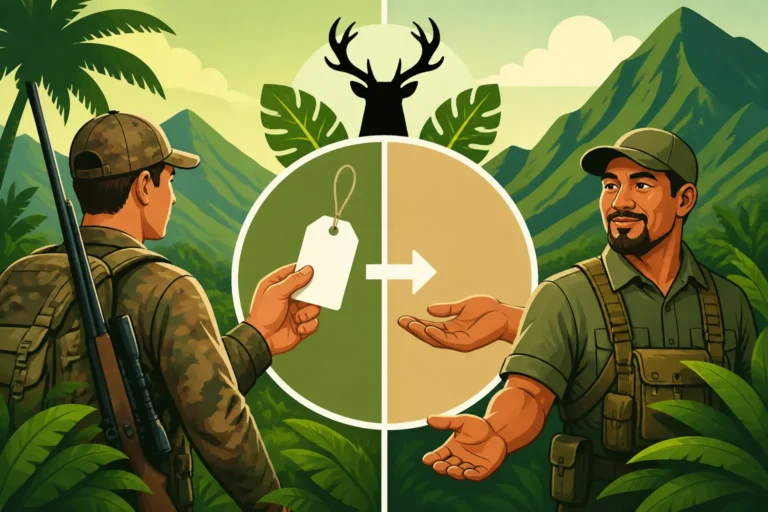
- Contingency Planning: What happens if the weather turns bad? What if you harvest an animal far deeper than anticipated? Discuss these contingencies with your packer. Have a clear understanding of their communication plan in the field, especially given that many remote units have spotty cell service. This is also a good time to review how to properly tag your animal, and to ensure you understand the rules for checking in and out of your unit, to avoid issues like What Happens If You Forget to Check Out.
- Meet-Up and Drop-Off Logistics: Clarify where and when you'll meet the packer before your hunt, and where the animal will be dropped off afterward. Will they meet you at the trail head? At a specific hunter check station? Do you need to bring your own coolers for the meat, or will they have a solution? Many packers work with local game processors or can recommend them, which can simplify the next steps in meat care.
- Payment and Gratuity: Understand the payment schedule. Is a deposit required? When is the final balance due? Also, consider gratuity. While not mandatory, it’s customary to tip a packer who has provided excellent service, especially after a particularly challenging recovery. A general guideline is similar to tipping a guide, often a percentage of the total fee or a set amount per animal, depending on the effort involved.
By meticulously planning and communicating with your packer, you can ensure that this essential service integrates seamlessly into your Hawaii hunting adventure. It allows you to focus on the thrill of the chase and the beauty of the islands, knowing that the challenging task of packing out your prize is in capable hands.
Disclaimer
This article is for general informational purposes only and does not constitute professional advice. Laws, prices and regulations vary by location and change over time. Consult a qualified professional for guidance on your specific situation.