What Guides Supply Versus What You Bring
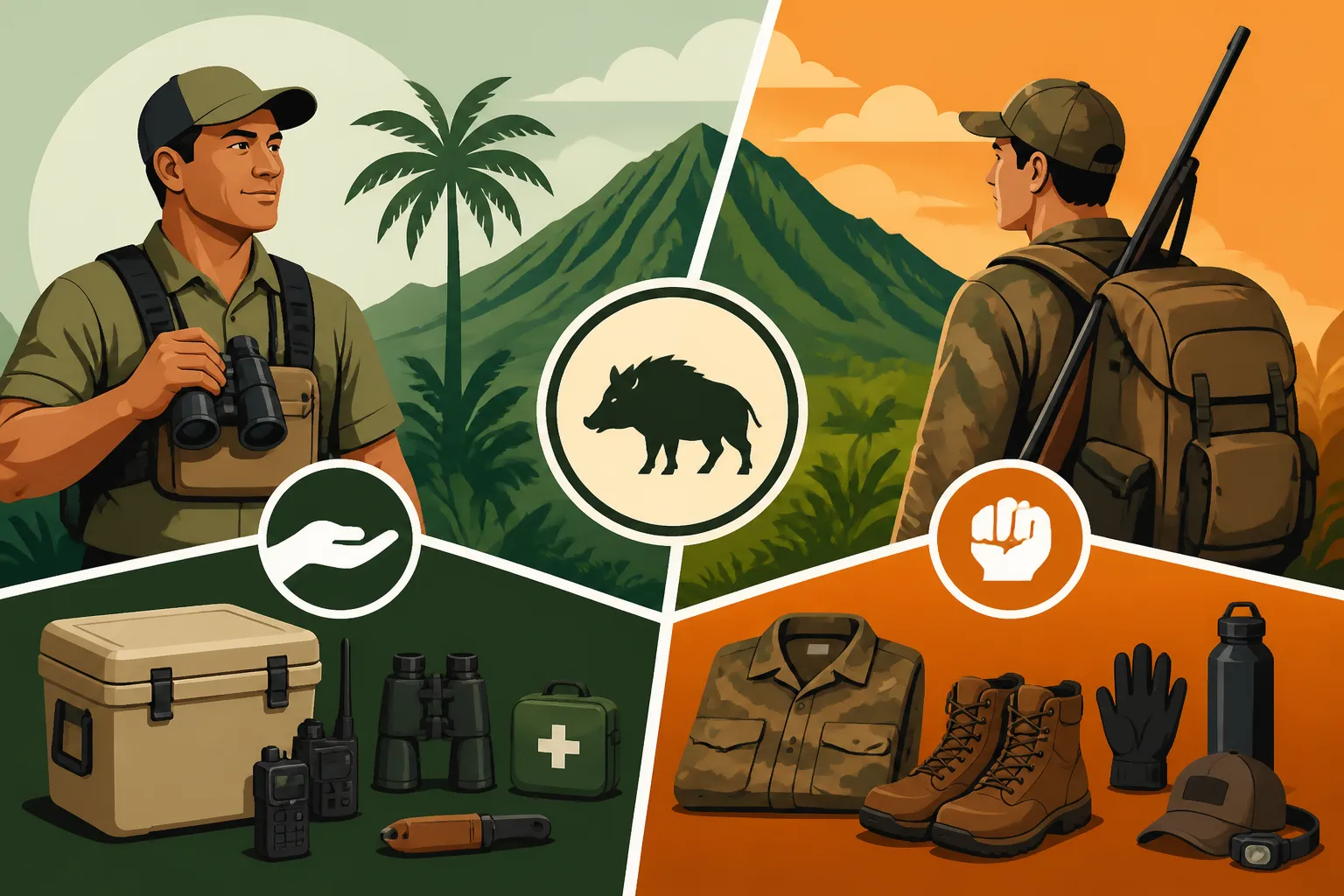
Packing for a Hawaii hunting trip can feel like a riddle wrapped in an enigma, especially when you're trying to figure out what your guide will handle versus what you absolutely need to bring yourself. It's a common source of anxiety, worried you'll show up unprepared or, just as frustrating, overpack and lug unnecessary gear across the Pacific. This guide will walk you through the typical divisions of responsibility, helping you clarify what a Hawaii hunting guide generally supplies and what remains firmly in your personal gear bag.
The Essentials a Hawaii Hunting Guide Typically Provides
When you book a guided hunt in Hawaii, you're not just paying for access to prime hunting ground; you're often paying for their logistical support and specialized equipment tailored to the islands' unique challenges. This can be a huge relief, reducing the amount of bulky or specialized gear you need to haul on a plane.
Transportation in the Field: Getting to the Hunt Area
One of the biggest headaches a guide often takes off your plate is in-field transportation. Hawaii's hunting units can be remote, rugged, and require specific types of vehicles to access. You might be facing rough lava fields, muddy rainforest tracks, or steep, winding dirt roads that demand a serious 4×4.
Guides typically provide the necessary vehicle to get you from a designated meeting point to the actual hunting grounds. This could be a sturdy pickup truck, a UTV, or even a specialized off-road rig. Imagine trying to navigate a rental sedan down a rocky two-track on Maui's dry side or trying to find your way through a dense koa forest on the Big Island without local knowledge and a capable vehicle. That's where your guide shines. They know the terrain, the best routes, and crucially, they have the vehicle that can handle it without getting stuck or damaged. This also extends to getting you into and out of areas that might require special permits or keys for gates, which they'll already have sorted. Reaching a Hawaii Unit by 4WD Road can be tricky for outsiders, so this service is invaluable.
Field Equipment: From Spotting Scopes to Skinning Knives
Many guides will supply a range of common field equipment that might be too cumbersome or expensive for you to bring yourself, especially if you're flying in. This can include items like high-powered spotting scopes and tripods for glassing vast open country, particularly useful when Glassing Lanai's Open Ridgelines for Axis deer or looking for Mouflon rams on a distant lava flow. They often have rangefinders, two-way radios for communication, and even first-aid kits specific to the challenges of Hawaiian terrain, like dealing with cuts from kiawe thorns or treating heat exhaustion.
For game recovery and processing, a good guide will usually have the essential tools. This often includes sharp skinning knives, game bags for quartering animals, and even portable coolers or ice chests to begin the crucial process of Cooling Meat Fast on a Hawaii Hunt. Given Hawaii's often warm and humid climate, quick and proper field care is paramount to prevent spoilage, and your guide will be equipped and experienced in this. Some might even have hoists or specialized carts to help with Packing Meat Out of a Hawaii Gulch. It's always a good idea to confirm these details when you're booking, perhaps through a platform like BookYourHunt, which often lists what's included in a package.
Expertise and Local Knowledge: The Intangible Supply
While not a tangible item you can hold, the guide's expertise and local knowledge are arguably their most valuable "supply." They bring years, if not decades, of experience hunting specific units, understanding animal behavior patterns, and navigating the nuances of Hawaii's diverse ecosystems. This includes knowing where Axis deer will be Hunting a Water Source in Dry Hawaii Country, or how to locate pigs in a Still-Hunting a Guava Thicket for Pigs.
They understand the wind patterns, the thermals in different gulches, and how recent weather events might have moved animals. For instance, they'll know Hunting a Hawaii Unit After Heavy Rain means certain areas might be more productive or completely inaccessible. This isn't something you can pack in your suitcase; it's a deep, ingrained understanding of the land and its creatures that comes from living and breathing it. Their ability to read sign, identify prime feeding or bedding areas, and strategize a stalk is what turns a hopeful trip into a successful hunt.
What Hunters Must Bring Themselves: Your Personal Gear List
Despite the generous provisions from a guide, there are certain items that are always your personal responsibility. These are typically things related to your legal right to hunt, your personal comfort, and your preferred way of engaging with the hunt itself.
Personal Hunting Licenses and Tags: Non-Negotiables
This is absolutely crucial and entirely on you. Before you even set foot in the field, you must have your valid Hawaii hunting license and any required permit-tags for the specific animal you're pursuing on the correct island. Whether you're a resident or non-resident, the process for obtaining these is clear. You can often purchase licenses and stamps online through the state's official platforms or through services like GoHunt Hawaii.
For species like Axis deer or Mouflon sheep, you'll need specific tags that are often acquired through a lottery system or direct purchase, depending on the unit and season. Hawaii's Permit-Tag System Works in a particular way, and showing up without the proper documentation will immediately end your hunt. Make sure they are printed and readily available, or accessible on a device if using a digital system like OuterSpatial, especially since Carrying Your License in the Field is a legal requirement. Double-check all expiration dates and ensure they cover the duration of your hunt.
Clothing and Footwear: Adapting to Hawaii's Diverse Terrain
Hawaii's hunting terrain is incredibly diverse, from arid, thorny kiawe flats to dense, wet rainforests and high-elevation cinder cones. Your clothing needs to be versatile and appropriate for these varying conditions, as guides typically don't supply personal apparel. Think layers that can handle cool mornings, hot afternoons, and sudden rain showers. Good quality, breathable, moisture-wicking materials are key. Camouflage patterns are popular, but earthy tones are generally sufficient.
Footwear is perhaps the most critical personal item. You need sturdy, broken-in hunting boots that offer excellent ankle support and grip, especially when Walking Rough Lava Without Wrecking Your Boots or navigating muddy, slippery gulches. Waterproof boots are a godsend in the wetter areas. A comfortable pair of gaiters can also be invaluable for keeping thorns, burrs, and mud out of your boots and off your socks. Don't forget good quality hiking socks to prevent blisters.
| Item Type | Hunter Brings | Guide Supplies (Typically) | Notes |
|---|---|---|---|
| Legal Docs | Hunting License, Permit-Tags, Hunter Ed Card | None | Absolutely essential, no exceptions. Check GoHunt Hawaii for details. |
| Personal Wear | Boots, Clothing Layers, Hat, Sunglasses, Rain Gear | None | Critical for comfort and safety in diverse Hawaiian conditions. |
| Personal Kit | Backpack, Water Bottle/Hydration Pack, Snacks, Sunscreen, Bug Spray, Headlamp | Maybe some snacks/water on day hunts | Your personal comfort and immediate needs. |
| Optics | Personal Binoculars (10×42 recommended) | Spotting Scope, Tripod, Rangefinder | Guide's optics for group use, your binos for individual scanning. |
| Weapon/Ammo | Your Rifle/Bow, Ammunition | Option to Rent (Confirm beforehand) | Discuss this carefully with your guide. Check state firearm laws. |
| Tech/Comm | Cell Phone (for emergencies/check-in, but expect no signal), GPS device/App | Two-way Radios for in-field communication | No Cell Signal on a Hawaii Hunt is common, have backup navigation. |
| Game Care | Small personal knife (optional) | Field dressing knives, game bags, initial coolers | Guide handles primary field care. |
| Misc. | Personal hygiene, medication | None | Personal needs. |
Personal Hunting Tools and Optics: Your Preferred Kit
While a guide might have a spotting scope for the group, many hunters prefer to bring their own binoculars. A good pair of 10×42 or 10×50 binoculars can be indispensable for quickly scanning terrain, identifying animals, and making split-second decisions. You're accustomed to your binoculars, and familiarity can make a difference in the field.
Other personal tools might include a comfortable daypack for carrying water, snacks, a first-aid kit, sunscreen, bug repellent, and rain gear. A headlamp is also a smart addition for early morning walks or late evening recoveries. While guides will have basics, having your own small personal first-aid kit for blisters or minor scrapes is always a good idea. Remember, Water and Heat Planning for a Hawaii Hunt is crucial, so bring a robust hydration system.
Situational Supplies: Discussing with Your Outfitter
Some items fall into a grey area, where the guide might provide them, or you might need to bring them, depending on the specific outfitter and the type of hunt. This is where clear communication before your trip becomes paramount.
Firearms and Ammunition: Rental vs. Bring Your Own
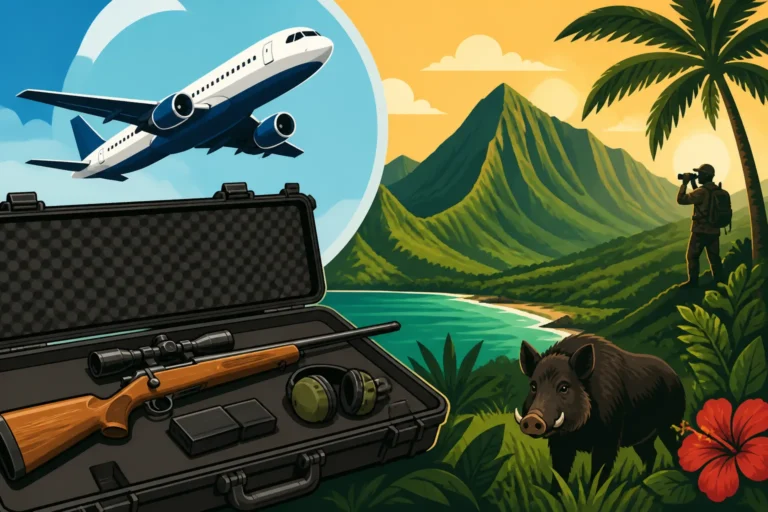
This is perhaps the biggest "it depends" item. Many Hawaii outfitters offer rifle rentals, which can be incredibly convenient, especially for non-resident hunters who want to avoid the hassle of Flying to Hawaii With Firearms and the state's firearm registration process. Renting means you don't have to worry about transport regulations, airline fees, or potential delays. Guides usually provide appropriate calibers for the game you're after, like Axis deer or Mouflon sheep, and include ammunition.
However, many hunters prefer to use their own rifle or bow. If you choose to bring your own, you'll need to research and comply with all Hawaii firearm importation and registration laws well in advance. This includes completing a police department declaration form upon arrival. You'll also be responsible for bringing your own ammunition. Always discuss your weapon preference with your guide during booking. Platforms like BookYourHunt often specify if rifle rentals are available and at what cost.
Food, Water, and Overnight Gear: Depending on Hunt Duration
For most day hunts, your guide might provide some snacks and bottled water, but it's always wise to bring your own ample supply, especially water, given Hawaii's heat and humidity. Water and Heat Planning for a Hawaii Hunt cannot be overstressed. For multi-day hunts that involve staying out in the field or in a rustic camp, the situation changes significantly.
Some outfitters offer fully catered experiences, including all meals and sleeping arrangements (tents, cabins, etc.). Others might expect you to bring your own sleeping bag, pad, and personal food items. Again, this is a detail that needs to be explicitly confirmed when you book. Don't assume anything beyond a basic day pack provision if it's not clearly stated in the hunt package.
Game Care and Trophy Prep: Beyond the Field Dressing
While guides are expert at field dressing and getting the meat cooled, what happens beyond that initial step can vary. Some guides have arrangements with local meat processors and taxidermists, and they can facilitate getting your trophy caped, processed, and shipped. This might be included in the price or an additional cost.
If you plan on taking your meat or trophy home, you need to understand the logistics and costs involved. Shipping Meat Home From Hawaii or Getting a Cape and Horns Shipped Home involves agricultural inspections and specific packaging requirements. Your guide can provide guidance, but the ultimate responsibility for these arrangements and costs usually falls to the hunter. Clarify these details if a trophy or meat return is important to you.
Planning Your Gear: Questions to Ask Your Guide Before You Go
The best way to eliminate uncertainty is through clear, proactive communication with your chosen outfitter. Don't be afraid to ask detailed questions.
Clarifying What's Included in the Hunt Package
Before you finalize your booking, get a written or clearly detailed list of what is and isn't included in your hunt package. This should cover:
- Transportation: What kind of in-field transport is provided? Will they pick you up at your hotel, or a designated meeting point?
- Meals/Water: What food and drink provisions are there for each day?
- Equipment: Are optics (spotting scopes, rangefinders), shooting sticks, or game processing tools provided?
- Weapons: Is a rifle/bow rental an option, and what are the costs for that and ammunition?
- Game Care: What services are included for field dressing, meat cooling, and potential trophy preparation? Do they have a preferred processor or taxidermist?
Knowing exactly What a Hawaii Guide Fee Covers will help you manage your expectations and pack accordingly.
Understanding Logistics: "Day Hunt" vs. "Overnight Expedition"
The duration and style of your hunt significantly impact what you need to bring. A single-day spot-and-stalk hunt for Axis deer is very different from a multi-day pig hunt deep in a rainforest unit.
- Day Hunts: Typically, these require a smaller daypack with essentials like water, snacks, extra layers, and your personal weapon. You'll usually return to your vehicle or accommodation at the end of the day.
- Multi-Day/Overnight Hunts: These necessitate more extensive gear, including sleeping bags, cooking equipment (unless catered), more food and water, and additional clothing. Confirm these details upfront. Some guides might lead hunts that involve Hunting Hawaii's Remote Units and How to Reach Them, which means you'll be far from amenities.
Special Needs and Preferences: Don't Assume
If you have specific dietary restrictions, medical conditions, or accessibility needs, communicate these openly and early. For example, if you require a specific type of medication that needs refrigeration, or if you have limited mobility, your guide needs to know this to plan accordingly and ensure your safety and comfort.
Similarly, if you have strong preferences for certain gear (e.g., you prefer to use your own carbon arrows for bowhunting), discuss this. While guides are professionals, they can't read your mind. A good outfitter will appreciate your transparency and work with you to ensure a successful and enjoyable experience. Using resources like BookYourHunt to find guides often allows you to filter based on certain services or ask questions directly before committing.
Disclaimer
This article is for general informational purposes only and does not constitute professional advice. Laws, prices and regulations vary by location and change over time. Consult a qualified professional for guidance on your specific situation.