Dove Hunting on Hawaii Farm Ground
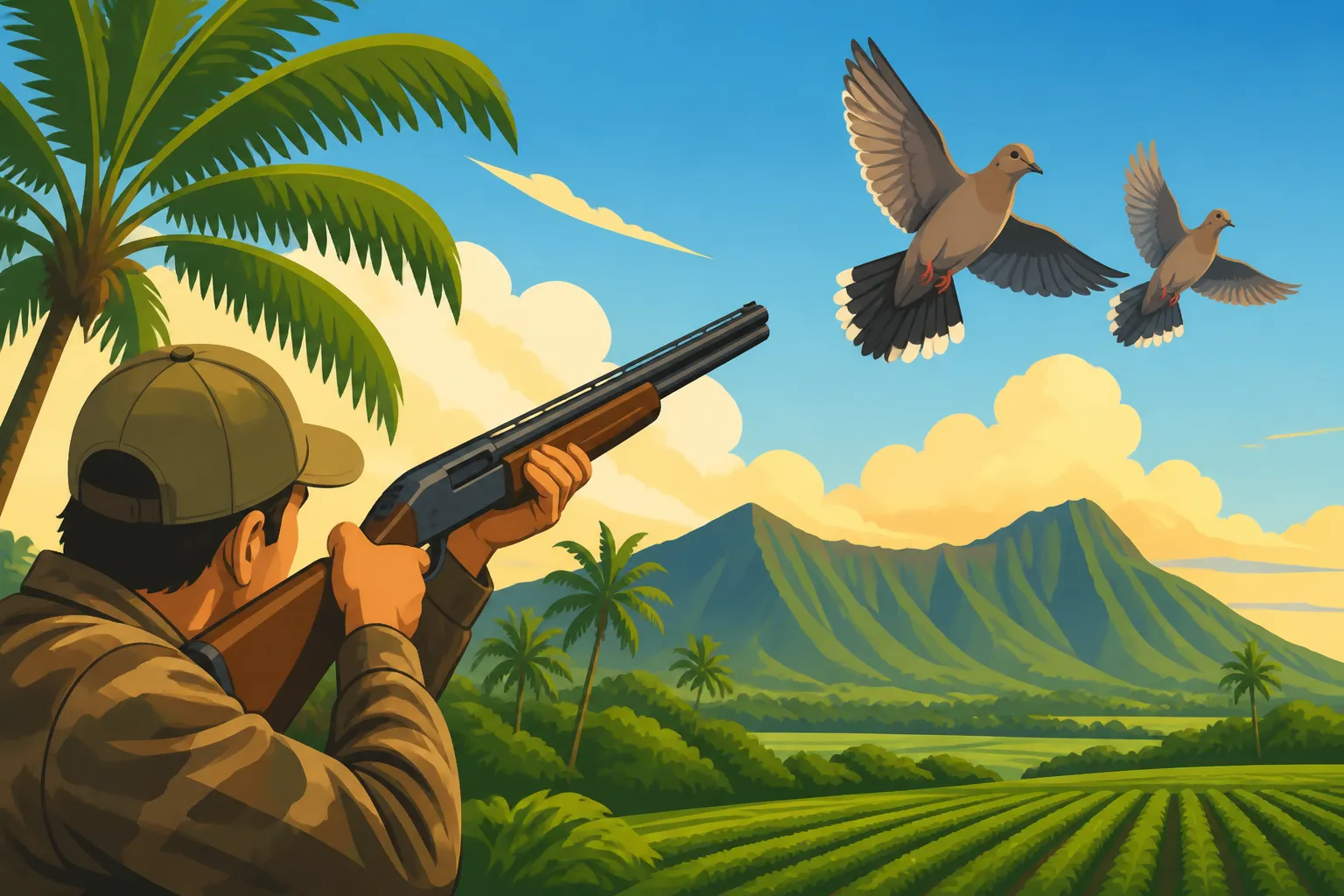
There’s nothing quite like the early morning anticipation, walking out onto a dew-kissed field, the air just starting to warm, and listening for the distinctive coo of a dove. But here in Hawaii, hunting doves on farm ground isn't always as straightforward as it might seem on the mainland. Hunters often face unique challenges, from securing access to understanding how our unique microclimates and specific agricultural practices influence bird behavior. This guide is here to help you navigate those specific hurdles and find success while enjoying the peaceful pursuit of doves amidst Hawaii's working landscapes.
Understanding Hawaii's Dove Species and Habits on Farmland
When you're out looking for doves on the islands, you'll quickly realize it's a different ballgame than hunting mourning doves in a Kansas wheat field. Our dove populations are robust, but their habits are often tied to the specific crops and weather patterns found only here. It's crucial to know what you're looking for and how they interact with our diverse agricultural environments.
Barred Doves and Spotted Doves: Your Primary Targets
In Hawaii, our primary game dove species are the barred dove (also known as zebra dove) and the spotted dove. Both were introduced long ago and have thrived across the islands, becoming a common sight in farmlands, open grasslands, and even suburban areas.
The barred dove is generally smaller, with distinctive black barring on its neck and chest. They often move in small flocks or pairs and prefer open areas with scattered vegetation, making them common visitors to fallow fields, pastures, and the edges of row crops. They're quick, agile flyers, offering challenging shots. Spotted doves, on the other hand, are a bit larger and easily recognized by the speckled patch on their neck. These birds tend to be a bit more gregarious, often gathering in larger numbers, especially when a good food source is present. You'll find them frequenting active agricultural fields, especially those with recently harvested grains or seeds. Understanding the subtle differences in their preferred habitats can help you tailor your scouting and setup. For a broader look at all the birds you might encounter, check out our guide to Hawaii's Game Birds and Where to Find Them.
Daily Routines and Feeding Patterns on Agricultural Land
Doves are creatures of habit, and their daily routines are strongly dictated by feeding, watering, and roosting needs. On farm ground, this becomes even more pronounced. They'll typically leave their roosts just after first light, heading directly to feeding areas. These can be anything from a freshly cut hayfield, a field of sunflowers going to seed, or even disturbed ground where they can pick up small invertebrates and grit.
As the sun gets higher and temperatures climb, especially during the warmer parts of the year, doves will often seek shade or water. You might find them loafing in trees along a fenceline, or flocking to small puddles, irrigation ditches, or stock ponds. Later in the afternoon, they'll have another strong feeding push before heading back to their roosts at sunset. Knowing this rhythm is key to positioning yourself for success. For more on the specifics of their feeding habits, our article on Where Hawaii Doves Feed at Dawn offers some excellent pointers.
The Impact of Crop Cycles on Dove Movement
Hawaii's agricultural landscape is incredibly varied, from sprawling pineapple and sugar cane fields (though much reduced now) to smaller operations growing coffee, macadamia nuts, vegetables, and diversified forage crops. Each crop has a cycle, and these cycles profoundly influence dove movement. A field that’s barren one month could be a dove magnet the next if it’s been recently harvested or planted with something doves love.
For instance, a recently mowed pasture or a field where cattle have been grazing can expose seeds and insects, attracting doves. Similarly, fields planted with seed-producing crops like corn or sorghum (often grown for feed) become highly attractive as they mature and shed seeds. After harvest, the scattered remnants can provide an extended buffet. Keeping an eye on what's being planted and harvested in an area is paramount to successful dove hunting. This proactive scouting is what separates the consistently successful hunters from those who just stumble upon birds.
Locating Productive Farm Grounds for Dove Hunting
Finding the "right" farm ground for dove hunting in Hawaii can feel like a secret handshake sometimes. Unlike vast tracts of public land available in some mainland states, Hawaii's agricultural lands are predominantly private. This means access is often contingent on landowner relationships, and knowing where public opportunities exist is a huge advantage.
Identifying Key Agricultural Areas Across the Islands
Hawaii’s agricultural footprint is diverse, but certain islands and regions stand out for different types of farming that can attract doves. On Maui, for example, you'll still find significant ranching operations and diversified agriculture in the Upcountry and central valley areas, which can provide excellent dove habitat, especially around pastures and hayfields. The Big Island boasts massive cattle ranches, coffee farms, macadamia nut orchards, and vegetable farms, particularly in the Kona and Ka'u districts, and around Waimea. Kauai has its share of diversified farms and cattle ranches, especially in the central and western parts of the island. Even Oahu, despite its urbanization, has agricultural pockets in areas like Waialua and Kahuku.
These areas, with their mix of cultivated fields, pastures, and fallow ground, naturally draw doves seeking food. It's not just about finding a farm, but finding a farm that actively provides a food source for doves during hunting season. This means focusing your scouting on areas known for grain crops, sunflowers, or even cattle operations where supplementary feed might be used or where pastures are regularly mowed.
Permission and Access: Navigating Private Farm Lands
This is often the biggest hurdle for hunters in Hawaii: gaining access to private land. The vast majority of prime dove hunting opportunities are on private farms and ranches. Without prior permission, you are trespassing, which can lead to serious legal issues and tarnish the reputation of all hunters.
The best approach is always direct communication. Start by identifying potential farm areas on maps and then seek out the landowners or farm managers. A respectful, polite approach is critical. Explain your intentions, offer to share game, and always ask about specific rules they might have (e.g., specific dates, areas to avoid, parking). Building a good relationship can open doors for years to come. Remember, these farmers are often busy, so be prepared to be flexible and grateful for any opportunity. Showing respect for their property, closing gates, and not leaving trash are absolute non-negotiables. It's also wise to inquire about any active spraying or harvesting schedules to avoid conflicts or unsafe situations.
Public Hunting Units with Farm Ground Opportunities
While private land offers the most extensive farm ground for doves, there are some public hunting units managed by the Department of Land and Natural Resources (DLNR) Division of Forestry and Wildlife (DOFAW) that include or border agricultural lands. These areas can be fantastic, but they often require more competition and careful planning.
For instance, some Game Management Areas (GMAs) or Forest Reserves might have adjacent or interspersed pasture lands, old sugar cane fields, or even small areas cultivated for wildlife. Always consult the specific unit maps and regulations for the island you plan to hunt. These regulations can specify legal hunting days, required check-in/check-out procedures, and any weapon restrictions. Websites like GoHunt Hawaii are invaluable resources for locating these units and understanding their rules. While you might not find a sprawling cornfield in a public unit, you can often find transition zones, old agricultural plots, or pastures that doves frequent. Being a diligent student of the public land maps is crucial for success here.
Essential Gear and Tactics for Successful Dove Hunting
Dove hunting, while requiring less specialized gear than, say, a big game hunt, still demands the right equipment and a thoughtful approach to tactics. The swift, erratic flight of doves means you need a shotgun that points naturally and ammunition that provides a good pattern.
Shotguns, Ammunition, and Choke Choices for Doves
For dove hunting, a fast-handling shotgun is key. Most hunters prefer a 12-gauge or 20-gauge semi-automatic or over/under shotgun. These allow for quick follow-up shots on those elusive birds. Pump actions work too, but the faster cycle time of a semi-auto can make a difference when doves are whizzing by.
When it comes to ammunition, lighter loads with smaller shot sizes are generally preferred. A 7 1/2 or 8 shot in a 2 3/4 inch shell is typically ideal. These loads have plenty of pellets for good pattern density, but don't over-penetrate or cause excessive damage to the relatively small doves. You want enough pellets to ensure a clean kill without shredding the bird. As for chokes, a modified choke is often a great all-around choice. It provides a good balance of spread and density for shots within typical dove hunting ranges (20-40 yards). If birds are consistently coming in close, an improved cylinder might be better. If they are flaring at longer distances, a light full could be considered, but generally, wider patterns are more forgiving on fast-moving targets. Make sure your shotgun is sighted in and that you've patterned it with your chosen load.
Decoying and Concealment Strategies on Open Fields
Doves have excellent eyesight, so concealment is paramount, especially on open farm ground. Wearing camouflage that blends with the local vegetation is a must. Think greens and browns for fields with some cover, or more arid tones if you're hunting dry pastures or fallow ground. Sitting near a fenceline, a stand of trees, or even behind a portable blind can make a huge difference.
Decoys can significantly improve your success rate. A spread of dove decoys, especially spinning-wing decoys like those from MOJO Outdoors, can draw birds in from a distance. Set up your decoys where doves are likely to land or fly over, usually along a prominent feature like a field edge, a bare patch of ground, or near a watering hole. Place a few on the ground and some elevated on stakes or small trees to simulate a flock feeding and resting. The movement of spinning-wing decoys is incredibly effective at catching a dove's eye and convincing them to investigate.
Scouting and Setting Up for Optimal Shots
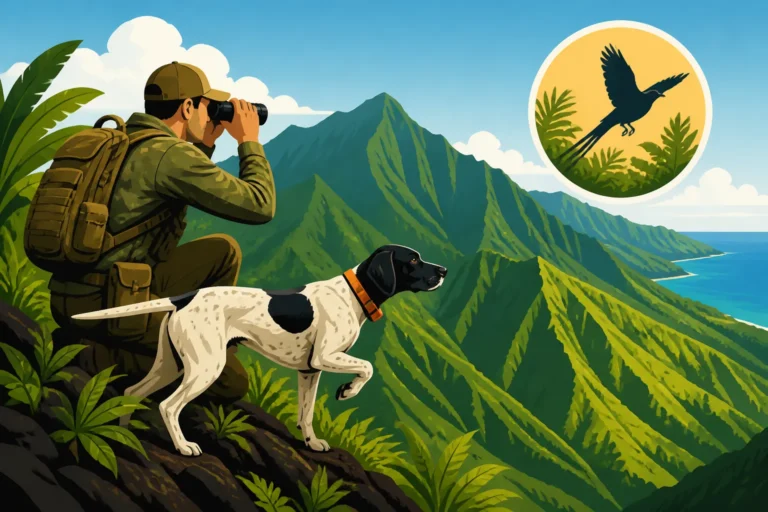
Successful dove hunting on farm ground is 90% scouting and 10% shooting. Before opening day, or even a few days before your planned hunt, spend time observing the fields you have access to. Watch where doves enter and exit the fields, where they concentrate their feeding, and where they go to water or roost. Look for their flight paths – doves are creatures of habit and will often use the same routes.
When setting up, consider the sun's position. You want the sun at your back, if possible, to illuminate the birds for you and make it harder for them to see you. Wind direction is also important; doves often fly into the wind, so positioning yourself to intercept them as they fly against the breeze can give you a better shot. Don't be afraid to move your position if the birds aren't cooperating. Sometimes a small shift of 50 or 100 yards can put you right in the flight path. For tips on preparing for any game bird adventure, remember to check out Hunting Hawaii's Game Bird Weekends.
Navigating Seasons, Regulations, and Local Nuances
Hunting in Hawaii comes with its own set of rules, and game bird hunting is no exception. It's crucial to be well-versed in the seasons, bag limits, and specific island regulations to ensure a legal and ethical hunt. Ignoring these can quickly turn a fun day into a costly mistake.
Understanding Hawaii's Game Bird Seasons and Bag Limits
Hawaii’s game bird seasons are typically announced by DOFAW well in advance, usually covering specific weekends or periods. Unlike mainland states where dove seasons might run for several months, our seasons are generally shorter and more defined, sometimes focused on particular islands or units. It's your responsibility to know the exact dates. You can often find this information directly on the DOFAW website or through resources like GoHunt Hawaii, which consolidates much of this data.
The daily bag limits for doves are also strictly enforced. For barred and spotted doves, the combined daily bag limit is generous, but it's important to remember this is a combined limit. You can't take ten of each, for example, if the combined limit is ten. Always consult the current year's hunting regulations for precise numbers. Our article on Hawaii Game Bird Seasons and Bag Limits provides a comprehensive overview, and for specific numbers, you might find Dove and Quail Daily Bag Limits helpful. These regulations are designed to manage populations sustainably, so adhering to them is part of being a responsible hunter.
Licensing, Stamps, and Checking In on Public Lands
Before you even step foot in the field, you need to ensure all your paperwork is in order. Every hunter in Hawaii, resident or nonresident, must possess a valid Hawaii hunting license. Beyond the general license, game bird hunters are also required to purchase a Hawaii Game Bird Stamp. These are annual requirements and must be carried with you while hunting. For details on purchasing, see Hawaii Hunting Licenses and What They Cost and Game Bird Stamp Cost and Who Needs It.
If you’re hunting on public lands, such as a Game Management Area (GMA), the check-in and check-out procedure is usually mandatory. This often involves stopping at a designated hunter check station to sign in before your hunt and sign out afterward, reporting your harvest. In some units, the OuterSpatial app has replaced paper cards for this purpose, offering a convenient digital solution. Always verify the specific requirements for your chosen unit. For private lands, while state check-in procedures don't apply, you must adhere to any rules set by the landowner.
Safety, Ethics, and Respecting Local Practices
Safety should always be your top priority. This includes wearing appropriate blaze orange (though not always strictly required for dove hunting, it's a good practice, especially in crowded public areas), knowing your shooting lanes, and being absolutely certain of your target and what lies beyond it. Doves can fly low, and stray pellets can travel further than you think. Always follow the fundamental rules of firearm safety.
Ethically, retrieve every bird you shoot. Wounded birds should be pursued immediately. Respect for the land is also paramount. Carry out all your trash, including spent shell casings. If hunting on private land, be extra diligent to leave the area better than you found it. In Hawaii, many families rely on their farms, and local communities value their access to the land. Being a respectful hunter, both in terms of safety and cultural awareness, builds goodwill and helps preserve hunting opportunities for everyone. Our general guide on Hawaii Blaze Orange and Safety Rules covers important considerations for any hunt.
Field Care and Enjoying Your Harvest
Bringing home a bag full of doves is a rewarding experience, but the job isn't done until the meat is properly cared for and, eventually, prepared for the table. Hawaii's warm climate adds a unique challenge to field care that hunters on the mainland might not always face.
Quick Field Dressing and Cooling in Hawaii's Climate
Hawaii's tropical and subtropical climate means that meat can spoil quickly if not handled properly. This is especially true for small game like doves. The moment a bird is shot, the clock starts ticking. Your priority should be to cool the carcass as quickly as possible.
The best practice is to field dress your doves promptly. This means removing the entrails to allow the body cavity to cool down. You can do this with a small knife, or even by hand for doves. Once field dressed, get the birds into a cooler with ice immediately. Don't just toss them in your game vest to heat up in the sun. A small soft-sided cooler with an ice pack or a handful of ice can make a huge difference in meat quality. For more extensive tips on keeping your harvest cool in our unique environment, be sure to read our detailed article on Field Care in Hawaii's Heat and Humidity.
Preparing Your Doves for the Table
Dove meat is dark, rich, and incredibly flavorful, making it a prized delicacy among hunters. Once you get your birds home and fully chilled, you'll need to pluck or skin them. Many hunters opt to breast out doves, which means removing just the breast meat, as this is where the majority of the usable meat is found. This is a quick and efficient method, especially if you have many birds.
After breasting, rinse the meat thoroughly, pat it dry, and then it's ready for cooking or freezing. Dove breasts are fantastic pan-seared, grilled, or even wrapped in bacon and roasted. They cook quickly due to their small size, so be careful not to overcook them, or they can become tough. A quick marinade can add moisture and enhance flavor. There are countless recipes available, but often, simple preparations that highlight the meat's natural richness are the best.
Transporting Your Harvest Responsibly
When transporting your harvested doves, whether from the field to home or between islands, responsible practices are essential. Always keep the birds cool, ideally on ice in a cooler. If you've been asked to leave a wing attached for species identification or to prove bag limits by a game warden, make sure you follow those instructions. Typically, for game birds, leaving a single fully feathered wing attached until the birds reach their final destination (your home or a processing facility) is a common requirement in many jurisdictions.
If you plan to travel between islands with your game, be aware of any agricultural inspection rules or specific requirements for transporting meat. While typically less stringent for personal consumption of game, it's always best to be informed. For any larger game or if you're flying home with meat, different rules apply, but for doves, keeping them cooled and accessible for inspection if requested is usually sufficient. Always verify the latest rules with DOFAW or the local authorities if you have any doubts.
Disclaimer
Please note that hunting regulations, seasons, and access rules in Hawaii are subject to change. Always consult the most current Hawaii Department of Land and Natural Resources (DLNR) Division of Forestry and Wildlife (DOFAW) regulations before planning any hunt. This guide is for informational purposes only and should not be considered a substitute for official legal guidance.