Field Care in Hawaii’s Heat and Humidity
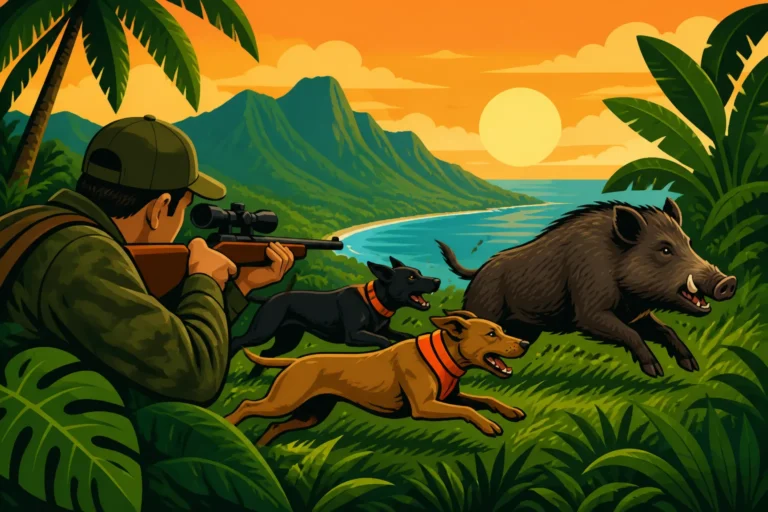
You’ve just made a perfect shot, your heart is pounding, and that animal is down. Now what? The thrill of a successful hunt in Hawaii can quickly turn to dread when you realize the island's relentless heat and humidity are already working against your hard-earned meat. Unlike cooler climates, proper field care here isn't just good practice; it's a desperate race against the clock to prevent spoilage and ensure your venison or pork is fit for the table. This guide will walk you through every critical step, from the moment of truth to getting that meat safely into a cooler.
Understanding the Enemy: Hawaii's Climate Challenges for Hunters
Hunting in Hawaii is an incredible experience, offering unique species and breathtaking landscapes. However, the tropical environment, while beautiful, presents significant challenges for preserving game meat. It’s a completely different ballgame compared to hunting in, say, the frosty mountains of Montana or the crisp autumn woods of the Midwest.
The Double Whammy: Heat and Humidity
Imagine the inside of a warm oven, then add a dense, wet towel. That's essentially the environment your fresh kill is up against in much of Hawaii. Ambient temperatures here rarely drop below the mid-60s, even at night in many hunting areas, and daytime highs often hover in the 80s or 90s. This persistent warmth means the carcass simply cannot cool down on its own through convection as it would in a colder climate.
But it’s not just the heat; it’s the humidity that truly adds insult to injury. The moisture in the air creates an ideal breeding ground for bacteria, which thrive in warm, moist conditions. These microscopic organisms are the primary culprits behind meat spoilage. While the leeward (dry) sides of islands like Maui or the Big Island might offer a brief reprieve from the humidity, the heat itself remains a constant threat. Conversely, hunting Hawaii's wet forest areas on the windward slopes means dealing with a perpetual dampness that accelerates bacterial growth even further. This constant struggle against rapid spoilage is precisely Why Hawaii Game Meat Spoils Fast, and it's something every hunter needs to internalize.
Rapid Deterioration: Why Speed is Your Ally
When an animal is killed, its natural defense mechanisms against bacterial invasion cease. Enzymes within the muscle tissue begin to break down the cells, a process called autolysis, which is necessary for tenderizing meat but also creates a perfect environment for bacteria. In a cold climate, this process is slow and controlled. In Hawaii’s heat, it’s like hitting the fast-forward button.
Bacterial populations can double every 20 minutes under ideal conditions – and Hawaii’s climate often provides those ideal conditions. Within just a few hours, if not properly handled, the meat can start to develop off-odors, become slimy, and eventually render itself inedible. This isn’t just about taste; it’s about food safety. The core temperature of a freshly killed animal is around 100°F. Your primary goal is to drop that temperature below 40°F as quickly as humanly possible. Every minute counts, and a delay of even an hour can mean the difference between prime venison and a wasted harvest.
Immediate Actions Post-Harvest: The First Line of Defense
The moment you confirm your animal is down, the clock starts ticking. What you do in the first 15-30 minutes will have the most profound impact on the quality of your meat. This isn't the time to admire your trophy for an hour; it's time to get to work.
Getting to the Carcass Quickly and Safely
First things first, safety. Even a mortally wounded animal can be dangerous. Approach cautiously from behind, ensuring it’s completely expired. Once it’s safe, quickly mark the spot mentally or with a visible marker. Losing a downed animal, especially in Hawaii's dense brush or over rough lava, is a devastating scenario.
As you approach, take a moment to assess the immediate surroundings. Is there any shade? Is there a slight breeze? These small details can inform your next steps. The priority is to get hands-on as fast as possible. Don't waste time taking endless photos if the temperature is climbing. You can always get trophy shots later after the critical work is done. Remember that in many Hawaii hunting units, like those on the Big Island or Maui, thick vegetation or steep gulches can make locating and reaching a downed animal a real workout.
Gutting (Evisceration) Without Delay
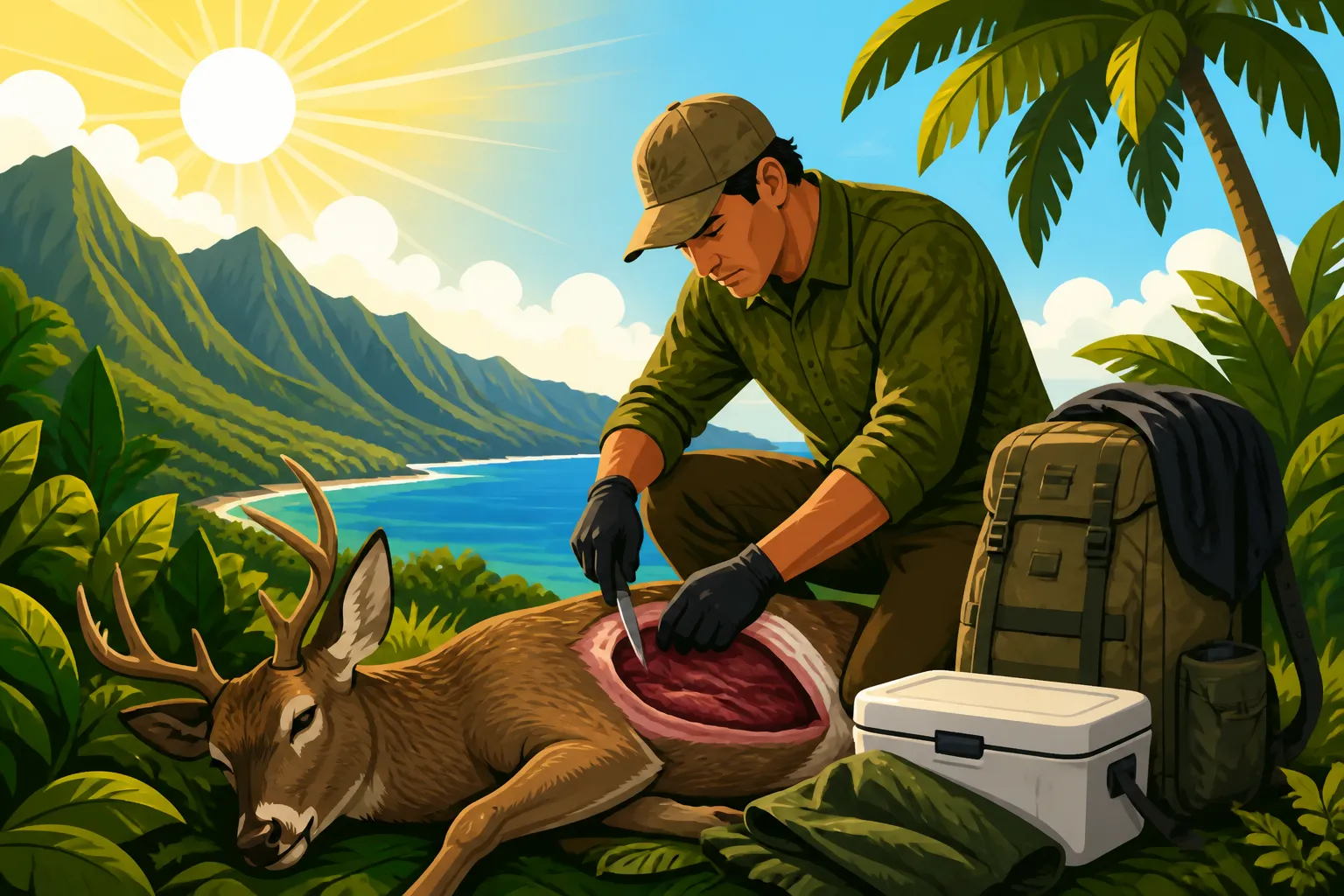
This is arguably the single most important step for preserving meat in hot conditions. The internal organs hold a tremendous amount of heat and contain bacteria that, if released, will quickly contaminate the meat. Therefore, immediate evisceration is non-negotiable.
For deer, goats, and sheep, make a careful cut from the sternum to the pelvis, circling the anus to free the rectum. For pigs, particularly the larger European boar types found across the islands, be especially careful of the sharp tusks and thick hide. Always wear gloves, as Handling Pig Meat and Leptospirosis is a serious concern in Hawaii due to potential pathogens. Once opened, reach inside, sever the esophagus and trachea as high up as possible, and pull out the entire organ package. Make sure to remove everything, including the lungs, heart (if you plan to keep it), and diaphragm. The goal is to create a large cavity that allows air to circulate and heat to escape. If you're wondering how to properly handle your deer after the shot, remember that Field Dressing Axis Deer in Hawaii Heat specifically requires rapid action.
Skinning for Accelerated Cooling (When Possible)
While controversial in some hunting circles, skinning an animal in the field is a powerful tool for heat dissipation in Hawaii. The hide acts like an insulating blanket, trapping heat against the muscle tissue. Removing it allows the meat to cool much faster.
When to Skin:
- You have a long pack out ahead, especially in hot, direct sunlight.
- You plan to quarter the animal immediately.
- The ambient temperature is very high, and there's no way to get the animal to a cooler rapidly.
When to Wait (or reconsider):
- You have a very short pack out to a vehicle with ice.
- You're in a dusty or particularly dirty environment where exposed meat could become heavily contaminated.
- You need the hide for protection during a short drag.
If you decide to skin, do it cleanly, trying not to get hair on the meat. Once the hide is off, the meat will start to form a protective "crust" as it dries slightly, which can help prevent some bacterial growth. This step is particularly vital if you're hunting in challenging environments like Hunting Hawaii's Volcanic Terrain where shade is scarce and temperatures soar.
Strategies for Heat Dissipation in the Field
After the immediate steps, the next phase is all about maximizing air exposure and minimizing further heat absorption. Every trick in the book helps when battling Hawaii's climate.
Air Circulation and Carcass Positioning
Once gutted and potentially skinned, the carcass needs to be propped open to allow maximum airflow. If it’s a smaller animal like a goat or a younger Axis deer, you might be able to hang it from a sturdy branch. If not, position it on its back or side, using sticks or rocks to prop open the body cavity. Get it off the hot ground, even if just a few inches, to prevent heat transfer from below.
Finding shade is paramount. Even if it means moving the carcass a short distance, getting it out of direct sunlight can buy you precious time. Look for dense Kiawe trees in dry country or the understory of an Ohia forest. Position the carcass so any prevailing breeze can flow through the body cavity. On a ridge, you might catch more wind, while in a gulch, thermals might provide some upward draft.
Keeping it Clean: Minimizing Contamination
Contamination is the enemy of good meat. Flies are a major problem in Hawaii and will quickly lay eggs on exposed meat, leading to maggots. Keep the carcass as clean as possible. If you have drinking water to spare, a quick rinse of the internal cavity after gutting can remove any remaining gut contents or blood, but ensure the meat dries quickly afterward to avoid creating more moist surfaces for bacteria.
Always use clean knives. If your knife touches the ground or anything potentially contaminated, wipe it down. Some hunters carry a small bottle of hand sanitizer for their hands and knife blades. While a little dirt or hair on the outside can be trimmed away, internal contamination is far more problematic. A clean harvest starts with a clean approach, ensuring you're doing everything possible to avoid introducing foreign matter.
Temporary Cooling Solutions (Ice, Water, Game Bags)
You might not have a walk-in freezer at your disposal, but there are field-expedient ways to continue the cooling process.
-
Game Bags: These are a hunter's best friend in hot weather. Breathable game bags, often made of cotton or synthetic material, protect the meat from flies, dirt, and debris while still allowing air to circulate. They're far superior to tarps or plastic bags, which trap heat and moisture. Brands like Alaskan Game Bags or Koola Buck offer excellent options designed for maximum breathability and durability. Ensure you have enough bags for each quarter, plus the backstraps and tenderloins.
-
Ice (if available): If you're hunting relatively close to your vehicle and planned ahead, bringing a small cooler with extra ice can be a lifesaver. Pack ziploc bags of ice or frozen water bottles directly into the body cavity. The cold contact will draw heat out of the carcass. Just be careful not to let the meat sit in melted ice water, which can make it waterlogged and promote bacterial growth. Some hunters prefer frozen water bottles wrapped in a towel, as they provide cold without direct water contact.
-
Water (with extreme caution): In very specific, extreme situations (e.g., you're near a clean, cold mountain stream after a kill), some hunters might submerge skinned quarters briefly to rapidly drop temperature. However, this is risky. Unless the water is truly cold and clean, and you can thoroughly dry the meat immediately afterward, you're likely introducing more bacteria than you're removing. This is a last-resort option and generally not recommended for most Hawaii hunting scenarios, especially given many streams are warm or potentially contaminated.
Here’s a quick comparison of common game bag materials:
| Feature | Cotton/Cheesecloth Bags | Synthetic Mesh Bags (e.g., Koola Buck, TAG Bags) | Plastic Bags/Tarps (Not Recommended) |
|---|---|---|---|
| Breathability | Excellent; allows maximum airflow | Excellent; often stronger than cotton | Poor; traps heat and moisture |
| Protection | Good; keeps flies, dirt off | Excellent; very durable against tears, flies | Poor; can tear, doesn't prevent sweating |
| Reusability | Washable, but can stain; may degrade with repeated use | Highly reusable; easy to wash and dry | Single-use; creates waste |
| Weight | Lighter | Lightweight | Varies, but usually heavier for durability |
| Cost | Generally lower | Higher initial cost, but long-lasting | Very low (but expensive in spoiled meat) |
| Best Use | Short-term protection, general field use | Long pack-outs, rough terrain, extended cooling | Avoid for direct meat contact |
The Pack Out: Preserving Meat on the Move
So you've done the initial work, the animal is cooling, and now you have to get it out of the field. This can be the most strenuous part of a Hawaii hunt, especially if you're traversing Hawaii's high elevation alpine ground or negotiating a tricky gulch.
Sectioning the Carcass for Portability
For large game like Axis deer or feral pigs, breaking down the carcass into manageable sections is crucial, not just for carrying but for continued cooling.
- Quartering: This is the most common method. The animal is typically cut into four quarters (two front, two hind), the backstraps are removed from along the spine, and the tenderloins from inside the body cavity. This reduces weight and bulk, and each smaller piece can cool more effectively.
- Boneless Method (Gutless Method): For truly remote or challenging pack outs, or when hunting solo, the gutless method is fantastic. The animal is not eviscerated. Instead, the hunter skins one side, removes the front and hind quarter, the backstrap, and tenderloin. Then the animal is flipped, and the process is repeated. This leaves the gut pile intact and can be much faster and cleaner in the field. It results in boneless meat, which is lighter to carry. Be sure to remove all lymph nodes and excess fat.
- Packing Meat Out of a Hawaii Gulch: The terrain here is no joke. Steep slopes, dense vegetation, and loose volcanic rock can make moving heavy quarters extremely difficult. Plan your route, and if possible, use natural features like fallen logs or existing game trails to your advantage. If you anticipate a challenging extraction, consider bringing a quality hunting frame pack, not just a daypack.
Protecting Meat from Elements and Contaminants
As you pack out, every piece of meat should be in a breathable game bag. Do not, under any circumstances, place game meat directly into plastic bags for transport. Plastic traps heat and moisture, guaranteeing spoilage.
- Sunlight: Direct sunlight will warm up your meat fast. If you must carry meat in the open, cover your game bags with a light-colored, breathable tarp or even a jacket to reflect the sun’s rays.
- Flies and Dust: Game bags are your primary defense here. Keep them tied securely. If you stop for a break, find shade and elevate the meat off the ground if possible.
- Friction: If you’re carrying multiple pieces, try to prevent them from rubbing together excessively, as this can generate heat.
Remember that Cooling Meat Fast on a Hawaii Hunt is an ongoing process, not a one-time event. Even during the pack out, you should be actively thinking about ways to keep that meat as cool as possible.
Strategic Pack Out Planning
Don't wait until you have an animal down to think about how you'll get it out. This should be part of your initial hunt plan.
- Route Planning: Study your hunting unit map (many are available through the GoHunt Hawaii portal or directly from DOFAW). Identify potential extraction routes. Are there old roads, ATV trails, or just dense, untamed wilderness? Consider the terrain in areas like the Kaohe Game Management Area or the slopes of Kahikinui.
- Timing: If you make a kill in the late morning, you’re in for a tough battle against the sun. Making a kill in the late afternoon often means you can take advantage of cooler evening temperatures, but also means potentially packing out in the dark. Ideally, a morning kill allows you time to get the meat cooled and transported before the midday heat peaks. Don’t forget that Checking In and Out of a Hawaii Unit through apps like OuterSpatial means you have to plan your exit time to comply with regulations.
- Extra Hands: Hunting with a partner or two can significantly ease the burden of packing out meat. More hands mean less weight per person and a faster extraction. If you're hunting solo, be prepared to make multiple trips or invest in a sturdy frame pack capable of handling a full load. This is where Water and Heat Planning for a Hawaii Hunt becomes critical – you'll need more water for a longer, more strenuous pack out.
Post-Field Care: From Truck to Cooler to Processor
You’ve got the meat out of the field, but the journey isn't over. The transition from the field to a more controlled cooling environment is the final crucial step before processing.
Rapid Transport and Initial Cooling
As soon as the meat is loaded into your vehicle, get it into a cooler. This means having your coolers pre-chilled and ready to go. Don't leave bagged meat in the bed of a truck to bake in the sun while you run errands or recount your hunt.
- Ice Management: Pack plenty of ice. Block ice lasts longer than cubed ice, but a mix can work too. The goal is contact cooling. Arrange the meat in the cooler so it's in direct contact with ice.
- Keep It Dry: While contact with ice is good, submerged meat in melted ice water is bad. Water leaches flavor, makes meat mushy, and accelerates bacterial growth. Use perforated false bottoms in your coolers or drain plugs to allow water to escape. Alternatively, place ice in separate large ziploc bags or use frozen water bottles that won't leak. If you have boned-out quarters, wrap them loosely in a towel before placing them on ice to absorb moisture.
Proper Cooler Management
This isn’t just about dumping ice on meat. It's about maintaining a stable, cold environment.
- Ice Ratios: A good rule of thumb is to use a 1:1 or even 2:1 ratio of ice to meat by weight, especially in Hawaii's heat. You want to quickly pull the remaining heat out of the muscle tissue.
- Drainage: Regularly drain melted water, and replenish ice as needed. If you're camping for a few days, this might mean a trip to a local convenience store for more ice daily.
- Temperature Monitoring: If you have a remote thermometer, it's a great tool to monitor the internal temperature of your cooler. Aim to keep the meat below 40°F, ideally closer to 35°F.
- Layering: Don't just pile everything in. If possible, layer meat and ice, ensuring each piece gets direct cold contact.
Finding a Reliable Processor
Unless you're planning to butcher and wrap your own meat (which requires its own set of skills and proper facilities), finding a good game processor is essential. In Hawaii, this can sometimes be a challenge, especially in more rural areas.
- Research Ahead of Time: Don't wait until you've got a bloody deer in the back of your truck. Research processors well in advance of your hunt. Ask other local hunters for recommendations. Check online resources, and sometimes the GoHunt portal might list local services or give guidance on processing.
- Ask About Their Procedures: When you call a processor, ask about their cooling methods. Do they have a walk-in cooler? What's their turnaround time? A good processor will emphasize rapid chilling and proper handling to maintain meat quality.
- Communicating Your Needs: Clearly communicate what cuts you want and any special requests. Also, discuss any concerns you have about the meat due to the heat. A transparent conversation will help manage expectations and ensure you get the best possible product.
Special Considerations for Hawaii's Unique Game
Hawaii's game animals, while delicious, each come with their own unique characteristics that influence field care.
Axis Deer: Lean Meat, Fast Spoilage
Axis deer are widely considered one of the best-tasting deer species globally, known for their mild, almost beef-like flavor. This is largely due to their very lean meat and diet. However, this leanness also means they can spoil rapidly in the heat.
- No Heavy Fat Layer: Unlike some other deer species, Axis deer don't carry a thick layer of subcutaneous fat that can help insulate and protect the meat. This means heat penetrates and affects the muscle tissue more directly.
- Mild Flavor Preservation: The very reason Axis venison is so prized – its mildness – can be easily compromised by improper handling. Any bacterial growth will quickly introduce off-flavors. So, Why Axis Venison Tastes Mild is directly linked to how meticulously you handle it in the field. Rapid cooling and cleanliness are key to preserving that coveted taste. This is where Field Dressing Axis Deer in Hawaii Heat becomes an exercise in speed and precision.
Feral Pigs: Leptospirosis and Other Risks
Feral pigs are another popular game animal in Hawaii, but they come with additional health considerations that demand extra caution during field care.
- Disease Risk: Feral pigs can carry a variety of zoonotic diseases, most notably leptospirosis, but also toxoplasmosis and even rat lungworm. Leptospirosis, in particular, can be transmitted through contact with infected urine or blood and can cause severe flu-like symptoms, even organ failure, in humans.
- Hygiene is Paramount: When handling a feral pig, always wear gloves. After gutting and quartering, wash your hands thoroughly with soap and water or use a strong hand sanitizer. Avoid rubbing your eyes or face until you've cleaned up. Clean your knives and tools meticulously after processing.
- Cooking Thoroughly: Always cook feral pig meat to an internal temperature of at least 160°F (or 145°F for whole cuts, rested for 3 minutes) to kill any potential pathogens. Handling Pig Meat and Leptospirosis isn't just a concern for hunters; it's a public health issue that requires diligence.
Mouflon and Goats: Tougher Animals, Still Susceptible
Mouflon sheep and feral goats, often found in Hawaii's more arid or mountainous regions, are incredibly resilient animals. While their meat might not always be as universally lauded as Axis deer, it can be excellent if handled correctly.
- Muscular and Active: These animals are often incredibly fit and muscular, especially those living on steep slopes like those on Mauna Kea. This dense muscle tissue still holds heat, so rapid cooling is just as important.
- "Gamey" Flavor Control: Some hunters report a "gamey" flavor in older rams or billy goats. While diet and genetics play a role, improper field care – allowing the meat to heat up – will significantly amplify any undesirable flavors. Quick cooling helps to mitigate this, preserving the best possible flavor.
- Care in Rough Terrain: Goats often fall in precipitous terrain, requiring extra care in recovery. Whether you're Hunting Goats on Hawaii's Coastal Cliffs or high up in a remote valley, getting to the animal and starting the field care process safely and quickly is paramount. Don't let the difficulty of retrieval compromise your meat handling.
Disclaimer
Please be aware that hunting regulations, seasons, and access can change. Always consult the most current Hawaii Department of Land and Natural Resources (DLNR) Division of Forestry and Wildlife (DOFAW) regulations before planning any hunt. This guide is for informational purposes only and does not supersede official government guidelines. Hunters are responsible for their own safety and for adhering to all laws and regulations.