Training Pig Dogs in Hawaii
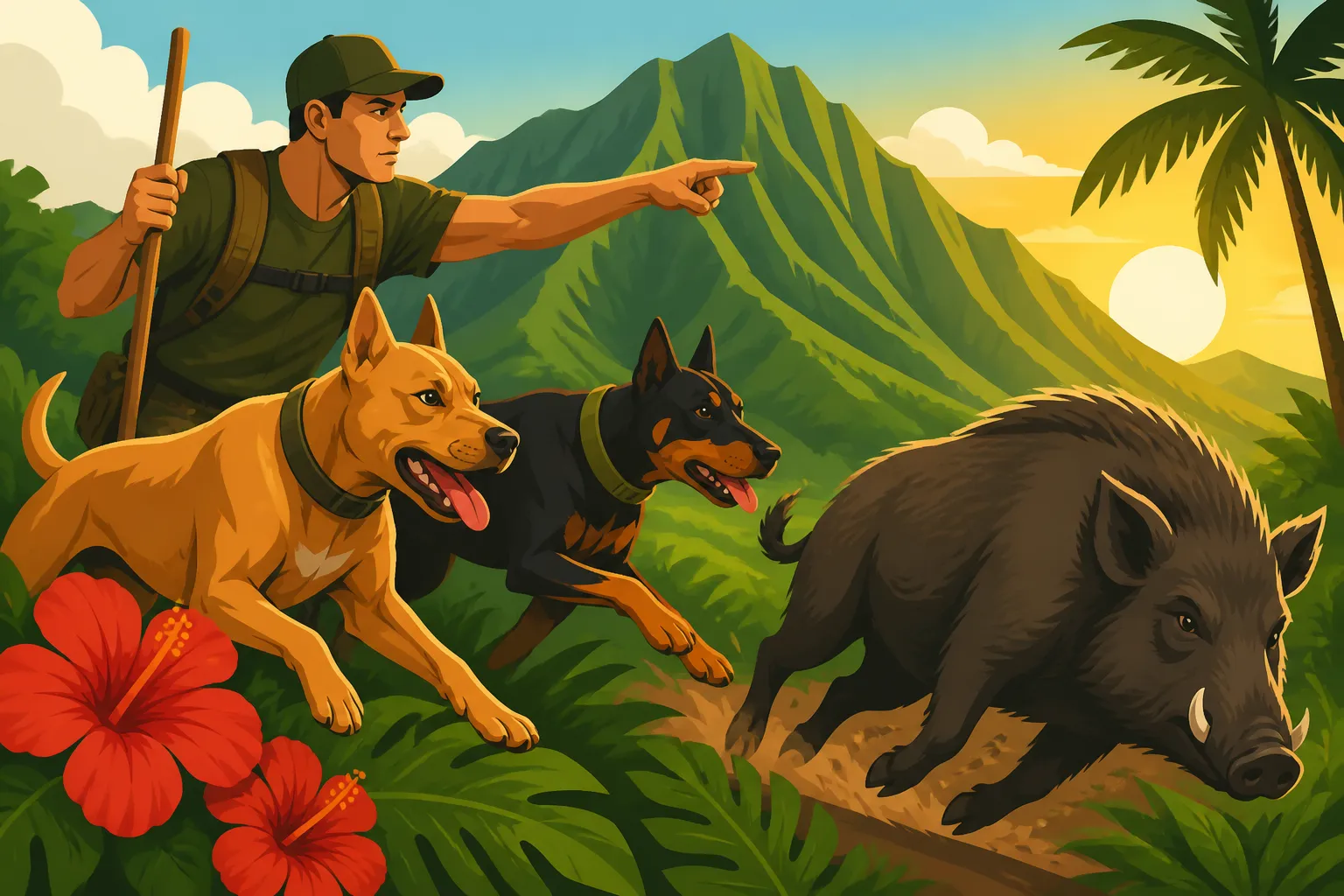
If you've ever dreamt of the thrilling pursuit of feral pigs through Hawaii's rugged landscape with a pack of barking dogs, you know it’s a whole different ball game than hunting on the mainland. Many hunters arrive with experienced dogs, only to find the dense jungle, sharp lava, and relentless humidity pose challenges their canine companions just aren't prepared for. This guide will walk you through the essential steps and unique considerations for effectively training pig dogs specifically for the demanding, yet incredibly rewarding, Hawaiian hunting environment.
Understanding the Unique Hawaiian Pig Dog Challenge
Hunting feral pigs in Hawaii is a unique experience, demanding a very specific skill set from your canine partners. It's not just about having a high-drive dog; it's about having one that can adapt to extreme conditions and the notoriously tough pigs found across the islands. The environment itself is a primary trainer, and often, a primary challenge.
The Terrain and Climate Factor
Imagine trying to run full-tilt through a tangled mess of uluhe fern and guava thickets, all while navigating hidden lava tubes and slippery stream beds under a relentless sun or pouring rain. That's a typical day for a pig dog in Hawaii. The terrain here is incredibly varied, from the razor-sharp a'a lava flows on the Big Island to the incredibly steep, wet gulches and dense rainforests on places like Oahu and Maui. Your dogs will encounter everything from dry, dusty kiawe flats to boggy, muddy patches in deep valleys. This isn't just uncomfortable; it's physically taxing and can quickly lead to injury if a dog isn't properly conditioned and trained to navigate it carefully.
Beyond the ground cover, the climate itself is a major factor. The constant heat and humidity, especially in the lowlands and windward valleys, means dogs can overheat rapidly. Staying hydrated and understanding the signs of heat stress are paramount. On the flip side, some mountain units, like parts of Mauna Kea or Haleakala, can get surprisingly cold and wet, requiring dogs to be adaptable to temperature swings. A dog trained in temperate climates might excel at tracking, but without the physical and mental toughness to withstand Hawaii's extremes, they won't last long in the field. This constant environmental pressure shapes how we approach every aspect of their training, from endurance to paw conditioning.
Different Pig Personalities
Hawaii's feral pigs are notoriously tough, smart, and often aggressive. They aren't the docile farm animals some hunters might imagine. These pigs, a mix of Polynesian and European genetics, have adapted over centuries to evade hunters and thrive in extreme conditions. A big boar can easily weigh well over 200 pounds, sometimes pushing 300 or more, and possess formidable tusks capable of inflicting serious injury to a dog, or a hunter. Because there are no natural predators here, these pigs can grow quite large and develop a strong survival instinct, often choosing to stand and fight rather than flee when cornered.
This means your dogs need to understand how to handle an enraged boar or a protective sow with piglets. A pig that's "bayed up" might stand its ground and charge, requiring your bay dogs to be quick on their feet, relentless in their vocalization, and smart enough to keep a safe distance while holding the animal. Meanwhile, your catch dogs need to know precisely when and how to engage, targeting specific areas to minimize risk to themselves and the other dogs. Unlike some mainland hunts where a quick shot might end the pursuit, in Hawaii, it's often a close-quarters engagement, making the dog's ability to read and react to the pig's behavior absolutely critical. For a deeper dive into the behavior of these formidable animals, you might find more helpful information in our guide on What a Hawaii Feral Boar Weighs.
Balancing Instinct with Control
One of the biggest frustrations for new pig dog hunters in Hawaii is the challenge of channeling a dog's natural hunting instinct into controlled, effective behavior. You want a dog with intense drive to find and pursue game, but you also need them to be responsive to your commands, especially when navigating dense cover, respecting boundaries, or dealing with a dangerous pig. The balance between allowing a dog to work independently and maintaining control is delicate. Too much control, and the dog becomes hesitant; too little, and they might chase deer, goats, or even protected species, or get into fights they can't win.
In Hawaii's varied terrain, dogs often work out of sight, relying on their nose, ears, and previous training. A good pig dog in Hawaii isn't just a runner; it's a strategic hunter that knows when to push, when to circle, and when to hold back. This balance is crucial not only for safety but for effectiveness. You'll hear stories of dogs getting lost, injured, or worse, because they weren't properly trained to check back in or follow specific commands in high-stress situations. Mastering this balance starts with a strong foundation of obedience and builds through consistent, realistic training scenarios.
Foundational Training for Future Pig Hunters
Before you even think about putting your dog on a pig track in Hawaii, they need a rock-solid foundation of basic obedience and socialization. This isn't just for good manners; it's literally a matter of life and death in the demanding Hawaiian environment. Without these basics, you're setting both yourself and your dog up for failure, or worse, serious injury.
Obedience is Non-Negotiable
Forget about the romanticized image of a wild dog tearing through the jungle. A truly effective Hawaiian pig dog is, first and foremost, an obedient dog. This means consistent recall, even when distracted by scent or sight, a solid "stay" or "wait" command, and the ability to walk on a leash politely, especially important when navigating public access points or crowded trails. Think about it: you might be walking a long, hot mile to a hunting unit, and you need your dogs to conserve energy and stay by your side, not pull you through every shrub. A strong "leave it" command is also vital, as your dog will encounter all sorts of things they shouldn't bother, from livestock to protected wildlife.
We validate the frustration of dogs sometimes tuning out in the heat of the moment. It happens to everyone. But that's why repetition, repetition, repetition is key in a variety of environments. Start in low-distraction areas and gradually introduce more complex scenarios. Use high-value rewards to make coming to you the most appealing option, even when a tantalizing smell is present. Tools like electronic collars, when used responsibly and correctly as a reinforcement tool (not a punishment tool), can be invaluable for extending your reach and ensuring compliance in vast, open, or dense areas where vocal commands might be lost. Remember, an obedient dog is a safe dog, and a safe dog is one you can trust when the stakes are high.
Building Scent Discrimination and Tracking Skills
The ability to accurately discriminate pig scent from other animal scents and follow a cold or hot track is paramount for pig hunting in Hawaii. Unlike some hunting methods that rely heavily on sight, working in dense Hawaiian jungle means your dogs will be primarily relying on their noses. Training for this begins with simple scent games, like hiding a pig hide (fresh or cured) or a piece of pig meat and encouraging your dog to find it. Gradually increase the difficulty by making the "tracks" longer, older, and leading through more varied terrain and cover. You want them to develop a methodical approach to tracking, not just randomly running around.
Introduce other animal scents into the training environment (goat, deer, even domestic animal scents if you can) and actively discourage interest in them while rewarding focus on pig scent. This helps your dog understand what they are looking for. Pay close attention to how your dog works a track: are they consistent? Do they get easily distracted? Are they trailing with their nose to the ground, or are they head-up, air scenting? Both methods have their place, but a good tracker will utilize both as the situation dictates. Consider using brands like GoHunt's mapping features during training to plot your scent trails and track your dog's progress, helping you analyze their efficiency and areas for improvement. This deliberate approach to scent work will make all the difference when they're on a real pig track in the wild, dense cover.
Socialization with Other Dogs and Wild Animals
Hawaii's pig hunting often involves multiple dogs working together – a combination of bay dogs and catch dogs. This means your dog needs to be well-socialized and comfortable working in close proximity with other canines, even under stressful conditions. A dog that fights with its partners is a liability, distracting from the hunt and risking injury to the entire pack. Introduce your dogs to other hunting dogs early and often in controlled settings. Observe their interactions, intervene if necessary, and ensure positive experiences. Working together efficiently as a team is critical for safely and effectively subduing a pig.
Beyond other dogs, your hunting dog needs to be well-versed in what not to chase. Hawaii is home to several protected species, including the Nene (Hawaiian goose) and various native forest birds. While some game animals like feral goats and axis deer are also hunted, your pig dog's primary focus should remain pigs. This goes back to the "leave it" command and scent discrimination. Never allow your dog to harass or chase protected wildlife or even other game animals you are not currently targeting. Any deviation can lead to fines, loss of hunting privileges, or worse, harm to a vulnerable species. Responsible hunters in Hawaii take this very seriously, and it's a testament to good training if your dog can ignore a browsing goat to focus on a fresh pig track. This discipline is essential for ethical and legal hunting on the islands.
Specialized Techniques for Hawaii's Wild Hogs
Once your dog has mastered the foundational skills, it’s time to move into the more advanced, specialized techniques that are crucial for success when Hunting Hawaii's Feral Pigs. This is where theory meets reality, and your dogs learn how to effectively find, bay, and catch these formidable animals in the diverse and challenging Hawaiian landscape.
Bay Dog Development: Holding the Line
A well-trained bay dog is the backbone of a successful pig hunt. Their job is to find the pig, loudly vocalize (bay), and keep the pig "held up" in one spot without making physical contact, allowing the hunter and catch dogs to arrive. This requires incredible courage, intelligence, and agility. Training begins by introducing your dog to a pig in a controlled environment, such as a pen. The goal is to encourage barking and circling, rather than immediate engagement. You want them to understand that their voice is their primary weapon. Many experienced local hunters will start younger dogs with smaller, less aggressive pigs to build confidence, gradually introducing them to larger, more challenging boars.
The key to a good bay dog is teaching them to maintain a safe distance while keeping the pig agitated and focused on them. They need to be quick enough to dodge charges and smart enough to use terrain to their advantage, like a fallen log or a clump of thick brush. Consistency is crucial; every time your dog bays, you want to reinforce that behavior. Some bay dogs also excel at tracking, leading the hunt, but their ultimate role is to stop the pig. This skill is honed through repeated exposure and careful observation, ensuring your dog isn't too timid, nor overly aggressive. As you progress, you'll find that some dogs naturally gravitate towards this role, showing an innate ability to "read" the pig and hold it effectively.
Catch Dog Conditioning: The Take Down
Catch dogs are the finishers. Their role is to engage the bayed pig, typically around the ear or head, and hold it firmly, allowing the hunter to safely move in and dispatch the animal. This is arguably the most dangerous part of the hunt for the dogs, requiring immense strength, courage, and a precise understanding of when and how to act. Conditioning for catch dogs is as much about physical prowess as it is about mental fortitude. They need to be incredibly strong and agile to handle the thrashing of a large pig. This means a lot of physical training beyond the hunt itself, including running, swimming, and strength exercises.
Safety is paramount for catch dogs. They are the ones most susceptible to injury from a pig's tusks. This is why properly Fitting a Cut Vest on a Catch Dog is absolutely essential. These vests, often made of multiple layers of ballistic nylon or Kevlar, protect vital organs from piercing tusks. Training involves teaching the dog to move in decisively on command, target specific areas on the pig to get a secure hold, and maintain that hold until the hunter arrives. This is not a task for every dog; only those with the right temperament, drive, and physical attributes should be considered for this critical role. Many hunters also equip their catch dogs with GPS Collars for Pig Dogs in Thick Cover, not only for recovery if they get lost but also to track their movements and engagement patterns during the actual catch, providing valuable data for refining training.
Navigating Water and Thick Cover
Hawaii's landscape is dotted with stream crossings, irrigation ditches, and dense, often muddy, low-lying areas. Your pig dogs need to be comfortable and proficient at navigating water. Some pigs will use water as an escape route, and a dog that hesitates at a stream crossing can lose the track and the pig. Introduce your dogs to water early on, making it a positive experience. Start with shallow streams and gradually move to deeper, moving water. Encourage them to swim and to track scents across and through water. This can be particularly challenging when Hunting Pigs in Hawaii's Rainforest Gulches, where steep, slippery banks lead down to fast-flowing streams.
Equally important is teaching them to efficiently move through incredibly thick cover, like stands of ginger, strawberry guava, or uluhe fern. These areas can be so dense that a hunter can barely crawl through, but a dog must be able to push through, sometimes even burrowing. This is where their sheer determination and physical conditioning really shine. Training involves encouraging them to follow scents into and through these thickets, rewarding them for perseverance. You also need to teach them to avoid getting tangled or stuck, and to use their body to push through the vegetation. Many local hunters will utilize specific calls or whistles to direct dogs in thick cover, as visual contact is often impossible. Practicing these commands regularly in similar environments will save you immense frustration and time in the field, making the dog a true asset in the challenging environment of Hawaii's wet forest.
Gear, Safety, and Ethical Considerations
Training pig dogs for Hawaii isn't just about the dogs' skills; it's also about the hunter's preparation, the right gear, and a deep understanding of safety and ethical responsibilities. Hunting in Hawaii comes with unique challenges, and being prepared is key to a successful, safe, and respectful hunt.
Essential Training Gear and Canine First Aid
Just like you wouldn't go into the field without the right tools, your dog's training and hunting require specific gear. We already mentioned cut vests and GPS collars for catching and tracking, respectively. For training, a good quality long line (30-50 feet) is invaluable for teaching recall and scent work in open areas while maintaining control. A variety of pig hides or scent articles are also necessary to build scent discrimination. High-value treats, a clicker, and a whistle are standard training aids. Don't forget durable, comfortable harnesses and leashes for regular walks and transport.
Beyond training gear, a comprehensive canine first aid kit is non-negotiable for hunting in Hawaii. Injuries happen, even to the most careful dogs. This kit should include:
- Wound care: Antiseptic wipes, sterile gauze, self-adhering bandages (VetWrap), medical tape, super glue or liquid bandage for minor cuts, and saline solution for flushing wounds.
- Pain relief/anti-inflammatory: Consult your vet for appropriate dog-safe medications to carry.
- Tick/insect removal tools: Ticks are present in some areas, and insect bites can cause issues.
- Electrolyte solution/oral rehydration salts: Crucial for preventing dehydration in the heat.
- Paw protection: Musher's Secret or paw booties for sensitive paws or navigating rough lava.
- Splint material: In case of a broken limb.
- Emergency blanket: For shock or hypothermia in cooler, wet conditions.
Knowing how to use these items quickly and effectively could save your dog's life. It's a harsh reality that hunting pigs can result in injuries, so being prepared is not just smart, it's a moral obligation.
Avoiding Encounters with Protected Species
Hawaii's unique ecosystem means hunters share the land with a variety of native and endemic species, many of which are protected. This is a crucial ethical and legal consideration that every pig dog hunter must ingrain in their training philosophy. We've touched on scent discrimination, but it bears repeating: your dogs must learn to ignore anything that isn't a pig. The Nene (Hawaiian goose), the state bird, for example, often feeds in grassy areas that pigs also frequent. Chasing or harming a Nene, or any other protected species, carries severe penalties, including hefty fines and potential jail time.
Before hunting any unit, familiarize yourself with the protected species present in that area. Maps provided by the Department of Land and Natural Resources (DLNR) or through apps like GoHunt can help identify critical habitat areas. If you encounter a protected species, immediately call your dogs back and leash them. This is where that non-negotiable obedience comes into play. It's frustrating when a dog loses focus, but the consequences of a dog harassing protected wildlife are far too great. It’s not just about compliance with Hawaii Dog Hunting Rules, it’s about being a responsible steward of Hawaii's precious natural heritage.
The Role of Respect and Responsibility
Hunting in Hawaii is not just a sport; for many, it's a cultural practice and a vital part of managing invasive species that threaten native ecosystems. As such, hunting with dogs carries a significant responsibility to respect the land, the wildlife, and the local hunting traditions. This means always following all regulations, including those concerning Legal Weapons When Hunting Pigs With Dogs and tagging requirements. It also means showing respect to other hunters you encounter, being mindful of private property boundaries, and treating the animals you pursue with respect.
The responsibility extends to your dogs, ensuring they are always under your control, healthy, and humanely treated. This includes proper training, adequate nutrition, and veterinary care. If you're going to use dogs to pursue animals, you owe it to those dogs to ensure their well-being. Furthermore, after a successful hunt, proper field dressing and meat care are essential, especially in Hawaii's heat, to honor the animal and utilize the harvest responsibly. This holistic approach, from diligent training to ethical conduct in the field, defines a true Hawaiian pig dog hunter.
Disclaimer
The information provided in this guide is for general informational purposes only and does not constitute legal advice. Hunting regulations in Hawaii are subject to change, and it is the hunter's responsibility to consult the latest rules and regulations published by the Hawaii Department of Land and Natural Resources (DLNR) Division of Forestry and Wildlife (DOFAW) before engaging in any hunting activities. Always prioritize safety, ethics, and responsible wildlife management.