Hunting Mouflon in Mauna Kea’s Thin Air
Hunting mouflon sheep on Mauna Kea is an experience unlike any other in the islands, but it presents a unique set of challenges that can leave even seasoned hunters breathless and frustrated. The thin air, unforgiving volcanic terrain, and unpredictable weather demand meticulous preparation and a deep understanding of this high-altitude environment. This guide is here to walk you through everything you need to know to pursue these majestic animals successfully in Hawaii's highest hunting grounds.
The Mauna Kea Challenge: Thin Air and Harsh Landscape
Mauna Kea isn't just a mountain; it's a world unto itself. Ascending its slopes to hunt mouflon sheep means entering an environment that is starkly different from the tropical lowlands, presenting physical and logistical hurdles that demand respect and careful planning. You might arrive from sea level, full of energy, only to find yourself winded just hiking a short distance, a feeling many underestimate until they're actually there.
Understanding High-Altitude Effects on Hunters
The most immediate and profound challenge on Mauna Kea is the altitude. The hunting units typically range from around 6,000 feet to over 10,000 feet, where the air is noticeably thinner. This means less oxygen is available with each breath, putting a significant strain on your cardiovascular system. What might be an easy stroll at home becomes a lung-busting effort up here. Hunters often report headaches, dizziness, nausea, and extreme fatigue – classic symptoms of acute mountain sickness – if they don't prepare properly. It's not about being out of shape; it's about your body reacting to a lack of oxygen it's not accustomed to.
Even if you’re physically fit, your body needs time to acclimatize. Trying to hunt hard on your first day after arriving from sea level is a recipe for misery, and potentially, danger. Your decision-making can be impaired, and your stamina will plummet. Furthermore, the high UV index at these elevations can cause severe sunburn and eye strain if you don't use adequate protection, adding another layer of discomfort to an already strenuous hunt.
Mauna Kea's Unique Terrain and Climate
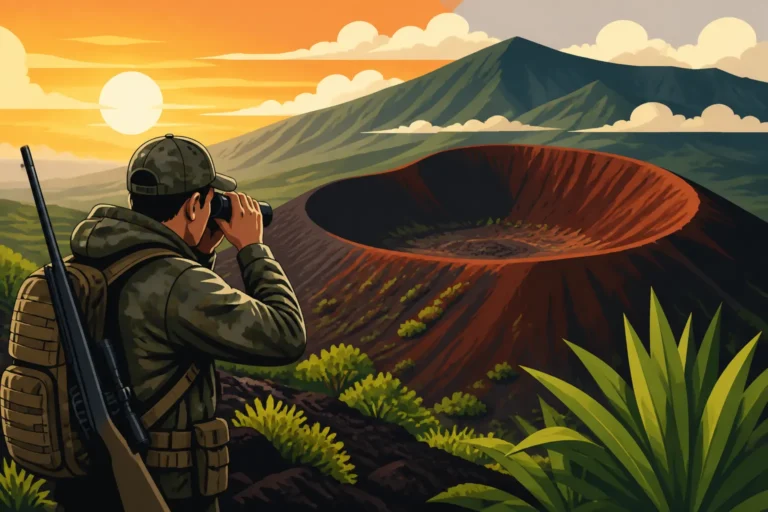
Beyond the thin air, Mauna Kea's landscape itself is a formidable opponent. You'll be navigating a mix of ancient lava flows, fields of jagged a'a and smooth pahoehoe, and rolling cinder cones. This isn't soft forest floor or grassy plains; every step requires focus to avoid twisting an ankle or scraping a knee. Walking Rough Lava Without Wrecking Your Boots is a skill you'll quickly develop, or wish you had. The terrain can be incredibly deceptive, with gradual slopes suddenly dropping into steep, rocky gulches.
The climate up here is also a stark contrast to the beaches below. While the sun can be intense, especially around midday, temperatures can plummet rapidly, particularly when the sun dips or a cloud bank rolls in. High winds are common, capable of cutting right through inadequate clothing and making sustained glassing efforts incredibly difficult. You might start your morning bundled up in layers, strip down to a t-shirt by noon, and then be desperate for your heavy jacket again by late afternoon. This extreme variability means you need to be prepared for all four seasons in a single day, a reality that often catches new hunters by surprise.
Essential Preparations for Mauna Kea Mouflon
Success on Mauna Kea, more than almost any other hunting ground in Hawaii, hinges on what you do before you ever step foot on the mountain. Ignoring proper preparation is a shortcut to disappointment, or worse, a dangerous situation. This isn't just about bagging a ram; it's about having a safe and enjoyable experience in a challenging environment.
Physical Conditioning and Acclimatization
To truly tackle Mauna Kea, you need to be in the best physical shape you can manage. Focus on cardiovascular endurance: long hikes, stair climbing, or even running with a weighted pack will pay dividends. Mimic the elevation gain you expect on the mountain by choosing trails with significant vertical. Don't just work out in the gym; get outdoors and condition your body for uneven, rocky terrain. Your legs, lungs, and core will thank you when you're traversing a steep cinder cone or picking your way across a lava field.
Acclimatization is equally critical. If possible, plan to arrive on Hawaii Island at least 2-3 days before your hunt and spend time at an intermediate elevation, perhaps around 4,000-6,000 feet. This allows your body to start producing more red blood cells and adjust to the lower oxygen levels. Even simply staying in a town like Kamuela or Volcano Village for a couple of nights before heading up can make a noticeable difference. During this time, stay hydrated and avoid strenuous activity or alcohol. Many hunters underestimate the impact of even a slight hangover combined with altitude sickness. Remember, the goal is to feel strong and clear-headed, not just to survive.
Gear Selection for Extreme Conditions
Your gear choices can make or break a Mauna Kea hunt. Layering is paramount. Start with a good moisture-wicking base layer, add insulating mid-layers like fleece or puffy jackets, and top it with a waterproof and windproof outer shell. The wind above the tree line can be brutal, and sudden rain or graupel (soft hail) storms are not uncommon. Hunting Hawaii's High Elevation Alpine Ground demands this level of versatility.
Footwear is another non-negotiable. Sturdy, ankle-supporting boots with stiff soles are essential for navigating the abrasive lava and loose cinders. You'll need good traction and protection from sharp rocks. Don't forget quality wool socks to prevent blisters.
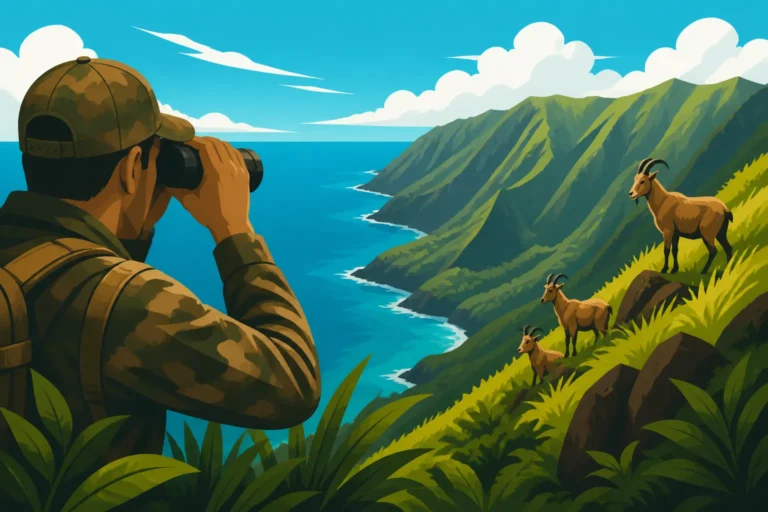
Optics are your best friends for Glassing a Lava Flow for Mouflon Rams. A good pair of 10x or 12x binoculars on a tripod will allow you to pick apart distant slopes, identifying rams from ewes and spotting bedded animals that blend seamlessly into the terrain. A spotting scope is also highly recommended for judging horn size from long distances without having to cover unnecessary ground. You’ll be doing a lot of looking, so comfort in glassing is key.
Here's a quick comparison of general hunting challenges versus those specific to Mauna Kea:
| Feature | General Hawaii Hunting Challenges | Mauna Kea Mouflon Hunting Challenges |
|---|---|---|
| Elevation | Sea level to ~4,000 feet | 6,000 to 10,000+ feet (thin air) |
| Air Quality | Humid, dense | Dry, very thin, low oxygen |
| Terrain | Thick jungle, gulches, open pasture, rocky slopes | Jagged lava fields, loose cinder, mamane forest |
| Climate | Hot, humid, sudden rain | Extreme temperature swings, high winds, intense UV |
| Water Access | Often available in gulches or streams (filtered) | Scarce, requires carrying all water |
| Physical Demands | Endurance for long walks, steep climbs, heat | High cardio for altitude, foot placement on lava |
| Navigation | Dense cover, stream crossings | Open, but deceptive, subtle contours, vastness |
| Gear Focus | Rain gear, light layers, sturdy boots, hydration | Layers, wind/waterproof shell, heavy boots, quality optics, extra water, sun protection |
For navigation and regulations, the GoHunt app or website is an invaluable resource. Before heading out, you'll need to understand Hawaii's Hunting Units and How They Work and specifically check the details for Units A and G on Mauna Kea, including access points and any current closures. Use the app to download maps for offline use, as cell service is patchy to non-existent on much of the mountain. You'll need to secure your Hawaii Hunting Licenses and What They Cost and any required permits or tags well in advance. Don't forget a first-aid kit stocked with altitude sickness medication, pain relievers, blister treatment, and any personal medications.
Hunting Strategies for High-Elevation Mouflon
Mouflon sheep are incredibly wary animals, perfectly adapted to their rugged habitat. Successfully hunting them on Mauna Kea requires a blend of patience, keen observation, and strategic movement, all while battling the elements.
Spot-and-Stalk Tactics Above the Tree Line
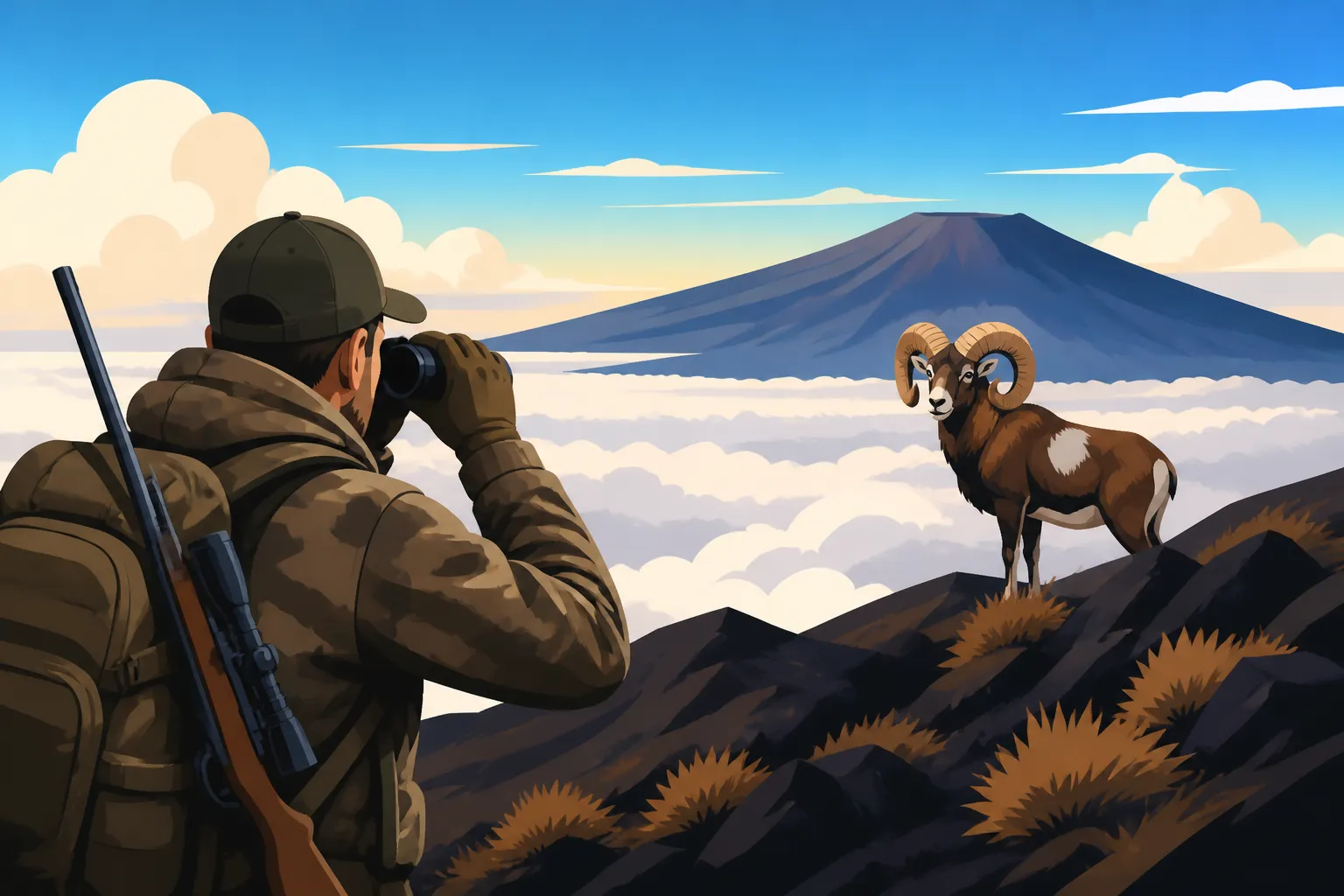
Above the upper reaches of the mamane-naio forest, Mauna Kea opens up into vast expanses of sparse vegetation, lava, and cinder. This is prime territory for spot-and-stalk hunting. Your most important tool here is your binoculars. Get to a high vantage point before first light, if possible, and systematically glass every bit of terrain. Look for movement, subtle differences in color, or the distinct shape of a ram's horns against the dark lava. Mouflon often feed in the early morning and late afternoon, and will frequently bed down on exposed slopes where they have a commanding view of their surroundings.
When you spot a ram, the real work begins. Carefully plan your approach, using the contours of the land, lava flows, and cinder cones for concealment. The wind is a critical factor; it can be incredibly shifty at higher elevations. Always try to approach from downwind, even if it means taking a much longer, more arduous route. The open nature of the terrain means there’s often little cover, so extreme stealth is required. Move slowly, deliberately, and be prepared to crawl or use small depressions to stay out of sight. Remember that at these altitudes, your movements will be slower, and any exertion will feel magnified, so factor that into your stalk time.
Approaching Mouflon in Mamane Forests
While many picture Mauna Kea as a barren moonscape, significant portions of the hunting units, especially at lower elevations, are characterized by beautiful, gnarled mamane and naio forests. These areas offer different challenges and opportunities. Mouflon often retreat into these forests for cover, especially during the heat of the day or when pressured. Hunting Mouflon in Hawaii's Mamane Forest requires a different approach than the open country.
In the forest, the wind might be less erratic, but scent control becomes even more important as the animals are closer. Focus on still-hunting: moving extremely slowly, taking a few steps, and then pausing for several minutes to glass and listen. The dense canopy and undergrowth can make spotting challenging, so look for parts of animals: a flicking ear, a patch of wool, or the curve of a horn. Keep your eyes peeled for fresh tracks, droppings, and rubbed trees, which can indicate recent activity. The quiet nature of the forest can also play tricks on your ears, so learn to distinguish the sounds of the wind from actual animal movement. Using the GoHunt app's mapping feature can help you stay oriented in these denser areas, especially when trying to follow a faint game trail.
Field Care and Extraction Challenges
Once you've successfully harvested a mouflon, the challenge shifts to field care and getting your meat and trophy off the mountain. The variable temperatures mean you need to act quickly. In direct sun, meat can spoil rapidly, but if it's windy and cold, you might have more time. Field Care in Hawaii's Heat and Humidity is typically focused on lower elevations, but the principles of rapid cooling apply equally here. Gut the animal immediately, and if possible, quarter it to allow for maximum airflow and cooling.
Packing an entire mouflon out of the rough Mauna Kea terrain is incredibly demanding. Whether you plan to pack it out whole or in pieces, be prepared for a grueling physical effort. A sturdy pack frame is essential. Consider bringing game bags to protect the meat from dirt and flies. If you're hunting alone, you might need to make multiple trips, so plan your route carefully and mark your carcass location. Water and Heat Planning for a Hawaii Hunt becomes critical during extraction, as the physical exertion will dehydrate you quickly. Having a partner to help share the load will make this process significantly easier and safer. Don't underestimate the weight of an animal, especially when combined with the steep, uneven ground and thin air.
Disclaimer
Hunting in Hawaii involves inherent risks, including but not limited to challenging terrain, unpredictable weather, and encounters with wildlife. Always prioritize safety, adhere to all local and state hunting regulations, and ensure you have the necessary licenses and permits. This guide provides general information and should not replace professional advice, proper training, or personal research of current regulations. Always inform someone of your hunting plans and expected return.