Hawaii Youth Hunting Age Rules
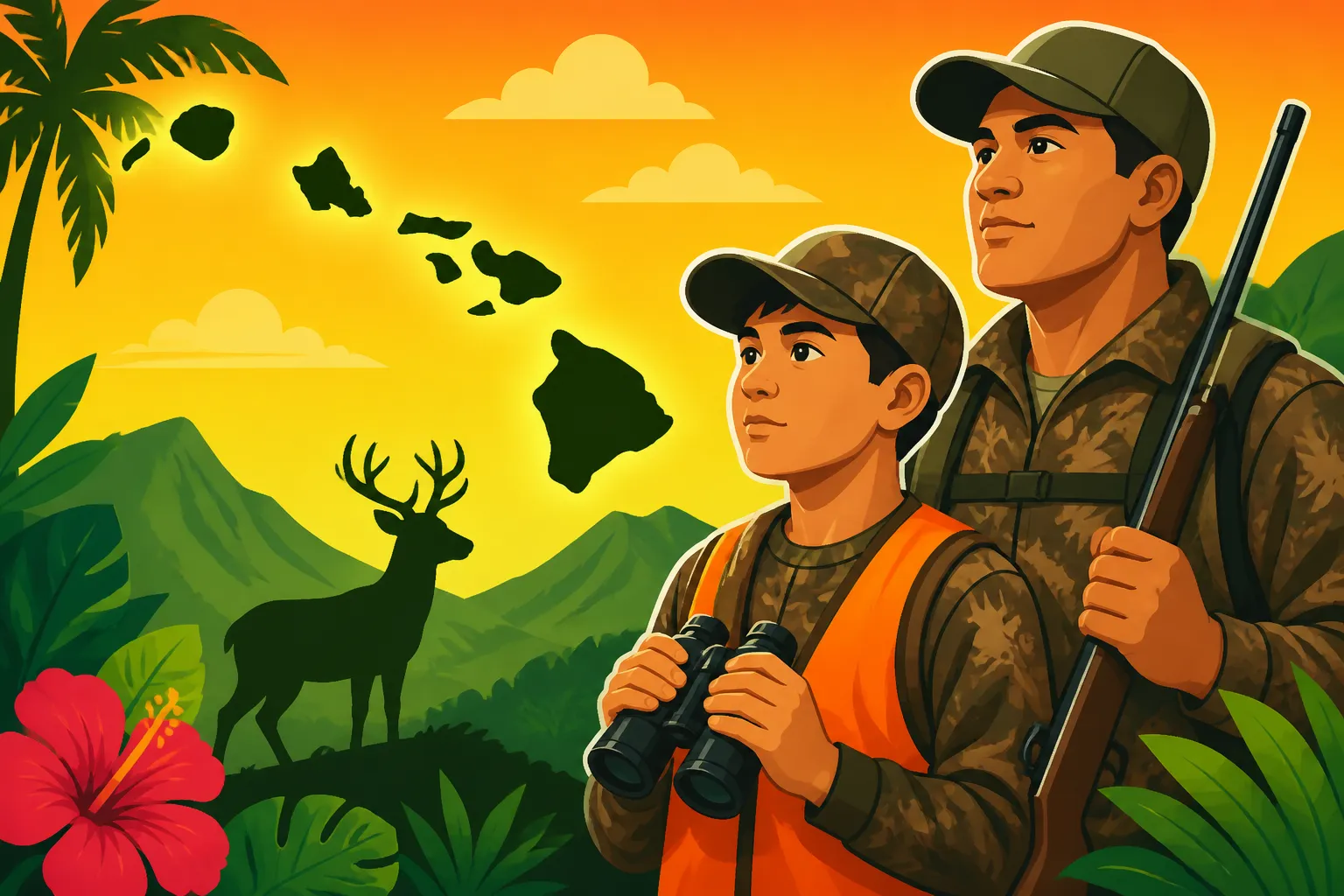
Trying to figure out Hawaii's hunting rules for young aspiring hunters can feel like trying to navigate a dense koa forest without a compass. It's not always straightforward, and the excitement of getting your keiki (child) out into the field can quickly turn into a headache when you're sifting through regulations. This guide is designed to cut through that confusion, giving you a clear, empathetic breakdown of Hawaii's youth hunting age rules, hunter education requirements, and how to ensure your young hunter has a safe, legal, and truly memorable experience in the islands.
Understanding the Foundation: General Age Requirements for Hunting in Hawaii
One of the biggest hurdles for parents looking to introduce their children to hunting in Hawaii is understanding the baseline age requirements. It's not just a free-for-all; there are specific age gates that must be met, often tied to hunter education, even before a license can be considered. This foundational knowledge is key to planning any family hunting adventure in the islands, whether it's chasing pigs in the wet forests of the Big Island or pursuing game birds on Maui.
Minimum Age to Obtain a Hunting License
Before a youth can even think about carrying a firearm or bow in Hawaii's diverse hunting units, they must meet the minimum age for a hunting license. In Hawaii, an individual must be at least 10 years old to apply for and obtain a hunting license. This isn't just a suggestion; it's a hard rule. Many states have similar age requirements, but it's important to remember that Hawaii's specific regulations are what you'll be operating under. This means if you have a child who is, say, 9 years old and eager to hunt, you'll need to wait until their 10th birthday before you can even begin the license application process. This age also generally aligns with the minimum age for taking the required hunter education course, which we'll dive into next. Patience is a virtue in hunting, and it starts even before you step into the field.
The process of getting that first license can be done online through platforms like GoHunt, which often streamline the process. However, even with modern conveniences, the age requirement is non-negotiable. Remember, this license is your entry ticket to all legal hunting activities, and it’s a vital step for any young hunter.
Age for Specific Game Animals and Methods
While 10 is the general minimum age for a hunting license, it's crucial to understand that specific game animals and certain hunting methods might have additional age considerations or supervisory requirements. For instance, while a 10-year-old can hold a general hunting license, the challenges and physical demands of hunting different species vary greatly. The thrill of a Hawaii Game Mammal Seasons hunt for a large axis deer or a robust feral pig might require a level of maturity and physical stamina that grows with age.
Consider the physical aspects of the hunt: trekking through rough terrain, handling a rifle or bow accurately and safely, and maintaining focus during long periods. For smaller game like birds, the entry might feel a bit easier, but safety is paramount regardless. A 10-year-old might start with Hawaii Game Bird Hunting under close supervision, while a teenager could be ready for more demanding hunts like Axis Deer Hunting in Hawaii or even Mouflon Sheep Hunting on Hawaii Island, which often involve strenuous climbs and long distances in high-elevation alpine ground. Always check the specific unit rules and game mammal seasons, as these can sometimes include age-related provisions for youth hunts, particularly for drawn hunts.
Hunter Education: A Crucial First Step for Young Hunters
Getting a license is just one piece of the puzzle; hunter education is arguably the most critical foundation for any new hunter, especially youth. It's not just about passing a test; it's about instilling a deep respect for wildlife, understanding safety protocols, and ensuring responsible participation in Hawaii's unique hunting culture. Without successfully completing a certified hunter education course, that hunting license remains out of reach, regardless of age.
Course Requirements and Minimum Age for Certification
In Hawaii, all first-time hunters, regardless of age, must successfully complete a state-approved hunter education course. For youth, this usually means they must be at least 10 years old to enroll in and complete the course. This age aligns with the minimum age for obtaining a hunting license, creating a clear pathway for young aspiring hunters. The course covers critical topics such as firearm safety, hunting ethics, wildlife identification, basic survival skills, and an understanding of Hawaii's hunting laws and regulations. It’s a comprehensive program designed to prepare individuals for the responsibilities of hunting.
The Hawaii Division of Forestry and Wildlife (DOFAW) offers these courses, and they often involve both classroom instruction and a practical field day where participants demonstrate safe firearm handling and shooting proficiency. It's a hands-on experience that solidifies the theoretical knowledge gained in the classroom. This hands-on component is especially valuable for young hunters, as it allows them to learn safe gun handling in a controlled environment under expert supervision, a skill that's transferable to all future hunts, whether they're pursuing Hunting Hawaii's Feral Pigs or Hunting Hawaii's Feral Goats.
The Nonresident Letter of Exemption
For families visiting Hawaii from the mainland or other parts of the world who want their child to hunt, the hunter education requirement can seem like a logistical nightmare. Thankfully, Hawaii offers a provision for non-residents. If a nonresident youth hunter has already completed a hunter education course certified by another state or province (and recognized by the International Hunter Education Association – IHEA), they can often apply for a The Nonresident Letter of Exemption.
This letter effectively waives the need to take Hawaii's course, acknowledging that the youth has already met the educational standards elsewhere. This is a huge relief for many visiting families, as coordinating a hunter education course on a short trip to the islands would be incredibly challenging. To obtain this exemption, you'll typically need to provide proof of prior certification, such as a hunter education card or certificate. It’s always best to apply for this well in advance of your planned trip to ensure all documentation is processed smoothly. You can often handle these applications through the GoHunt Hawaii portal, uploading the necessary documents.
Adult Supervision and Mentorship for Youth Hunters
Hunter education lays the groundwork, but the real-world application of those skills, especially for young hunters, thrives under proper adult supervision and mentorship. Hawaii's regulations are very clear about the responsibilities of accompanying adults, recognizing that active guidance is essential for safety, ethical hunting, and positive experiences. This isn't just about legality; it's about passing down traditions and fostering responsible hunters.
Rules for Adult Supervision in the Field
When a youth hunter (under 18 years old) is in the field, they must be accompanied by a licensed adult hunter who is at least 18 years old. This isn't a passive role; the adult must be actively supervising the youth. This generally means the adult needs to be in close proximity, able to communicate effectively, and ready to take control of the situation if needed. For very young hunters, this might mean being within arm's reach. As the youth gains experience and demonstrates proficiency, the distance might increase slightly, but the overarching principle of active supervision remains.
The adult is responsible for the youth's adherence to all hunting laws, including bag limits, season dates, and weapon regulations. Imagine a scenario where a young hunter is about to take a shot at a target animal; the supervising adult should be evaluating the safety of the shot, ensuring a clear background, proper identification of the animal, and ethical considerations. This constant vigilance is crucial, particularly when Hunting Hawaii's Volcanic Terrain or in dense rainforests where visibility can be limited and footing precarious. These Adult Supervision Rules for Young Hunters are in place to ensure the safety of the youth, the public, and the wildlife.
| Age of Youth Hunter | License Required (Youth) | Hunter Education | Adult Supervision (Minimum Age) | Special Seasons/Permits |
|---|---|---|---|---|
| Under 10 | No | Not Eligible | N/A (Cannot hunt) | N/A |
| 10 – 17 | Yes | Yes (Required) | 18 years old (Required) | Eligible (with adult) |
| 18+ | Yes | Yes (Required) | N/A (Can hunt independently) | Eligible |
The Importance of Mentorship and Ethical Guiding
Beyond the legal requirement of supervision, true mentorship plays an indispensable role in shaping a young hunter. Hunting is about more than just pulling a trigger; it's about understanding the ecosystem, respecting the animal, appreciating the land, and adhering to a strong ethical code. An experienced adult mentor can teach these invaluable lessons, fostering a deep connection to nature and a commitment to responsible practices. This includes teaching about Field Care in Hawaii's Heat and Humidity to preserve meat, understanding animal behavior, and leaving no trace.
Mentors can share wisdom on reading animal sign, effective Spot-and-Stalk Axis Deer in Hawaii tactics, or even the nuanced art of calling game. They can explain why certain rules exist, not just that they exist, which helps solidify ethical reasoning in a young mind. For example, explaining why certain units are open during specific times or why bag limits are set at certain numbers helps a young hunter understand the broader conservation goals in Hawaii. This kind of hands-on teaching, reinforced by consistent example, builds confidence and cultivates a lifelong passion for ethical hunting. Without this mentorship, a youth might learn the mechanics but miss the heart of what hunting truly means.
Youth Hunting Opportunities and Special Seasons
Hawaii recognizes the importance of recruiting and retaining young hunters, and to that end, offers specific opportunities designed to encourage youth participation. These programs and seasons are tailored to provide a positive and often less pressured environment for young hunters to gain experience and confidence.
Hawaii Youth Hunt Weekends
One of the most exciting opportunities for young hunters in Hawaii are the designated Hawaii Youth Hunt Weekends. These are special periods set aside exclusively for licensed youth hunters (typically under 18) to hunt specific game animals in certain units. The aim is to provide a focused hunting experience with fewer adult hunters in the field, reducing competition and increasing the chances of success. During these weekends, the accompanying adult is usually not allowed to hunt, but their role remains crucial for supervision and guidance.
These youth hunts often target species like Axis deer on Maui or feral pigs on the Big Island and Oahu. For instance, specific dates might be set for Lanai Axis Deer Youth Hunt Dates, offering a fantastic opportunity on one of the state's premier deer hunting destinations. The specific dates, locations, and species vary by island and year, so it's imperative to check the most current DOFAW regulations or the GoHunt platform well in advance. These weekends are a fantastic way to immerse a young hunter in the experience, providing them with undivided attention and a supportive environment to practice their skills and, hopefully, harvest their first animal.
Mentored Hunting Programs and Events
Beyond formal youth hunt weekends, various organizations, sometimes in partnership with DOFAW, host mentored hunting programs or events specifically for youth. These programs often pair experienced hunters with young, aspiring hunters, providing one-on-one guidance that goes beyond what a parent might be able to offer alone. These events can focus on specific skills, like Bowhunting Hawaii's Public Units, or target certain species. They might also include educational components like tracking, field dressing, or even cooking game meat.
These types of programs are invaluable for fostering a love for the outdoors and developing responsible hunting habits. They create a community around hunting, allowing young people to connect with peers and experienced mentors who share their passion. While not always directly regulated by age, these events often cater to specific age ranges (e.g., 10-16 year olds) and always adhere to the state's minimum age and hunter education requirements. If you're looking for extra support or a unique experience for your young hunter, seeking out these programs can be incredibly rewarding. It's a chance for them to learn from multiple perspectives and build a strong foundation.
Navigating Licenses, Permits, and Legalities for Minors
Once the age and hunter education requirements are met, the next step involves navigating the practicalities of licenses, permits, and other legal documents. This can be a bit of a bureaucratic dance, but understanding each step is vital to ensuring a compliant and successful youth hunt in Hawaii.
Obtaining a Hawaii Hunting License and Stamps
As we touched on earlier, the first major hurdle is securing the actual hunting license. For a resident youth, this would typically be a Hawaii Resident Hunting License Options. For a nonresident, it would be a Hawaii Nonresident Hunting License Options. Once the hunter education requirement is fulfilled (and proof is on file or exemption granted), a youth aged 10 or older can purchase their license. This can often be done conveniently online through the GoHunt website, or at authorized vendors across the islands.
In addition to the general hunting license, depending on what they plan to hunt, youth might also need specific stamps. If they're targeting game birds, a Hawaii's Game Bird Stamp is required. If hunting deer, goats, or sheep, the Hawaii's Wildlife Conservation Stamp is usually bundled with the license purchase. It's essential to understand which stamps are necessary for the species and location you plan to hunt. Forgetting a stamp can lead to a violation, even if the intent was pure. Always double-check these requirements, as they can sometimes change year-to-year or even by specific unit.
Understanding Permit-Tags and Drawn Hunts
Many of Hawaii's premier big game hunts, especially for species like Axis deer and Mouflon sheep, operate under a How Hawaii's Permit-Tag System Works. These permit-tags are often limited in number and allocated through a lottery or draw system. For youth hunters, applying for and understanding these permit-tags is crucial. Some islands, like Lanai and Molokai, heavily rely on this system for Axis deer.
When applying for these drawn hunts, the youth hunter typically applies just like an adult, but they must meet the age requirements for both the license and the specific hunt. For example, to participate in a drawn Axis deer hunt, the youth must be licensed and meet any minimum age specified for that particular draw, such as the Minimum Age to Hunt Axis Deer. Information on these draws, including application deadlines and results, is usually posted on the DOFAW website and often accessible through GoHunt. It’s important for parents to help their young hunters understand the odds and the process, as drawn hunts can be competitive and require careful planning.
Checking In and Out of Hunting Units
Hawaii has a robust system for managing its public hunting lands, which often involves Checking In and Out of Hawaii Hunting Units. This is a legal requirement designed to track hunter activity, monitor harvest data, and ensure accountability. For youth hunters, adhering to these check-in/check-out procedures is just as important as it is for adults.
Before entering a public hunting unit, hunters, including youth, must check in at a designated hunter check station or use an approved electronic system like the OuterSpatial app. This involves providing their license and permit details. After the hunt, whether successful or not, they must check out. This process helps DOFAW understand hunting pressure and success rates, which informs future management decisions. Teaching a young hunter the importance of this step instills responsibility and shows them how their actions contribute to conservation efforts. Missing this step can result in fines and legal consequences, so always make it a priority to check in and out meticulously.
Legal Weapons and Safety Considerations for Youth
Introducing a youth to hunting involves a significant responsibility, especially concerning the safe handling and use of weapons. Hawaii has specific regulations regarding legal weapons, and while these apply to all hunters, there are additional layers of consideration when a minor is involved. The focus is always on safety and ensuring the youth can effectively and ethically use the chosen equipment.
Legal Weapon Minimums and Youth Proficiency
Hawaii has rules about Hawaii's Legal Weapons by Season for different game animals. For example, there are minimum caliber requirements for rifles when hunting big game mammals like Axis deer or Mouflon sheep. Similarly, there are draw weight requirements for bows in Bowhunting Hawaii's Public Units. While these rules apply to all hunters, the key consideration for youth is whether they can safely and proficiently handle a weapon that meets these minimums.
A young hunter might physically meet the minimum age for a rifle hunt, but if they cannot safely shoulder, aim, and control a .243 rifle (a common caliber for deer), then it's not the right tool for them yet. The priority should always be safe handling, recoil management, and accuracy. Parents and mentors should ensure the youth can consistently place shots accurately and safely on a target before ever taking them into the field with live animals. This might mean starting with smaller calibers, extensive practice at the range, or even using youth-specific firearms designed with shorter stocks and lighter weights. Remember, a responsible shot is an ethical shot.
Teaching Safe Handling and Storage
Beyond legal requirements, teaching meticulous weapon safety is paramount. This includes the four fundamental rules of firearm safety:
- Treat every firearm as if it's loaded.
- Always point the muzzle in a safe direction.
- Be sure of your target and what is beyond it.
- Keep your finger off the trigger until ready to shoot.
For bows, similar principles apply: always know where your arrow is pointed, ensure a clear shot path, and only draw when ready to shoot. When not actively hunting, secure storage of firearms is critical. This means firearms should be unloaded and stored in a locked cabinet or safe, separate from ammunition. Teaching a youth these habits from the very beginning not only keeps them safe but also instills a deep respect for the power of the weapon. This ongoing education is an integral part of their development as responsible hunters.
Disclaimer
The information provided in this guide is intended for informational purposes only and is not a substitute for official government regulations. Hunting rules and regulations in Hawaii are subject to change, and specific requirements can vary by island, unit, and season. Always consult the most current Hawaii Department of Land and Natural Resources (DLNR) Division of Forestry and Wildlife (DOFAW) regulations, proclamations, and official advisories before planning or undertaking any hunting activity. Failure to comply with all applicable laws and regulations can result in penalties.