The Chukar Daily Bag Limit
Navigating the specific rules and regulations for hunting game birds in Hawaii can often feel like deciphering an ancient scroll, especially when you're just trying to figure out something seemingly straightforward, like how many chukar you're allowed to take home. It's easy to get overwhelmed by the nuances of daily limits, season dates, and unit-specific rules. This guide is here to cut through the confusion and provide a clear, comprehensive understanding of the chukar daily bag limit, ensuring your hunt is both successful and fully compliant with Hawaii's Department of Land and Natural Resources (DLNR) regulations.
Understanding Chukar Partridge in Hawaii's Unique Landscape
Before we dive into the nitty-gritty of bag limits, it’s helpful to understand a bit about the chukar partridge itself and why it thrives in certain parts of Hawaii. These aren't native birds, of course, like most of Hawaii's game animals, they were introduced to the islands decades ago and have since carved out a niche in specific, often rugged, environments.
Where Chukar Thrive on Hawaii Island's High Country
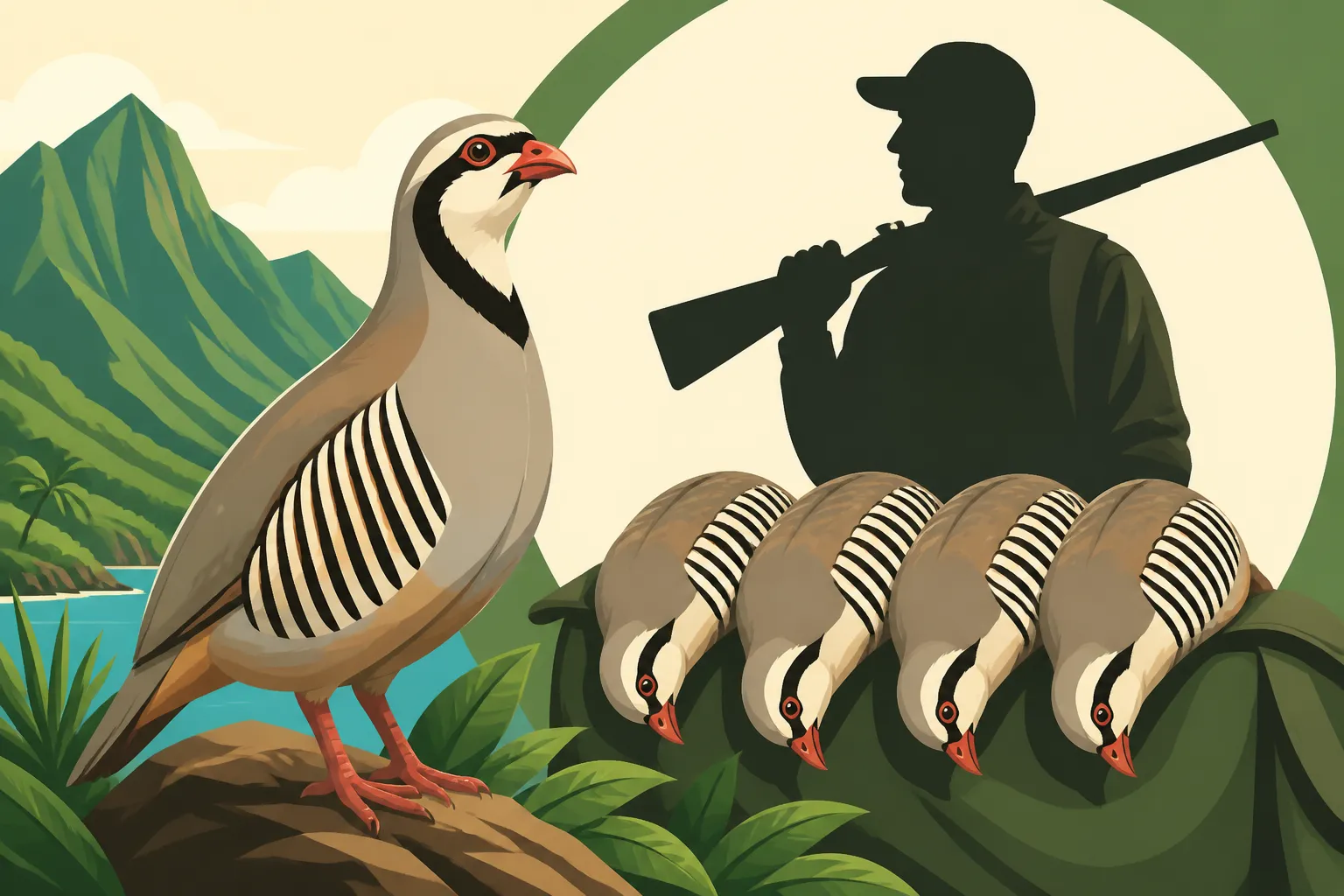
Chukar partridge (Alectoris chukar) are striking birds, with their distinctive black eye-stripe, red beak and legs, and barred flanks. They're built for tough, arid, and rocky terrain, which is precisely what you'll find in the high-elevation, leeward areas of Hawaii Island. Think cinder cones, lava flows, and dry grasslands interspersed with sparse vegetation. These birds are often found at elevations ranging from about 3,000 to over 8,000 feet, particularly on the slopes of Mauna Kea and Mauna Loa. The Saddle Road region, for instance, offers extensive tracts of suitable chukar habitat where these birds can be found scratching for seeds, insects, and succulent plants among the volcanic rock. They blend in surprisingly well with the ochre and gray landscape, but their loud, characteristic "chuk-chuk-chukar" call often gives them away. Hunting these birds often means a lot of uphill walking and navigating some incredibly unforgiving ground, so come prepared for a real workout. To truly maximize your chances, learning to identify What Chukar Eat in the Islands and Where Chukar Live on the Big Island can make a huge difference in your scouting efforts.
Why Bag Limits Matter for Chukar Populations
The concept of a daily bag limit isn't just about giving everyone a fair shot at harvesting some game; it's a critical tool for wildlife management and conservation. For introduced species like the chukar, bag limits help ensure sustainable populations, preventing overharvesting that could destabilize their numbers. While chukar are considered an exotic species in Hawaii, they still play a role in the ecosystem, and responsible hunting practices are essential. The DLNR’s Division of Forestry and Wildlife (DOFAW) sets these limits based on biological data, population surveys, and habitat health. These regulations are designed to allow hunters to enjoy the resource while protecting it for future generations. Without these limits, unchecked hunting pressure could quickly deplete localized populations, especially given the fragmented nature of some of Hawaii's upland habitats. It's all about finding that balance between recreational opportunity and ecological responsibility, and as hunters, we're a crucial part of that equation.
The Specifics of the Chukar Daily Bag Limit in Hawaii
Now, let's get down to brass tacks: what's the actual number you can take, and what other factors come into play? Hawaii's game bird regulations are fairly consistent for chukar, primarily focusing on the Big Island where these birds are most prevalent and huntable.
Daily and Seasonal Limits Explained for Chukar
For chukar partridge on Hawaii Island, the daily bag limit is five (5) birds per hunter. This means that within any single hunting day, you are allowed to legally harvest and possess up to five chukar. There isn't typically a separate "possession limit" for game birds in Hawaii that differs from the daily bag limit, meaning you generally shouldn't possess more than the daily limit unless you've been hunting for multiple consecutive days and have properly stored and differentiated your previous day's harvest, which is rarely a factor for game birds.
The chukar hunting season, much like many other game bird seasons in Hawaii, operates on a weekend and state holiday basis. This means you can only hunt chukar on Saturdays, Sundays, and specific state holidays during the designated season window. It’s absolutely crucial to check the current year’s hunting regulations, as these dates can shift slightly from year to year. You can usually find the most up-to-date information on the DOFAW website or through resources like GoHunt Hawaii, which often provides easy-to-digest summaries. Always consult the official Hawaii Game Bird Seasons and Bag Limits to confirm the exact start and end dates for the chukar season for the specific unit you plan to hunt. Missing a detail could mean an unintentional violation, and nobody wants that.
Island-Specific Variations and Considerations
While chukar are primarily a Hawaii Island game bird, it's worth noting that other game bird species in Hawaii do have varying bag limits and seasons depending on the island. For example, francolin or pheasant limits might differ between Maui and Kauai. However, for chukar, the regulations are quite straightforward because their huntable populations are largely concentrated on Hawaii Island. You won't find open chukar seasons on Oahu or Kauai, for instance.
Even within Hawaii Island, while the daily bag limit for chukar remains consistent across all open units, specific hunting units might have unique access rules, check-in requirements, or even temporary closures due to habitat restoration, fire danger, or other management needs. Always use the GoHunt Hawaii platform or the OuterSpatial app to verify the specific unit rules before heading out. This careful preparation is key, not just for chukar, but for all your Hawaii Game Bird Hunting adventures. It’s part of being a responsible hunter and ensuring you have the best information at your fingertips.
Practical Tips for a Successful Chukar Hunt
Hunting chukar in Hawaii's high country is an experience unlike almost any other bird hunt. It's physically demanding, but incredibly rewarding. Knowing the rules is one thing, but having a solid plan and the right gear will make all the difference.
Essential Gear and Hunting Strategies
When you're chasing chukar, sturdy footwear is paramount. You'll be traversing jagged lava, loose cinder, and steep slopes, so invest in quality, ankle-supporting boots. Hydration is another huge factor; the high elevation sun can be intense, and water sources are scarce. Carry plenty of water, and consider electrolytes. Light layers of clothing are best, as temperatures can vary wildly between early morning and midday. Don't forget your Hawaii Blaze Orange and Safety Rules gear – a blaze orange hat or vest is often required on public hunting lands, and it’s always a good idea for visibility.
As for strategy, chukar are often found in coveys (groups). They prefer to run uphill rather than fly, so if you jump a covey, try to get above them quickly. A good bird dog, if allowed and properly trained for such rough terrain, can be an incredible asset in both flushing and retrieving these tough birds from dense cover or lava crevices. Many hunters find success by walking along contours or ridge lines, covering ground slowly and stopping often to scan ahead and listen for calls. You'll likely be doing a lot of Walking Up Chukar on a Lava Slope, so be prepared for the physical toll. Shotguns in 12 or 20 gauge with moderate loads of bird shot (e.g., #6 or #7.5) are typically effective.
Checking In, Tagging, and Reporting Your Harvest
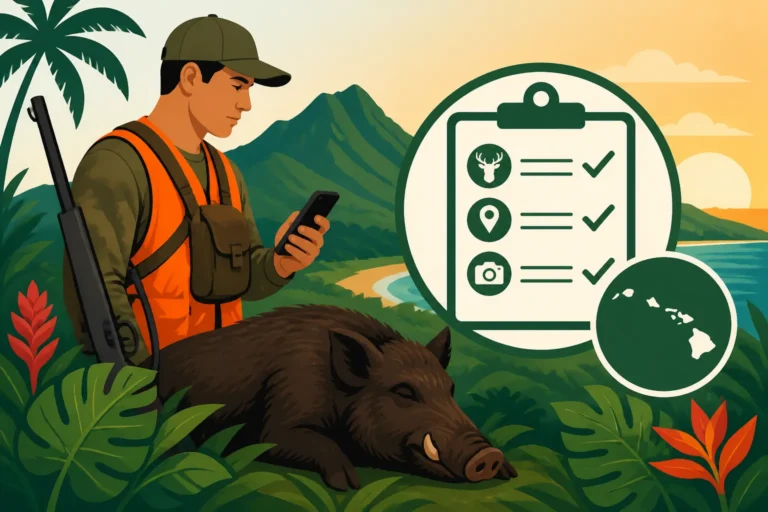
Hawaii has a robust system for tracking hunter activity and harvest, especially on public lands. For any public land hunt, you must check in before you begin and check out after you finish, even if you don't harvest anything. This process helps DOFAW monitor hunter pressure and game populations. Many units now use the OuterSpatial app for convenient digital check-ins and check-outs, which is a fantastic modern solution to what used to be a paper-only system. Alternatively, physical check stations with sign-in sheets are often available at unit entrances.
Once you’ve successfully harvested a chukar, while individual game birds don't require physical tags like big game animals (e.g., axis deer or mouflon sheep), it's essential to comply with the daily bag limit. This usually means keeping your harvested birds separate and readily countable, especially if you're hunting with a group. More importantly, when you check out, you are typically required to report your harvest. This data is vital for wildlife managers. Make sure you accurately report the number of chukar taken. Failure to check in or out, or providing false harvest information, can result in penalties. Remember, holding a valid Hawaii Hunting Licenses and What They Cost is the first step, and following these check-in/out procedures is the critical next one. Using the OuterSpatial App to Check In has made this process much smoother for many hunters.
Common Pitfalls and How to Avoid Them on Your Chukar Hunt
Even experienced hunters can sometimes overlook details, especially when hunting in a unique environment like Hawaii. Being aware of common pitfalls can save you a lot of trouble and ensure a positive hunting experience.
Avoiding Overharvesting and Misidentification
While the chukar daily bag limit of five birds is generous, ethical hunting means not taking more than you need or can use. Overharvesting can negatively impact local populations, and it sets a poor example for the hunting community. Furthermore, be absolutely certain of your target before you shoot. Chukar have a distinct appearance and call, but in thick cover or at a distance, it's possible to confuse them with other game birds that might be in the area, such as francolin or pheasant. Always make a positive identification. If in doubt, don't shoot. Knowing the visual cues of different game birds is paramount, and it prevents accidental harvest of a different species with a potentially lower or no bag limit. Remember, part of the joy of Hunting Hawaii's Game Bird Weekends is the challenge and connection to nature, not just filling the bag.
Navigating Regulations Beyond the Bag Limit
The bag limit is just one piece of the puzzle. Hawaii has other crucial regulations that every chukar hunter must adhere to:
- Legal Shooting Hours: Game birds, including chukar, typically have specific legal shooting hours, often from one-half hour before sunrise to one-half hour after sunset. Make sure you're aware of these times, as hunting outside them is illegal. You can check the specific Legal Shooting Hours for Game Birds in the current regulations.
- Legal Weapons: For chukar, shotguns are the primary legal weapon. There are often restrictions on shot size and gauge. Ensure your shotgun and ammunition comply with the regulations for game birds.
- Closed Areas: Even within open hunting units, there might be specific areas that are temporarily or permanently closed to hunting due to safety, wildlife management, or other reasons. Always consult detailed unit maps and look for posted signs.
- Vehicle Access: Many chukar hunting areas require 4WD vehicles or extensive walking. Be aware of where you can and cannot drive, and always park in designated areas. You might find yourself walking in to a remote Hawaii unit, so proper planning for foot travel is essential.
Always, and I mean always, carry a copy of the current year’s Hawaii Hunting Regulations (either physical or digital) with you in the field. Websites like GoHunt Hawaii are fantastic resources, but the official DLNR/DOFAW regulations pamphlet is the definitive source. Double-checking any rule you're unsure about can prevent a costly mistake.
| Game Bird Species | Island(s) Where Hunted | Daily Bag Limit | Typical Season | Legal Shooting Hours |
|---|---|---|---|---|
| Chukar Partridge | Hawaii Island | 5 birds | Weekend/State Holiday | 1/2 hr before sunrise to 1/2 hr after sunset |
| Erckel's Francolin | Various | Varies by Island | Weekend/State Holiday | 1/2 hr before sunrise to 1/2 hr after sunset |
| California Quail | Various | Varies by Island | Weekend/State Holiday | 1/2 hr before sunrise to 1/2 hr after sunset |
Note: This table provides general information. Always refer to the current official Hawaii Hunting Regulations for the most accurate and up-to-date details, as limits and seasons can change annually.
Disclaimer
Please remember that hunting regulations in Hawaii are subject to change. While every effort has been made to provide accurate and up-to-date information, it is the hunter's responsibility to consult the most current official Hawaii hunting regulations issued by the Department of Land and Natural Resources (DLNR) Division of Forestry and Wildlife (DOFAW) before planning and executing any hunt. Local conditions, emergency closures, or regulation amendments can occur at any time.