Hawaii Drawn Hunt Results and Notification
That anxious pit in your stomach, the constant refreshing of a webpage, or the dread of an empty inbox – it’s a feeling all too familiar for anyone who’s put their hopes into Hawaii's drawn hunts. Waiting to hear if you’ve secured that coveted permit for an Axis deer hunt on Lanai, a Mouflon sheep opportunity on Mauna Kea, or a special management area pig hunt can be excruciating. This guide is here to walk you through exactly where and how to find out if your dreams of hunting the islands will come true, and what to do next, whether you drew a tag or not.
Understanding Hawaii's Drawn Hunt System
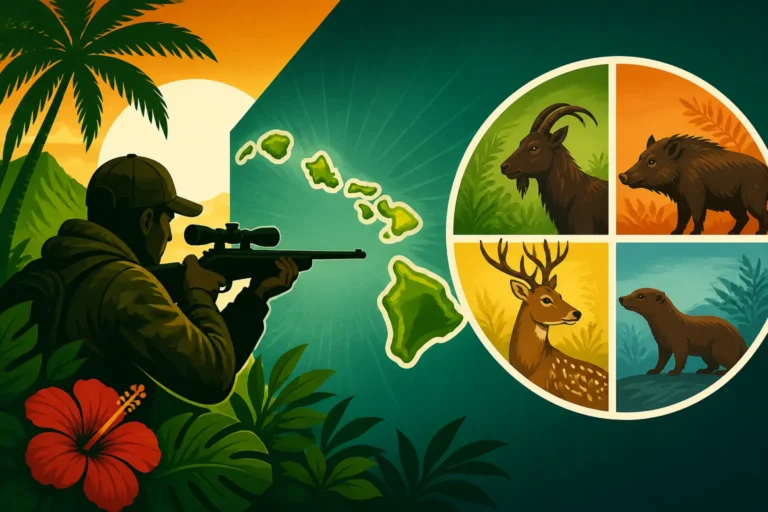
Hawaii's unique hunting landscape means that certain sought-after species and specific management areas operate on a drawn hunt system. This isn't just a bureaucratic hurdle; it's a necessary tool for the Division of Forestry and Wildlife (DOFAW) to manage game populations responsibly and distribute hunting opportunities fairly, especially for species like Axis deer on certain islands or Mouflon sheep in high-elevation zones. Unlike some mainland states where you might buy an over-the-counter tag for general seasons, these special hunts are limited, making the draw a critical step for many hunters. The system ensures that pressure is regulated, and everyone gets a shot, literally, at some of the most exclusive hunting experiences Hawaii offers. If you're new to the concept, it’s worth diving deeper into Hawaii's Drawn Hunts and Lotteries to grasp the full scope.
The Waiting Game: Application Deadlines and Processing Time
After meticulously filling out your application, paying the fee, and submitting it, the hardest part often begins: the wait. Hawaii's drawn hunt application deadlines are usually quite strict, and once they close, there's a period of anticipation as DOFAW processes thousands of entries. For a popular hunt, like the annual Lanai Axis Deer draw or a specific limited-entry Mouflon hunt on Hawaii Island, this processing can take several weeks, sometimes even months. It’s easy to feel like you're in limbo, constantly wondering if you missed something or if the results were posted without you noticing. This lag between application and notification is a common point of frustration for hunters, both residents and non-residents, eager to finalize their travel plans or make arrangements for their hunt. Knowing the typical Hawaii Drawn Hunt Application Deadlines can help manage expectations, but it doesn't always calm the nerves!
How Drawn Hunts Differ Across Islands
It’s important to remember that Hawaii's hunting regulations and management can vary significantly from one island to the next, and this holds true for drawn hunts and their notification processes. For instance, the highly anticipated Axis deer hunts on Lanai and Molokai often have a very structured draw, sometimes with specific weekend dates and limited tag numbers. The process for a special management hunt on Hawaii Island might follow a slightly different timeline or use different notification methods than, say, a game bird draw on Kauai. While the general principle of a draw remains the same, the specifics of when results are posted and how they are communicated can be nuanced. This is why staying informed about the particular island you applied for is crucial. Details on specific island draws, like those for Lanai and Molokai Draw Seasons, often come with their own unique quirks.
Where and How to Find Your Results
Once you've navigated the application process, the burning question becomes: how do I actually find out if I was successful? Hawaii’s Division of Forestry and Wildlife (DOFAW) manages these announcements, and they typically utilize a combination of online platforms and, sometimes, direct communication. The key is knowing exactly where to look and being patient, as results aren't always released simultaneously across all channels. Don't fall into the trap of only checking one place; a multi-pronged approach is your best bet to ensure you don't miss out on important news. Getting comfortable with the digital side of things is increasingly important for Hawaii hunters. You can usually find these announcements at the same places Where DOFAW Posts Season Announcements generally appear.
Online Portals and Official Websites
For most Hawaii drawn hunts, your primary source for results will be online. The official portal for Hawaii hunting licenses and permits, GoHunt Hawaii, is the first place you should check. This platform is designed to be your central hub for all things related to your hunting profile, including application history and draw outcomes. Once results are released, you’ll typically log into your GoHunt account, navigate to your application dashboard or a specific "draw results" section, and there you’ll find the status of your application. Sometimes, GoHunt will have a banner announcement or a specific link directing you to the results page.
Beyond GoHunt, the Hawaii Department of Land and Natural Resources (DLNR) website, specifically the DOFAW section, is another vital resource. While GoHunt handles the individual application process, the DLNR-DOFAW site often publishes comprehensive lists of successful applicants by permit number or name (or a partial identifier for privacy) in PDF format. It’s always a good practice to cross-reference these two sources if possible, ensuring you haven't overlooked anything. Keep your application confirmation number handy, as it's often used to quickly locate your status on these lists. Even if you're comfortable with the GoHunt system, remember to regularly check the broader DOFAW announcements.
Email and Snail Mail Notifications
While online portals are the most common and fastest way to receive draw results these days, DOFAW sometimes still utilizes email notifications, especially for general announcements or for specific hunts. If you've opted in for email communications during your GoHunt registration, keep a close eye on your inbox, and importantly, your spam or junk folder. It's not uncommon for automated government emails to occasionally get flagged by aggressive spam filters. These emails might not explicitly state "You drew a tag!" but rather direct you to log into your GoHunt account for the official results.
In rare instances, or for certain older administrative processes, a physical letter via snail mail might still be sent. This is far less common for the main draw results now, given the efficiency of digital systems, but it’s not entirely unheard of for supplementary information or special circumstances. However, relying solely on postal mail could mean significant delays, so it should be considered a secondary or tertiary check, rather than your primary method. The digital age has certainly streamlined things, but it’s still wise to be aware of all potential notification avenues, just in case.
What Happens After Notification: Accepted or Unsuccessful
The moment of truth arrives, and you know whether you've been drawn or not. This is where the real planning (or re-planning) begins. Don't let the excitement of an accepted draw make you forget the next crucial steps, and conversely, don't let an unsuccessful draw discourage you from exploring other fantastic hunting opportunities Hawaii has to offer. Both outcomes present a clear path forward, and understanding those paths is essential for any dedicated hunter.
Securing Your Tags and Understanding Permit Conditions
Congratulations! If you've been fortunate enough to be drawn, your next immediate step is usually to formally accept the permit and purchase your tag. This isn't automatic; there's typically a strict deadline by which you must confirm your acceptance and pay any associated tag fees. Miss this deadline, and your hard-earned drawn spot could be forfeited and offered to an alternate. The GoHunt system will guide you through this process, allowing you to complete the purchase online. It's similar to how you would acquire any other permit, but with the added layer of a successful draw. For a detailed rundown on the mechanics, check out How Hawaii's Permit-Tag System Works and How Hawaii Permit-Tags Are Bought.
Once your tag is secured, you'll gain access to the specific permit conditions. These documents are critically important. They will outline:
- Exact hunt dates: Specific weekends or periods your permit is valid.
- Designated hunting units: The precise areas where you are allowed to hunt.
- Species and bag limits: What you can harvest and how many.
- Legal weapons: Any restrictions on firearms, archery, or muzzleloaders.
- Check-in/check-out procedures: Crucial steps for every hunt.
Do not skim these details. They are the rules of engagement for your hunt, and understanding them perfectly will ensure a legal and successful outing.
If You Weren't Drawn: Exploring Other Options
It's a tough pill to swallow when you don't draw a tag, especially for a highly anticipated hunt. But don't despair! Hawaii offers numerous other hunting opportunities that don't require a draw, or have different draw cycles. The islands are home to a thriving population of feral pigs and goats across many units, often available through general seasons or over-the-counter permits. Many of these units are open year-round, or for extended periods, providing ample opportunity for those who didn’t draw a special tag. For more flexibility, you might consider Hawaii's Year-Round Hunting Units.
Keep an eye out for "leftover" tag opportunities. Sometimes, if drawn hunters don't claim their tags by the deadline, DOFAW will conduct a secondary drawing or offer these tags on a first-come, first-served basis. Subscribing to DOFAW newsletters is key here, as these announcements can happen quickly. Additionally, always remember to review the general Hawaii Game Mammal Seasons to identify other species or units you can pursue without the need for a lottery. A self-guided pig hunt in a rainforest gulch can be just as exhilarating as a drawn deer hunt, and it’s an excellent way to experience Hawaii’s hunting heritage.
Pro Tips for Navigating the Draw
The Hawaii hunting draw can feel like a game of chance, but with a few smart strategies and careful attention to detail, you can maximize your chances and minimize stress. It's not just about luck; it's about preparation, persistence, and staying informed. Think of it as part of the hunt itself – scouting the regulations and deadlines is just as important as scouting the terrain.
Double-Checking Your Application Details
This might seem basic, but it’s astounding how many applications face issues due to simple errors. Before you hit that submit button on GoHunt, treat your application like you would your hunting license itself. Review every single field:
- Personal Information: Is your name spelled correctly? Date of birth accurate?
- Contact Details: Is your email address current? Is your phone number correct? This is how DOFAW or GoHunt will attempt to contact you if there's an issue or a notification. Imagine missing a notification because an old email address was on file!
- Hunter Education Number: Ensure this is accurately entered, as it's a mandatory requirement for most big game hunts. If you're a nonresident, make sure your Getting a Letter of Exemption as a Nonresident or proof of completion is in order.
- Hunt Choices: If there are multiple choices for a drawn hunt, double-check that you've selected your preferred options correctly.
Even a minor typo can cause your application to be rejected or delay your notification. Take an extra five minutes to meticulously verify everything. While you can apply for multiple opportunities, understanding the rules for Applying for More Than One Drawn Hunt is crucial to avoid disqualification.
Staying Informed and Planning Ahead
The hunting calendar in Hawaii is dynamic. Seasons can shift, units can close, and special opportunities can arise. The best way to navigate this is to make it a habit to regularly check official DOFAW announcements. Sign up for any email lists they offer, and make periodic visits to the DLNR-DOFAW website for news releases. Social media channels for DOFAW can also sometimes provide timely updates.
Beyond just waiting for draw results, actively plan for both successful and unsuccessful outcomes. If you're drawn, what are your travel logistics? Have you thought about where you'll stay near the unit? If you aren't drawn, what's your backup plan? Maybe it’s a public land pig hunt, or a trip to Hunting Hawaii's Game Bird Weekends. Having a Plan B or even a Plan C can turn disappointment into another adventure. Knowing When Hawaii's Rifle Units Open or the dates for general archery seasons allows you to pivot quickly. Always consider the local conditions too; Scouting a Hawaii Hunting Unit Before Opening can give you a major advantage, regardless of how you obtained your tag.
| Drawn Hunt Example | Typical Application Period | General Notification Window | Where to Check Primarily | Next Steps If Drawn |
|---|---|---|---|---|
| Lanai Axis Deer (Archery/Rifle) | January – March | May – June | GoHunt / DLNR-DOFAW | Purchase permit, review specific weekend dates and units |
| Puu Waawaa Mouflon (Archery/Muzzleloader) | February – April | June – August | GoHunt / DLNR-DOFAW | Purchase permit, understand high-elevation unit regulations |
| Maui Nui Axis Deer (Special) | Varies | Varies, often soon after close | GoHunt / DLNR-DOFAW | Confirm participation, adhere to specific harvest guidelines |
| Hawaii Island Game Bird (Special) | August – September | October – November | DLNR-DOFAW | Purchase stamp, review specific bag limits and areas |
Disclaimer
The information provided in this guide is for general informational purposes only and is subject to change. Hunting regulations, seasons, and draw processes in Hawaii are established by the Department of Land and Natural Resources (DLNR) Division of Forestry and Wildlife (DOFAW) and can be modified at any time. Hunters are solely responsible for verifying all current regulations, obtaining proper licenses and permits, and ensuring compliance with all applicable laws before engaging in any hunting activities. Always consult the most recent official Hawaii hunting regulations and DOFAW announcements.