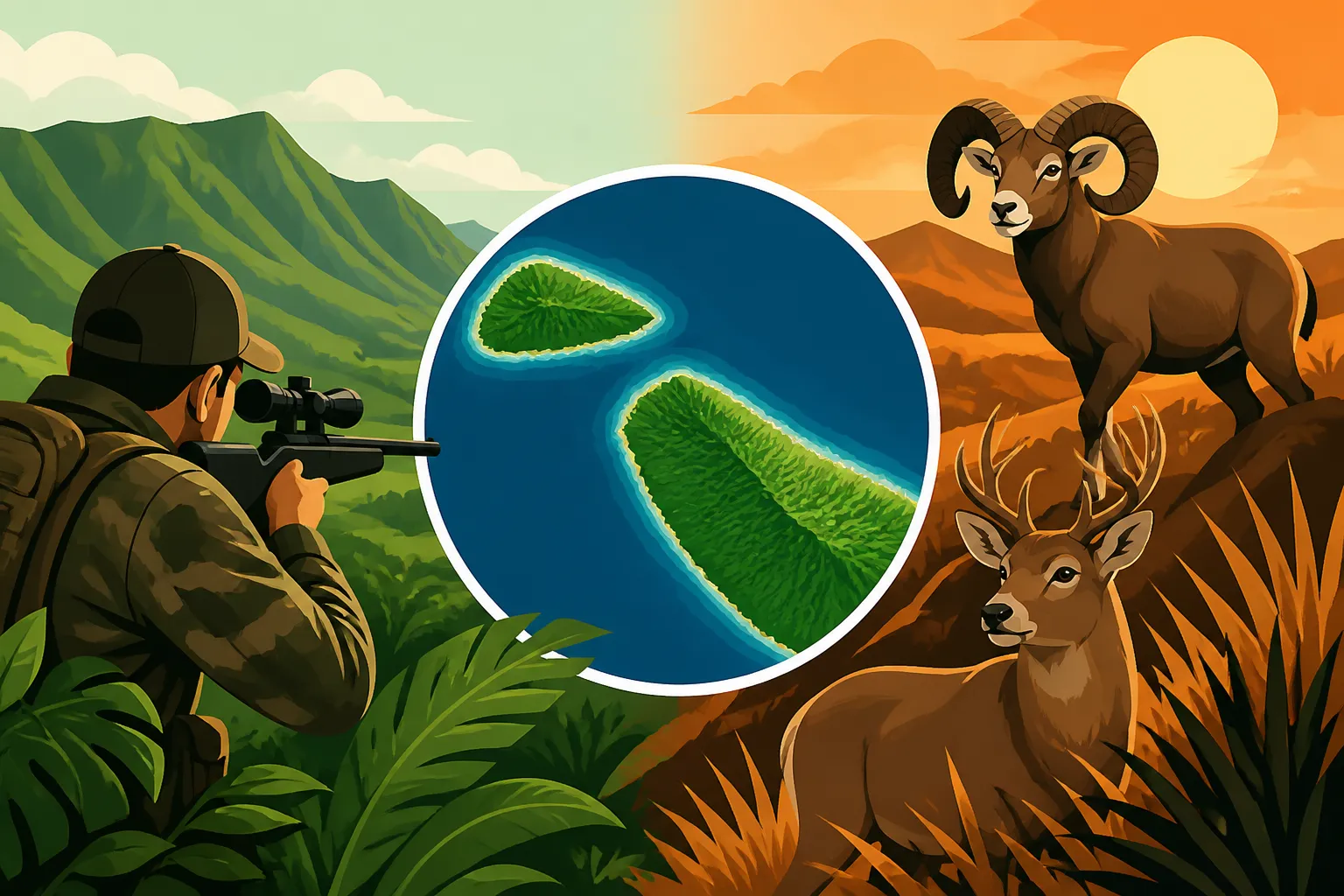
Lanai and Molokai Draw Seasons
Navigating the unique world of Hawaii hunting draws can feel like trying to find a needle in a haystack, especially when it comes to the highly coveted opportunities on Lanai and Molokai. It's easy to get discouraged by confusing regulations or the sheer competition for tags. But don't worry, this guide is here to unravel the mysteries of these specific draw seasons, giving you the detailed insight you need to confidently apply and hopefully, successfully hunt these incredible islands.
Understanding Hawaii's Unique Draw System for Lanai and Molokai
Hawaii's approach to managing its game animals, especially on islands like Lanai and Molokai, is pretty distinctive. Unlike many mainland states where over-the-counter tags might be common for certain species, the limited land base and sensitive ecosystems here necessitate a more controlled system. This means that for some of the most sought-after hunts, you're not just buying a tag; you're entering a lottery, hoping your number comes up. It’s a reality that can be frustrating, especially if you're planning a trip from afar, but it’s crucial for maintaining healthy animal populations and preserving the unique Hawaiian environment.
Why Draws Are Necessary on These Islands
The primary reason for a draw system on islands like Lanai and Molokai boils down to balance. These are relatively small islands with finite resources and delicate habitats. Without strict controls, unrestricted hunting could quickly decimate game populations, particularly for species like Axis deer which, despite being prolific, have limited forage and space on these land masses. Furthermore, the sheer popularity of hunting Axis deer in Hawaii means that if tags were readily available, the pressure would be immense, leading to overcrowded hunting grounds and a diminished experience for everyone. The draw helps distribute opportunities fairly while preventing overharvesting.
It's also about protecting the native flora and fauna. While Axis deer and Mouflon sheep are not native to Hawaii and are often considered invasive, their populations still need careful management. An explosion in deer numbers, for example, can devastate agricultural lands and forest reserves. The draw system, therefore, is a tool in the larger conservation strategy, ensuring that hunters play a role in managing these populations responsibly. It’s a win-win, really: hunters get a quality experience, and the ecosystem doesn’t get overwhelmed.
The Philosophy Behind Limited Entry
At its heart, the limited entry philosophy in Hawaii's hunting system, particularly for these specific islands, is about providing a quality hunting experience while ensuring sustainability. Imagine hundreds of hunters descending on a small island like Lanai all at once – it would be chaotic and unsustainable. By limiting the number of hunters through a draw, the state's Department of Land and Natural Resources (DLNR), Division of Forestry and Wildlife (DOFAW), aims to reduce pressure on the animals and enhance the hunter's experience. This often means less competition in the field, healthier animals, and a more serene environment.
The draws are designed to allocate a limited number of opportunities fairly. While it might feel like a gamble, it ensures that every eligible hunter has an equal chance, rather than it being a first-come, first-served rush. This approach also helps manage public perception, showing that hunting is a regulated activity contributing to ecological balance, rather than just an unregulated free-for-all. It's a system built on the understanding that these resources are shared and finite, requiring careful stewardship.
Key Differences from Other Island Seasons
While Hawaii offers hunting opportunities across several islands, the draw seasons on Lanai and Molokai stand apart from, say, the more open, year-round pig and goat hunting on the Big Island or Oahu. On islands like Oahu or portions of Hawaii Island, you might find units with simpler check-in/check-out procedures and no specific tag limits beyond the hunter’s general license. However, for Axis deer on Lanai and Molokai, and Mouflon on Lanai, a successful draw is absolutely essential.
One of the biggest distinctions is the permit-tag system. For these specific big game species, a successful draw grants you the opportunity to purchase a permit-tag. This isn't just a standard hunting license; it's an additional, species-specific permit that dictates what you can harvest. For example, understanding What One Either-Sex Tag Means on Lanai is crucial, as it defines your harvest potential. These islands also tend to have very specific season dates – often a series of drawn weekends or a limited window, unlike the more extended seasons found in some other units or for other species. This exclusivity and precision are what make these draws so special, and so competitive.
Diving Deep into Lanai's Axis Deer Draw
Lanai is arguably the most famous destination for Axis deer hunting in Hawaii. The island's arid, open landscape, combined with a robust population of these beautiful deer, makes it a truly unique hunting experience. But to hunt Lanai's Axis deer, you absolutely must go through their annual draw system. It's a highly sought-after tag, and rightfully so, given the trophy potential and the sheer challenge of hunting these wary animals in such expansive terrain. Understanding every step of the application and post-draw process is key to your success.
Application Process and Eligibility
The application process for Lanai's Axis deer draw typically opens in the spring, usually around April or May. It's critical to pay close attention to the DOFAW announcements each year, as dates can shift slightly. You'll need a valid Hawaii hunting license to apply, and both residents and non-residents are eligible, though non-resident fees for licenses and tags are higher. Applying is almost exclusively done online now through the GoHunt Hawaii portal, which makes it relatively streamlined once you have your accounts set up. This is also where you'd find information about Hawaii's Drawn Hunt Application Process and specific deadlines.
When you apply, you’ll typically rank your preferred hunting units and specific weekend dates. Lanai usually offers several different weekend windows, and applicants are advised to select as many viable options as possible to maximize their chances. Each applicant gets one entry into the draw. It's not a preference point system like some mainland states; rather, it’s a pure lottery each year. So, every time you apply, you start fresh with an equal chance alongside everyone else. For non-residents, knowing What Nonresidents Pay for a Lanai Deer Tag is important, as the cost can be a significant factor.
Understanding the Drawn Weekends and Bag Limits
If you're one of the lucky few whose name is drawn, you'll be allocated a specific hunting unit and weekend. Lanai typically divides its public hunting lands into several units, each with different terrain and access challenges. Understanding these units beforehand can help you make informed choices during your application. For instance, some units might be more open and suitable for glassing, while others are brushier, requiring a different approach. The dates usually run from late spring through summer, continuing into the fall, with When Lanai's Axis Deer Rifle Season Runs often being the most popular.
The bag limit for Lanai Axis deer is usually one either-sex Axis deer per hunter per drawn hunt. This "either-sex" tag is a fantastic opportunity, allowing you to harvest a buck or a doe. It’s important to clarify the exact wording each year as regulations can sometimes change. The key is that once you harvest your animal, your specific drawn hunt is complete. You cannot re-enter the draw or harvest another animal on that tag. This ensures that the limited opportunities are spread among many hunters, and helps manage the overall population.
What Happens After You're Drawn
Congratulations! You've been drawn for a Lanai Axis deer hunt. The first thing you'll need to do is accept your permit and pay the required fee through the GoHunt Hawaii system. This typically needs to be done within a specific timeframe after the draw results are announced, so don't miss that deadline! Once you've secured your permit-tag, the real planning begins. You'll receive specific instructions regarding check-in procedures, which usually involve checking in at a designated station on Lanai on the morning of your hunt. This is also where you’ll receive unit maps and any last-minute instructions.
Getting to Lanai involves a short ferry ride from Maui or a flight. You’ll need to arrange transportation for yourself and your gear on the island, as public transport is limited, and most hunting units require a 4×4 vehicle. Remember that you cannot hire a guide for public land hunts on Lanai, as explicitly stated in the regulations, which is why understanding things like Hunting Lanai Without a Guide is essential. You'll be self-sufficient once you arrive at your unit. After a successful harvest, you'll need to check out your animal at the same station, ensuring it's properly tagged as per How to Attach a Hawaii Tag to a Carcass. Given the heat, prompt Field Dressing Axis Deer in Hawaii Heat and meat care are crucial.
Navigating Molokai's Axis Deer Draw
Molokai, often called the "Friendly Isle," offers a different but equally rewarding Axis deer hunting experience compared to Lanai. While the terrain is varied, ranging from dry leeward slopes to lush valleys, the Axis deer here are known for their impressive size, leading to high demand for Molokai tags. Just like Lanai, access to hunting Axis deer on Molokai is strictly through a draw system, making it another coveted opportunity that requires careful planning and understanding of the rules.
Molokai's Specific Application Details
The application period for Molokai Axis deer follows a similar timeline to Lanai's, usually opening in the spring. Again, you'll need a valid Hawaii hunting license to even apply. The application process is primarily online through the GoHunt Hawaii portal, making it accessible from anywhere. When applying, you'll be selecting from available hunting dates and potentially specific units, depending on how DOFAW structures the season for that particular year. It’s always best to consult the official DOFAW hunting regulations released annually for the most up-to-date information.
Molokai's draw is often just as competitive as Lanai's, if not more so for certain prime weekends, due to the reputation for large-bodied bucks. While Molokai has fewer public hunting units available for Axis deer compared to Lanai, those units often hold mature animals, attracting serious trophy hunters. There’s no preference point system, so every applicant has an equal shot each year, reinforcing the importance of applying consistently if Molokai is on your radar.
Season Structure and Tagging Rules
Molokai’s Axis deer season typically consists of a series of drawn weekends or short periods, much like Lanai. These seasons generally span from late spring through fall, though the exact dates are announced yearly. The terrain on Molokai can be incredibly rugged, with steep gulches and dense kiawe thickets, requiring significant physical exertion. Knowing the specific season dates and being prepared for Hunting Molokai's Big-Bodied Axis Bucks is part of the challenge and allure.
The bag limit on Molokai is typically one either-sex Axis deer per hunter per drawn hunt. This means you can take a buck or a doe. As with all Hawaii hunts, accurate and immediate tagging of your animal is mandatory after harvest. The tag must be securely affixed to the carcass before moving it from the kill site. You'll then proceed to a designated check-out station, where DOFAW staff will collect data and confirm your harvest. Adhering to these tagging rules is not just a formality; it's a legal requirement that helps DOFAW monitor harvest numbers and manage populations effectively.
Considerations for Molokai Hunters
Molokai presents its own set of unique considerations for drawn hunters. Access to hunting units can be challenging, with many requiring robust 4×4 vehicles and significant hiking, especially if you're targeting areas known for Hunting Molokai's Axis Deer Country. Unlike Lanai, there are also opportunities for Getting Onto Molokai Private Land through guided outfitters, which can be an alternative if the draw proves elusive, though this comes with a different cost structure.
Logistically, Molokai offers fewer services than Maui or Oahu. Hunters often stay in rental homes or small hotels, and arranging vehicle rentals that can handle rugged terrain is paramount. Field care of your harvested animal is also a huge consideration. The heat and humidity mean that cooling your meat quickly is not just a good idea, it's essential to prevent spoilage. Proper hydration and physical fitness are also vital, as the challenging landscape can quickly wear you down. Always confirm specific check-in/check-out locations and times well in advance of your hunt, as these details can vary.
Mouflon Sheep Draw Seasons on Lanai
While Axis deer often steal the spotlight, Lanai also offers a distinct draw for Mouflon sheep, providing another thrilling big game opportunity. These agile, sure-footed sheep roam the more rugged, higher elevations of the island, presenting a unique challenge to hunters. Like the Axis deer draw, obtaining a Mouflon tag requires success in a competitive lottery, reflecting the limited nature of these specific hunting opportunities.
Lanai Mouflon: A Separate Draw
The Mouflon sheep draw on Lanai is a separate process from the Axis deer draw. You'll apply for Mouflon specifically, usually through the same GoHunt Hawaii portal during the established application period. This means a hunter could potentially apply for both Axis deer and Mouflon, though success in both draws in the same year is, of course, a long shot. The draw for Mouflon is generally less publicized than the Axis deer draw, but it is equally competitive among those seeking this unique island sheep.
The population of Mouflon on Lanai is carefully managed, and the limited number of tags issued each year reflects this. Hunters often seek out these animals for their impressive horns, making it a highly desirable trophy hunt. Just like the Axis deer, these are non-native animals, and hunting plays a role in managing their numbers to mitigate their impact on the island's fragile ecosystems, particularly in certain conservation areas.
Season Dates and Weapon Restrictions
Lanai’s Mouflon sheep season dates are typically announced alongside the Axis deer seasons, usually running in specific drawn weekends or periods during the year. These can vary, so always check the latest DOFAW regulations. You'll find that the Lanai Mouflon Archery Season Dates are often distinct from any muzzleloader or rifle seasons, catering to different hunting preferences and managing pressure. For example, some seasons might be exclusively for archery hunters, requiring you to adhere to specific equipment rules, such as those governing arrow weight or broadhead type for big game.
Muzzleloader seasons, if offered, also come with their own set of regulations regarding caliber minimums and powder types. Rifle seasons, too, have restrictions on legal calibers for big game in Hawaii. It’s imperative to be fully aware of the weapon restrictions for your specific drawn hunt, as non-compliance can lead to severe penalties. This means planning your gear well in advance and ensuring your chosen weapon meets all regulatory requirements for the season you've been drawn for.
Tactics for a Drawn Mouflon Hunt
If you're lucky enough to draw a Lanai Mouflon tag, be prepared for a physically demanding hunt. Mouflon sheep are incredibly wary and inhabit rugged, steep, and often dense terrain. Glassing is a crucial tactic, especially at first light and last light, as the sheep move to feed. You'll need high-quality optics and the patience to pick apart distant hillsides and gulches. Spot-and-stalk is the primary method, requiring stealth, endurance, and a keen understanding of wind currents.
Mouflon often feed in small bands and can quickly disappear into thick cover or over a ridge. Look for signs like tracks, droppings, and rubbed vegetation. Being familiar with the specific unit you're drawn for will give you a significant advantage. Understanding Hunting Lanai's Mouflon Muzzleloader Days or specific archery tactics will be paramount. Expect long walks, steep climbs, and potentially challenging retrieves if you're successful. Given the heat, bringing ample water and knowing how to field dress and cool your animal efficiently is as important here as it is for Axis deer.
General Tips for Entering Hawaii's Draws
Successfully navigating Hawaii's draw system, whether for Axis deer on Lanai or Molokai, or Mouflon sheep on Lanai, requires more than just luck. It demands careful planning, attention to detail, and persistence. Many hunters get frustrated with the lottery aspect, but by understanding the system and being strategic, you can maximize your chances and ensure you're fully prepared if your number comes up.
Maximizing Your Chances: Tips and Strategies
While the draw is a lottery, you can slightly improve your odds by being flexible and thorough. First, apply every year that you can. Consistency is key, even if there's no preference point system, because you never know when it'll be your turn. Second, be realistic about your choices. If you're a first-time applicant, selecting only the most popular prime weekend dates might significantly reduce your chances. Consider selecting some of the less popular units or dates if your primary goal is simply to hunt.
Make sure your application is error-free. Any mistakes, no matter how small, can lead to disqualification. Double-check your license number, personal information, and date selections. For residents, explore all available draw options across species and islands that you’re interested in. For non-residents, consider the overall cost implication, including license fees, tag fees, and travel expenses, when deciding which draws to enter. There's no secret hack, but smart application choices can make a difference.
Critical Deadlines and How to Stay Informed
Missing a deadline is arguably the most common reason for not participating in a draw. Hawaii’s hunting calendar, particularly for the draw seasons on Lanai and Molokai, operates on strict timelines that typically fall in the spring. These dates are usually announced in the annual DOFAW hunting regulations. You can find these regulations, often available as PDFs, on the official State of Hawaii DLNR/DOFAW website.
Beyond the annual regulations, it's wise to sign up for email notifications from DOFAW if available, and regularly check their "Wildlife" or "Hunting" sections online. Online portals like GoHunt Hawaii also play a critical role in disseminating this information and serve as the platform for applications. Make a note of Hawaii Drawn Hunt Application Deadlines in your calendar as soon as they are released. Don't wait until the last minute; technical glitches or unexpected issues can arise. Submitting your application well before the deadline will save you a lot of stress.
The Role of Online Portals (GoHunt)
In today's digital age, the GoHunt Hawaii portal has become the central hub for almost everything related to public land hunting in the islands, including the crucial draw applications for Lanai and Molokai. This online platform allows hunters to purchase their hunting licenses, apply for permit-tags, and manage their hunting profiles. It's an indispensable tool that streamlines what used to be a paper-based, mail-in system.
When accessing GoHunt Hawaii, you’ll first need to create an account if you don't already have one. From there, you can purchase your general Hawaii hunting license. Once that's in order, you can navigate to the "Permits & Lotteries" section during the application window to enter the draws for Axis deer or Mouflon sheep. The system is designed to guide you through the process, but it's always helpful to review the instructions or any tutorial videos that DOFAW might provide. After the draw, you'll also use GoHunt Hawaii to check your draw results, accept your permit-tag if successful, and complete the payment process. Familiarity with this portal is non-negotiable for anyone planning to hunt these coveted draw units.
Preparing for Your Drawn Hunt
Drawing a coveted tag for Lanai or Molokai is just the first step; the real work of preparation then begins. These hunts are physically demanding and logistically complex, especially for those traveling from off-island. Proper conditioning, the right gear, and meticulous travel planning will not only increase your chances of success but also ensure a safer and more enjoyable experience in Hawaii's unique hunting environments.
Physical and Mental Conditioning
Hawaii hunting, particularly on Lanai and Molokai, is not for the faint of heart. The terrain can be incredibly rugged, with steep inclines, uneven lava flows, dense vegetation, and a climate that ranges from hot and dry to humid and wet. Physical fitness is paramount. Start a rigorous training regimen months before your hunt, focusing on cardiovascular endurance, strength training for your legs and core, and hiking with a loaded pack. Practice navigating steep terrain and uneven surfaces. Being able to hike all day with your gear, and then pack out an animal, is a critical skill.
Mental preparation is equally important. These hunts can be challenging, with long periods of glassing, tough stalks, and the potential for encountering very few animals. Maintaining a positive attitude, staying patient, and being resilient in the face of discomfort or setbacks will serve you well. Understand that success is never guaranteed, but a well-prepared hunter always has a better chance.
Gear Considerations for Specific Terrain
The diverse landscapes of Lanai and Molokai demand specific gear choices. For footwear, durable, ankle-supporting hiking boots are essential. They need to handle sharp lava rock, loose soil, and potentially wet conditions. Consider boots with good traction and thick soles to protect your feet. Clothing should be lightweight, breathable, and quick-drying, preferably in subdued earth tones. Sun protection—hat, sunglasses, and sunscreen—is a must, as is quality rain gear, even in dry areas, because weather can change quickly.
Optics are critical. High-quality binoculars (10×42 or 12×50) and a spotting scope are invaluable for picking apart distant hillsides for Axis deer or Mouflon. A reliable rangefinder is non-negotiable. For navigation, a GPS device with pre-loaded maps or a robust hunting app like onX (used in conjunction with OuterSpatial for check-in/out) is essential, especially where cell service is unreliable. Don't forget a well-stocked first-aid kit, ample water and hydration electrolytes, and a sturdy pack capable of carrying gear and potentially meat. For meat care, bring game bags, a sharp knife, and consider a small cooler or even dry ice if permitted, for immediate cooling after the kill. Remember that Cooling Meat Fast on a Hawaii Hunt is vital to prevent spoilage.
Logistics and Travel Planning
Successfully planning a hunt to Lanai or Molokai involves more than just hunting gear. You'll need to arrange inter-island travel, typically involving a flight into Maui (Kahului Airport, OGG) and then a ferry to Lanai or a connecting flight to Molokai. Renting a suitable 4×4 vehicle on the island is crucial, as many public hunting units require it. Book rental vehicles and accommodations well in advance, especially during peak hunting seasons, as options can be limited.
Understand the rules for Flying Home With Game Meat From Hawaii and antlers. There are specific agricultural regulations for transporting game meat between islands and to the mainland, including proper packaging and potentially inspection requirements. If you plan to ship your meat or trophy, research local processors and taxidermists beforehand. Ensure you have all necessary licenses and permits printed or readily accessible on your mobile device. Don't forget your Hawaii hunting license and your specific permit-tag for the hunt. Always communicate your hunting plans to a trusted person who knows your expected return time, especially if you're hunting alone in remote areas. Remember to check in and out of your hunting unit using the required method, whether it's the OuterSpatial app or a physical hunter check station.
Molokai & Lanai Draw Seasons
| Feature | Lanai Axis Deer Draw | Molokai Axis Deer Draw | Lanai Mouflon Sheep Draw |
|---|---|---|---|
| Species | Axis Deer (Axis axis) | Axis Deer (Axis axis) | Mouflon Sheep (Ovis aries musimon) |
| Application Period | Typically Spring (April-May) | Typically Spring (April-May) | Typically Spring (April-May) |
| Draw System | Annual Lottery, no preference points | Annual Lottery, no preference points | Annual Lottery, no preference points |
| Eligibility | Valid Hawaii Hunting License required | Valid Hawaii Hunting License required | Valid Hawaii Hunting License required |
| Hunt Season | Specific drawn weekends/periods (late spring-fall) | Specific drawn weekends/periods (late spring-fall) | Specific drawn weekends/periods (various) |
| Bag Limit | 1 either-sex Axis Deer | 1 either-sex Axis Deer | 1 Mouflon Ram (specific criteria apply) |
| Access | Public land (Units 1, 2, 3) | Public land (limited units) & Private guided | Public land (higher elevations) |
| Guide Permitted? | No (on public land) | No (on public land); Yes (private land) | No (on public land) |
| Terrain | Arid, open, kiawe flats, gulches | Varied: dry slopes, thick gulches | Rugged, steep, higher elevations |
| Travel Note | Ferry from Maui or flight | Flight from Maui/Oahu | Ferry from Maui or flight |
| Unique Challenge | High population, wary animals, open country | Large body size, rugged terrain, limited access | Agile, wary, steep climbs, dense cover |
Disclaimer
Hunting in Hawaii involves inherent risks, and conditions can be challenging. This guide provides general information based on current regulations and common practices. It is crucial for all hunters to consult the official Hawaii Department of Land and Natural Resources (DLNR), Division of Forestry and Wildlife (DOFAW) regulations for the most current and specific rules, seasons, and legal requirements before planning or embarking on any hunt. Regulations, dates, and access can change without prior notice. Always prioritize safety, ethical hunting practices, and respect for the land and local culture.