What Oahu Hunters Do Without Tags
It’s a unique challenge to be an active hunter on Oahu. While folks on Maui or Lanai are busy talking about their latest Axis deer draw results or planning a Mouflon sheep hunt on the Big Island, Oahu hunters often feel a bit left out of the "big game tag" conversation. If you live on Oahu and are wondering how you can still participate in Hawaii's rich hunting culture without the specific big game tags found on other islands, you're in the right place. This guide will walk you through the distinct hunting landscape of Oahu, highlighting the opportunities available right here, and how many local hunters expand their horizons to other islands.
Why Oahu's Hunting Scene is Uniquely Different
For many hunters, especially those new to the islands or visiting from the mainland, the idea of "hunting in Hawaii" conjures images of majestic Axis deer or impressive Mouflon rams. It's true that those opportunities exist, but Oahu operates under a different set of circumstances, and understanding these differences is the first step to becoming a successful hunter here. The initial frustration of realizing that Oahu doesn't have the same permit-tag system for certain species as its sister islands is real, but it doesn't mean there aren't fulfilling hunting experiences to be had.
Understanding Hawaii's Permit-Tag System and Oahu's Exception
Across the Hawaiian islands, managing game populations like Axis deer, Mouflon sheep, and feral goats often involves a specific permit-tag system. This system helps the Division of Forestry and Wildlife (DOFAW) control harvest numbers, distribute hunting pressure, and gather crucial data. For instance, if you want to hunt Axis deer on Lanai, you'll enter a lottery for a limited number of tags. The same goes for Mouflon on the Big Island or goats in certain Maui units. It’s a competitive system designed to balance hunter opportunity with wildlife conservation.
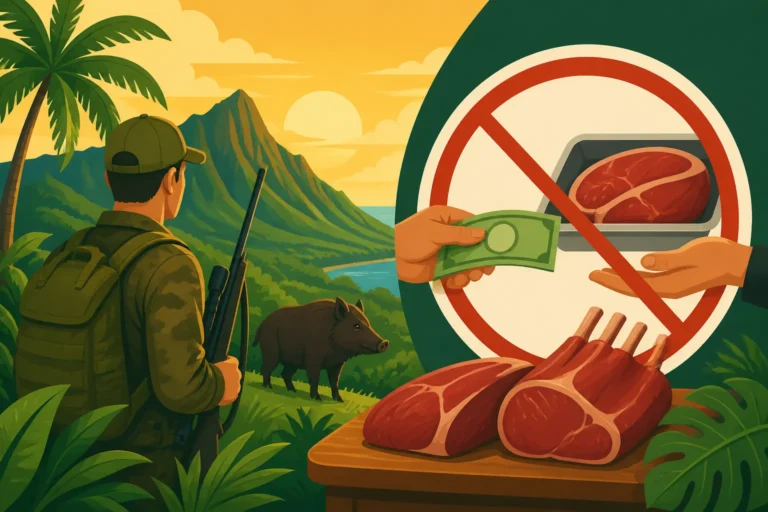
However, Oahu stands apart. For its primary big game species, the feral pig, there is no permit-tag required in the same way. This can be a point of confusion and sometimes even disappointment for those expecting a similar process. Instead of drawing a tag, Oahu hunters secure access to public hunting units by checking in and out, and they pursue game animals that are often abundant due to the island’s unique ecological challenges. While it might feel less "glamorous" than a trophy Axis hunt, it offers consistent, year-round opportunities that are deeply rooted in local tradition.
Historical Context: Why Oahu Lacks Certain Big Game Species
The current hunting landscape on Oahu is a direct result of historical introductions and ecological factors. Axis deer, for example, were initially introduced to Molokai in the 1860s as a gift and later spread to Lanai and Maui. Mouflon sheep were brought to Hawaii Island in the 1950s for sport hunting. Feral goats have been present on various islands since Captain Cook's arrival, thriving in the rugged, dry terrains. These species found suitable habitats on specific islands, multiplying and establishing populations that eventually required management through hunting seasons and permit-tag systems.
Oahu, for various reasons, did not receive these same introductions, or they did not establish viable populations. The island’s unique mix of dense urban development and challenging, often wet, forested public lands has meant that feral pigs remain the dominant large mammal available for hunting. This isn't to say Oahu lacks rich ecosystems; it simply means the available game animals are different. Understanding this history helps shed light on why your hunting opportunities here will naturally focus on pigs and a variety of game birds, rather than the deer and sheep found elsewhere.
Feral Pigs: The Heart of Oahu's Big Game Hunting
If you're looking for a challenging big game hunt on Oahu, the feral pig is your quarry. These intelligent, resilient animals thrive in Oahu’s dense forests and steep gulches, offering year-round hunting opportunities that demand skill, stamina, and a deep understanding of the terrain. Hunting pigs on Oahu is more than just a pastime; it's a vital part of local culture and an essential aspect of managing invasive species that impact the island’s fragile ecosystems.
Finding Feral Pigs on Oahu's Public Lands
Oahu boasts several public hunting units where feral pigs can be found, though success often hinges on intimate knowledge of the area and consistent scouting. Areas like the Ewa Forest Reserve on the leeward side, the Waianae Kai Forest Reserve, Mokuleia, and portions of the Kahuku Training Area (when open to public hunting) are prime locations. These units are characterized by incredibly dense vegetation—think thick stands of guava, tangled hau bushes, and steep, often muddy, ridges. Pigs leave clear signs of their presence, from distinctive rooting patterns in the forest floor, disturbed soil near wallows, and well-worn trails through the undergrowth.
Learning to read these signs and understand pig movement patterns is crucial. Pigs often move at dawn and dusk, bedding down in the thickest cover during the heat of the day. They’ll gravitate towards food sources like fallen fruit, taro patches (if any are nearby), or areas where they can wallow in mud to cool off and deter parasites. It’s physical hunting, requiring strong boots and a willingness to push through heavy cover. Many Oahu hunters utilize apps like OuterSpatial or other GPS mapping tools to navigate the complex terrain and avoid accidental trespass. If you're planning a trip to these units, researching Hunting Oahu's Public Ridges can provide valuable insights into navigating the terrain.
Dog and Knife Hunting: A Deep-Rooted Oahu Tradition
Perhaps the most iconic form of pig hunting on Oahu, and indeed across much of Hawaii, is hunting with dogs. This isn't just a method; it’s a time-honored tradition passed down through generations. A typical dog pack consists of "bay dogs" and "catch dogs." Bay dogs are trained to track pigs, locate them, and then "bay" or bark at them, holding the pig in place until the hunter arrives. Catch dogs, often wearing protective cut vests, are then released to secure the pig, allowing the hunter to move in for a quick, humane dispatch with a knife or spear.
The adrenaline of a dog hunt is unparalleled, but it's also incredibly demanding and requires a profound bond with your dogs. Training is extensive, focusing on obedience, tracking, and safety for both dogs and hunters. GPS collars, like those from Garmin or Alpha, are almost universally used to keep track of dogs in the dense, unforgiving terrain. Beyond the hunt itself, the camaraderie among dog hunters is strong, with many sharing stories, techniques, and even meat from successful outings. If you’re interested in this method, our guide on Pig Hunting With Dogs in Hawaii provides a deeper dive into the practice.
Still-Hunting and Stalking Pigs: For the Patient Hunter
While dog hunting gets a lot of attention, many Oahu hunters prefer the quieter, more solitary challenge of still-hunting or stalking pigs without dogs. This method demands extreme patience, keen observation skills, and an intimate understanding of the wind and thermals. Hawaiian terrain, with its constant trade winds and swirling valley breezes, makes scent control and wind direction paramount. You'll need to move slowly, often taking only a few steps at a time, pausing to listen and scan the dense cover for any sign of movement.
Focus your efforts along pig trails, near active rooting areas, or in the vicinity of known food and water sources. Stealth is your best friend. Look for subtle movements in the undergrowth, the glint of a dark hide, or the sound of rustling or grunting. When you spot a pig, the stalk can be incredibly challenging due to the thick vegetation and the pig's excellent senses. Success in still-hunting often comes down to predicting pig behavior, moving silently, and making a precise shot when the opportunity finally arises. For a deeper understanding of these techniques, check out our guide on Still-Hunting Pigs in Hawaii's Wet Forest.
Game Bird Hunting: A Diverse Opportunity on Oahu
While feral pigs dominate the big game discussion, Oahu also offers a fantastic array of game bird hunting opportunities. For many local hunters, bird season provides a different kind of challenge and a chance to explore some of the island's more open country or forest edges. It’s a great way to introduce new hunters to the sport or simply enjoy a day afield with a shotgun and perhaps a good bird dog.
Oahu's Game Bird Seasons and Bag Limits
Unlike the year-round availability of pig hunting in many units, game bird hunting on Oahu is strictly seasonal and typically restricted to specific weekends or holidays. The season usually runs from early November through mid-January, but these dates can shift annually. It’s absolutely critical to consult the most current Hawaii Game Bird Seasons and Bag Limits brochure published by DOFAW each year. This document is your bible for specific season dates, legal shooting hours, unit restrictions, and bag limits for each species.
Bag limits vary by species and are often quite conservative to ensure sustainable populations. For example, you might have a daily limit of a few pheasants or francolins, and a higher limit for doves. Knowing these rules intimately is not just about compliance; it's about respecting the resource and contributing to responsible hunting practices on the island.
Popular Game Birds and Where to Find Them
Oahu is home to several introduced game bird species that provide excellent hunting. Here are some of the most popular:
- Ring-necked Pheasant: These beautiful birds are often found in agricultural fields, dense grasslands, and the edges of forest reserves, particularly on the leeward side of the island. They prefer areas with good cover for roosting and foraging.
- Erckel's Francolin and Gray Francolin: These partridge-like birds are hearty and provide challenging hunting. Erckel's tend to favor higher elevations with open grassy slopes and scattered brush, while Gray Francolin are often found in drier, more open scrublands and pastures. You can learn more about hunting these birds in Hunting Francolin and Pheasant in Hawaii.
- Spotted Dove and Barred Dove: These doves are widespread across Oahu, frequently found in open pastures, agricultural lands, and along forest edges, especially where food sources like seeds are abundant. Dove hunting often involves positioning yourself near feeding areas or flyways at dawn and dusk. For specific tactics, our guide on Dove Hunting on Hawaii Farm Ground can be very useful.
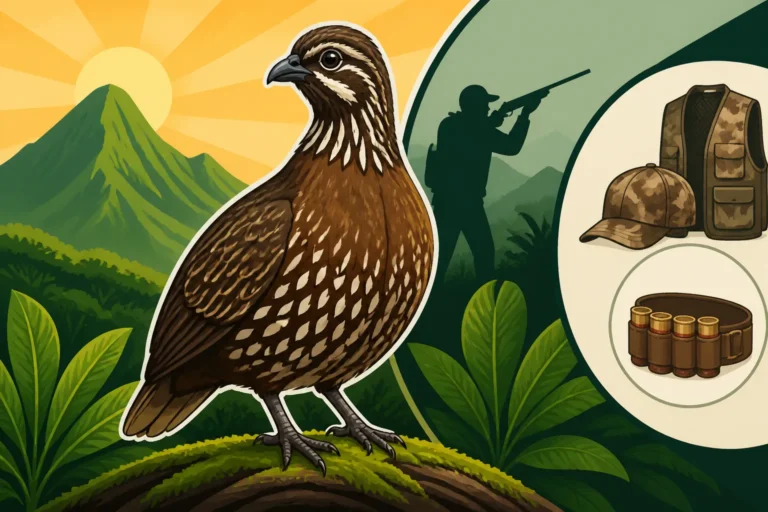
- Japanese Quail: Small and fast, Japanese quail inhabit open grasslands and brushy areas, often flushing explosively from underfoot. They provide quick, challenging wing-shooting opportunities.
Identifying these birds by sight and sound, and understanding their preferred habitats, is key to a successful bird hunt on Oahu.
Using a Bird Dog: Enhancing Your Oahu Bird Hunt
While you can certainly flush birds effectively by simply walking through prime habitat, a good bird dog can dramatically increase your success and enjoyment. Pointers, retrievers, and flushers are all popular choices among Hawaii’s bird hunters. A well-trained bird dog can cover more ground, locate birds hidden in dense cover, and retrieve downed game, saving you from losing birds in the thick Hawaiian vegetation.
Before bringing your dog to a hunting unit, always double-check the specific rules and regulations for that area, as some units may have restrictions on dogs or require them to be leashed in certain zones. Training a bird dog for Hawaii’s unique terrain – from tall grass and thorny kiawe to muddy, steep slopes – requires dedication. It’s a rewarding partnership that connects you even more deeply to the hunting experience.
Neighbor Island Adventures: Where Oahu Hunters Find Tags
Since Oahu lacks the permit-tag big game opportunities of other islands, many dedicated hunters make the trek to a neighbor island each year. This opens up a world of new challenges and the chance to pursue species like Axis deer, Mouflon sheep, and feral goats that simply aren't found on Oahu. While it requires more planning and financial commitment, the reward of a successful neighbor island hunt is often well worth the effort.
Navigating Inter-Island Hunting Logistics
Planning a hunt on a neighbor island from Oahu is essentially planning a mini-expedition. The first logistical hurdle is transportation. You'll need inter-island flights, and if you plan to bring your own firearm, you must adhere to strict airline and federal transportation regulations for Flying to Hawaii With Firearms. This means your rifle or shotgun must be unloaded, in a locked, hard-sided case, and declared at check-in. The same applies to ammunition, which also has specific packing requirements.
Once you land, you'll likely need a rental vehicle, often a 4WD truck, to access the rugged public hunting units. Accommodation, whether camping, a vacation rental, or a hotel, needs to be factored into your budget. The costs can add up quickly—flights, rental car, lodging, food, and the all-important hunting license and permit-tag fees. Advance planning, sometimes months in advance, is absolutely essential to secure everything you need and ensure a smooth trip.
Applying for Drawn Hunts on Neighboring Islands
The most coveted big game hunts on the neighbor islands are often managed through a lottery or drawn hunt system. This includes the highly popular Axis deer hunts on Lanai and Molokai, as well as Mouflon sheep hunts on Hawaii Island (the Big Island) and Lanai. These draws are competitive, with many more applicants than available tags, but they represent the primary way to legally hunt these species on public land.
The application periods and deadlines for these drawn hunts are strict and typically occur annually. You’ll need a valid Hawaii hunting license to apply. Websites like GoHunt often provide up-to-date information on application windows and draw results, helping hunters stay informed and organized. Submitting your application correctly and on time is crucial; missing a deadline means missing out on the opportunity for that year. Many Oahu hunters meticulously track these dates, hoping their number comes up. Our comprehensive guide on Hawaii's Drawn Hunts and Lotteries offers detailed information on how these systems work.
The Lure of Axis Deer, Mouflon, and Feral Goats
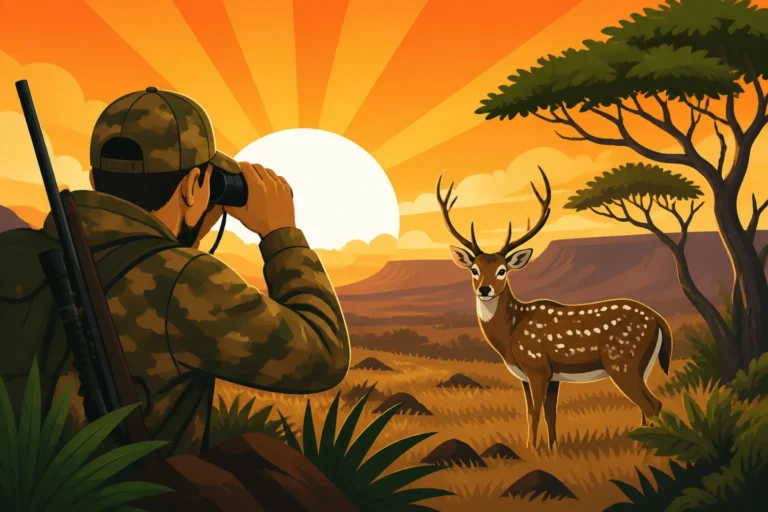
For many Oahu hunters, the dream of bagging an Axis buck, a mature Mouflon ram, or a hardy feral goat is a powerful motivator to head to other islands. Axis deer, with their striking spotted coats and impressive antlers, offer a unique challenge in the dry, open country of Maui, Molokai, and Lanai. Hunting them often involves extensive glassing and challenging spot-and-stalk tactics. Our guide on Axis Deer Hunting in Hawaii covers everything you need to know about pursuing these elusive animals.
Mouflon sheep, primarily found on the high, arid slopes of Mauna Kea on Hawaii Island and in specific units on Lanai, require extreme physical fitness and specialized hunting skills for high-elevation pursuit. Their keen eyesight and ability to blend into the volcanic landscape make them a truly challenging quarry. Similarly, feral goats, found on nearly all islands, provide fast-paced action in some of Hawaii’s most rugged and scenic terrain, from coastal cliffs to deep canyons. Whether it's Hunting Hawaii's Feral Goats or Mouflon Sheep Hunting on Hawaii Island, these experiences offer a stark contrast to Oahu's pig and bird hunting and are truly unforgettable.
Mastering Oahu's Specific Hunting Regulations and Access
Hunting on Oahu, like any other island in Hawaii, comes with its own set of rules and access protocols. It’s not enough to simply know what you can hunt; you also need to understand how to legally and safely access the hunting units and comply with all regulations. For Oahu hunters, technology plays a surprisingly large role in this process.
Checking In and Out: The OuterSpatial App for Oahu Units
One of the most significant differences for Oahu hunters is the mandatory check-in and check-out system for nearly all public hunting units. Unlike some neighbor islands where a physical hunter check station might be present, Oahu largely relies on the OuterSpatial app. This digital platform is absolutely essential for every hunter utilizing state public lands on Oahu. Before you set foot in a hunting unit, you must use the OuterSpatial app to electronically check in. This registers your presence in the unit, notes your intended hunting activity, and tracks your entry time.
The importance of this step cannot be overstated. Failure to check in can result in citations and fines, as well as compromising safety and management efforts. Just as critically, you must remember to check out via the app immediately after exiting the unit, even if you didn't harvest an animal. This system is not just about regulation; it’s a crucial safety measure that allows DOFAW to know who is in the field in case of an emergency, and it helps them gather valuable data on hunter effort. Get familiar with Using the OuterSpatial App to Check In and understand all the nuances of Checking In and Out of Hawaii Hunting Units before your first hunt.
Safety and Regulations Specific to Oahu's Units
Beyond the check-in system, Oahu hunters must be intimately familiar with a range of safety regulations and unit-specific rules. These can include:
- Legal Weapons: Different units and seasons have specific weapon restrictions. For pig hunting, rifles, shotguns with slugs, muzzleloaders, and archery equipment are generally permitted, though caliber restrictions apply. For game birds, shotguns with appropriate shot sizes are standard. Always confirm the legal weapons for your specific unit and target species.
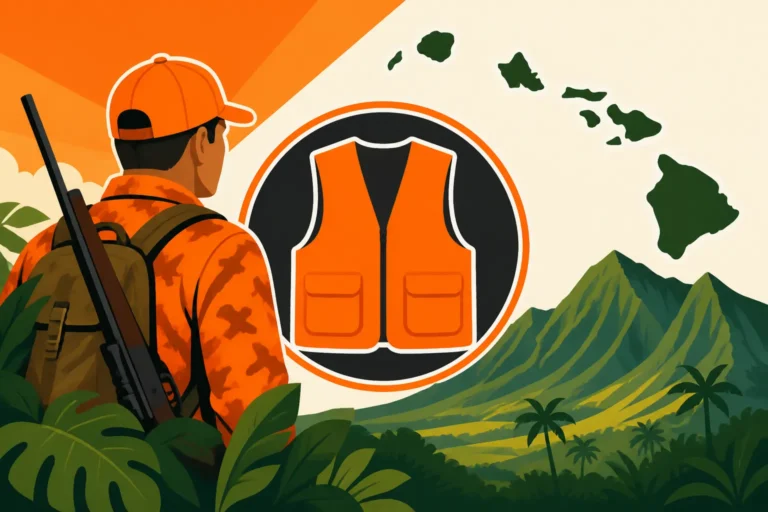
- Blaze Orange Requirements: For safety, blaze orange is often required, particularly during firearms seasons for pigs. This typically means wearing an outer garment (vest, hat, or shirt) that is a solid blaze orange color, easily visible from all directions. Always err on the side of caution and wear blaze orange, even if not explicitly mandated, for your own safety.
- Dog Hunting Rules: If you’re hunting with dogs, there are specific regulations regarding dog registration, vaccination, and sometimes even the number of dogs permitted per hunter or group. It’s vital to understand these to avoid issues.
- Unit Boundaries and Private Property: Oahu is a densely populated island, and public hunting units often border private land. It is your responsibility to know where these boundaries are and ensure you do not trespass. Using GPS mapping tools like the OuterSpatial app or a dedicated GPS device is highly recommended to stay on public land. Violating trespass laws can lead to severe penalties.
Always consult the official DOFAW hunting regulations for Oahu each season, as rules can change. Ignorance of the law is not an excuse.
Beyond the Harvest: Community and Conservation on Oahu
Hunting on Oahu isn't just about filling a freezer or punching a tag; it's a vibrant part of the island’s culture, deeply intertwined with community values and crucial conservation efforts. For Oahu hunters, active participation in these broader aspects of hunting enriches the experience and ensures the longevity of the sport for future generations.
Supporting Oahu's Hunting Community and Local Traditions
The hunting community on Oahu, while perhaps smaller in number compared to other islands with more diverse big game, is tight-knit and resilient. There's a strong emphasis on sharing knowledge, whether it's about pig behavior, new bird dog training techniques, or the best way to navigate a particular gulch. Many local hunters are proud to pass down traditional hunting methods, especially dog and knife pig hunting, to younger generations. This mentorship is invaluable, providing new hunters with guidance on ethical practices, safety, and respect for the land and animals.
Joining a local hunting club or simply connecting with other hunters at trailheads or through online forums can be a great way to tap into this network. These informal gatherings often involve sharing stories, troubleshooting gear, and fostering a sense of camaraderie. The "aloha spirit" extends to the hunting field, promoting mutual respect and responsible behavior among all who venture into the mountains and forests.
Hunter Involvement in Oahu's Conservation Efforts
Hunters on Oahu play an indispensable role in conservation, primarily through their efforts in managing feral pig populations. Feral pigs are a significant invasive species in Hawaii, causing extensive damage to native forests by rooting up sensitive plants, spreading invasive seeds, and contributing to erosion, which negatively impacts watersheds and coral reefs. By actively hunting pigs, Oahu hunters contribute directly to mitigating these environmental impacts.
Beyond direct harvest, many hunters are passionate advocates for habitat preservation and sustainable resource management. Supporting the Hawaii Department of Land and Natural Resources (DLNR) and its Division of Forestry and Wildlife (DOFAW) through license purchases, reporting violations, and adhering to regulations helps fund and enforce conservation programs. Hunters are often the first to notice changes in the environment or wildlife populations, making their observations and involvement crucial for scientific monitoring. It's about being a responsible steward of Hawaii's unique and fragile natural resources, ensuring that the privilege of hunting can continue for generations to come.
| Species | Oahu Hunting Opportunity | Typical Hunting Method | Neighbor Island Opportunity (Tags Required) |
|---|---|---|---|
| Feral Pig | Yes (year-round in many areas) | Dog & Knife, Still-hunting | Yes (all major islands) |
| Axis Deer | No | N/A | Yes (Maui, Molokai, Lanai) |
| Mouflon Sheep | No | N/A | Yes (Hawaii Island, Lanai) |
| Feral Goat | No | N/A | Yes (Hawaii Island, Maui, Kauai, Molokai) |
| Black-tailed Deer | No | N/A | Yes (Kauai) |
| Pheasant | Yes (seasonal) | Shotgun, Bird dog | Yes (Hawaii Island, Kauai, Maui, Molokai) |
| Francolin | Yes (seasonal) | Shotgun, Bird dog | Yes (all major islands) |
| Doves | Yes (seasonal) | Shotgun | Yes (all major islands) |
| Quail | Yes (seasonal) | Shotgun, Bird dog | Yes (Hawaii Island, Maui) |
Disclaimer
Please be aware that hunting regulations, seasons, and access rules in Hawaii are subject to change. Always consult the most current official publications from the Hawaii Department of Land and Natural Resources (DLNR) and its Division of Forestry and Wildlife (DOFAW) before planning any hunt. This guide is for informational purposes only and does not supersede official government regulations.