Flying Home With Game Meat From Hawaii
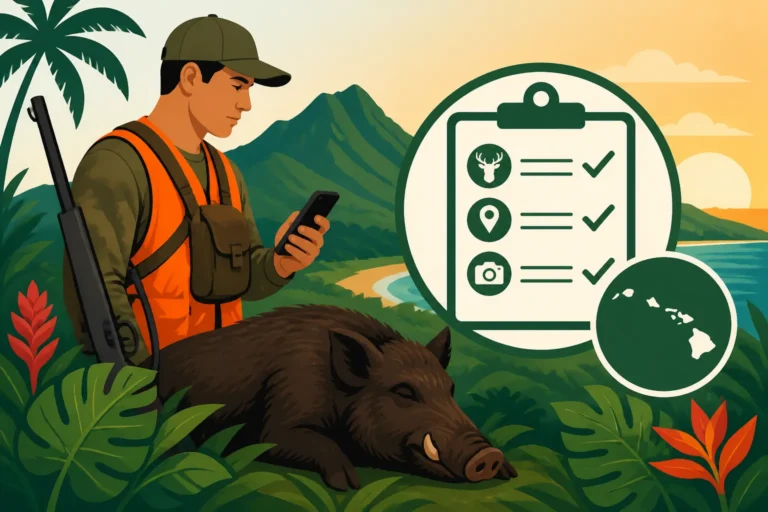
Bringing your hard-earned game meat home from a hunting trip in Hawaii can feel like navigating a complex maze of regulations, especially with the islands' unique agricultural rules and airline policies. Many hunters get overwhelmed wondering how to preserve their harvest in the tropical heat and ensure it makes it safely to their freezer back home. This guide will walk you through everything you need to know, from field care to airport check-in, making your journey with your game meat as smooth as possible.
Understanding the Challenges of Transporting Game Meat from Hawaii
Hawaii is a special place, and that extends to its regulations on moving biological materials, including your prized game meat. It's not just about keeping it cold; there are layers of rules designed to protect the fragile ecosystems of the islands and prevent the spread of pests and diseases to the mainland.
Agricultural Inspection and Regulations
One of the biggest hurdles many hunters face is understanding Hawaii's stringent agricultural inspection process. The state Department of Agriculture is incredibly diligent about preventing the spread of invasive species, and this includes animal products. While processed, frozen game meat from legally harvested animals typically isn't an issue leaving the state, any unprocessed parts or even uncleaned items can raise red flags.
It’s not just about what you're taking off the island, but what might be attached to it – like soil, plant matter, or even insects. Imagine you’ve just harvested a pig in a wet forest unit; it's easy for mud and leaves to cling to the hide or meat. The key here is cleanliness. Ensure your meat is thoroughly cleaned of all foreign material. If you're bringing back a skull or antlers, they need to be completely free of tissue, boiled or treated, and dry. This diligence isn't just a suggestion; it's a requirement to pass inspections, whether you're traveling between islands or heading to the mainland. Ignoring these can lead to delays, confiscation, or even fines, which is the last thing you want after a successful hunt. Always double-check the latest rules on "Agricultural Rules for Taking Meat Off Island" before you pack.
The Perishable Nature of Wild Game
Hawaii’s beauty often comes with heat and humidity, which are fantastic for growing lush forests but terrible for preserving fresh meat. Unlike hunting in colder climates where you might have days to get your animal to a processor, the clock starts ticking the moment your animal hits the ground in Hawaii. This urgency can be a real source of stress for hunters, especially those new to island conditions.
If you've harvested an Axis deer on Maui's dry slopes or a feral pig in a dense Oʻahu gulch, the ambient temperatures can quickly compromise your meat if not handled correctly. Blood needs to be drained immediately, and the carcass needs to be cooled down as rapidly as possible. This means getting it out of direct sunlight, quartering it quickly, and getting it into coolers filled with ice. Ignoring these crucial first steps can lead to sour meat, no matter how perfectly you package it later. We've all heard stories of hunts ruined by improper field care, and Hawaii's climate makes this challenge even more pronounced. Understanding "Field Care in Hawaii's Heat and Humidity" is critical for every hunter here.
Airline Policies and Baggage Restrictions
Beyond agricultural rules, you're also at the mercy of individual airline policies and TSA regulations. Each airline can have slightly different rules regarding the transport of frozen perishables, including game meat, and the use of coolants like dry ice. What might fly with Hawaiian Airlines could be an issue with United or Delta, so assuming uniformity is a common pitfall.
You'll need to consider baggage weight limits, which can be particularly tricky when dealing with heavy coolers full of frozen meat. Overweight fees can quickly add up, turning your trophy meat into a very expensive souvenir. There are also restrictions on the type of container you can use – often requiring sturdy, leak-proof coolers – and limits on the amount of dry ice allowed per cooler and per passenger. These varying rules can be frustrating and confusing, especially when you're trying to coordinate multiple coolers for a substantial harvest.
Preparing Your Game Meat for Air Travel
The success of bringing your game meat home hinges on meticulous preparation from the moment of harvest. Every step, from field dressing to final packaging, plays a crucial role in ensuring the quality and legality of your shipment.
Field Dressing and Initial Cooling Best Practices
The absolute first step to successfully transporting game meat from Hawaii is impeccable field dressing and rapid cooling. In Hawaii's warm climate, bacteria can multiply quickly, turning good meat bad in just a few hours if not managed properly. As soon as your animal is down, get to work. Gut the animal immediately to remove internal heat sources. If you’re hunting larger game like Axis deer or a large feral hog, consider quartering the animal in the field to allow for better air circulation and faster cooling.
Once field dressed or quartered, the goal is to reduce the meat’s temperature as quickly as possible. This often means packing it with ice in coolers. Don't just toss a bag of ice on top; get ice in contact with all surfaces of the meat. If you’re in a remote area, having game bags and a plan for getting the meat to a cooler with ice is paramount. For detailed guidance on this critical phase, revisit our guide on "Cooling Meat Fast on a Hawaii Hunt." Proper care here not only preserves the meat's quality but also makes the subsequent processing much easier and more effective.
Professional Processing and Packaging Options
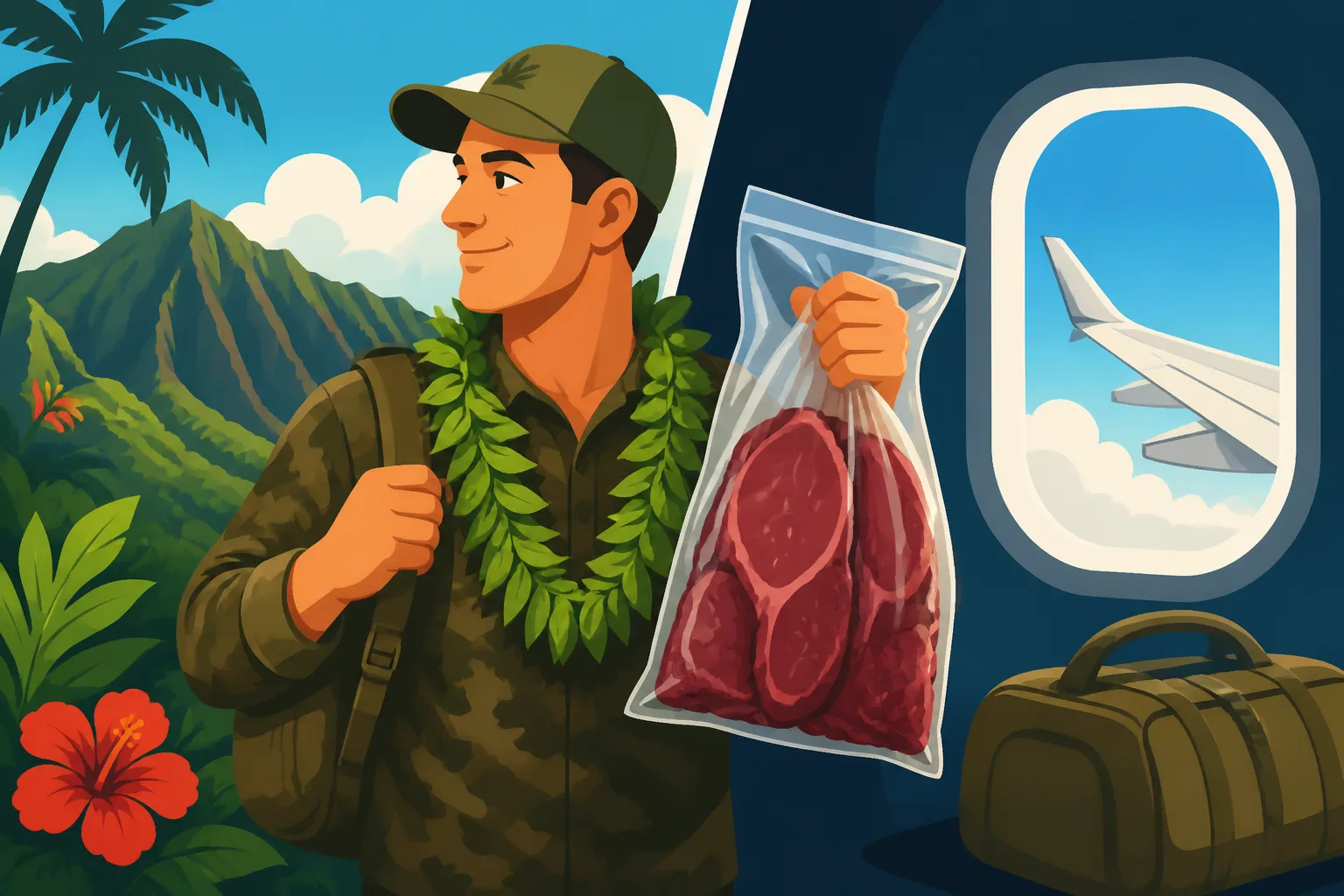
Once you've done your part in the field, the next crucial step is professional processing and packaging. Trying to process a whole animal yourself in a hotel room or vacation rental is often impractical and can lead to issues. Local game processors in Hawaii are accustomed to handling wild game and are well-versed in preparing meat for transport. They will cut, wrap, and often vacuum-seal your meat, which is the gold standard for freezing and long-term storage.
Vacuum sealing is essential. It removes air, preventing freezer burn and greatly extending the meat's shelf life, which is vital for a journey home that might involve transit time. Processors can also package meat into manageable portions, making it easier to fit into coolers and comply with airline weight limits. Before your hunt, research "Where to Find a Hawaii Game Processor" and arrange their services. They can often provide insights into current regulations and best practices for shipping.
Choosing the Right Cooler and Coolant
Selecting the right cooler and coolant is arguably one of the most important decisions you'll make for your meat's journey home. Your cooler needs to be durable, leak-proof, and capable of maintaining low temperatures for an extended period. Hard-sided coolers, like those from brands such as Yeti, RTIC, or Igloo, are often preferred for their robustness and superior insulation. While a soft-sided cooler might seem convenient, they rarely offer the insulation or durability needed for air travel with frozen meat.
For coolant, dry ice is typically the preferred method for long-haul travel with frozen meat. It keeps contents frozen solid for much longer than traditional ice or gel packs. However, dry ice is classified as a hazardous material by airlines, so there are strict limits on the amount you can carry (usually around 5.5 lbs or 2.5 kg per passenger, but always confirm with your airline). It must be properly vented to prevent pressure buildup and labeled clearly. If dry ice isn't feasible or available, a combination of frozen gel packs and regular ice (drained regularly to prevent a soggy mess) can work for shorter trips or if you’re only going inter-island.
Here's a quick comparison to help you decide:
| Feature | Hard-Sided Cooler (e.g., Yeti, RTIC) | Soft-Sided Cooler (e.g., Coleman, RTIC SoftPak) | Dry Ice | Gel Packs / Frozen Water Bottles |
|---|---|---|---|---|
| Durability | Excellent; withstands impacts and rough handling. | Moderate; susceptible to punctures, less structural integrity. | Not applicable (coolant only). | Not applicable (coolant only). |
| Insulation | Superior; maintains temperature for days. | Good; for shorter periods, less effective in extreme heat. | Superior; keeps items frozen solid for extended periods. | Good; keeps items cold/frozen for several hours. |
| Leak-Proof | Often gasket-sealed and highly leak-proof. | Varies; some are better than others, but generally less reliable for liquids. | Not applicable (coolant only). | Often leak if they break open. |
| Airline Regs | Generally accepted as checked baggage if within size/weight limits. | Accepted, but less protective and prone to damage. | Regulated; quantity limits, requires venting and labeling. | Generally unregulated, but heavy. |
| Cost | Higher upfront cost. | Lower upfront cost. | Relatively inexpensive per pound. | Reusable; initial cost varies. |
| Best Use | Long-haul travel, maximum protection, large harvests. | Shorter trips, smaller quantities, less demanding conditions. | Longest freezing power, essential for truly frozen meat. | Supplemental cooling, non-regulated option. |
Remember, clear labeling of your cooler, including your name, contact information, and "FROZEN WILD GAME MEAT" can help facilitate inspections and prevent confusion.
Navigating Airline Rules and Airport Procedures
Even with perfectly processed and packaged meat, dealing with the airlines and airport security can feel like another hunt in itself. Knowing the rules beforehand will save you immense stress.
Specific Airline Guidelines for Meat Transport
This is where planning truly pays off. Before you even book your flight, or at least before you head to the airport, always check the specific policies of your chosen airline regarding frozen perishables. Airlines like Hawaiian Airlines, Alaska Airlines, United, and Delta all have pages on their websites detailing their rules for transporting items like frozen meat. Pay close attention to:
- Dry Ice Limits: As mentioned, this is often restricted to about 5.5 pounds (2.5 kg) per passenger in a vented container.
- Cooler Requirements: Most airlines require coolers to be leak-proof, durable, and clearly labeled. Some might specify materials.
- Weight Restrictions: Standard checked baggage weight limits (usually 50 lbs / 23 kg) apply. Overages will incur significant fees. Plan to pack multiple smaller coolers rather than one massive one.
- Notification: While not always mandatory, it's a good practice to notify the airline in advance that you'll be traveling with frozen perishables, especially if using dry ice. This can sometimes smooth the check-in process.
Don't assume your bag checker will know the rules; come prepared with the printout from your airline's website if needed. GoHunt's resources often provide up-to-date links or summaries for various travel considerations, which can be a valuable starting point.
TSA Regulations for Game Meat and Coolants
The Transportation Security Administration (TSA) is primarily concerned with safety and security, not agricultural pests, but their rules still impact your meat transport. When it comes to dry ice, the TSA mirrors airline regulations regarding quantity (usually 5.5 lbs/passenger) and the need for proper ventilation.
Frozen meat itself is generally allowed in both carry-on (if it remains frozen solid) and checked baggage. However, due to its weight and size, it almost always ends up as checked luggage. Be prepared for your cooler to be opened and inspected by TSA agents. They are looking for anything suspicious, and the fact that it's wild game meat might prompt a closer look. Having your meat clearly packaged, labeled, and accessible for inspection will help the process move smoothly. Remember, liquids (including melted ice water) are subject to carry-on restrictions, so if you're using wet ice, ensure your cooler is completely drained before checking it.
Inter-Island vs. Mainland Travel Considerations
While the core principles of proper preparation remain the same, there are slight differences when traveling inter-island versus heading to the mainland.
For inter-island travel, agricultural inspections are still a thing, primarily to prevent the spread of pests or diseases between islands. Your processed, frozen meat should be fine, but again, ensure it's clean. The main concerns here will usually revolve around airline baggage policies and proper cooling for the shorter flight.
When flying to the mainland, you're looking at a longer journey and potentially more scrutiny. In addition to Hawaii's agricultural check before you leave the state, some mainland states might have their own specific import regulations for wild game, though this is less common for properly processed and frozen meat. The USDA also has general guidelines for meat products entering the mainland. It's always wise to briefly check the agricultural department website of your destination state if you have any doubts. Our article, "Shipping Game Meat Between Hawaii Islands," delves into these nuances further, which can be particularly helpful if your hunt involves multiple flights within the archipelago.
Handling Trophies and By-Products
For many hunters, the meat is just one part of the harvest; the skull, antlers, or hide are equally important. Transporting these items has its own set of rules and challenges.
Shipping Skulls, Hides, and Antlers
If you're planning to take a skull, antlers, or a hide home, they require special preparation to pass agricultural inspections and airline regulations.
- Skulls and Antlers: These must be completely clean and free of any tissue, brain matter, or foreign contaminants. This often means boiling and pressure washing the skull. A European mount preparation is a common solution. They should be thoroughly dried to prevent any lingering odors or biological issues. Again, having this done by a professional taxidermist in Hawaii is highly recommended. For antlers still attached to a skull cap, ensure the cap is clean. Large racks might also require special crating for shipping as freight, rather than as checked baggage. Find more about preparing your trophies in "Getting a Cape and Horns Shipped Home."
- Hides/Capes: Hides must be completely salted and dried, or professionally tanned, to be transported. A wet, unsalted hide will likely not pass inspection due to the risk of pests or decomposition. Taxidermists can properly salt and prepare a cape for transport or ship it directly to your chosen taxidermist on the mainland.
Always declare these items. Attempting to conceal them is never a good idea and can lead to confiscation.
What You Cannot Bring Home From Hawaii
Hawaii has some very specific restrictions on what biological materials can leave the state, aimed at protecting other ecosystems. While properly processed and inspected game meat and trophies are generally fine, there are hard lines that you should be aware of.
For instance, you cannot bring soil, uncleaned plant material, or any uninspected live organisms. This means you need to ensure your boots, gear, and any trophy parts are absolutely spotless. Even a speck of Hawaiian soil on your gear could cause an issue. Animal parts with flesh or blood still on them, beyond what's on a clean, frozen piece of meat, are also typically prohibited without special permits or professional processing. Be especially careful with any "souvenirs" like unique stones or natural materials; if they have soil or organic matter attached, they're a no-go. For a comprehensive list, refer to "What You Cannot Bring Home From Hawaii."
Alternative Solutions for Your Harvest
Sometimes, despite all the planning, flying home with game meat isn't feasible or desired. Perhaps you harvested more than you anticipated, or the logistics become too complex. Thankfully, you have other options.
Donating Meat Locally
Many hunters find themselves with more meat than they can reasonably transport or consume, especially if they’ve had a particularly successful day on the hunt. Instead of letting it go to waste, consider donating your meat to local families or food banks. There's a strong tradition of sharing meat in Hawaii, and many organizations or individuals would be incredibly grateful for wild game. This is a fantastic way to give back to the community and ensure your harvest provides sustenance. Ask your guide or processor about local donation opportunities. It feels good to know your efforts contribute to feeding others, and it's a great solution if you realize you're simply unable to manage the full transport process. Our guide on "Donating Meat You Cannot Take Home" provides more details on this valuable option.
Local Consumption and Restaurants
Another excellent alternative is to enjoy your harvest right there in Hawaii! If you're staying in accommodations with cooking facilities, prepare some delicious meals with your fresh game meat. There's nothing quite like tasting the fruits of your labor right after the hunt.
Furthermore, some local restaurants on the islands, especially those with a focus on farm-to-table or sustainable sourcing, may be interested in purchasing legally harvested game meat, particularly Axis deer. Axis venison is highly prized in Hawaii for its mild flavor and lean quality. If you've got excess, inquiring with local eateries could be a viable option to ensure the meat doesn't go to waste. This not only supports local businesses but also allows more people to appreciate the unique flavors of Hawaii's wild game. Our article, "Why Hawaii Restaurants Buy Axis Deer," explains more about the demand for this particular game meat in the culinary scene.
Disclaimer
Please remember that hunting regulations, airline policies, and agricultural rules can change without notice. Always verify the most current requirements with the Hawaii Department of Land and Natural Resources (DOFAW), your chosen airline, and the TSA before making your travel plans. This guide is for informational purposes only and should not be considered legal advice.