What a Hawaii Axis Buck Weighs
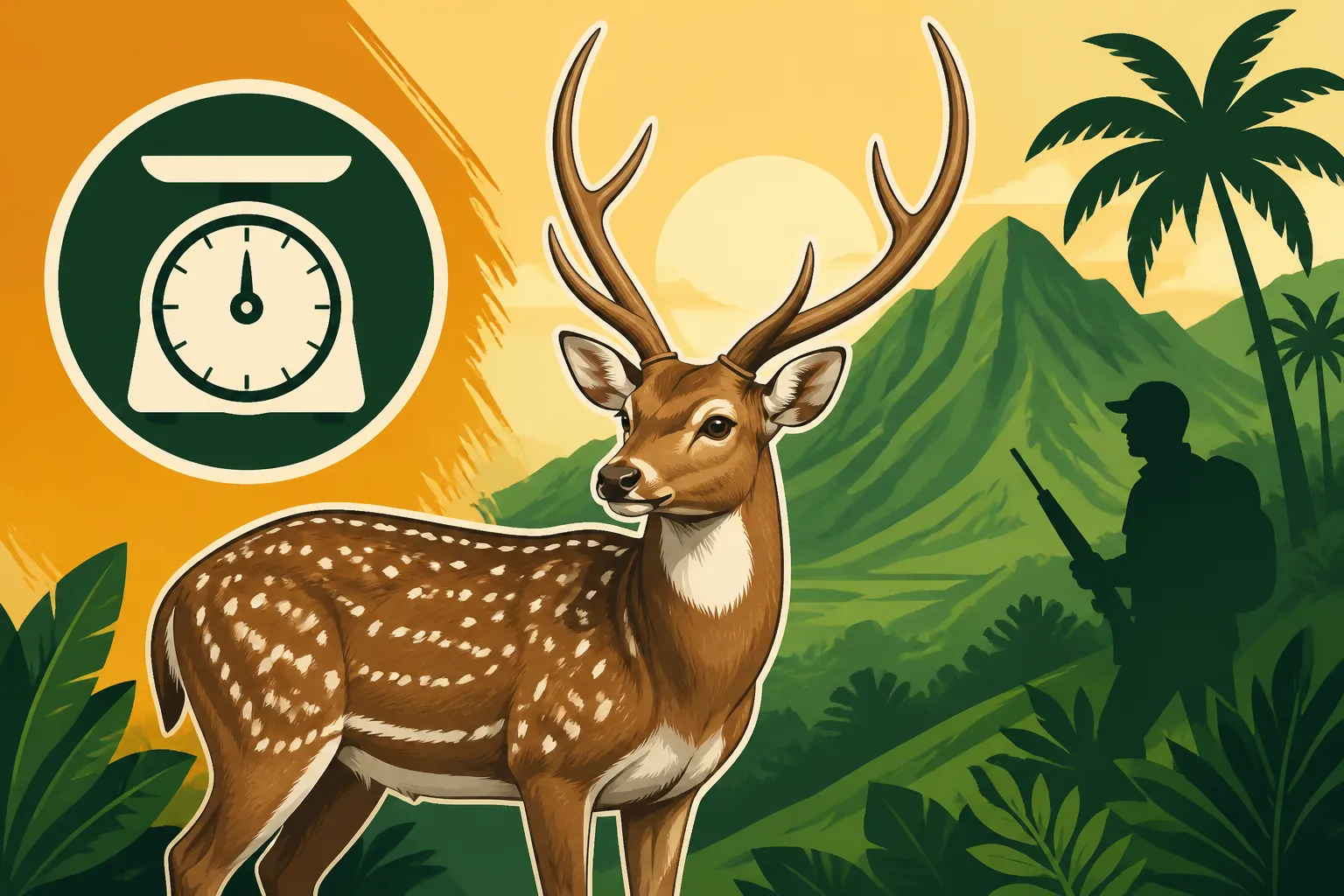
One of the most exciting questions on any hunter's mind when planning a trip to the islands, or even just gearing up for a local hunt, is "How big are these animals really?" Specifically, when it comes to the majestic Axis deer, there's often a lot of curiosity about just how much a Hawaii Axis buck weighs. It's a valid concern, not just for bragging rights, but for practical reasons like meat yield and how you're going to pack that animal out of a remote gulch. This guide will dive deep into what you can expect in terms of Axis buck weights across Hawaii, separating the myths from the realities and giving you a clear picture of what makes these incredible animals tick.
Understanding the Average Weight of a Hawaii Axis Buck
When you picture an Axis deer, you likely imagine that beautiful, spotted coat and tall, slender antlers. But beneath that stunning exterior is a surprisingly compact yet powerful animal. Unlike some of their larger deer cousins on the mainland, Hawaii's Axis deer have adapted to their island environment, resulting in a distinct average weight range.
General Weight Ranges for Adult Bucks
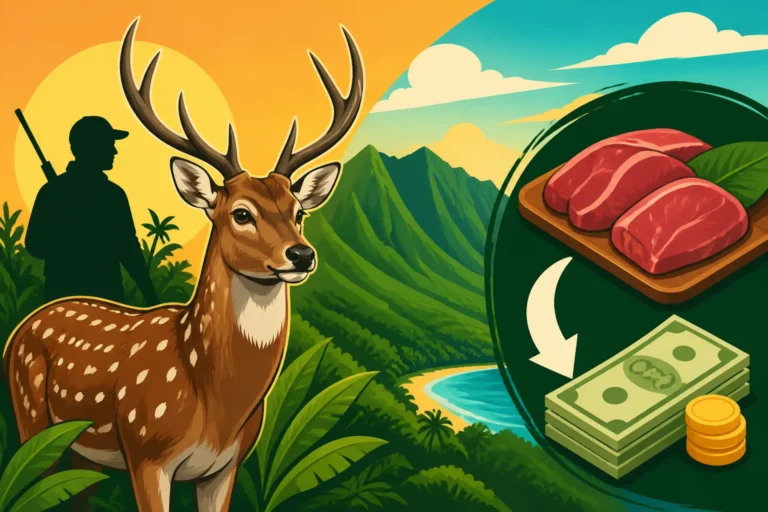
Generally speaking, a mature Hawaii Axis buck can range significantly in live weight, often falling between 150 to 220 pounds. Now, keep in mind, "mature" is a broad term. We're talking about bucks that are several years old, past their initial growth spurts, and really putting on the muscle and fat. Younger bucks, say a two-year-old, might only hit 120-140 pounds. These aren't the giant whitetails or mule deer you might be used to seeing, but they are incredibly athletic and provide excellent venison. The meat from these deer is known for its mild flavor, a real treat after a successful hunt.
It's easy to get caught up in the "record book" mentality, but for most hunters, a healthy, average-sized buck is a fantastic trophy. Consider the terrain they navigate; these animals are built for agility on steep slopes and through thick cover, not necessarily for sheer bulk like an elk.
Factors Influencing Buck Weight: Age, Genetics, and Diet
Just like any animal population, the weight of a Hawaii Axis buck isn't a fixed number. Several crucial factors play a role in how big a particular buck will grow.
Age: This is perhaps the most obvious factor. A yearling buck simply hasn't had the time to put on the mass of a five or six-year-old. As Axis deer mature, their skeletal structure develops, and they accumulate more muscle mass. Generally, a buck will continue to gain weight until about 5-7 years old, after which body weight might plateau or even slightly decrease as they age further. Understanding this age progression can help you in Judging an Axis Buck's Antlers in the Field as well as its body.
Genetics: While all Axis deer originated from the same introduced stock (they were first brought to Molokai in the late 1860s, then to Lanai and later Maui), distinct genetic lines have developed within certain herds over generations. Some bloodlines might naturally produce larger-bodied animals, or animals that are more efficient at converting forage into mass. It's not something a hunter can control, but it's an underlying factor in why certain areas might consistently produce bigger deer.
Diet and Habitat Quality: This is a huge one. The availability and nutritional quality of forage directly impact an Axis buck's ability to grow. On islands or in units with abundant, protein-rich vegetation and reliable water sources, bucks tend to be heavier and healthier. Conversely, in areas experiencing drought, overpopulation, or poor soil quality, deer may struggle to find enough nutritious food, leading to smaller body sizes. For instance, the forage available in a lush, irrigated pasture will be far superior to sparse, dry kiawe flats. Knowing What Axis Deer Eat on Maui or any other island can give you an edge.
Seasonal Fluctuations in Weight
Axis deer are somewhat unique in that their rut, or breeding season, can occur year-round in Hawaii, unlike the highly seasonal rut of mainland deer species. However, there are still peak times for breeding activity, and these can influence a buck's weight.
During periods of intense rutting activity, bucks are often expending a tremendous amount of energy chasing does, fighting rivals, and calling. They eat less and are constantly on the move, leading to significant weight loss. It's not uncommon for a buck to drop 10-20% of its body weight during a strenuous rut. After the rut, they'll focus on replenishing their fat reserves, particularly if good forage is available. This means a buck harvested during a peak rut might weigh less than the same buck harvested a few months later when it's had time to recover. Understanding Why Axis Deer Rut Timing Is Different can help you anticipate these changes.
Additionally, factors like persistent drought can lead to an overall decline in deer health and weight across an entire population. Hunters who use the GoHunt Hawaii portal for checking unit information might see updates or advisories that indirectly suggest such environmental impacts.
Island-Specific Differences in Axis Deer Size
While Axis deer can be found on several Hawaiian islands, not all populations are created equal when it comes to body size. There are noticeable differences influenced by each island's unique ecosystem, management practices, and population dynamics.
Maui Nui's Herds: Lanai, Maui, and Molokai
The "Maui Nui" region (comprising Maui, Lanai, and Molokai) is where the vast majority of Hawaii's Axis deer reside. These three islands, though close geographically, offer distinct hunting experiences and, at times, varying deer sizes.
Lanai: Known for its open, often dry, rangeland, Lanai typically produces healthy, medium to large-bodied Axis bucks. The island has historically had a high density of deer, and while management efforts are ongoing, the availability of quality forage can fluctuate. When conditions are good, bucks here can hit the upper end of the weight range. Many hunters target Lanai for its excellent hunting opportunities, applying for the Lanai's Axis Deer Rifle Season Runs through the GoHunt system.
Maui: Maui's deer population, particularly on the leeward slopes of Haleakala, is robust. Hunters on Maui often find bucks that are well-fed and in good condition, especially in areas with access to diverse vegetation and water. The island offers a mix of terrain, from dry scrub to more lush upcountry areas, all contributing to the varying sizes you might encounter. Hunting Maui's Year-Round Axis Deer Units can yield bucks of considerable size.
Molokai: Many veteran hunters will tell you that Molokai has a reputation for producing some of the biggest-bodied Axis bucks in Hawaii. This isn't just folklore; historical accounts and observations suggest that Molokai bucks often carry more mass than their counterparts on other islands. If you're hoping for Hunting Molokai's Big-Bodied Axis Bucks, this island might be your best bet, though access can be challenging.
Why Some Islands Might Produce Heavier Bucks
The reasons for these island-specific differences are complex but usually boil down to a combination of factors:
- Initial Stocking: The genetic makeup of the initial deer released on each island might have played a role. While all came from India, the specific individuals brought over could have influenced the foundational genetics of each island's herd.
- Habitat Diversity: Islands with a wider range of habitat types, offering different food sources throughout the year, can support healthier deer. For example, a mix of open grass, forest edges, and agricultural lands (where hunting is permitted and managed) can provide a consistent, high-quality diet.
- Population Density and Management: Overpopulation can quickly lead to degraded habitat and smaller deer as competition for food increases. Islands with well-managed populations, or where hunting pressure helps keep numbers in check, often have healthier, larger animals. Wildlife managers use data, often submitted through platforms like GoHunt, to make these crucial decisions.
The Impact of Habitat and Population Density
Imagine two scenarios: a unit with a relatively low deer population and abundant, nutrient-rich forage versus a unit that's heavily overpopulated, with deer constantly competing for sparse resources. It's clear which scenario will produce larger, healthier bucks.
Areas with consistent rainfall, fertile soil, and a diverse plant community will provide the ideal conditions for Axis deer to thrive and reach their maximum genetic potential. Conversely, protracted drought conditions can stress entire populations, leading to smaller body weights and reduced antler growth. Hunters often Reading Axis Deer Sign in Dry Country to gauge the health of the herd and the available resources. This interplay between habitat and population is a constant challenge for wildlife managers in Hawaii.
Field Dressing and "Live Weight" vs. "Dressed Weight"
When hunters talk about an animal's weight, it's crucial to understand the difference between "live weight" and "dressed weight." This distinction is incredibly important for practical reasons, from estimating meat yield to planning your pack out.
What Hunters Mean by "Live Weight"
Live weight refers to the animal's weight when it's alive, before any processing. This is the figure typically discussed when comparing the size of bucks or talking about the potential "trophy" aspect of an animal. As we've discussed, a mature Hawaii Axis buck's live weight typically falls between 150 to 220 pounds.
However, accurately weighing an animal in the field at live weight is incredibly difficult, if not impossible, without specialized equipment. Most hunters estimate live weight based on visual cues, experience, and sometimes comparing the animal to a known weight (like themselves if they're lucky enough to be able to lift the deer!).
Calculating Dressed Weight and Meat Yield
Dressed weight, also known as field-dressed weight, refers to the animal's weight after the internal organs (viscera) have been removed. This is a much more practical measurement for hunters, as it directly relates to the weight you'll be handling and transporting.
Typically, field dressing removes about 25-35% of an animal's live weight. For a Hawaii Axis buck, this means if you harvest a 180-pound live weight buck, its dressed weight might be closer to 117-135 pounds. This significantly reduces the weight you need to pack out, which is a massive consideration when you're Packing Meat Out of a Hawaii Gulch or navigating rough terrain.
The actual meat yield (the boneless meat you take home) will be even less, often around 40-50% of the dressed weight, depending on how closely you bone out the animal and trim fat. So, our 180-pound live weight buck might yield 45-67 pounds of boneless meat. That's still a substantial amount of delicious, organic protein for your freezer!
Here's a quick comparison:
| Measure | Average Weight Range (Live Weight 150-220 lbs) | Percentage of Live Weight | Notes |
|---|---|---|---|
| Live Weight | 150 – 220 lbs | 100% | Animal's weight before processing. |
| Dressed Weight | 100 – 154 lbs | 65-75% | After internal organs are removed. |
| Boneless Meat | 45 – 90 lbs | 30-45% | Actual usable meat, depends on trimming and butchering style. |
Note: These are estimates and can vary greatly depending on the individual animal, age, condition, and field dressing method.
Practical Considerations for Packing Out Meat
Knowing the potential dressed weight and meat yield is critical for planning your hunt. Hawaii's tropical climate means you need to prioritize Field Dressing Axis Deer in Hawaii Heat quickly and efficiently.
- Weight for Carry: If you're hiking into a remote unit, understanding that you'll be carrying around 100-150 pounds (or more, if you're splitting the load with a buddy) of meat and hide is vital. This requires physical fitness and a solid plan, especially if you're hunting in challenging terrain.
- Cooling: After field dressing, the next immediate concern is cooling the meat to prevent spoilage. This is paramount in Hawaii's warmth and humidity. Strategies for Cooling Meat Fast on a Hawaii Hunt are not just helpful tips; they are essential for salvaging your harvest.
- Transportation: Whether you're hiking out with quarters in a game bag, using a frame pack, or trying to navigate a challenging ATV trail, the dressed weight dictates your transport method. Many hunters use specialized game bags to keep meat clean and allow it to breathe. Remember, after checking out of a unit, you'll still need to get it home or to a processor. The GoHunt system also provides information about unit check-in/check-out procedures which sometimes specify how game needs to be presented.
Judging an Axis Buck's Size in the Field
Estimating an Axis buck's weight and overall size in the field is a skill that comes with experience. It's not always about having a scale; it's about observing key visual cues.
Visual Cues for Estimating Body Weight
When you spot an Axis buck through your binoculars or scope, focus on more than just the antlers. The body tells a significant story about its age and weight.
- Body Depth and Length: A truly mature buck will have a deep chest and a long, well-muscled body. Yearlings and younger bucks will appear lankier, with less body depth, especially in the brisket area. Look at the distance from the top of the back to the bottom of the chest. A bigger gap usually means a younger, less developed animal.
- Neck and Shoulder Mass: Older bucks develop thicker, more muscular necks and shoulders, especially during the rut when they are sparring. The neck will appear to blend more seamlessly into the shoulders, rather than looking slender and distinct.
- Belly Line: While a full belly can indicate a recent meal, consistent girth throughout the midsection, especially if it carries all the way back to the hindquarters, points to a heavier, more mature animal. Younger deer often have a more tucked-up, athletic appearance.
- Leg Proportion: Mature bucks will appear stockier in their legs relative to their body, whereas younger bucks might seem "leggy" or out of proportion, with long, slender legs.
These cues, combined with an understanding of Axis Deer, Hawaii's Signature Big Game, will help you make more informed decisions in the field.
Understanding Age Classes and Their Weight Implications
Knowing the general age classes of Axis deer can significantly aid in estimating weight.
- Fawns/Yearlings (6 months – 1.5 years): These are the smallest, often weighing less than 100 pounds live. They are still growing rapidly and haven't developed significant muscle mass.
- Young Bucks (2.5 – 3.5 years): These bucks are actively growing and will have developed more body depth and muscle. They might weigh 120-160 pounds live, depending on habitat. Antler development is usually improving, but they still have room to grow.
- Mature Bucks (4.5 – 7.5+ years): This is where you find the heaviest animals. They will exhibit all the characteristics of a heavy body – deep chest, thick neck, solid midsection. Live weights typically fall into the 160-220+ pound range. These are often the prime breeding bucks and offer impressive antlers.
- Post-Prime Bucks (8.5+ years): Some bucks may continue to maintain weight, but others might start to show signs of decline, particularly if they've had a hard life. Their antlers might begin to regress as well.
These age classes are general guidelines, but observing the characteristics associated with each will make you a much more effective judge of body size and, by extension, live weight.
Trophy Considerations Beyond Just Weight
While the weight of an Axis buck is a fascinating metric, it's important to remember that "trophy" status means different things to different hunters. For some, it's about the sheer mass of the animal. For many, however, it's the antlers that capture the imagination. A buck with impressive antlers might not always be the heaviest-bodied animal, especially if it's an older buck that's starting to decline in body condition but still carries a magnificent rack.
Hawaii's Axis deer are renowned for their beautiful antlers, which can grow quite long and often feature multiple points, with the classic "brow, bay, and trez" points being highly sought after. Some hunters specifically look for unique antler configurations or overall symmetry, focusing less on the exact weight of the animal. Ultimately, the true trophy is the experience of the hunt, the challenge, and the delicious, wild game meat you bring home, no matter the exact number on a scale. Always be aware of Hawaii Axis Deer Bag Limits for the unit you are hunting to ensure you are in compliance.
Disclaimer
This article is for general informational purposes only and does not constitute professional advice. Laws, prices and regulations vary by location and change over time. Consult a qualified professional for guidance on your specific situation.