Why Aerial Control Angers Some Hunters
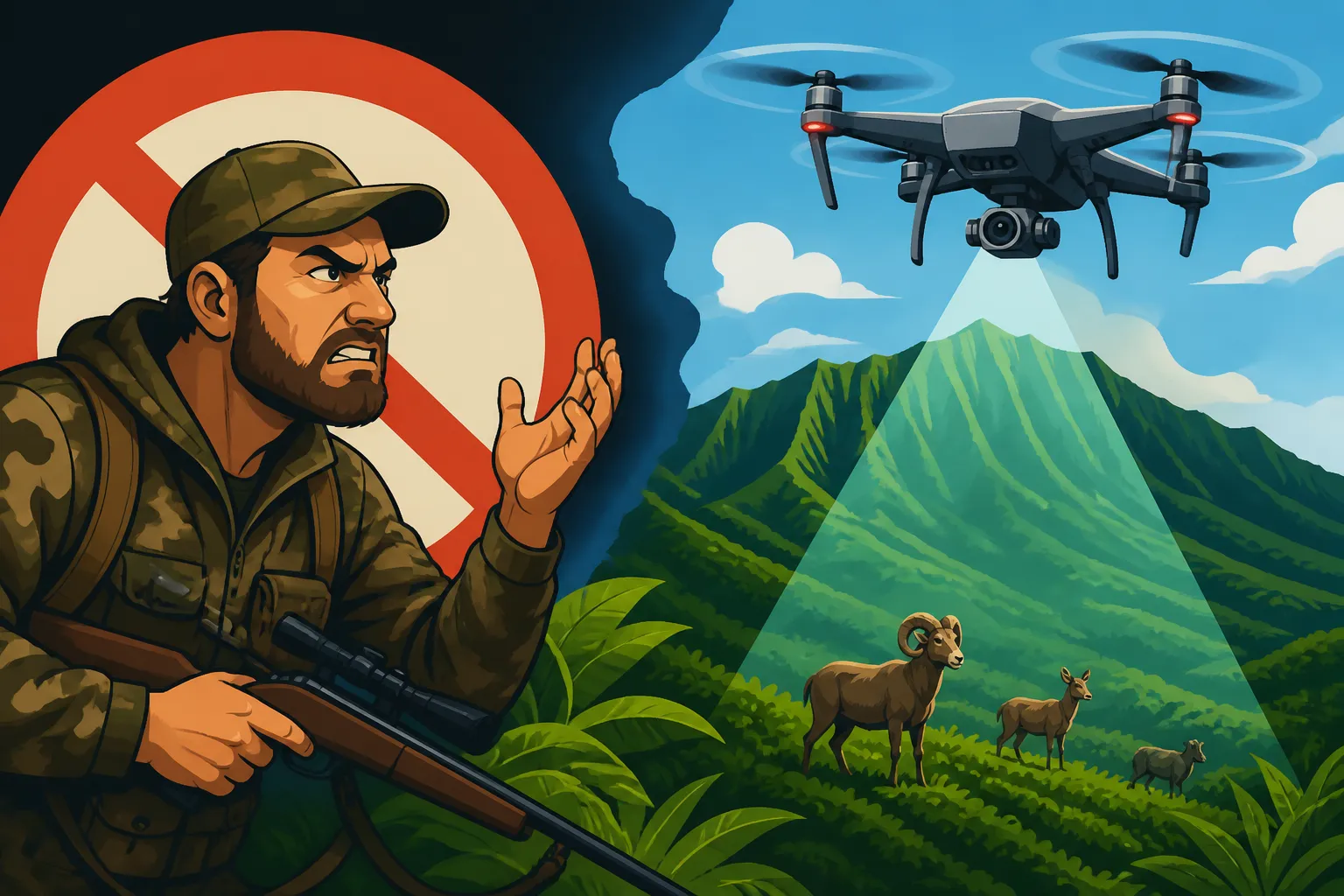
When the rumble of a helicopter echoes through a remote Hawaii hunting unit, it often brings with it a complex mix of emotions for local hunters. While wildlife managers view aerial control as a necessary tool for conservation, many hunters feel a deep sense of anger and frustration, perceiving it as a wasteful, disrespectful, and often counterproductive approach to managing the very animals they cherish. This guide delves into the multifaceted reasons why aerial control ignites such strong reactions within Hawaii's hunting community, exploring the conservation goals, hunter perspectives, and the ongoing search for common ground.
The Conservation Imperative: Why Aerial Control is Used in Hawaii
To understand the hunter's perspective, it's crucial to first grasp why aerial control programs exist in Hawaii. The islands' unique and fragile ecosystems evolved without large grazing or rooting mammals, making them incredibly vulnerable to the impact of introduced species like feral pigs, goats, and deer. While hunters play a vital role in managing these populations, traditional ground-based hunting often isn't enough to curb the extensive damage these animals inflict on native forests, watersheds, and endangered species.
Protecting Fragile Ecosystems
Hawaii's native forests are biodiversity hotspots, home to countless unique plants and animals found nowhere else on Earth. Feral ungulates, especially Hawaii's Feral Pigs, Island by Island and Hawaii's Feral Goats and Why They Matter, act as ecosystem engineers, but in a destructive way for native habitats. Pigs root up delicate undergrowth, spread invasive plant seeds, and create wallows that become breeding grounds for mosquitoes, which can carry avian malaria to native birds. Goats browse indiscriminately, preventing the regeneration of native plants and contributing to severe erosion, particularly on steep slopes and coastal cliffs. Mouflon Sheep on Hawaii's Volcanoes also contribute to browsing pressure in high-elevation areas.
The scale of this damage is often immense, impacting vast tracts of land that are critical for watershed health. Protecting these native areas, especially the upper watershed forests, is not just about conservation; it's about ensuring a sustainable water supply for the entire island. When ground-based efforts prove insufficient to protect these high-value conservation areas, wildlife managers, often from the Department of Land and Natural Resources (DLNR) Division of Forestry and Wildlife (DOFAW), turn to aerial operations to achieve rapid and widespread population reductions.
When Ground Efforts Aren't Enough
Imagine trying to effectively hunt a population of several hundred feral pigs scattered across thousands of acres of dense, near-impenetrable rainforest, or goats clinging to the sheer, inaccessible faces of a pali (cliff). Hawaii's terrain is incredibly challenging. Steep gulches, thick tangles of invasive species like guava and ginger, and vast lava flows make conventional hunting slow and often inefficient for quickly reducing large animal populations.
Traditional hunting, while vital for sustained management and recreational opportunities, is often concentrated in specific, accessible units and reliant on hunter effort. It's excellent for sustained pressure in certain areas but struggles to address widespread overpopulation in remote, rugged, or ecologically sensitive zones. Aerial control, using helicopters and skilled marksmen, can cover these vast and difficult landscapes much faster and more thoroughly than any ground crew, making it an attractive option when rapid intervention is deemed necessary to protect critical resources or endangered species. This method allows for a concentrated effort to bring populations down quickly in areas where native species are on the brink, or where What Ungulates Cost Hawaii's Watersheds is becoming unbearable.
Why Hunters Feel Angered and Disrespected by Aerial Culling
Despite the ecological rationale, the hunting community's anger over aerial control stems from several deeply held values and practical concerns. It's not necessarily a disagreement with conservation goals, but rather with the method and the perceived disregard for hunters' roles and ethics.
Loss of Hunting Opportunity
For many local hunters, hunting is not just a hobby; it's a way of life, a connection to the land, and a source of food for their families. When aerial culling occurs, especially in public hunting units, it can drastically reduce animal populations, essentially removing the opportunity for hunters to pursue game. A unit that was once reliable for a pig or goat suddenly goes quiet, sometimes for months or even years. This feels like a direct subtraction from their limited access and time in the field.
Hunters spend countless hours scouting, preparing, and patiently waiting for their chance. They navigate resources like GoHunt to understand Hawaii's Hunting Units and How They Work and plan their weekends. To have those opportunities systematically removed by a program they feel excluded from, where animals are culled without any chance for recovery, feels like a deep injustice. It impacts their ability to put food on the table and maintain their traditions, creating a sense of resentment toward the management agencies responsible. When populations drop significantly, it can even affect future Hawaii's Drawn Hunts and Lotteries by reducing the number of available tags.
Perceived Waste and Lack of Meat Recovery
Perhaps the most potent source of anger for hunters is the issue of meat recovery. The hunting ethic often revolves around respecting the animal, making a clean kill, and utilizing as much of the animal as possible. The thought of animals being shot from a helicopter and left to rot in the field goes against every fiber of this ethos. While managers might argue that the primary goal is ecological restoration and that meat recovery is logistically impossible or secondary, hunters see it as an unforgivable waste.
They ask, "Why can't those animals be harvested by hunters? Why are they just left there?" The effort required for Packing Meat Out of a Hawaii Gulch is immense, but hunters undertake it because the meat is valuable. To witness or even imagine game animals being left behind feels like a profound disrespect not only to the animal but also to the traditional practices of sustenance hunting. This perceived waste is a significant psychological hurdle that agencies struggle to overcome when communicating with the hunting community.
Feeling Excluded from Decision-Making
Hunters often feel that decisions regarding aerial culling are made top-down, without meaningful consultation or consideration of their input. They might attend public meetings, submit comments, or try to get information through official channels like GoHunt's announcements, but still feel that their concerns are sidelined. This lack of perceived transparency and inclusion fosters a deep sense of distrust.
Many hunters believe that they are the frontline conservationists, intimately familiar with the land and the animal populations, and that their on-the-ground knowledge is undervalued. When they see a sudden change in a unit, or a new aerial operation announced, it can feel like a betrayal, as if their contributions and commitment to How Hunting Fits Hawaii's Conservation Plan are not being acknowledged. They scan resources like Where DOFAW Posts Season Announcements for important updates, but often the decision for aerial culls feels like it comes out of nowhere, without enough prior discussion or justification that resonates with their values.
Questions About Efficacy and Data
Beyond the emotional response, many hunters raise legitimate questions about the long-term effectiveness of aerial control. They sometimes see populations rebound quickly after culling events, leading them to question whether the expensive and controversial operations truly achieve lasting results, or if they merely offer a temporary reprieve. They might observe that animals simply relocate to adjacent areas, only to return later.
Hunters also frequently challenge the data used to justify aerial culling. They might dispute population estimates, arguing that numbers are lower than agencies claim, or that the impact on native species is exaggerated in certain areas. This skepticism further erodes trust and fuels the belief that agencies are not always acting on the most accurate or balanced information. When Hawaii Hunting Rules That Changed This Year are announced, hunters often scrutinize the reasoning, and apply that same skepticism to culling operations.
The Impact on Animal Populations and Future Hunting
The immediate and long-term effects of aerial control on game populations and the future of hunting in Hawaii are central to hunter concerns.
Short-Term Population Dips
It's undeniable that aerial culling operations can lead to significant short-term drops in game animal numbers within a targeted unit. For hunters, this translates directly to reduced success rates and fewer animals encountered during their hunts. Imagine planning a trip to one of the public units known for Hunting Hawaii's Feral Pigs, only to find the area barren after a recent aerial sweep. This can be incredibly disheartening, causing hunters to feel their time and effort are wasted.
These dips can disrupt traditional hunting patterns, forcing hunters to seek out new areas or wait for populations to recover, which can take considerable time. This uncertainty about game availability adds another layer of frustration, especially for those who depend on hunting for food. The impact of these culls can be felt keenly for several seasons, leading to Why DOFAW Shortens a Hawaii Season or closes areas entirely to allow for recovery, further limiting hunter access.
Long-Term Management Concerns
Beyond the immediate impact, hunters worry about the sustainability of game populations if aerial culling becomes a routine management tool. They question whether such aggressive methods could permanently deplete local animal numbers, fundamentally altering the recreational and subsistence hunting landscape. Hunters are often keen advocates for healthy game populations, recognizing that a sustainable population ensures future hunting opportunities.
There's a concern that a heavy reliance on aerial control could overshadow other, more hunter-friendly management strategies, such as expanding public hunting access, creating more accessible hunting opportunities, or investing in community-based pig and goat removal programs. Hunters want to be part of the solution, and they fear that aerial culling marginalizes their role in conservation and long-term game management. They want to ensure Hawaii Game Mammal Seasons remain robust and productive for generations to come.
The Ethical Debate
The ethical dimension of aerial control versus fair chase hunting is a deeply felt issue. Fair chase principles emphasize respect for the animal, using methods that give the animal a reasonable chance of escape, and avoiding undue suffering. Shooting animals from a helicopter, often in large numbers, can be seen as inherently unfair and lacking the respect for life that hunters strive for.
While wildlife managers view it as a necessary evil to protect endangered species, many hunters perceive it as a sterile, industrial form of killing that lacks the personal responsibility and connection inherent in hunting. This ethical clash is not easily resolved and remains a significant point of contention, highlighting a fundamental difference in how these two groups approach wildlife and conservation.
Seeking Common Ground and Sustainable Solutions
Despite the strong emotions, there is a desire within both the conservation and hunting communities to find more harmonious and sustainable solutions for wildlife management in Hawaii. Bridging this divide requires better communication, collaboration, and a willingness to explore a diverse array of strategies.
Exploring Collaborative Approaches
One promising avenue is to increase collaboration between wildlife agencies and the hunting community. This could involve more widespread co-management efforts, where local hunters are actively involved in planning and executing ground-based control efforts, perhaps through organized volunteer hunts or increased access during specific seasons. For instance, programs could be established to better facilitate meat recovery from certain culling operations, utilizing community volunteers where feasible, though logistical challenges are significant.
The hunting community represents a powerful, motivated, and often skilled workforce that, if properly engaged, could contribute significantly to management goals in ways that align with their values. Providing more accessible information through platforms like GoHunt, not just on licenses and seasons but on proposed management actions, could also empower hunters to participate more effectively in discussions.
Education and Communication
A critical step is to improve the dialogue between DOFAW and the hunting public. This means more than just posting notices or holding occasional public meetings. It requires consistent, transparent communication that clearly explains the why behind aerial control decisions, the data supporting them, and the alternatives considered. Agencies need to empathize with hunters' concerns about waste and loss of opportunity, addressing them directly, even if the answers are difficult.
Similarly, hunters need to better understand the immense ecological pressures facing Hawaii's native species and the urgent need for effective management. Educational initiatives that highlight the specific damage caused by ungulates and the successes of conservation efforts could foster greater understanding and support. Hawaii Hunting Licenses and What They Cost often include conservation fees, showing hunters are already invested in the health of the islands.
Adaptive Management Strategies
Ultimately, a balanced approach to wildlife management in Hawaii will likely involve a combination of strategies. This could include targeted ground hunting, strategically placed fencing to protect critical native areas, increased use of trapping, and aerial control reserved for truly inaccessible areas or emergency situations where rapid population reduction is paramount. Adaptive management means continually evaluating the effectiveness of each tool and adjusting strategies based on ecological outcomes and community feedback.
| Aspect | Rationale for Aerial Control | Hunter Concerns & Frustrations |
|---|---|---|
| Primary Goal | Rapid reduction of invasive species for ecosystem protection | Ecosystem protection, but also preserving hunting opportunities |
| Efficiency | Can cover vast, rugged terrain quickly; effective for large herds | Inefficient for meat recovery; not always perceived as long-term effective |
| Cost | High initial cost, but potentially efficient for large-scale ops | Costly, could funds be better spent on other management? |
| Meat Recovery | Often difficult or impossible, leading to animals left in field | Unacceptable waste of game meat, disrespectful to the animal |
| Impact on Hunting | Protects native habitats, potentially ensuring future game health | Reduces current game populations, impacts traditional hunting access |
| Community Input | Decisions based on ecological data and management plans | Lack of transparency, feeling excluded from important decisions |
This table highlights the fundamental disconnects that need to be bridged. By embracing a flexible approach that values both scientific conservation principles and the cultural and ethical considerations of the hunting community, Hawaii can move towards more holistic and accepted wildlife management solutions. Hunters often diligently check Checking In and Out of Hawaii Hunting Units for current information; a similar system for transparent updates on culling operations and their rationale could be a step in the right direction.
Disclaimer
This article is for general informational purposes only and does not constitute professional advice. Laws, prices and regulations vary by location and change over time. Consult a qualified professional for guidance on your specific situation.