Which Hawaii Units Have Fewer Animals Now
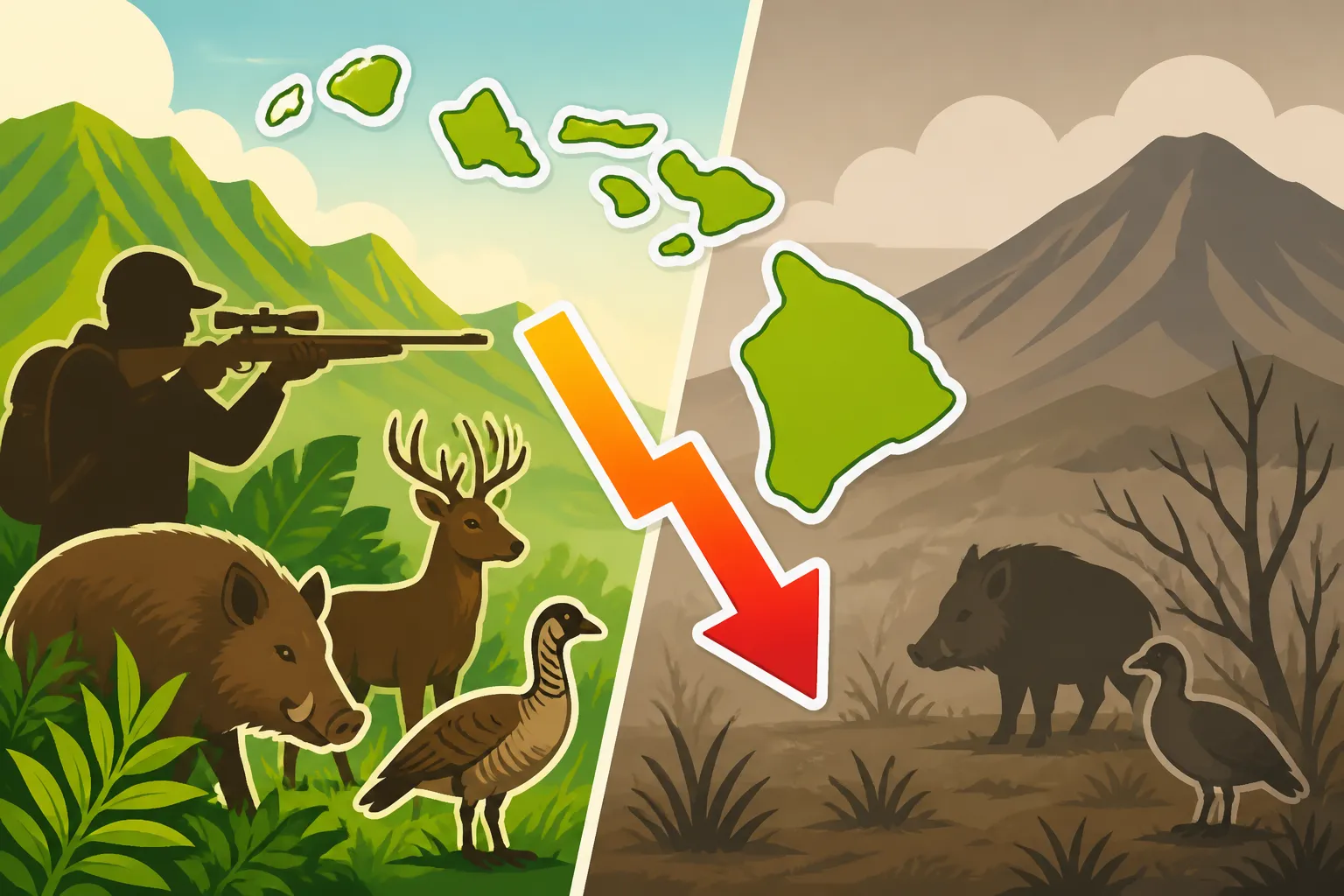
It’s a truly disheartening experience to return to a beloved hunting spot, one that has consistently produced opportunities in the past, only to find the game animals noticeably sparse. Many hunters across Hawaii are grappling with this very frustration, observing shifts in animal populations within units that once seemed teeming with life. This guide is here to shed light on which Hawaii hunting units have experienced noticeable declines in game animal numbers, exploring the complex reasons behind these changes and what it means for those of us who cherish the hunt in these islands.
Understanding the Dynamics of Game Animal Decline in Hawaii
The populations of game animals in Hawaii, from the swift Axis deer to the elusive feral pig, are never static. They are constantly influenced by a complex interplay of environmental factors, human activity, and management strategies. When we talk about units having "fewer animals now," it’s rarely a simple, single cause. It's often a confluence of issues that conspire to reduce game numbers or make them less accessible to hunters.
Environmental Stressors and Habitat Degradation
Hawaii’s unique ecosystems are incredibly fragile, and game animals, while often considered invasive, are still deeply tied to the health of their habitat. When that habitat suffers, so do the animals.
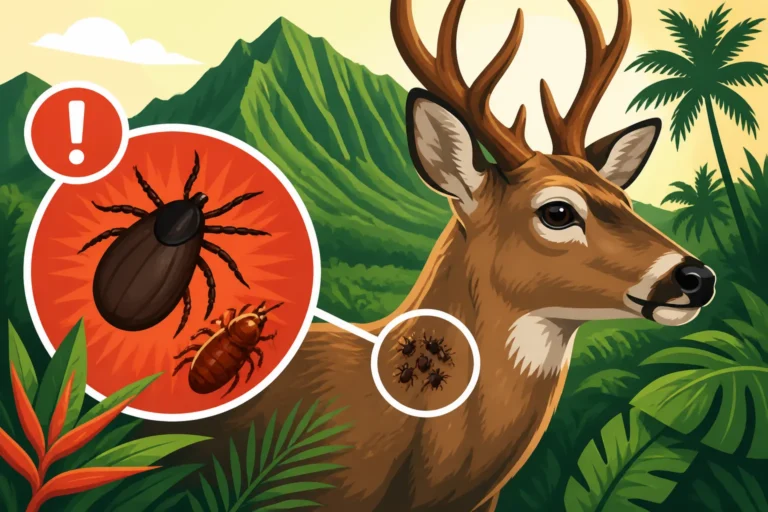
- Drought Conditions: The islands experience distinct wet and dry seasons, but prolonged droughts can be devastating. Water sources dry up, forage becomes scarce, and animals are forced to move, often into areas less accessible to hunters or even off public lands entirely. A unit that relies on seasonal rainfall for its vegetation might see a sharp decline in animal presence during a long dry spell. This stress can also lead to weaker animals, making them more susceptible to disease. You can often see the effects when Hunting a Hawaii Unit in Drought.
- Invasive Species (Plant Competition): It's a bit of an ironic twist, but even though our game animals are invasive, they too can be negatively impacted by other invasive species – particularly plants. Fast-growing, aggressive plants like strawberry guava or common Miconia can create dense, impenetrable thickets that choke out the native and desirable forage plants that deer, pigs, and goats rely on. This reduces the carrying capacity of a unit, essentially shrinking the dinner plate for the animals. Imagine trying to find prime grazing if all the open pastures suddenly became solid walls of inedible brush.
- Wildfires: While not as frequent across all islands, wildfires, particularly in dry leeward areas, can decimate large tracts of habitat. They burn off critical forage, destroy bedding areas, and can directly impact animal populations by driving them out or, tragically, killing them. Recovery for these areas and their animal inhabitants can take years, even decades.
- Fencing and Habitat Fragmentation: In an effort to protect native forests and watersheds, some areas are undergoing extensive fencing projects to exclude ungulates. While crucial for conservation, these fences, like those managed by the Hawaii's Watershed Partnership Lands, can sometimes fragment existing game habitat, cutting off traditional travel corridors or isolating small populations. This can concentrate animals in smaller, unfenced areas, leading to increased pressure, or push them entirely out of units they once frequented.
Increased Hunting Pressure and Management Strategies
Human activity, specifically hunting pressure and land management decisions, plays a direct role in observed animal numbers.
- Over-Hunting in Accessible Units: It’s a tale as old as time: a unit is easily accessible, has a reputation for good hunting, and consequently sees a lot of traffic. While Hawaii’s management aims for sustainable harvest, some units, especially those near population centers or with easy road access, can experience very high hunting pressure. If the harvest rates consistently exceed the reproductive capacity of the local population, or if too many animals are pushed out of the area due to constant disturbance, numbers will inevitably drop. This is particularly true for "weekend warrior" units that are heavily targeted. Opening Weekend on a Hawaii Hunting Unit can sometimes see a huge influx of hunters.
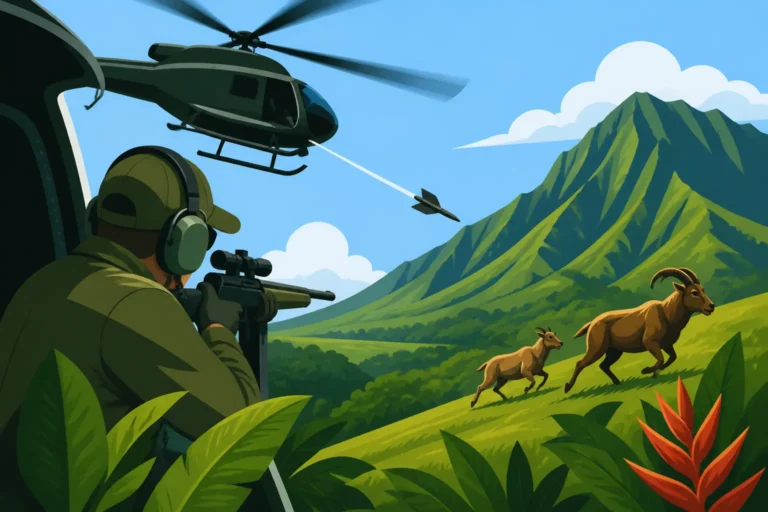
- DOFAW Management Actions (e.g., Aerial Control): The Division of Forestry and Wildlife (DOFAW) occasionally implements direct population control measures, especially for species causing significant ecological damage. This can include aerial shooting programs, particularly for goats and pigs in remote, steep terrain. While these programs are generally not aimed at huntable public units, their impact can sometimes ripple into adjacent areas, or reduce overall populations that might otherwise migrate into hunting units. Hawaii's Aerial Ungulate Control Programs are a good example.
- Season Adjustments and Closures: Sometimes, a unit sees fewer animals because DOFAW has proactively adjusted seasons or even temporarily closed an area to hunting. This could be due to low population counts, specific conservation needs (like protecting sensitive native species), or recovery from a natural disaster. It's always crucial to check the latest regulations for Hawaii Game Mammal Seasons and Where DOFAW Posts Season Announcements before planning any trip.
- Changes in Access: While not directly reducing animal numbers, changes in public access can make it seem like there are fewer animals. If a key road is closed, or a portion of a unit becomes inaccessible, hunters might find themselves with fewer opportunities, even if animals are still present in the now-inaccessible areas.
Specific Hawaii Units Experiencing Noted Declines
While specific numbers and current data are dynamic and best obtained directly from DOFAW, long-term observations and past challenges point to certain types of units or specific areas where hunters have reported seeing fewer animals or where populations have been under particular strain.
Oahu's Public Ridges and Forest Reserves
Oahu, being the most populated island, presents unique challenges for game management. The public hunting units here are often relatively small, fragmented, and experience consistent pressure due to the large number of local hunters.
- Ewa Forest Reserve and Waianae Kai: These units, while offering pig and goat hunting, have often been cited by local hunters as areas where finding consistent numbers of game can be a real challenge. The combination of easy access in some areas, small boundaries, and relentless hunting pressure means that animals are often very wary, nocturnal, or simply pushed into the most remote, steepest, and thickest terrain where hunting becomes incredibly difficult. The pigs in these areas are smart, and it takes dedicated effort, often with experienced dogs, to locate them. If you're Hunting Oahu's Public Ridges, you'll quickly realize that the animals aren't just walking around in the open.
- Makua-Keaau Reserve: Similar to Ewa and Waianae Kai, this area faces similar pressures. Habitat fragmentation due to development and military land use nearby also means that animals have less room to roam and recover. While pigs are present, their numbers can fluctuate significantly based on mast crops, water availability, and hunting intensity.
Maui's More Accessible Axis Deer Units (High Pressure)
Maui is famous for its Axis deer, and rightly so. However, some of the more accessible public units can experience periods where deer numbers appear lower, not necessarily due to a total population crash, but due to dispersal and increased wariness from hunting pressure.
- Kula Forest Reserve and Polipoli Spring State Recreation Area: While these areas can hold deer, especially during certain times of the year, they are relatively accessible and therefore popular. This means deer can become extremely elusive. Hunters often report seeing fewer deer in the "easily walked" portions of these units, forcing them to push deeper or seek out more remote, difficult-to-access pockets. The deer haven't vanished, but they've become masters of evasion. Hunting Maui's Upcountry Forest Reserves requires patience and often a willingness to go where others don't.
- Kahikinui Slopes: This vast unit on the leeward side of Haleakala is known for its Axis deer. However, during prolonged droughts, the already dry terrain becomes even more parched, pushing deer to concentrate around dwindling water sources or move into private ranch lands if fences aren't secure. This can make it feel like numbers are down within the public unit itself, even if deer are simply shifting their patterns. Hunting Axis Deer in a Drought Year reveals how challenging it can be.
Hawaii Island's Mouflon and Feral Sheep Units (Management Adjustments)
Hawaii Island's high-elevation sheep hunting has a storied past, but specific units have seen declines primarily due to intensive management, often driven by conservation efforts for native birds.
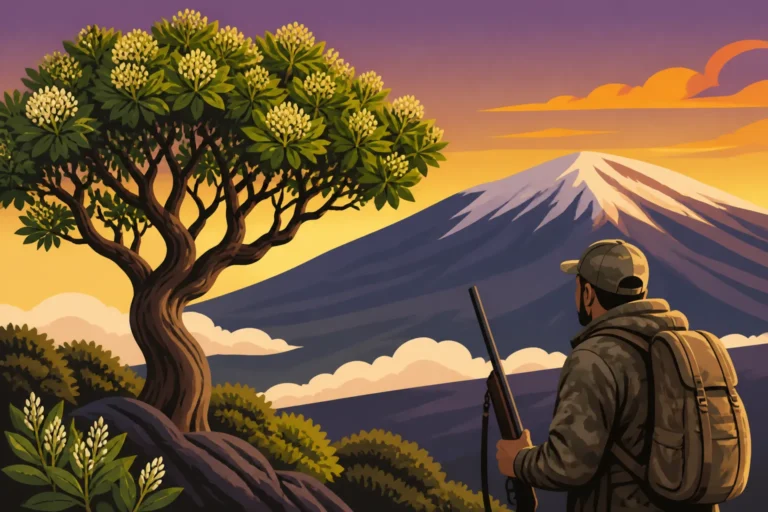
- Mauna Kea's Upper Slopes (Unit A): This area, particularly within the Palila Critical Habitat, has been subject to significant population reduction efforts for feral sheep and mouflon. The Palila and Mauna Kea's Sheep conflict has led to strict management, and while hunting opportunities still exist, the number of animals (especially feral sheep) has been drastically reduced from historical highs. This is a deliberate management decision to protect the endangered Palila bird and its critical mamane forest habitat.
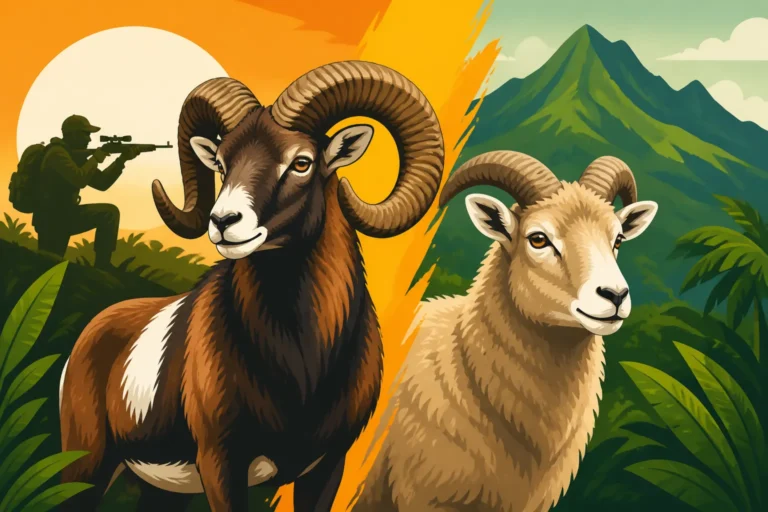
- Puu Waawaa Game Management Area: While still a prime hunting destination, the population of Mouflon and feral sheep here is carefully managed. After strong seasons, or in response to habitat conditions, numbers can be adjusted. Hunters might experience seasons where successful draws or opportunities are harder to come by compared to peak years. However, Hunting Mouflon at Puu Waawaa remains a highly sought-after experience for many.
Feral Goat Units on Several Islands
Feral goats are prolific breeders, but they can also be heavily targeted, leading to localized dips in populations.
- Some accessible coastal cliffs on Maui or Hawaii Island: While goats can be found in abundance in many rugged coastal or canyon areas, the easily accessible "honey holes" that once held large numbers can become quickly hunted out. Goats are intelligent and will seek out even more treacherous terrain if pressured, or move into adjacent private lands. This doesn't mean the island's goat population is necessarily down, but specific, easy-to-reach units might see fewer animals. Hunting Goats on a Sea Cliff Safely emphasizes the difficulty.
| Unit Type/Species | Primary Reasons for Decline (Observed) | Impact on Hunters |
|---|---|---|
| Oahu Public Ridges (Pigs/Goats) | High hunting pressure, small unit size, habitat fragmentation, increased wariness. | Fewer visible animals, more challenging hunting, greater reliance on dog teams. |
| Maui Accessible Axis Deer Units | High hunting pressure, dispersal due to disturbance, drought, animals moving to private lands. | Deer become more nocturnal, harder to locate in open areas, require deeper pushes. |
| Mauna Kea Mouflon/Sheep | Intentional population reduction for native bird conservation (Palila Critical Habitat). | Fewer tags, tougher draw odds, lower overall sheep/mouflon density. |
| Accessible Goat Units | High hunting pressure, goats shifting to more remote or private areas, localized overharvest. | Fewer goats in easily reached spots, requiring more strenuous climbs/walks. |
| Units Affected by Drought | Lack of water, scarce forage, animals moving to wetter areas or private land. | Animals concentrated around dwindling water, less dispersed, harder to find. |
| Units with Invasive Plants | Reduced quality and quantity of forage, dense thickets making access difficult. | Animals become less healthy, lower carrying capacity, harder to spot/stalk. |
What Does This Mean for the Hawaii Hunter?
Encountering units with fewer animals than before can be frustrating, especially if you've invested time and effort into scouting. But it doesn't mean hunting in Hawaii is "over." It simply means the dynamics are changing, and hunters need to adapt.
Shifting Tactics and Expectations
When game numbers are down in a historically good unit, it often means the animals that are there are smarter, more nocturnal, and better at evading detection.
- Embrace the Challenge: Instead of giving up, view it as an opportunity to sharpen your skills. Learn to Read Axis Deer Sign in Dry Country or Reading Pig Sign Along a Muddy Trail with greater precision. Animals in pressured areas leave subtler clues.
- Go Deeper and Harder: Many animals simply retreat to the most inaccessible parts of a unit. This means being prepared for Hunting Hawaii's Volcanic Terrain or Navigating a Hawaii Gulch System. Units that require a long walk in often hold more undisturbed animals.
- Hunt Smarter, Not Just Harder: Pay even closer attention to wind patterns, thermals, and the timing of your hunts. Animals are most active during low-light hours in pressured areas. Hunting Axis Deer at First Light in Hawaii or Hunting Pigs Without Dogs in Hawaii in deep cover can yield results.
- Adjust Expectations: A "good hunt" might now mean seeing fewer animals but successfully connecting with one, rather than seeing dozens. Trophy potential might also be affected if overall herd health is stressed.
Staying Informed and Adaptable
The key to navigating changing animal populations is staying continuously informed and being flexible with your plans.
- Regularly Check DOFAW Announcements: Season dates, bag limits, and even unit closures can change. It’s absolutely vital to stay up-to-date. DOFAW frequently posts updates on its website, and platforms like GoHunt often integrate this information, making it easier to track. Don't assume that just because a unit was open last year, it will be the same this year. Why DOFAW Shortens a Hawaii Season often comes down to population health.
- Utilize Mapping Apps: Tools like onX Hunt can be invaluable for understanding land ownership, unit boundaries, and identifying potential access points or areas that might hold animals but are less pressured. Using OuterSpatial App to Check In is also becoming a standard for official check-ins.
- Connect with Other Hunters (Respectfully): While specific spots are often guarded, discussing general trends, habitat conditions, and successful tactics with other ethical hunters can provide valuable insights. Attend local hunting club meetings or online forums.
- Be Prepared for Diverse Conditions: If drought is impacting one unit, consider exploring a wetter unit if available. Or if heavy pressure is an issue, consider a midweek hunt if your schedule allows. Hunting a Hawaii Unit After Heavy Rain can bring animals out.
The Role of Conservation and the Hunter
It's easy to get discouraged when you see fewer animals. But as hunters, we have a vital role to play in the conservation conversation. Understanding why populations fluctuate helps us advocate for responsible management.
- Support Science-Based Management: DOFAW's decisions are based on biological data and conservation goals. While we may not always agree with every decision, it's important to understand the rationale, especially when it comes to How DOFAW Counts Hawaii's Game Animals and balancing invasive species control with hunting opportunities.
- Practice Ethical Hunting: Adhering to bag limits, season dates, and fair chase principles ensures that we are contributing to sustainable populations for future generations. Tagging an Animal Correctly in Hawaii and respecting regulations are fundamental.
- Participate in Habitat Improvement: Where opportunities arise, contributing to habitat restoration projects can directly benefit game animals by improving food sources and cover.
Ultimately, hunting in Hawaii is a dynamic experience. The units with "fewer animals now" often represent areas undergoing ecological shifts, increased pressure, or active management. By understanding these complexities, adapting our strategies, and staying informed, we can continue to pursue our passion and contribute to the health of Hawaii's unique and challenging hunting landscape.
Disclaimer
This article is for general informational purposes only and does not constitute professional advice. Laws, prices and regulations vary by location and change over time. Consult a qualified professional for guidance on your specific situation.