Hawaii’s Aerial Ungulate Control Programs
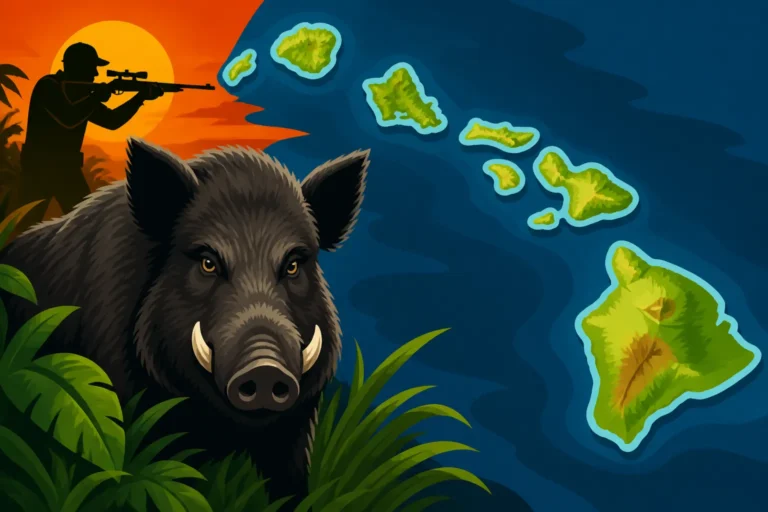
Anyone who loves Hawaii and its unique ecosystems knows the constant battle against invasive species. When it comes to feral ungulates like pigs, goats, sheep, and deer, their impact on our native forests and watersheds is devastating, and frankly, heartbreaking to witness. This guide is going to walk you through Hawaii's aerial ungulate control programs, diving deep into why they're implemented, how they work, the complex community reactions they provoke, and what they mean for the future of our precious islands.
The Why Behind Aerial Control: A Necessary Evil in Paradise
It's easy to look up at a helicopter buzzing over a remote ridge and feel a pang of concern, perhaps even frustration. But these aerial control programs aren't undertaken lightly. They are a direct response to a very real, very pressing ecological crisis. Our native forests, which evolved without large grazing or rooting mammals, are incredibly fragile, and the damage caused by these introduced animals is profound and often irreversible without intervention.
The Ecological Impact of Feral Ungulates: Why Control is Crucial
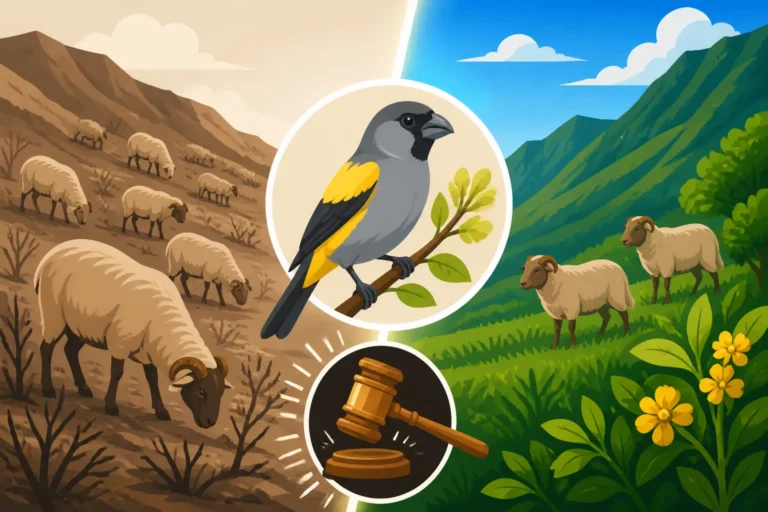
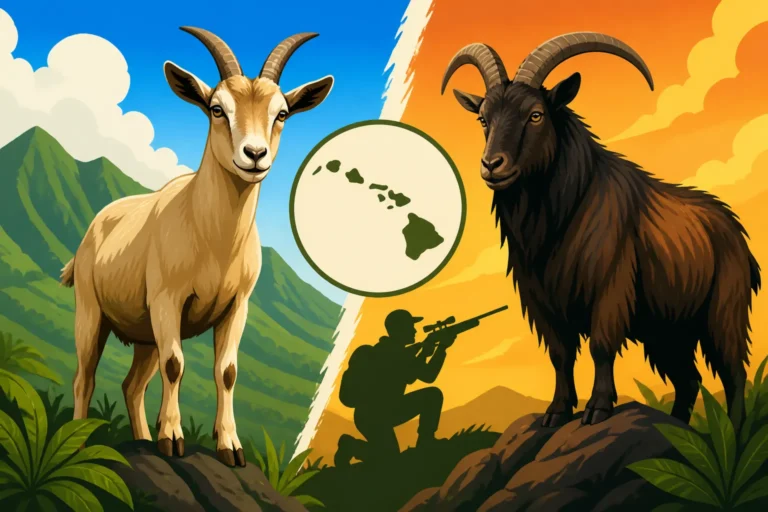
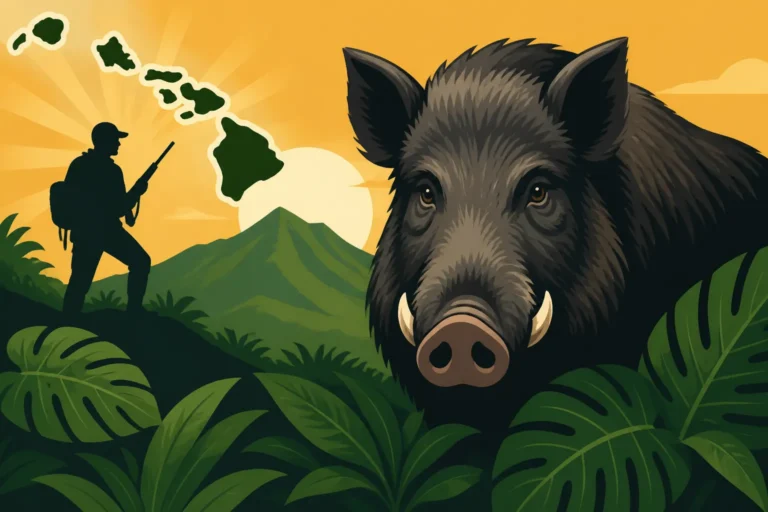
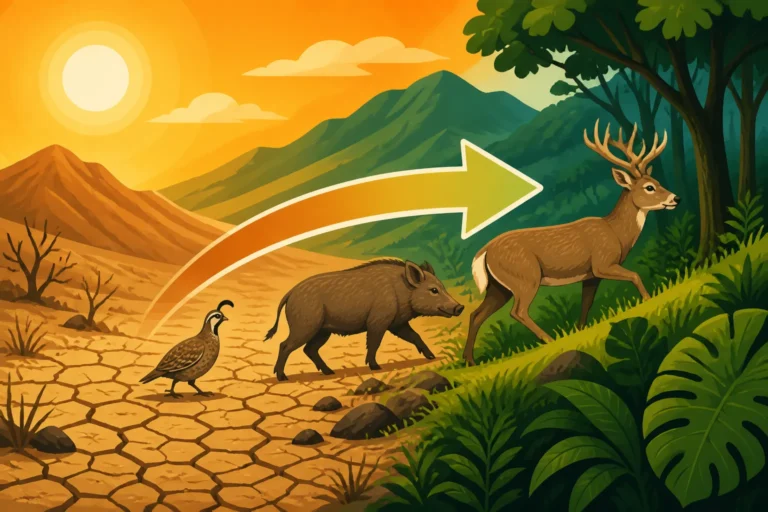
Imagine a pristine native forest, lush with ferns, rare shrubs, and the towering ōhia trees that form the backbone of our watershed. Now picture what happens when hundreds, sometimes thousands, of feral pigs root through the understory, turning rich soil into a barren moonscape. Or goats that scale impossibly steep cliffs, devouring every bit of vegetation in their path, leaving nothing but bare rock and accelerating erosion. These aren't just minor annoyances; these are full-blown ecological catastrophes playing out across our islands.
Pigs, for example, create "wallows" that become breeding grounds for mosquitoes, which in turn spread avian malaria to our highly susceptible native forest birds. Their rooting damages the roots of native plants and creates pathways for invasive weeds to take hold. Goats browse indiscriminately, stripping hillsides bare and preventing forest regeneration, especially in critical watershed areas that capture rain and replenish our aquifers. Even deer, while beautiful, compact the soil, spread invasive seeds, and graze native seedlings to oblivion, especially when their populations explode in areas like Maui or Molokai. The long-term effects of these animals on the islands' biodiversity and water resources are stark. If you want to understand the scale of the challenge, consider what the animals themselves eat and where they live; articles like What Feral Pigs Eat in the Islands or What Goats Eat in Dry Country really drive home their broad impact.
The Limitations of Ground-Based Hunting Efforts
Many of us are hunters, and we take pride in our role as conservationists, helping to manage these populations through ethical hunting. We get out there, often on foot, slogging through mud or scaling steep terrain, doing our part. And truly, ground-based hunting is a vital component of ungulate management in Hawaii. However, it simply isn't enough in certain critical areas or when populations reach overwhelming numbers.
Think about the sheer scale of some of our hunting units – vast, rugged, and often incredibly remote. Many areas are virtually inaccessible to foot hunters, or the terrain is so difficult that consistent pressure is impossible. Animals learn quickly to avoid pressure, retreating into the thickest, most impenetrable parts of the forest or high up on sheer cliffs where few hunters can follow. Furthermore, ground hunting alone often can't achieve the high removal rates necessary to protect truly sensitive ecosystems, especially when dealing with rapidly reproducing animals like pigs and goats. A single sow can have multiple litters a year, and goats are incredibly prolific. For the most fragile native habitats, selective removal through sustained aerial efforts becomes the only viable option to prevent total ecological collapse. This is why you'll see specific regions where these programs are concentrated, usually areas deemed critical for watershed protection or rare species preservation, where even dedicated hunters can't keep pace.
How Aerial Control Programs Work in Hawaii
So, what does an "aerial control program" actually entail? It's not just a free-for-all; these are highly structured, carefully planned operations undertaken by the state's Department of Land and Natural Resources (DLNR) Division of Forestry and Wildlife (DOFAW), often in collaboration with private landowners and conservation groups.
The Logistics of Helicopter Operations
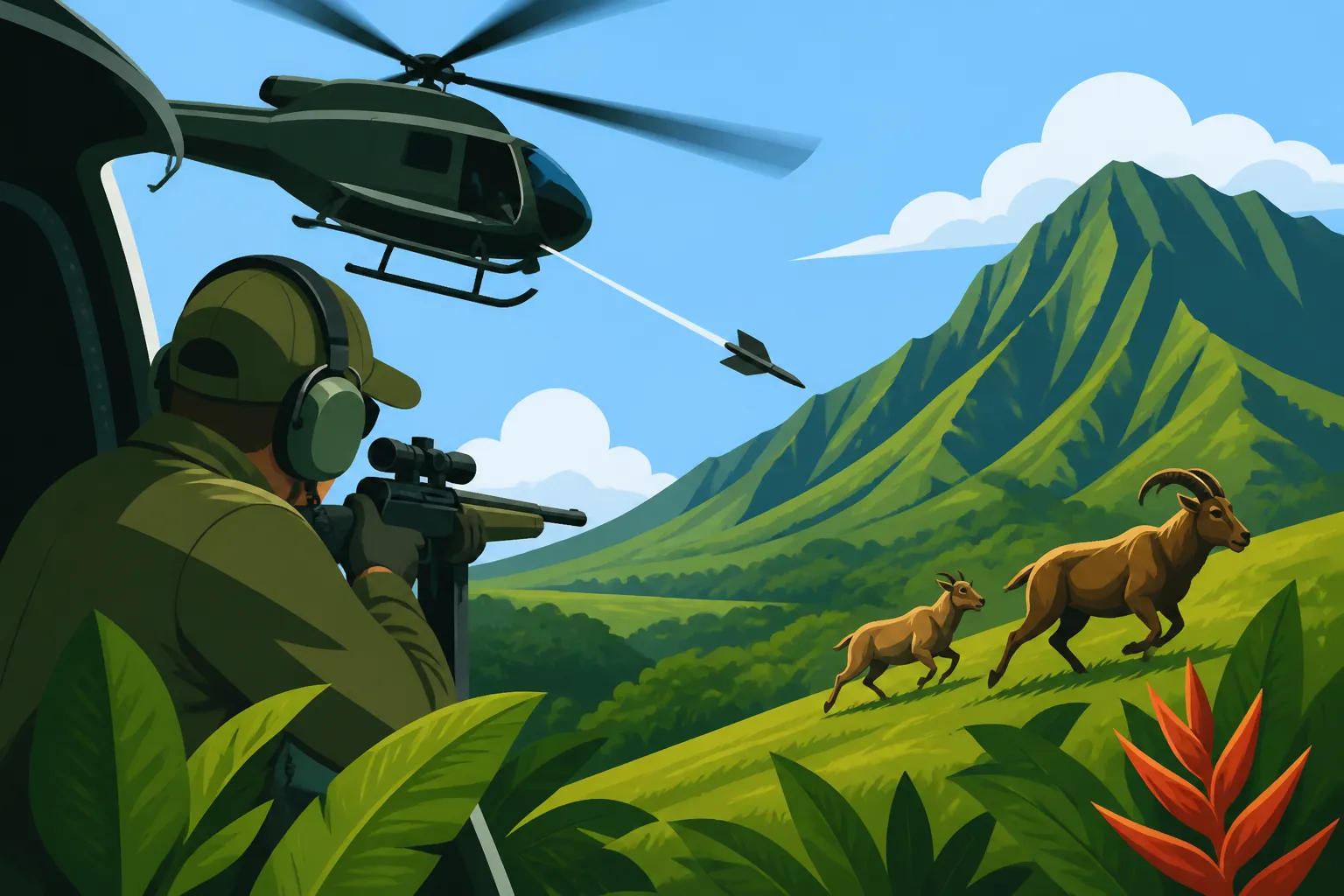
When you see a helicopter overhead during a control operation, it's typically a highly specialized machine, often an MD 500 or similar, flown by an experienced pilot. These pilots are not just anyone; they are skilled at precision flying in challenging mountain and forest environments. The operations usually involve a shooter, often a trained wildlife biologist or a professional sharpshooter, equipped with specific firearms, typically high-powered rifles, to ensure clean, humane kills from the air.
The planning is meticulous. Before a flight, areas are mapped using GIS technology, identifying critical habitats, ungulate concentrations, and areas that are difficult to access by ground. Weather conditions are crucial, as high winds or thick fog can ground operations. The goal is efficiency and effectiveness: locating herds, maneuvering into a safe and ethical shooting position, and dispatching animals quickly. While no one likes the idea of culling animals, the alternative for these sensitive ecosystems is often worse: unchecked devastation. The scale of the problem is often immense, as described in What Ungulates Cost Hawaii's Watersheds. These aerial operations are generally conducted in areas closed to public hunting during the operation, both for safety reasons and to maximize the efficiency of the control effort.
The Role of Trained Personnel and Safety Protocols
Safety is paramount in these operations. The pilots, shooters, and ground crew (if any) are all highly trained professionals. They follow strict protocols for firearm safety, flight operations, and emergency procedures. Communication is constant between the pilot and shooter, and often with a ground coordinator. Before any operation begins, the public is typically notified through official channels. This might be through local news, on the DOFAW website, or even via announcements on platforms like GoHunt, though GoHunt is primarily for licensing and permits, not direct program announcements. It’s important to understand that these aren't arbitrary hunts; they're managed conservation efforts by state agencies responsible for protecting Hawaii's natural resources. They're often targeting areas where Why Hawaii Fences Out Pigs and Goats is a major concern, and fences alone aren't enough or aren't yet in place.
Community Reactions and Ethical Considerations
Aerial ungulate control is a contentious issue, no doubt about it. On one hand, you have conservationists and many scientists stressing the dire need to protect native ecosystems. On the other, you have hunters and some members of the public who question the methods, the ethics, and the perceived waste of meat.
Hunter Perspectives: Frustration and Understanding
As hunters, many of us feel a strong connection to the land and the animals we pursue. The sight of aerial operations can be frustrating. We pour our sweat and time into the forests, sometimes barely seeing an animal, only to hear about culls taking place. There's often a sentiment of, "Why can't we hunt those animals?" or "That meat is going to waste." It's a valid feeling, born from a deep respect for the animals and the resources they represent. Articles like Why Some Hawaii Hunters Oppose Fencing touch upon similar sentiments regarding management strategies.
However, a deeper understanding of the ecological crisis and the limitations of ground hunting often leads to a more nuanced perspective. Many veteran hunters in Hawaii understand that aerial control, while not ideal, is a necessary tool in the conservation toolkit, particularly for protecting areas of critical habitat where conventional hunting simply cannot keep populations in check. They might lament the circumstances that necessitate such measures, but they grasp the underlying problem: unchecked ungulate populations are destroying the very forests that sustain the islands and, ultimately, the animals themselves. The balance is delicate, and it's a conversation that continues to evolve within the hunting community.
The Broader Public Dialogue Around Aerial Culls
Beyond the hunting community, the general public often reacts with strong emotions. Concerns about animal welfare, the visual impact of helicopters, and the perceived "inhumanity" of culling are common. It's an emotionally charged topic, and it brings up fundamental questions about our relationship with nature and how we manage ecosystems.
Conservation organizations and government agencies often try to engage the public through educational campaigns, explaining the science behind the need for control and the severe damage these animals inflict on unique, endangered species and vital watersheds. They highlight the precision and ethical considerations taken during operations, aiming to alleviate concerns about unnecessary suffering. Ultimately, the dialogue often boils down to a choice: protect endangered native species and the health of the entire ecosystem, or allow invasive populations to continue unchecked, leading to greater environmental degradation. It's a tough conversation, but one that is essential for the long-term health of Hawaii. For official announcements and information, checking where DOFAW posts updates, sometimes linked from the GoHunt platform, is crucial.
The Future of Ungulate Management in Hawaii
The challenges of ungulate management in Hawaii are complex, and there's no single, easy answer. Aerial control programs are one tool, but they are part of a much broader strategy that aims for sustainable solutions.
Balancing Conservation Goals with Hunting Opportunities
The ideal future for Hawaii's wildlife management involves a careful balance: protecting our invaluable native ecosystems while also preserving and enhancing hunting opportunities. Many conservation efforts, in fact, aim to increase huntable populations in certain areas while reducing them in others that are critical for native species. For instance, managing Axis Deer, Hawaii's Signature Big Game on certain islands might involve different strategies than managing feral pigs in a sensitive rainforest.
This means continued efforts to establish and maintain fencing in critical conservation areas, as highlighted in Why Hawaii Fences Out Pigs and Goats. It also means exploring ways to make public hunting more effective in accessible areas, perhaps through specific seasons or incentives. Dialogue between hunters, conservationists, and state agencies is vital to find common ground. The goal isn't to eliminate all ungulates, but to manage their populations strategically, reducing their impact where it's most damaging, and allowing for recreational hunting where it's sustainable and beneficial. Hunters are a key part of this solution, as detailed in How Hunting Fits Hawaii's Conservation Plan.
Technology and Collaboration in Wildlife Management
The future of ungulate management will undoubtedly leverage more advanced technology and increased collaboration.
| Aspect of Management | Traditional Approach (Primarily Ground Hunting) | Modern Approach (Integrated with Aerial Control) |
|---|---|---|
| Targeting | Reactive, opportunistic; limited by access. | Proactive, data-driven; targets specific areas. |
| Effectiveness | Limited by terrain, animal evasion, hunter effort. | High efficacy in remote, critical habitats. |
| Cost | Hunter time/gear; lower direct state cost per animal. | High initial operational costs (aircraft, staff). |
| Meat Recovery | High for successful hunters. | Often limited or none in remote cull zones. |
| Ecological Impact | Variable; can reduce populations locally. | Significant, rapid impact on critical ecosystems. |
| Public Perception | Generally positive (recreational hunting). | Mixed; often controversial. |
New technologies, like thermal imaging drones, could potentially aid in scouting or even precise culling in some scenarios, though regulations on their use for hunting and control are constantly evolving. More sophisticated data collection, perhaps even through platforms connected to GoHunt for reporting harvests, can give wildlife managers a clearer picture of population trends across different units. Reporting Your Harvest in Hawaii is one piece of that puzzle.
Collaboration between DOFAW, private landowners (many large ranches conduct their own control efforts), and local communities will be crucial. This might include community hunts in certain areas, educational programs, and transparent communication about the necessity and outcomes of aerial control programs. Ultimately, managing Hawaii's diverse game species like Hawaii's Feral Pigs, Island by Island or Mouflon Sheep on Hawaii's Volcanoes requires a diverse set of tools, and aerial control, despite its controversies, remains an important one in the continuing effort to protect our irreplaceable island home. Knowing Where DOFAW Posts Season Announcements is a good way to stay informed on these efforts.
Disclaimer
This article is for general informational purposes only and does not constitute professional advice. Laws, prices and regulations vary by location and change over time. Consult a qualified professional for guidance on your specific situation.