What Mamane Trees Mean to Mauna Kea
When you think of hunting in Hawaii, it’s easy to picture sun-drenched kiawe flats or dense, wet rainforests. But high atop Mauna Kea on Hawaii Island, the landscape shifts dramatically to a truly unique alpine environment. For hunters heading to these breathtaking elevations, understanding the ecosystem is paramount, and at the heart of that ecosystem is the mamane tree. This guide will delve into why this seemingly humble tree is so vital to Mauna Kea and what that means for both wildlife and the hunting opportunities found there.
The Indispensable Role of Mamane in Mauna Kea's Ecosystem
The mamane tree, Sophora chrysophylla, isn't just another plant on Mauna Kea; it's the very backbone of the fragile high-elevation ecosystem. For anyone planning a hunt in the upland regions of the Big Island, particularly for mouflon sheep, grasping the significance of this native tree is absolutely crucial. Its health directly impacts the health of the entire environment, including the game animals you might be pursuing.
A Keystone Species and Habitat Provider
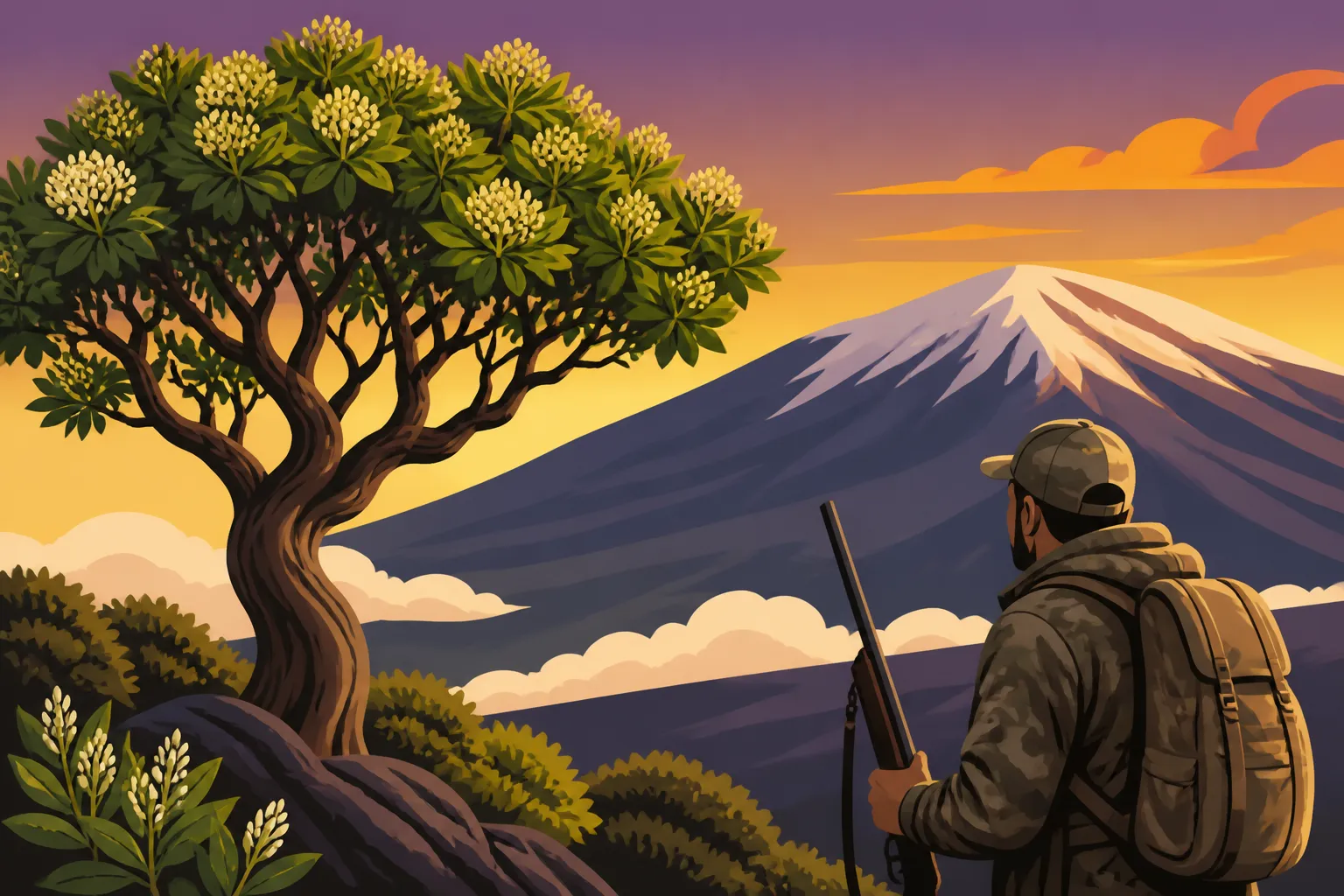
Mamane trees form what's known as a subalpine dry forest, a unique habitat type that thrives in the harsh, cold, and often dry conditions found at elevations between approximately 6,000 and 10,000 feet on Mauna Kea. These hardy trees are often gnarled and slow-growing, capable of withstanding freezing temperatures, strong winds, and intense solar radiation. Their deep root systems help stabilize the volcanic soil, preventing erosion on steep slopes. Without the mamane, much of this high country would be a barren, windswept moonscape.
Beyond stabilization, mamane provides essential shelter. The dense canopy and undergrowth create microclimates, offering refuge from the elements for various creatures. Imagine a frosty Mauna Kea morning; a mamane grove offers a crucial windbreak and a slightly warmer haven than the exposed lava fields. For game animals like mouflon, these groves are vital for bedding down and seeking cover, especially when facing hunting pressure. Hunters learn to seek out these stands, knowing that animals will often gravitate towards the comfort they provide.
Food Source for Mauna Kea's Wildlife
Perhaps the most famous role of the mamane tree is its function as a primary food source for the critically endangered palila bird, which feeds almost exclusively on mamane seeds, flowers, and immature pods. However, it's not just the palila that relies on this resilient tree. The mamane's seeds, rich in protein, are also a food source for insects, other native birds, and even the feral ungulates that call Mauna Kea home.
For hunters, recognizing preferred forage is a key skill, and while mamane is certainly part of the diet for mouflon sheep and feral goats, it’s a delicate balance. Too much browsing pressure from these introduced animals can severely stunt the regeneration of young mamane trees, impacting the entire ecosystem in the long run. Understanding this dynamic helps you appreciate the management challenges faced by wildlife officials in units like those found on Mauna Kea. When Hunting Mouflon in Mauna Kea's Thin Air, knowing where the mamane is healthy can lead you to areas with more animals.
The Palila Bird and Its Unbreakable Mamane Connection
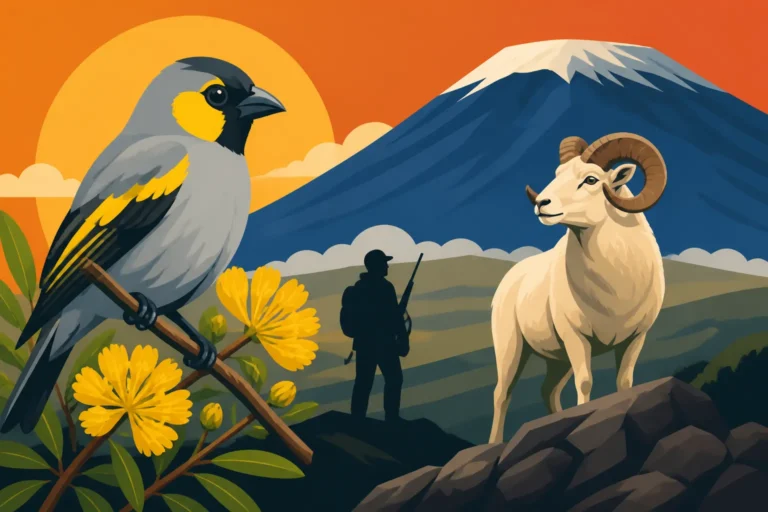
You can't talk about mamane trees on Mauna Kea without talking about the palila. This beautiful, yellow-headed Hawaiian honeycreeper is inextricably linked to the mamane forest, making the tree's fate directly tied to the bird's survival. For hunters operating in these areas, understanding this unique relationship isn't just about conservation; it's about respecting the land and knowing the "why" behind certain regulations and hunting unit boundaries.
A Specialist Feeder with a Specific Home
The palila's diet is incredibly specialized: it mainly eats the immature seeds of the mamane tree. These birds have strong, finch-like beaks perfectly adapted to crack open the tough mamane pods and extract the nutritious kernels. They also consume mamane flowers and, to a lesser extent, insects found on the trees. This hyper-specialization means that if the mamane forest suffers, the palila population inevitably declines. The health of the mamane trees directly dictates where you might find Hawaii's Endangered Birds Near Hunting Units.
This unique dietary requirement is why the mamane forests of Mauna Kea represent the last stronghold for the palila. While other native forest birds have broader diets and can utilize different tree species, the palila simply cannot thrive without abundant mamane. This makes habitat preservation efforts absolutely critical, and it often means careful management of introduced ungulates that can degrade this vital food source.
Conservation Efforts and Hunting’s Role
The palila's precarious existence has led to significant conservation efforts, including fencing off critical mamane forest areas and carefully managing introduced ungulates like mouflon and feral sheep. These animals, while popular game species, browse on young mamane seedlings and strip bark from mature trees, preventing regeneration and degrading the palila's habitat. This is a classic example of The Palila and Mauna Kea's Sheep dynamic.
For hunters, this means that public hunting seasons and bag limits for mouflon and feral sheep on Mauna Kea are often designed to help control their populations, thereby protecting the mamane forests. So, when you're out hunting in a unit like Puu Waawaa or in the high alpine areas, you're not just participating in a recreational activity; you're also playing a role in the broader ecosystem management strategy. Understanding the nuances of Hunting Mouflon at Puu Waawaa or other specific units can really shed light on these conservation goals.
Threats to the Mamane Forest and Ongoing Conservation
Despite its resilience, the mamane forest faces continuous threats, primarily from introduced animals and the changing climate. The efforts to protect and restore these forests are ongoing and complex, often involving a delicate balance between different land uses, including hunting. It's a challenging situation, and one that hunters should be aware of when planning their expeditions to Mauna Kea.
Invasive Species and Habitat Degradation
The biggest historical threat to the mamane forest comes from introduced ungulates: feral sheep, mouflon sheep, and feral goats. These animals, brought to the islands centuries ago, have a significant impact on the landscape. They browse on young mamane seedlings, preventing the forest from regenerating naturally. They also strip bark from mature trees, damage roots through trampling, and contribute to soil erosion, which further hinders tree growth. This continuous pressure prevents the forest from expanding and even causes it to shrink over time.
Think about walking through a stand of mamane and seeing a distinct browse line, or areas where saplings just can't get established. That’s a direct result of these animals. While hunting helps to control these populations, it's a constant battle, and one that requires sustained effort. Hunters should be mindful of their impact and understand that their participation in regulated hunts is part of the solution to manage these pressures.
Restoration and Management Efforts
Conservation agencies, like the Division of Forestry and Wildlife (DOFAW), undertake various measures to protect and restore mamane forests. This often involves large-scale fencing projects to exclude ungulates from critical areas, allowing young mamane trees to grow unhindered. Within these fenced kipukas (islands of forest), native plants can thrive, providing a safe haven for the palila and other endemic species. These protected zones are incredibly important, and it’s why hunters must strictly adhere to boundary rules and check-in procedures for specific units.
Another crucial management tool is the regular culling of ungulate populations, which includes public hunting seasons. By issuing permits and setting bag limits for mouflon and feral sheep, DOFAW aims to reduce browsing pressure on the mamane. Hunters, through their license and tag purchases, also contribute funds that support these conservation programs. Using resources like GoHunt can help you understand the specific unit regulations and how they relate to these broader ecological goals before you ever step foot on the mountain.
Here's a quick look at the impact of introduced ungulates versus the benefits of mamane:
| Feature | Impact of Introduced Ungulates (Feral/Mouflon Sheep, Goats) | Benefits of Mamane Trees |
|---|---|---|
| Vegetation Impact | Browsing on seedlings, bark stripping, trampling | Habitat creation, soil stabilization, erosion control |
| Species Reliance | Direct food source, contributes to population increase | Primary food source for Palila, other native birds and insects |
| Forest Regeneration | Prevents natural regrowth, leads to forest degradation | Essential for healthy subalpine forest regeneration |
| Soil Health | Leads to soil erosion, compaction | Deep roots stabilize soil, reduce runoff |
| Water Retention | Can reduce canopy cover, increasing evaporation | Contributes to watershed health, retains moisture |
| Hunting Connection | Primary game species, management through hunting | Key habitat component, informs hunting unit management |
Mamane's Connection to Hawaii Hunting Units
For anyone planning to hunt mouflon sheep or feral goats on Mauna Kea, especially in the Game Management Areas and Forest Reserves, the mamane tree is not just a botanical curiosity; it's a critical element that shapes animal behavior, hunt strategy, and management regulations. Understanding this connection is key to a successful and responsible hunt. Mouflon Sheep Hunting on Hawaii Island often revolves around these ecosystems.
Where Mouflon and Mamane Intersect
Mouflon sheep and feral sheep, while considered invasive, have adapted to the Mauna Kea environment, and mamane forms a significant part of their diet, especially the pods, leaves, and bark when other forage is scarce. This means that hunters will often find concentrations of sheep in and around healthy mamane groves. These trees provide not only food but also crucial cover from the sun, wind, and predators (including hunters). Sheep will often bed down in dense mamane thickets during the day, making them challenging to spot and approach.
When you're glassing the lava flows or scanning the slopes, look for the darker green patches of mamane forest. These are natural magnets for sheep. However, remember that these areas are also prime habitat for the palila, so careful hunting and respecting unit boundaries are absolutely essential. Knowing Where Mouflon Feed on Mauna Kea will inevitably lead you to the mamane.
Hunting Strategy and Ecosystem Awareness
Effective hunting in mamane country involves more than just spotting an animal. It means understanding the terrain, the wind patterns, and how animals use the mamane for survival. Sheep will often move out of thick mamane at dawn and dusk to feed in more open areas, retreating into cover as the day heats up or when they sense danger. This knowledge can inform your Hunting Mouflon in Mauna Kea's Thin Air strategy, encouraging you to focus your efforts around these transitional times and areas.
Moreover, being aware of the mamane forest's ecological importance means you're hunting with a higher level of responsibility. Adhering to bag limits and season dates for sheep directly contributes to the management goals of reducing pressure on these vital trees. It’s a reciprocal relationship: responsible hunting helps preserve the habitat that the game animals, and indeed the entire ecosystem, depend on. You're not just taking an animal; you're participating in the stewardship of a unique and precious Hawaiian landscape.
Navigating Regulations and Unit Access
Because of the delicate balance required to protect the mamane forest and its unique inhabitants, hunting regulations in these high-elevation units can be quite specific. There might be particular access points, check-in/check-out requirements, or even specific hunting methods allowed. It's not uncommon to find areas with limited entry or seasonal closures designed to protect vulnerable periods for the palila or for mamane regeneration.
Before heading out, always consult the most current regulations for the specific Hawaii Island unit you plan to hunt. Websites like GoHunt or the state's DOFAW site are invaluable resources for this information. They'll tell you about Hawaii Island Hunting Unit Seasons, specific rules for Hunting Unit A on Mauna Kea, and how your hunt fits into the broader conservation picture. Understanding "What Mamane Trees Mean to Mauna Kea" is really about understanding your role as a hunter in preserving this remarkable Hawaiian treasure.
Disclaimer
This article is for general informational purposes only and does not constitute professional advice. Laws, prices and regulations vary by location and change over time. Consult a qualified professional for guidance on your specific situation.