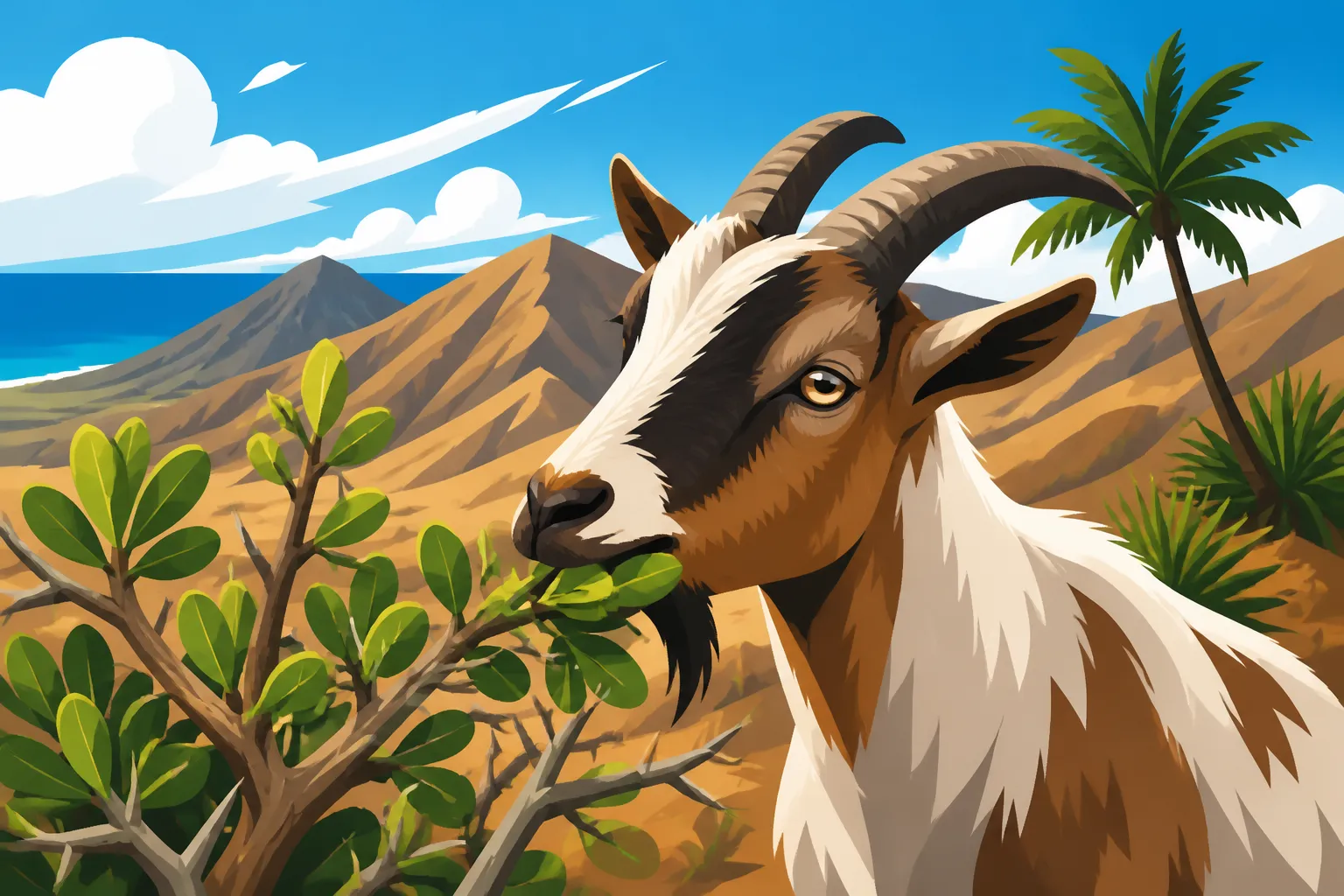
What Goats Eat in Dry Country
Living in Hawaii, you quickly learn that some of the most beautiful, yet harsh, landscapes are home to some of the toughest animals. When you’re out scouting or hunting in our drier, leeward areas – think those dusty, rocky slopes on Maui or the Big Island – one of the biggest head-scratchers can be: what on earth do the feral goats even eat out here? It looks like nothing but barren rock and withered scrub, but those goats are clearly thriving. This guide is all about peeling back the curtain on the incredible, and sometimes destructive, diet of Hawaii's feral goats in our dry country environments.
Surviving the Stark Landscape: The Feral Goat's Dry Country Diet
It's truly a marvel to witness how resilient Hawaii's feral goats are, especially when you consider the seemingly desolate environments they call home. Our dry country units, often characterized by parched earth, sparse vegetation, and relentless sun, would be inhospitable for many other animals. Yet, goats not only survive but often flourish. Their diet in these areas isn't just about what's available, but about their extraordinary ability to extract nutrients and moisture from almost anything green, or even woody, they can get their mouths on.
The Art of Opportunistic Foraging: More Than Just Grass
Unlike deer, which are primarily browsers, or cattle, which are grazers, goats are a unique blend of both, with a strong preference for browse. This versatility is their superpower in dry country. When green grass is scarce – which it often is for much of the year in leeward Hawaii – goats aren't deterred. They'll switch their focus to shrubs, small trees, and woody plants that other ungulates might ignore. They have tough mouths and digestive systems that can break down fibrous, tannin-rich vegetation, giving them access to a much wider pantry than their counterparts.
Imagine hiking through a dry kiawe forest, the ground covered in sharp thorns and cracked earth. You might think there’s nothing for a goat, but look closely at the kiawe trees themselves. You'll see branches stripped of leaves as high as a goat can reach, and even higher where they’ve stood on their hind legs to get at tender shoots. This isn't just a casual nibble; it's systematic defoliation. This opportunistic nature means they're constantly testing new food sources, ensuring they can adapt to whatever the season or drought throws at them. This ability to adapt makes them incredibly successful, but also highly impactful on our fragile ecosystems.
Battling Thirst: How Goats Extract Moisture from Their Food
One of the biggest challenges in Hawaii's dry country isn't just finding food, but finding water. While some goats might trek to known water sources like seeps, springs, or cattle troughs, many populations go for extended periods without direct access to standing water. Their diet plays a crucial role in this survival strategy. They are remarkably efficient at extracting moisture directly from the plants they consume. This means that even if a plant feels dry to the touch, a goat's digestive system can often wring out enough hydration to sustain them.
Consider the succulent leaves of certain invasive plants, or even the fleshy pods of the kiawe tree, when they are young and still green. These can provide a surprising amount of water content. This physiological adaptation is a key reason why goats can occupy niches that would otherwise be vacant, making them a formidable presence. This also means when you're Hunting a Water Source in Dry Hawaii Country, you might find goats there, but don't assume they have to be there every day. Their ability to go without direct water for days, even weeks, depending on their diet, is something hunters need to understand.
Preferred Browse and Unexpected Feasts in Arid Hawaii
While goats will eat just about anything when desperate, they do have preferred food sources in dry country, and these often happen to be some of Hawaii's most common, and sometimes problematic, invasive plants. This preference creates a complex ecological dynamic, where goats contribute to the spread of certain species even as they consume others.
Tackling Thorny Invaders: Kiawe and Haole Koa
The kiawe tree (mesquite) is perhaps the poster child for dry-country goat forage in Hawaii. These thorny, tenacious trees thrive in arid coastal and lowland areas, forming dense thickets that are almost impenetrable for humans. For goats, however, they're a buffet. Goats will strip the leaves, nibble the young shoots, and avidly consume the sweet, protein-rich pods when they fall to the ground. These pods are not only a significant food source but also help goats get by without standing water.
Another prevalent invasive species is haole koa, a shrub that forms dense stands and can quickly take over disturbed land. Goats relish haole koa leaves and young stems. The irony here is that while goats browse on these invasive species, they also inadvertently help spread their seeds, as many pass through their digestive system intact. So, while you might see a herd of goats "cleaning up" a patch of haole koa, they're also part of the larger ecological puzzle. When you're out Hunting Hawaii's Dry Kiawe Forest, you'll often find trails and well-worn beds under these trees, testament to the goats' reliance on them.
Scarcity's Menu: Bark, Roots, and Whatever Remains
When the landscape is truly parched, and even the resilient invasive plants have been browsed down, goats turn to even tougher fare. This includes stripping bark from trees, digging for roots, and consuming dry, fibrous material that other animals would ignore. You'll often see distinct browse lines on trees in areas with high goat populations, with bark stripped from lower trunks. This extreme foraging can severely damage or even kill trees, contributing to further erosion and habitat degradation.
In truly desperate times, they will eat just about anything with cellulose. Old, dry grass stalks, fallen leaves, even woody debris can be part of their survival diet. This incredible ability to subsist on low-quality forage is why you can find How Feral Goats Reached Hawaii and then quickly spread across even the most challenging parts of the islands. It's a testament to their hardiness but also a stark reminder of their impact on native vegetation. Many hunters have used this knowledge to their advantage, knowing that stressed animals will be less wary and often easier to spot as they desperately seek sustenance.
The Role of Transient Water Sources
While goats are masters of extracting moisture from their food, they won't pass up an easy drink when it's available. In dry country, these sources can be ephemeral – puddles after a rare rain, dew-laden vegetation in the early morning, or stagnant seeps in rocky crevices. They also aren't shy about using man-made water sources, like cattle tanks or leaky pipes, on ranch lands. Observing these water sources is often a key part of scouting for goats, even if they don't need them constantly.
The dryland goats have an almost uncanny ability to detect these brief opportunities. After a sparse shower, for instance, they seem to materialize from nowhere to drink from newly formed pools. This behavior can offer a brief window of opportunity for hunters. Knowing Why Hawaii Goats Move at First Light is often related to these temporary water sources or the higher moisture content in plants before the sun bakes it out. Using platforms like GoHunt to study unit maps might highlight potential seeps or gulches that could hold water, drawing goats in during the driest periods.
The Ecological Footprint of Their Appetites
The diet of Hawaii's feral goats, especially in dry country, isn't just a matter of survival; it's a significant ecological force. Their relentless browsing fundamentally alters the landscape, leading to long-term consequences for native flora and fauna. This impact is a major reason why managing these populations through hunting and other methods is so crucial.
Impact on Native Plants: A Constant Threat
Hawaii's native dryland ecosystems are among the most imperiled on Earth. These environments are home to unique plants that evolved without the pressure of large browsing mammals. Feral goats, with their broad diet and ability to access steep, rocky terrain, put immense pressure on these endemic species. They often target young plants and seedlings, preventing regeneration and gradually pushing native vegetation towards local extinction.
Imagine a small, isolated patch of native 'iliahi (sandalwood) seedlings trying to establish themselves on a dry slope. A herd of goats moving through can decimate these tender plants in a single day, essentially sterilizing the area for future growth. The effect is cumulative; over decades, what was once a mixed native scrubland can transform into a goat-modified landscape dominated by a few unpalatable invasive weeds. This is a primary driver behind the efforts to create Hawaii's Fenced Conservation Area Closures, to protect what little native habitat remains from the constant browsing pressure.
When Dry Season Hits: Intensified Grazing Pressure
The impact of goat browsing is most pronounced during the dry season, which can stretch for many months in leeward Hawaii. As palatable forage becomes increasingly scarce, goats intensify their efforts, stripping bark, consuming older, tougher plant material, and denuding hillsides. This overgrazing leaves the soil exposed to erosion, especially when the inevitable heavy rains finally arrive, washing away topsoil and making it even harder for any vegetation to recover.
This cycle of overgrazing and erosion is a major concern for watershed health. The roots of native plants help stabilize soil and absorb rainfall, allowing it to percolate into underground aquifers. When goats remove this vegetation, rainfall runs off quickly, carrying soil with it, reducing groundwater recharge, and potentially impacting water quality downstream. Understanding this intense pressure helps us appreciate the importance of regulated hunting seasons and management efforts to control their numbers. Hunters using GoHunt to check season dates and bag limits are directly contributing to the state's efforts to mitigate this widespread environmental damage.
| Forage Type | Typical Dry Country Examples | Moisture Content | Palatability to Goats | Ecological Impact |
|---|---|---|---|---|
| Invasive Shrubs | Kiawe (pods, leaves), Haole Koa (leaves, shoots) | Moderate | High | Helps spread seeds |
| Invasive Grasses | Guinea Grass, Buffel Grass | Low to Moderate | High (when green) | Crowds out native grasses |
| Native Shrubs | 'A'ali'i, Ma'o, 'Akia (if not toxic) | Low | Moderate to High | Prevents regeneration |
| Bark & Roots | Various woody plants, underground tubers | Very Low | Low (survival food) | Damages/kills trees |
| Fallen Leaves | Any available dry leaf litter | Very Low | Low (survival food) | Minimal direct impact |
Hunting Goats: Using Diet Knowledge for Success
For hunters, understanding what goats eat in dry country isn't just academic; it's a fundamental part of a successful hunt. Knowing their dietary habits helps you predict their movements, identify likely feeding areas, and ultimately, put yourself in a position for a shot. Goats, like any animal, are driven by their stomach, and in harsh environments, that drive is even stronger.
Scouting the Feed: Reading the Signs of a Goat's Meal
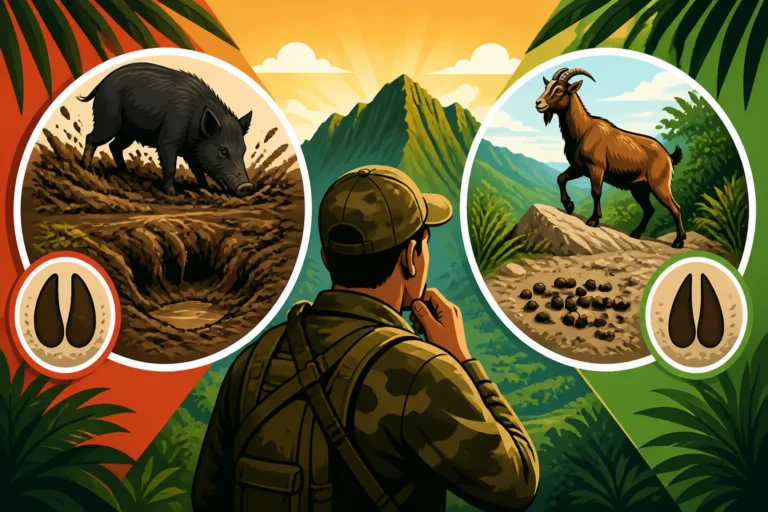
When you're out scouting a dry-country unit, look for clear signs of goat feeding. This goes beyond just droppings. Look for browse lines on kiawe trees or haole koa, where leaves have been stripped uniformly up to a goat's reach. Scrape marks on tree bark can indicate desperate foraging. You might also find evidence of digging around the base of plants, where goats have rooted for tubers or moisture-rich roots. These signs tell you not only that goats are in the area but specifically where they've been spending their feeding time.
Pay attention to the freshness of these signs. Freshly nipped leaves or scraped bark indicate recent activity. Also, consider the species of plants being browsed. If they're hitting the last vestiges of green forage, it suggests high hunger levels and possibly increased desperation, which can sometimes make them less cautious. Using a tool like GoHunt to overlay terrain and vegetation maps can help you identify areas with the type of plant communities goats prefer, even before you step foot in the unit. It’s all about putting those puzzle pieces together.
Understanding Goat Movement Patterns Around Food and Water
In dry country, goat movement is often a balance between finding adequate forage, seeking what little shade is available, and, when absolutely necessary, finding water. During the hottest parts of the day, especially in exposed, dry areas, goats will often bed down in shady gulches, under kiawe thickets, or on north-facing slopes. But come early morning and late afternoon, their drive for food takes over. This is when you'll typically find them actively browsing.
Their paths between bedding areas and feeding grounds will often be well-worn trails, even on rocky terrain. Knowing these routes, and understanding how they relate to the available food sources, is key. If you're Hunting Goats in a Kauai Canyon, for instance, you'll notice how they utilize the varied elevations and vegetation pockets within the canyon walls, moving between areas of sparse forage and more sheltered bedding sites. Look for these natural travel corridors and set up to intercept them. Remember, while they are tough, their need for calories and hydration is constant, making their food sources a predictable anchor in their daily routine.
Disclaimer
This article is for general informational purposes only and does not constitute professional advice. Laws, prices and regulations vary by location and change over time. Consult a qualified professional for guidance on your specific situation.