Where Hawaii’s Chukar Hold in Summer
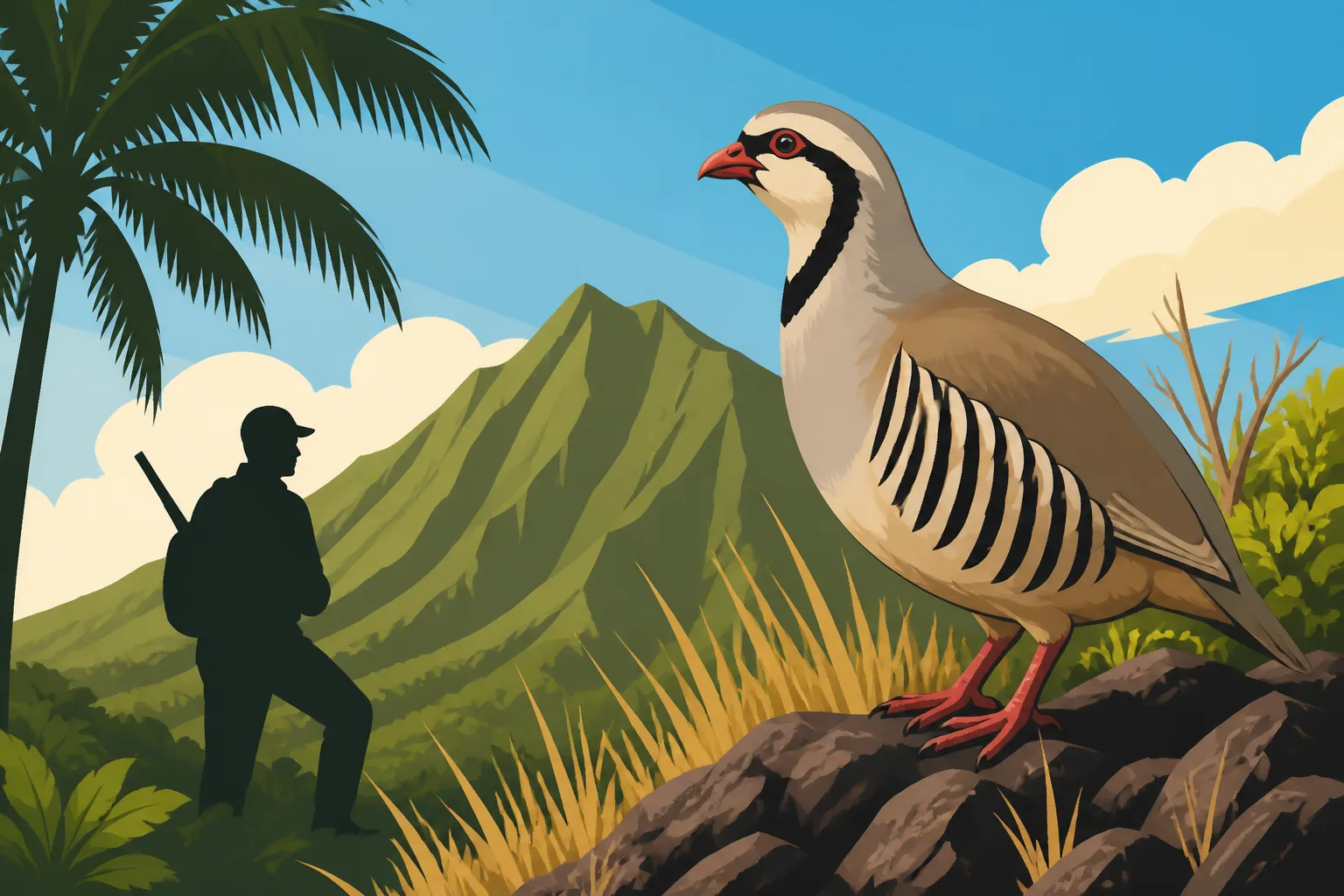
Hunting chukar in Hawaii, especially during the warmer summer months, presents a unique set of challenges. Unlike the classic chukar country of the American West, Hawaii's volcanic slopes and high plains demand a different approach, particularly when the sun is blazing and water is scarce. Many hunters get frustrated, walking miles through seemingly barren terrain, only to find nothing but heat and exhausted legs. This guide aims to pull back the curtain on where Hawaii's chukar retreat during the summer, helping you pinpoint their hideouts and increase your chances of success.
Understanding Chukar Behavior in Hawaii's Summer Heat
Chukar partridge are tough birds, no doubt about it. They thrive in rugged, arid landscapes, but even they have their limits, especially when Hawaii's summer sun turns the landscape into a crucible. Their behavior shifts dramatically from cooler seasons, and understanding these changes is the first step to finding them when the mercury rises. It's not just about looking for the same old spots; it's about anticipating their need for cooler temperatures, shade, and precious water.
The Quest for Cooler Microclimates
During Hawaii's summer, chukar become masters of seeking out cooler microclimates. This often means moving to higher elevations, where temperatures are naturally a bit lower, or finding areas with subtle geographical features that offer a respite from direct sunlight. Think about those areas where the trade winds might funnel through a saddle, or where a slight depression in the terrain collects cooler air. These seemingly minor differences in temperature can be significant to a bird trying to avoid overheating. You might find them tucked into the shady side of a deep gulch or huddled under an overhang, anything to escape the midday blaze. It’s not just about altitude; it’s about aspect and air movement. When the sun beats down, they're not going to be out basking on open, sun-drenched lava flows. They’re looking for any bit of natural air conditioning the landscape can offer.
Water: The Ultimate Limiting Factor
Water availability becomes the single most critical factor for chukar in Hawaii during the dry summer months. While these birds are known for their ability to go long periods without drinking, relying on dew, succulent plants, and insects, a prolonged dry spell will force them to concentrate near reliable water sources. This could be anything from a tiny seep dripping from a rock face, a cattle trough, or even a small, stagnant pool left over from an infrequent rain shower. Hunters often overlook these minuscule sources, but to a chukar, they are oases.
It's a common misconception that chukar in Hawaii are like desert birds on the mainland, perpetually far from water. While they can endure, they will seek out moisture, especially when chicks are growing. So, scouting before your hunt, or even just carefully observing the landscape as you traverse it, for any sign of moisture – damp soil, greener vegetation in an otherwise parched area – can be a game-changer. These birds will often make a quick trip to water in the early morning or late afternoon, then retreat to cover, sometimes surprisingly far from the source. The trick is finding that cover. You might use resources like GoHunt to check maps and topographical features that might indicate such seeps or sheltered areas.
High-Elevation Sanctuaries on Hawaii Island
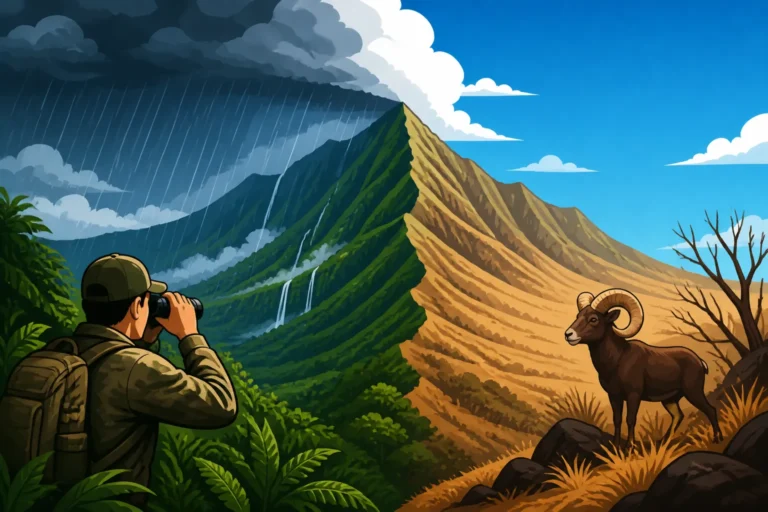
When summer hits hard, the high elevations of Hawaii Island become critical refuges for chukar. While chukar can be found at various altitudes, the truly sustained populations, especially during the driest months, tend to thrive in the cooler, often more vegetated, and sometimes cloud-shrouded upper slopes. This is where you’ll find them concentrated, making these areas prime hunting grounds.
Mauna Kea's Upland Slopes
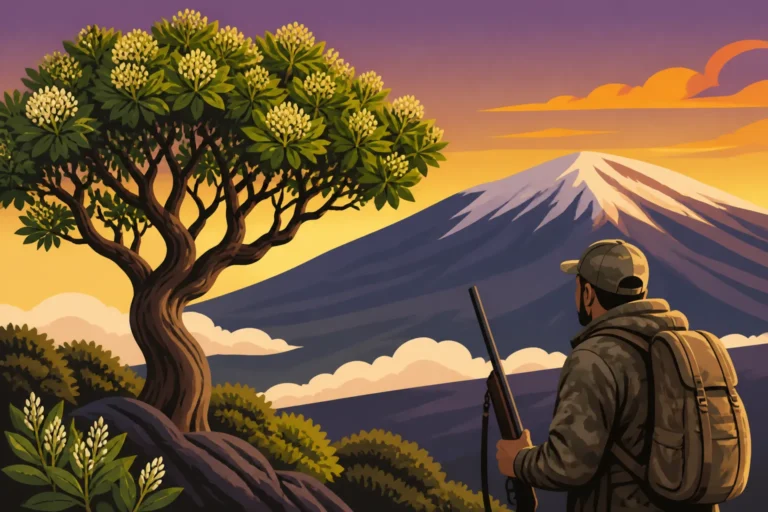
The vast, rugged uplands of Mauna Kea are arguably the quintessential summer chukar country on Hawaii Island. As you ascend its flanks, the vegetation changes dramatically, moving from drier grasslands to more scrubby, rocky terrain with scattered mamane and naio trees. This is prime chukar habitat. The higher elevation brings cooler temperatures, and the complex volcanic topography provides endless nooks and crannies for birds to hide. You're not looking for dense forest here; you're looking for that broken, rocky ground interspersed with sparse cover.
Chukar on Mauna Kea often hold tightly to the slopes that offer thermal cover – facing east to catch the morning sun, then quickly moving to shaded north or west-facing slopes as the sun climbs higher. The trick is to walk with the sun, always thinking about where the birds would go to stay cool and unseen. The terrain can be brutal, a mix of jagged lava rock and loose cinders, so good boots are non-negotiable. Don't be surprised to find coveys flushing from small pockets of mamane trees or from under lava overhangs. Remember to consult resources like GoHunt for current unit boundaries and regulations for these high-elevation zones before planning your trip.
Other Big Island High Country Hotspots
Beyond Mauna Kea itself, other high-elevation areas on Hawaii Island can also hold good numbers of chukar during the summer. Consider the upper reaches of Mauna Loa, particularly where the terrain is more open and rocky, resembling the chukar's preferred habitat. These areas, while often more remote and challenging to access, can offer exceptional opportunities away from potential hunting pressure. The Pohakuloa Training Area (PTA) is another locale that has historically held chukar, though access and specific hunting areas can fluctuate, so always check with DOFAW for the latest information.
These "other" high-country spots share common characteristics: elevation that mitigates summer heat, broken volcanic terrain for cover, and often more sparse vegetation that chukar prefer over dense forest. They are less about lush greenery and more about rugged, open ground. It requires a lot of walking, often uphill, and a keen eye for subtle changes in topography that might indicate a bird's hideout. Being prepared for varying weather conditions, even in summer, is crucial at these altitudes. You might start in sunshine and suddenly be enveloped in a cold, damp cloud bank. For detailed access information, looking at Hunting Hawaii's High Elevation Alpine Ground can provide more context.
Summer Chukar Habitat Characteristics
Identifying general habitat types is one thing, but knowing the specific characteristics within those areas that chukar gravitate towards in summer is the real secret. It's about thinking like a chukar and understanding their immediate needs for survival in a hot, dry environment.
Rocky Outcroppings and Lava Flows
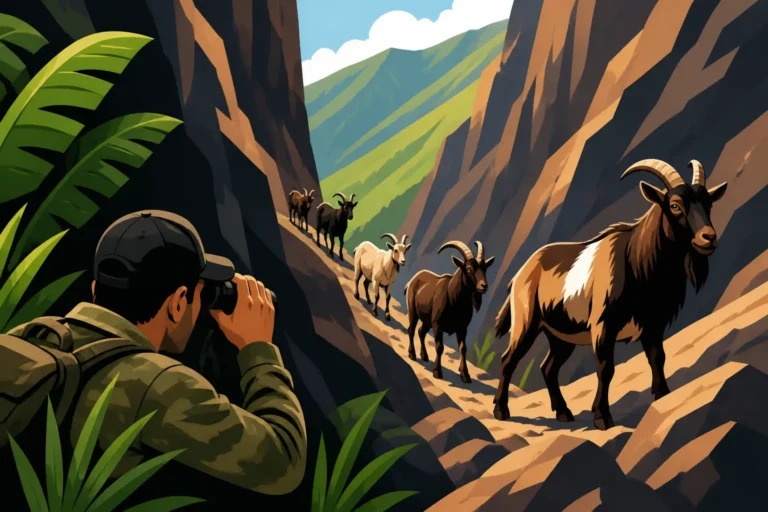
Chukar are undeniably birds of rocky country. In summer, this preference is amplified. Rocky outcroppings and extensive lava flows provide the perfect blend of escape cover, thermal regulation, and foraging opportunities. The rocks themselves absorb heat, but they also create shade and small pockets of cooler air. Birds will huddle in the shade of a large boulder, or slip into cracks and crevices to escape predators and the sun's glare. The broken terrain makes them incredibly difficult to spot, even when they're running just ahead of you.
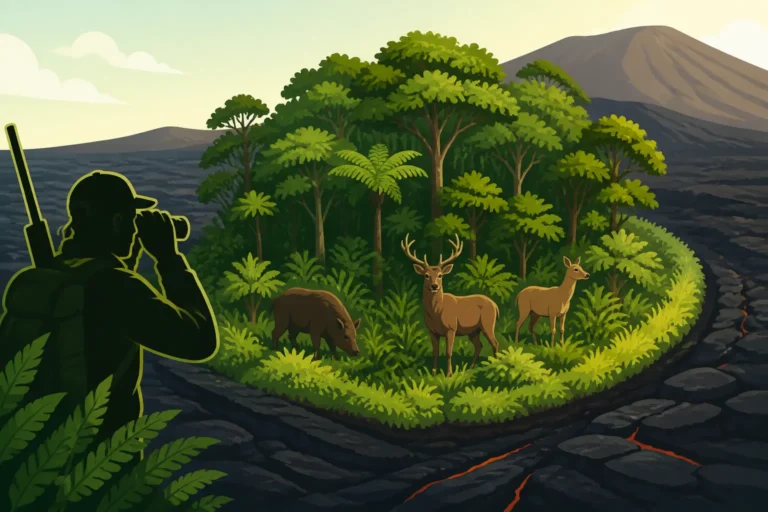
When you're walking a lava flow, pay close attention to the edges where it meets a different type of vegetation, or areas where the lava has broken into jumbled piles. These transitions are often where chukar will be. They feed on seeds, insects, and tender green shoots that might persist in these sheltered areas. Hunting these areas demands careful footing and patience. Don't just stride through; pause, listen for their distinctive "chuk-chuk-chukar" call, and scan ahead for movement. You'll often hear them before you see them. Walking Up Chukar on a Lava Slope goes into more detail on navigating this challenging terrain.
Sparse Grasslands and Kiawe Thickets
While chukar prefer rocky areas, they also utilize sparse grasslands, especially those adjacent to rocky terrain. In summer, these grasslands can be parched, but even dry grasses provide camouflage. More importantly, scattered thickets of kiawe (mesquite) trees, especially in lower-to-mid elevation dry areas, can be magnets for chukar. Kiawe offers dense shade, and its formidable thorns provide excellent protection from predators. These thickets often hold surprising numbers of birds, even when the surrounding landscape seems devoid of life.
The challenge with kiawe is getting into it. It’s a thorny jungle. Hunters often find success by working the edges of kiawe thickets, or looking for openings or trails that cut through them. Chukar will often flush from the dense cover and run along these pathways before bursting into flight. Also, look for kiawe stands that are near an old ranch road or a dry streambed. These areas might offer slightly more moisture or easier travel routes for the birds. A good bird dog, ideally wearing protective gear, can be invaluable for working these thorny covers, helping you flush birds that would otherwise sit tight. If you're interested in using a canine companion, Using a Bird Dog in Hawaii Terrain offers valuable insights.
Tactics for Summer Chukar Success
Finding chukar in Hawaii during the summer is more than just knowing where they are; it's about employing smart tactics that account for the unique conditions. The heat, the terrain, and the bird's natural wariness all play a role in whether you go home with a limit or just a good workout.
Early Morning and Late Afternoon Hunts
This is perhaps the most critical tactical adjustment for summer chukar hunting. Forget midday hunts; the birds will be holed up, and you'll be risking heat exhaustion. Chukar are most active during the cooler parts of the day. This means being in your hunting unit before first light, ready to start walking as soon as there's enough visibility to be safe. They'll be out foraging, perhaps hitting a water source, and generally moving around more.
Similarly, the last few hours before sunset can be productive. As the sun dips and temperatures begin to fall, chukar will emerge from their shaded hideouts to feed again. Plan your day to focus on these windows, perhaps taking a long break in the middle of the day in a shaded spot, or even returning to your vehicle to cool off. This strategy not only increases your chances of encountering active birds but also significantly reduces the physical toll on you and any hunting dogs. For broader context on planning your hunt, check out Hawaii Game Bird Hunting.
Focusing on Water Sources and Associated Cover
Given that water is often the limiting factor in Hawaii's dry summer, making any known or suspected water sources a focal point of your hunt is a smart move. This doesn't mean sitting on top of a water source and waiting; that can spook birds and potentially attract unwanted attention. Instead, work the cover around water sources. Chukar will often visit water, then move to nearby protective cover to digest and rest.
Look for areas with heavy rock cover, dense brush, or even a slight depression with more vegetation within a few hundred yards of any water. Remember, these birds are wary. They won't just stand out in the open. They’ll approach water cautiously, and retreat quickly. If you know of a small seep or stock pond, consider starting your hunt a little distance away, and work your way towards it, or approach from a direction that puts the wind in your favor. Water and Heat Planning for a Hawaii Hunt provides more general advice on dealing with the environmental conditions.
Here's a quick reference table for summer chukar habitat characteristics:
| Habitat Feature | Description | Why Chukar Use It in Summer | Tactical Notes for Hunters |
|---|---|---|---|
| High Elevation Slopes | Mauna Kea, upper Mauna Loa; broken, rocky, sparse vegetation. | Cooler temperatures, natural air flow, diverse cover. | Focus on shaded slopes (north/west), utilize elevation for glassing. |
| Lava Flows & Rocks | Jumbled volcanic rock, large boulders, small caves/crevices. | Shade, thermal regulation, escape cover, insect foraging. | Slow down, scan ahead, listen for calls, watch for movement on edges. |
| Kiawe Thickets | Dense, thorny mesquite stands, often near dry washes or old roads. | Deep shade, dense protective cover, insect habitat. | Work edges and internal trails, use dogs with protective vests. |
| Sparse Grasslands | Patches of dry grass, especially near rocky areas or kiawe. | Camouflage, seed foraging, quick escape routes. | Hunt transition zones, especially at dawn/dusk. |
| Water Sources | Seeps, cattle troughs, residual pools (however small). | Essential for hydration, especially for broods. | Hunt adjacent cover, approach carefully in early/late hours. |
Navigating the Terrain and Being Prepared
Hawaii's chukar country, particularly in the summer, is no place for the unprepared. The terrain is often steep, rocky, and unforgiving. Good quality hiking boots with excellent ankle support are paramount to prevent twisted ankles on uneven lava. Hydration is also a serious concern. Carry more water than you think you'll need, along with electrolytes, and consider a small insulated cooler for your vehicle to keep drinks cold for when you return.
Beyond physical preparation, having the right navigation tools is critical. Cell service can be spotty to non-existent in many high-elevation or remote hunting units. A GPS device or a robust mapping app like GoHunt with downloaded offline maps is essential. Always let someone know your hunting plan, including your intended unit and estimated return time. The sun can be intense, so wide-brimmed hats, sunglasses, and sunscreen are highly recommended. Remember that even in summer, conditions can change rapidly in the mountains; a light rain jacket or windbreaker can be a lifesaver if a cloud bank rolls in. Understanding what the weather patterns mean for chukar, and for your safety, is part of being a responsible hunter in these beautiful but challenging landscapes. When you do succeed, make sure you know how to handle your harvest efficiently. Information on Field Care in Hawaii's Heat and Humidity can be invaluable.
Disclaimer
This article is for general informational purposes only and does not constitute professional advice. Laws, prices and regulations vary by location and change over time. Consult a qualified professional for guidance on your specific situation.