What Captain Cook’s Ships Left Behind
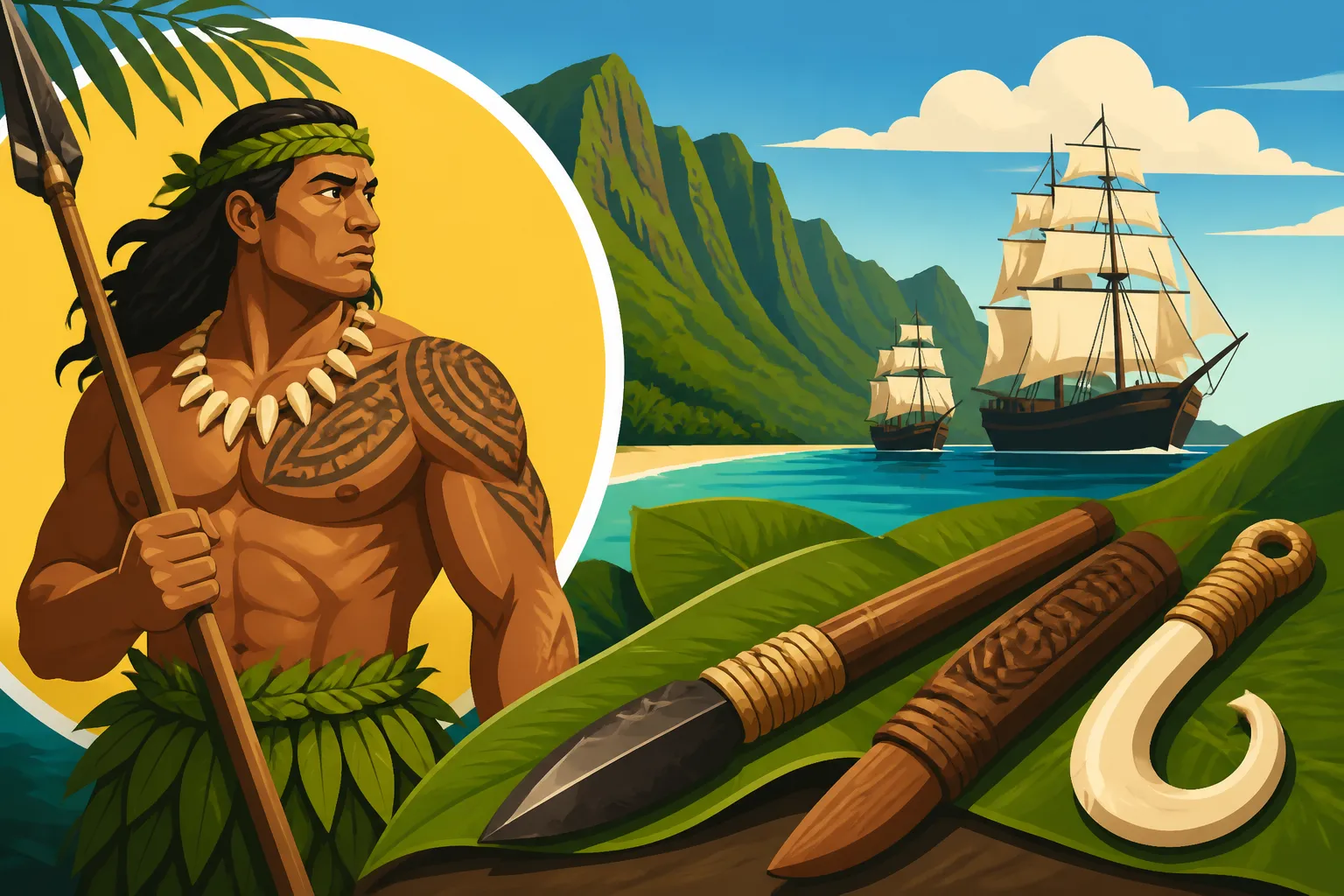
When Captain Cook first landed in the Hawaiian Islands in 1778, he didn't just bring new faces and ideas; his ships also brought a foundational change to the islands' ecology, introducing animals that would profoundly shape Hawaii's future landscape and its unique hunting culture. Many hunters today marvel at the abundance of game like feral pigs and goats, often unaware of the deep historical roots these species have, stemming directly from those initial European voyages. This guide delves into the specific animals introduced by Captain Cook's expeditions and the lasting legacy they created for Hawaii's ecosystems and its diverse hunting opportunities.
The Initial Introductions: Aboard Cook's Ships
It's easy to think of these introductions as isolated events, but they were part of a broader practice by explorers looking to leave behind a food source for future visits or for struggling indigenous populations. Captain Cook, in particular, was known for carrying livestock on his voyages to replenish his crew's provisions and as gifts or trades. For Hawaii, this meant the arrival of animals that had never stepped foot on these isolated volcanic shores, setting in motion an ecological transformation that continues to this day.
The Arrival of European Pigs
Before Cook, the Hawaiian Islands already had pigs, brought by the early Polynesian settlers. These "Polynesian pigs" were generally smaller, more domesticated, and had adapted to specific niches within the islands' ecosystems, often managed in a semi-feral state near human settlements. However, when Captain Cook's ships anchored, they introduced a different breed entirely: European domestic pigs. These animals were typically larger, hardier, and carried a more aggressive genetic disposition for rooting and foraging.
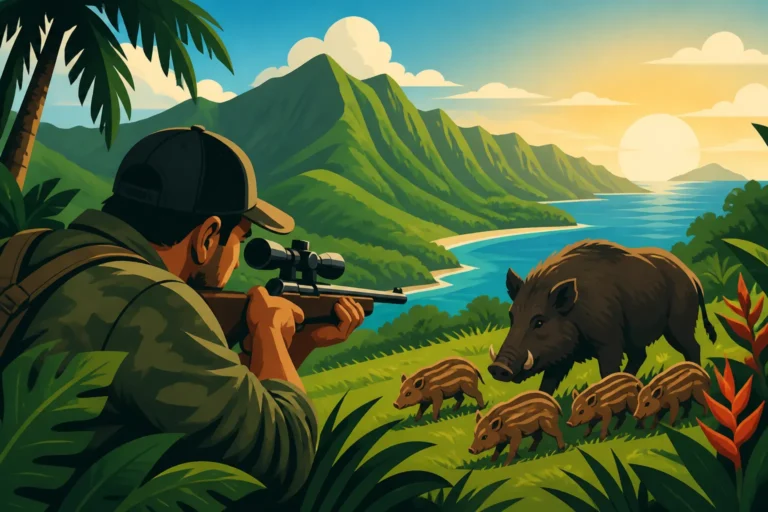
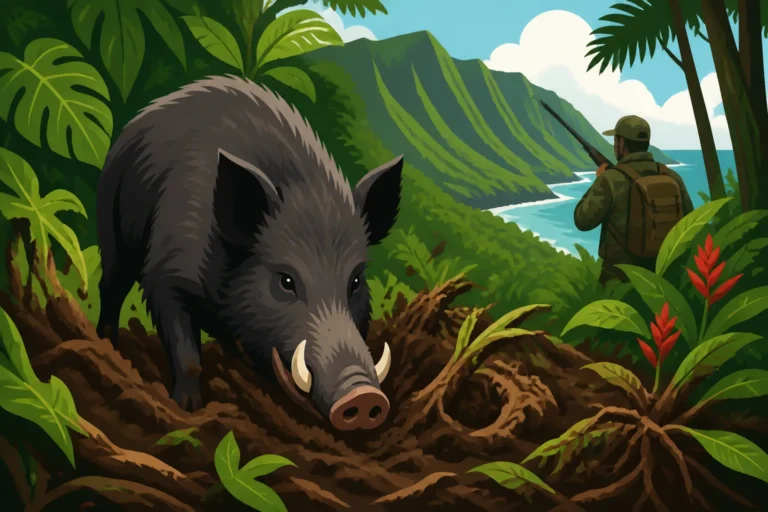
The distinction between the Polynesian and European pigs is crucial. The European pigs quickly adapted to the lush, unexploited forests of Hawaii. Released or escaped, they found a paradise rich in vegetation and devoid of natural predators. Their rapid reproduction rates, coupled with their robust size and foraging habits, quickly led to their establishment as a truly feral population. They hybridized with the existing Polynesian stock, eventually creating the formidable feral pigs that roam Hawaii's mountains and gulches today, providing a challenging and rewarding hunt for many. You can learn more about these animals in Hawaii's Feral Pigs, Island by Island.
Goats on the Cliffs and Valleys
Perhaps even more impactful than the pigs were the goats. Captain Cook left goats on several islands, intending them as a future food source. These animals, primarily domestic European goats, possessed an incredible adaptability that allowed them to thrive in Hawaii's diverse terrain, from arid coastal areas to steep volcanic slopes. Their preference for browsing, often stripping vegetation right down to the soil, had immediate and dramatic consequences.
Goats multiply quickly and, without natural predators, their populations exploded. They scaled impossible cliffs and navigated dense scrub, accessing areas where other animals couldn't. This relentless browsing, especially in dry, fragile environments, led to widespread erosion, destroying native plant communities and accelerating the degradation of vital watersheds. For hunters, these feral goats became a pervasive and challenging game animal, known for their cunning and sure-footedness on precipitous terrain. Their presence remains a significant ecological concern, and a prime hunting opportunity. Delve deeper into their impact and importance in Hawaii's Feral Goats and Why They Matter.
Other Domestic Stock and Their Fates
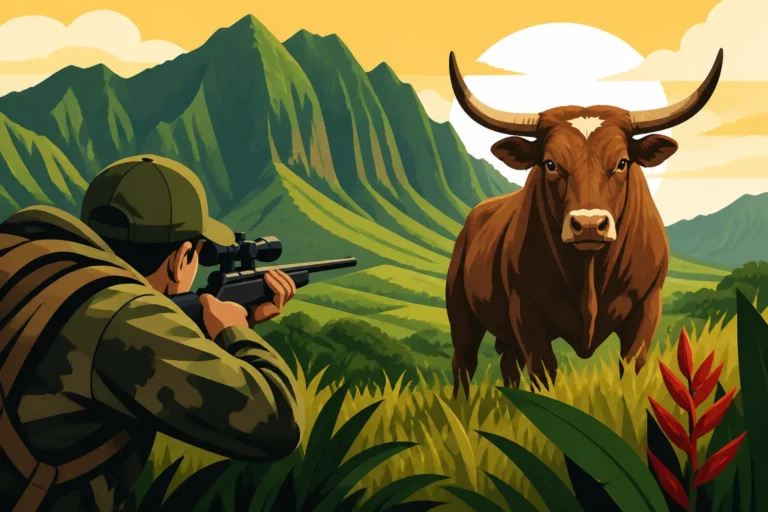
While pigs and goats were the most significant introductions directly attributable to Cook's initial voyages in terms of establishing feral game populations, his expeditions and subsequent early European contact also brought other domestic animals. Cattle, sheep, and fowl were also part of the maritime pantry, and some of these undoubtedly escaped or were traded and then went feral over time. For instance, while massive feral cattle herds are a more modern phenomenon tied to ranching, the foundation for some of these populations can be traced back to early European introductions.
These introductions, even if not immediately establishing widespread feral populations, contributed to the overall shift in Hawaii's biodiversity. They introduced new pathogens, competed with native species for resources, and irrevocably altered habitats. The impact was cumulative, a slow but steady erosion of the unique Hawaiian ecosystem that had evolved in isolation for millions of years. For more on the history of larger grazers, check out Hawaii's Feral Cattle History.
Ecological Ripples: The Transformative Impact on Hawaii
The introduction of new species, especially herbivores, into an isolated island ecosystem is akin to dropping a match into dry kindling. Hawaii's native flora and fauna had evolved without the presence of large browsing or rooting mammals, leaving them highly vulnerable to these new pressures. The consequences were profound, leading to cascading effects throughout the islands' delicate ecological balance.
Altering Native Flora and Fauna
The feral pigs, with their powerful snouts, began rooting up the forest floor, destroying delicate native plant roots, seeds, and the habitats of ground-dwelling native birds and invertebrates. This disturbance led to increased soil erosion, particularly during heavy rains, sending sediment into streams and coastal waters, harming coral reefs. The rooting also created perfect breeding grounds for invasive mosquitoes, which carry avian malaria, a devastating disease for Hawaii's endemic forest birds. The destructive nature of these animals is explored in depth in What Feral Pigs Do to Hawaii's Forests.
Goats, on the other hand, are supreme browsers. They consumed native shrubs and saplings at an alarming rate, preventing forest regeneration. On steep slopes, their relentless grazing stripped the land bare, turning lush hillsides into barren, eroding landscapes. This loss of vegetation destabilized soils, leading to massive runoff and further contributing to erosion. The ecological damage caused by goats is a critical concern, detailed further in Why Goats Cause Erosion in Hawaii. The absence of natural predators for these introduced animals meant their populations could grow unchecked, intensifying the damage to native flora and fauna which had no defenses against them.
Setting the Stage for Future Introductions
The ecological changes initiated by Cook's animals created disturbed landscapes that were more susceptible to further invasions. Native forests, weakened by pigs and goats, became less resilient to the spread of invasive plants. These new plants, often introduced deliberately for agriculture or accidentally, found fertile ground in the damaged ecosystems. This created a vicious cycle: introduced animals facilitated invasive plants, which in turn provided new food sources or habitats for other introduced animals, continuing the cycle of change.
These early introductions laid the groundwork for a broader pattern of species introductions throughout Hawaii's history, some accidental, many deliberate, aimed at food, sport, or pest control. From deer to mouflon sheep, mongooses to various game birds, the islands have seen a continuous influx of non-native species, profoundly shaping the current biodiversity. It’s a complex history, and understanding Why Every Hawaii Game Animal Was Introduced provides crucial context for today's ecosystems.
A Legacy for Hunters: The Birth of Island Big Game
The story of Captain Cook's introduced animals isn't just one of ecological transformation; it's also the genesis of Hawaii's unique big game hunting traditions. What started as livestock quickly became feral, then, out of necessity for management and as a natural byproduct of their proliferation, became prized game animals.
From Livestock to Game Animals
As feral pig and goat populations swelled and their destructive impact on native ecosystems became undeniable, controlling their numbers became a priority. Early Hawaiians, and later Western settlers, recognized these animals not only as a nuisance but also as a valuable food source. Hunting evolved from simple subsistence to a necessary management tool, and eventually, a revered recreational pursuit. The challenge of pursuing these cunning and resilient animals in Hawaii's rugged terrain gave rise to distinctive hunting techniques.
Today, hunting pigs and goats is central to Hawaii's hunting identity. From traditional dog and knife hunts for pigs in dense rainforests to spot-and-stalk goat hunting on windswept cliffs, these animals offer diverse and demanding experiences. Hunters play a crucial role in managing these populations, helping to mitigate the ongoing ecological damage they inflict. If you're interested in pursuing these animals, you can explore Hunting Hawaii's Feral Pigs and Hunting Hawaii's Feral Goats for more information.
Understanding Current Hunting Management
The legacy of Cook's introductions means that today's Hawaii hunting regulations are fundamentally tied to the management of these non-native species. State agencies like the Division of Forestry and Wildlife (DOFAW) actively manage feral pig and goat populations through regulated hunting seasons, bag limits, and specific unit rules. The objective is often two-fold: to provide recreational opportunities for hunters and to reduce ecological damage in sensitive areas.
Hunters are a key part of the conservation equation, acting as the primary population control mechanism for these widespread species. When planning a hunt, it's essential to understand the specific rules for each island and unit. Resources like GoHunt can be invaluable for staying updated on license requirements, permit information, and season dates. For instance, knowing when Hawaii Game Mammal Seasons are open and what Hawaii Hunting Licenses and What They Cost is critical for a legal and successful hunt.
The Role of Public and Private Lands
Both public hunting lands and private ranches across Hawaii manage populations of these historically introduced species. On public lands, like those managed by DOFAW, hunting access is regulated through permits, licenses, and specific season dates. These areas often encompass a wide variety of terrain, offering diverse hunting challenges. Many of these units trace their origins back to lands that were heavily impacted by feral animals, where hunting now serves as a primary management tool. Details on public access can be found in Public Hunting Land in Hawaii.
Private lands, which constitute a significant portion of the islands, also hold substantial populations of feral pigs and goats. Many private landowners and hunting outfitters offer guided hunts for these species, often playing a critical role in controlling animal numbers on their property. Accessing private land usually requires direct permission or booking a guided trip. Information on navigating private land access is available in Getting Onto Hawaii Private Land. Regardless of where you hunt, whether public or private, the presence of these animals is a direct link to those early voyages that forever changed Hawaii.
Here's a quick overview of the key animal introductions by Captain Cook's expeditions and their initial impact:
| Species | Date (Approx.) | Origin | Initial Impact | Current Hunting Status |
|---|---|---|---|---|
| European Pig | 1778 | European Ships | Hybridization with Polynesian pigs, widespread rooting, habitat destruction. | Major big game species, year-round seasons in many units. |
| Goat | 1778 | European Ships | Rapid population growth, severe browsing, erosion, destruction of native plants. | Major big game species, often year-round, critical for ecological control. |
These introductions, while having profoundly negative ecological consequences for Hawaii's native species, undeniably laid the groundwork for the unique hunting heritage and opportunities we find on the islands today. As hunters, understanding this history deepens our appreciation for the land, the animals, and our role in their ongoing management. For those interested in pursuing game, continually checking GoHunt for the latest regulations and opportunities is always recommended to ensure a responsible and rewarding experience.
Disclaimer
This article is for general informational purposes only and does not constitute professional advice. Laws, prices and regulations vary by location and change over time. Consult a qualified professional for guidance on your specific situation.