Why Island Game Animals Grow Differently
Hawaii island game animals grow differently due to limited resources, predator absence, and genetic bottlenecks shaping their distinct sizes.
Know what you’re after.
Big game, small game, upland birds, and waterfowl — identification, behavior, rut and migration timing, and how each species moves through the season.
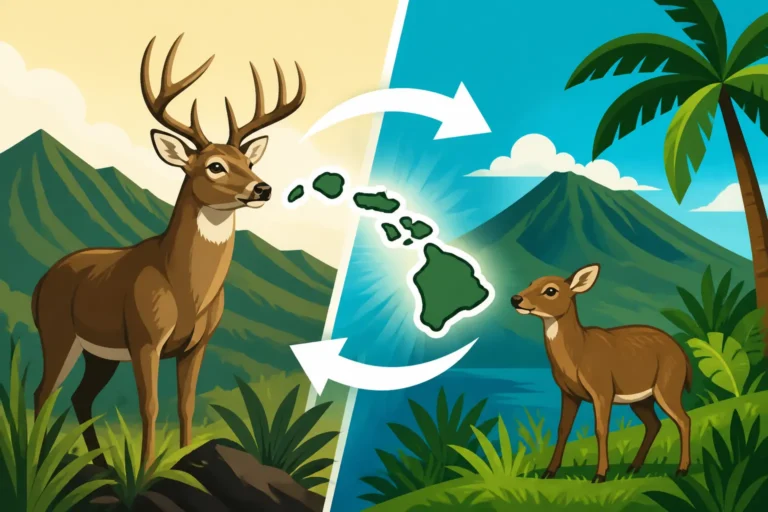
Hawaii island game animals grow differently due to limited resources, predator absence, and genetic bottlenecks shaping their distinct sizes.
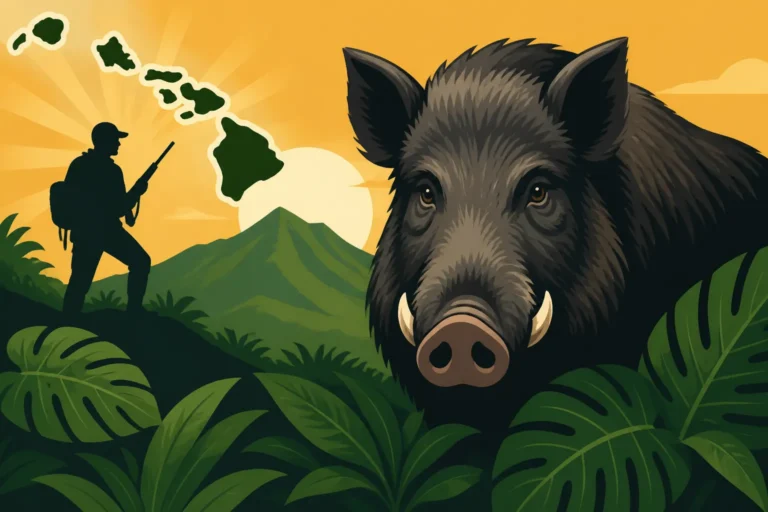
Hawaii feral pig habitats, islands, and conditions produce massive boars weighing over 200 to 300 pounds with impressive tusks.
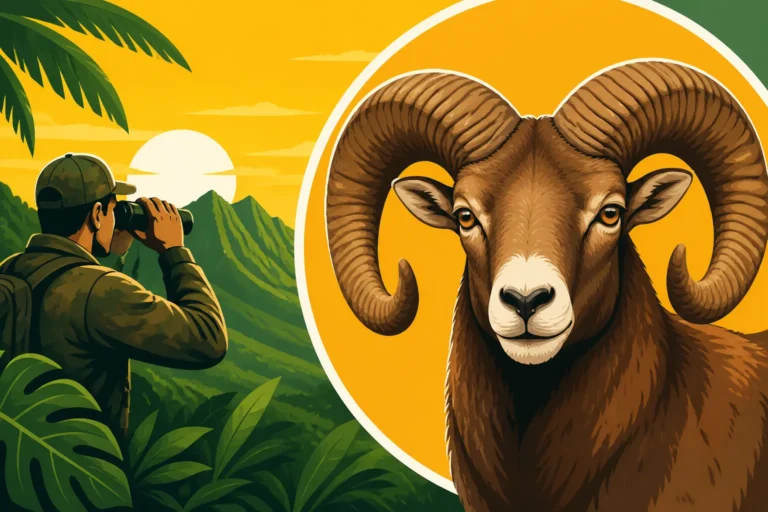
Hawaiian mouflon ram horn scoring methods, permanent keratin structures, and measurement criteria for trophy evaluation.
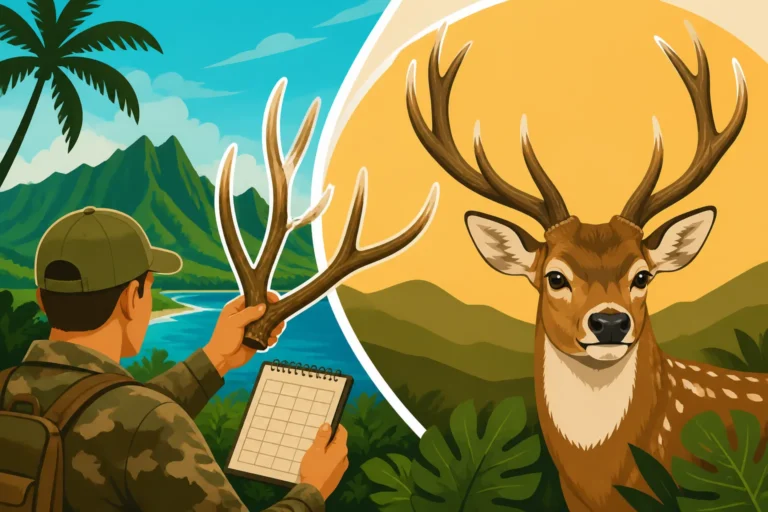
Scoring an Axis deer rack involves measuring antler length, symmetry, and tines using standard Boone and Crockett systems.
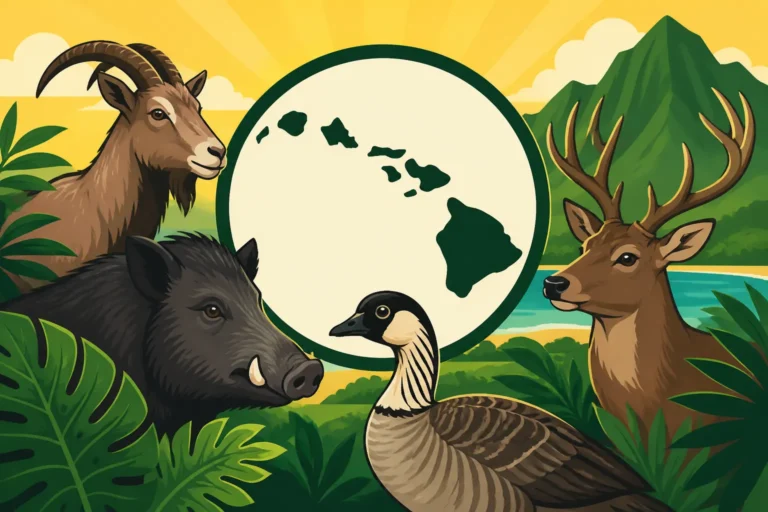
Hawaii trophy record criteria measure Axis deer, Mouflon sheep, and feral pigs using unique attributes for introduced game mammals.
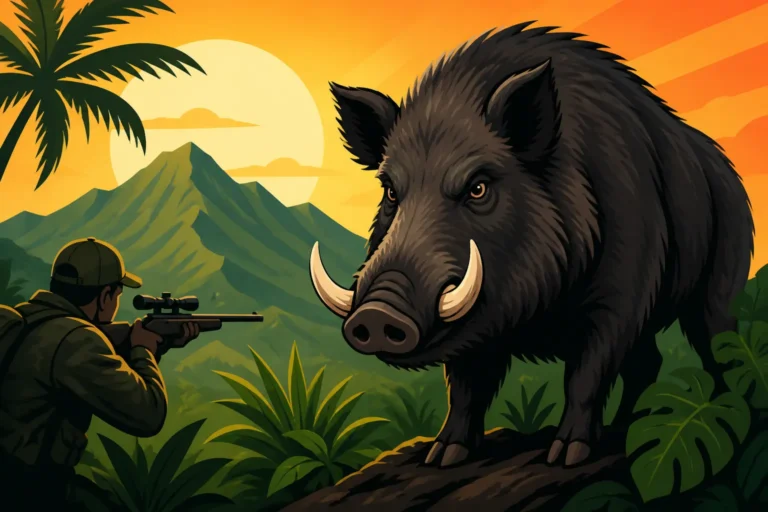
Hawaii feral boars grow massive because of abundant food, no predators, and mixed genetics from European wild boars and Polynesian pigs.
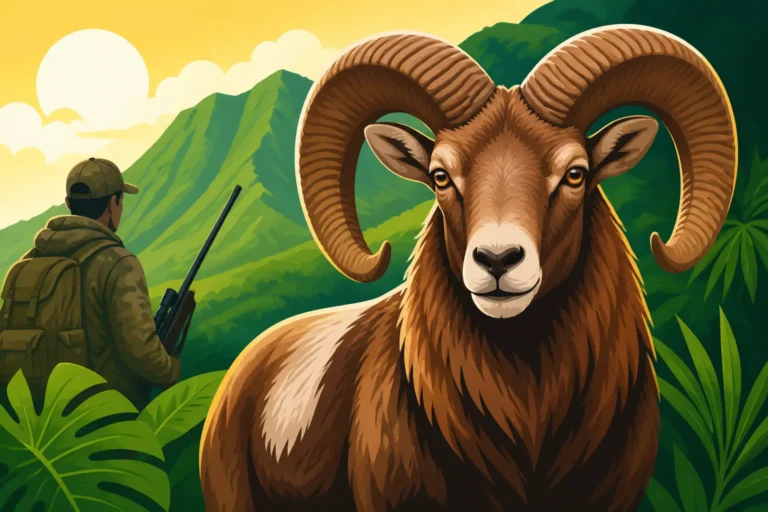
Hawaii mouflon ram hunting traits include exceptional horn length, mass, symmetry, and age required for record book status.
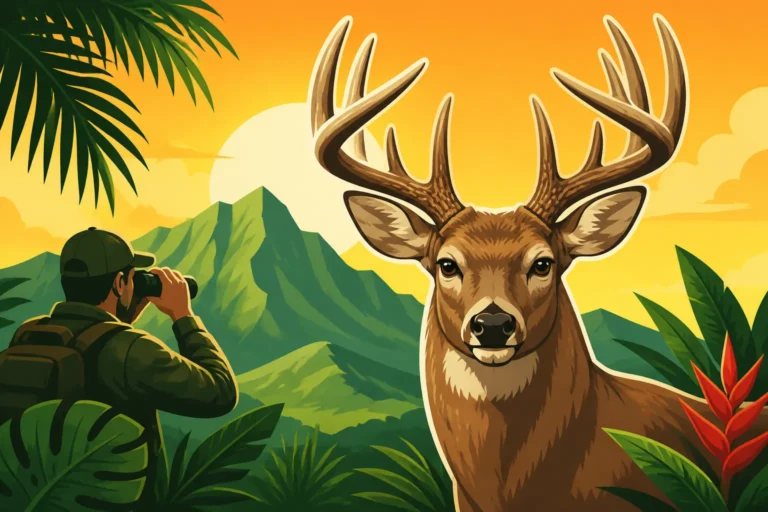
Hawaii axis deer antler records use Boone and Crockett and Safari Club International scoring systems measuring beams and mass.
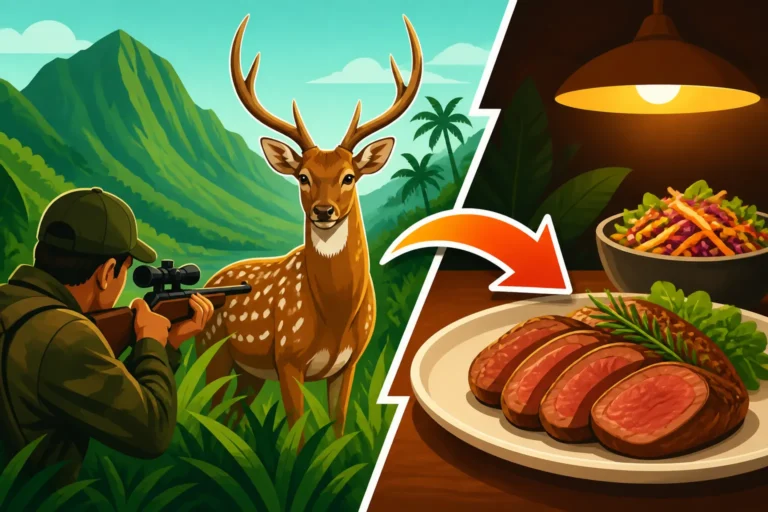
Axis deer venison in Hawaii offers mild flavor, tenderness, and sustainable local sourcing that helps manage overabundant populations.
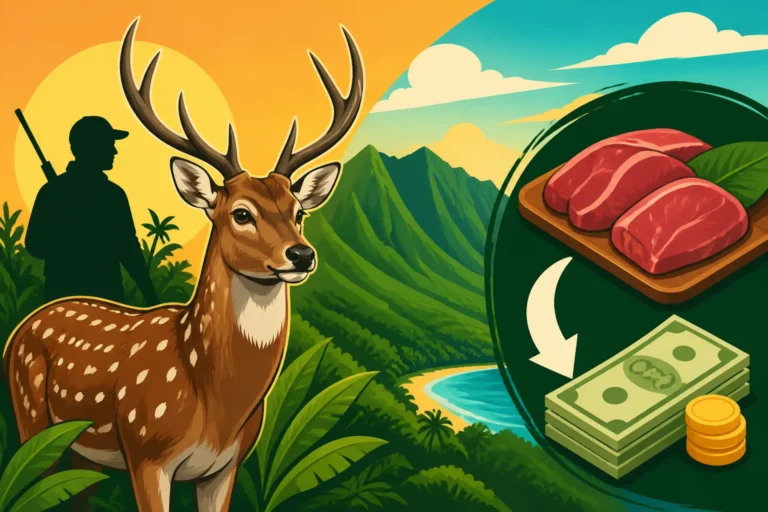
Maui Axis deer venison monetary worth based on mild flavor, lean nutrition, limited hunting availability, and local demand.