How Drought Moves Hawaii Game Animals
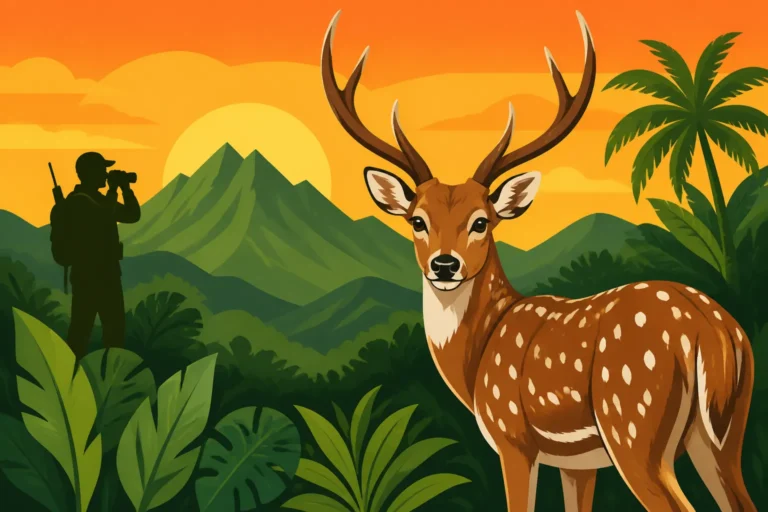
Hunting in Hawaii presents a unique set of challenges, and few things throw a wrench into well-laid plans quite like a prolonged drought. When the rains stop and the islands start to dry out, our beloved game animals don't just stand still; they change their entire pattern of life, making what was once a reliable hunting spot feel completely barren. This guide is here to unravel the mysteries of how drought impacts Hawaii's game animals, from Axis deer to feral pigs, and help you adapt your strategies to find success when the landscape turns parched.
The Dire Impact of Drought on Hawaii's Water Sources
Let's face it, water is life, especially here in Hawaii. When drought hits, the first and most obvious thing that changes is the availability of fresh water. What was once a lush, verdant landscape offering abundant sources can quickly become a dry, dusty expanse. This directly affects how and where our game animals move, making understanding these changes critical for any hunter.
Evaporating Ponds and Seasonal Streams
Think about those small, muddy ponds or the trickling streams that are usually so vibrant with life in a healthy season. During a drought, these critical surface water sources can vanish almost overnight. Many of Hawaii's streams are ephemeral, meaning they only flow after significant rain, and even our more consistent waterways can drastically shrink. What was once a reliable, cool drink for an Axis deer or a wallow for a feral pig becomes nothing more than cracked earth.
When these easy-access water points dry up, animals are forced to expand their search. They might leave areas they've inhabited for generations, venturing into unfamiliar or more exposed terrain just to find a sip. This means those prime hunting spots you scouted in the wet season, known for their proximity to water, could become ghost towns. You might find yourself Hunting a Water Source in Dry Hawaii Country as the only viable strategy. It’s a harsh reality, but an important one to grasp.
Hidden Water and Animal Ingenuity
While surface water disappears, some animals, particularly our wily feral pigs and resourceful goats, have a knack for finding moisture in unexpected places. Pigs, with their incredibly keen sense of smell, will often root deeper into the earth, seeking out pockets of subterranean moisture or the juicy roots and tubers that retain water. They might even dig small depressions in the beds of dried-up streams, hoping to hit a lingering water table.
Goats, known for their toughness, can often survive on less direct water, getting much of their hydration from the plants they eat, even during dry spells. However, during severe drought, even they will seek out hidden seeps on cliff faces or in deep, shaded gulches where evaporation is minimal. Sometimes, unexpected human infrastructure like leaky irrigation pipes or unattended troughs on ranch lands become vital, albeit risky, water points for all species. Knowing these alternative sources can give you an edge in Scouting a Hawaii Hunting Unit Before Opening when conditions are dry.
Forage Scarcity and Nutritional Stress
Beyond water, drought devastates the very plants that Hawaii's game animals rely on for food. The lush greens turn brittle, the sweet fruits shrivel, and the nutritional value of what remains plummets. This scarcity doesn't just make animals hungry; it forces fundamental changes in their behavior and distribution, creating a ripple effect across the ecosystem.
Dry Grasses and Wilting Browse
Picture the vibrant green pastures and dense jungle undergrowth that usually characterize much of Hawaii. In a drought, these areas become parched. Grasses turn brown and crunchy, losing their nutritional content and becoming less palatable. Many succulent plants, which normally provide crucial moisture and vitamins, wither and die or become tough and fibrous, offering little sustenance. The leaves on browse plants, a primary food source for Axis deer and goats, dry up and fall, leaving bare branches.
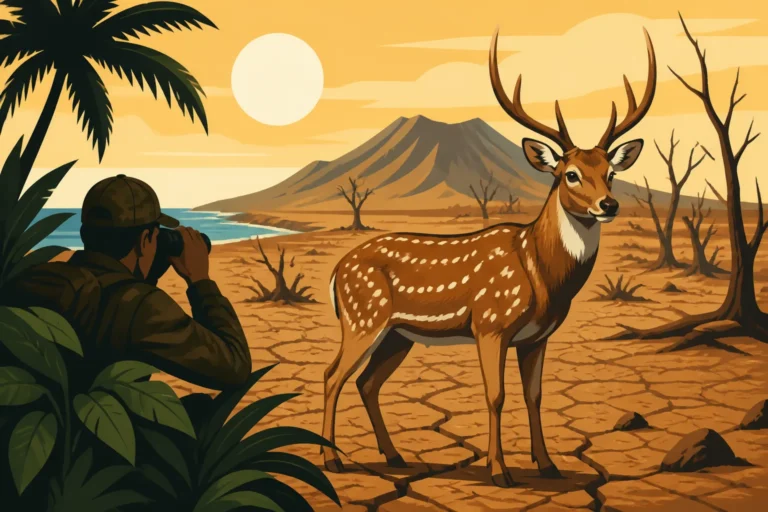
This lack of quality forage means animals are constantly battling hunger and dehydration. They'll spend more time foraging, often moving through areas they'd typically avoid in an attempt to find anything edible. For a species like Axis deer, which prefers lush, green forage, this can be incredibly stressful, impacting their overall health, antler growth, and even reproductive success. You might notice the deer are leaner, and their racks are less developed, reflecting the harsh conditions.
Shifting Feeding Grounds
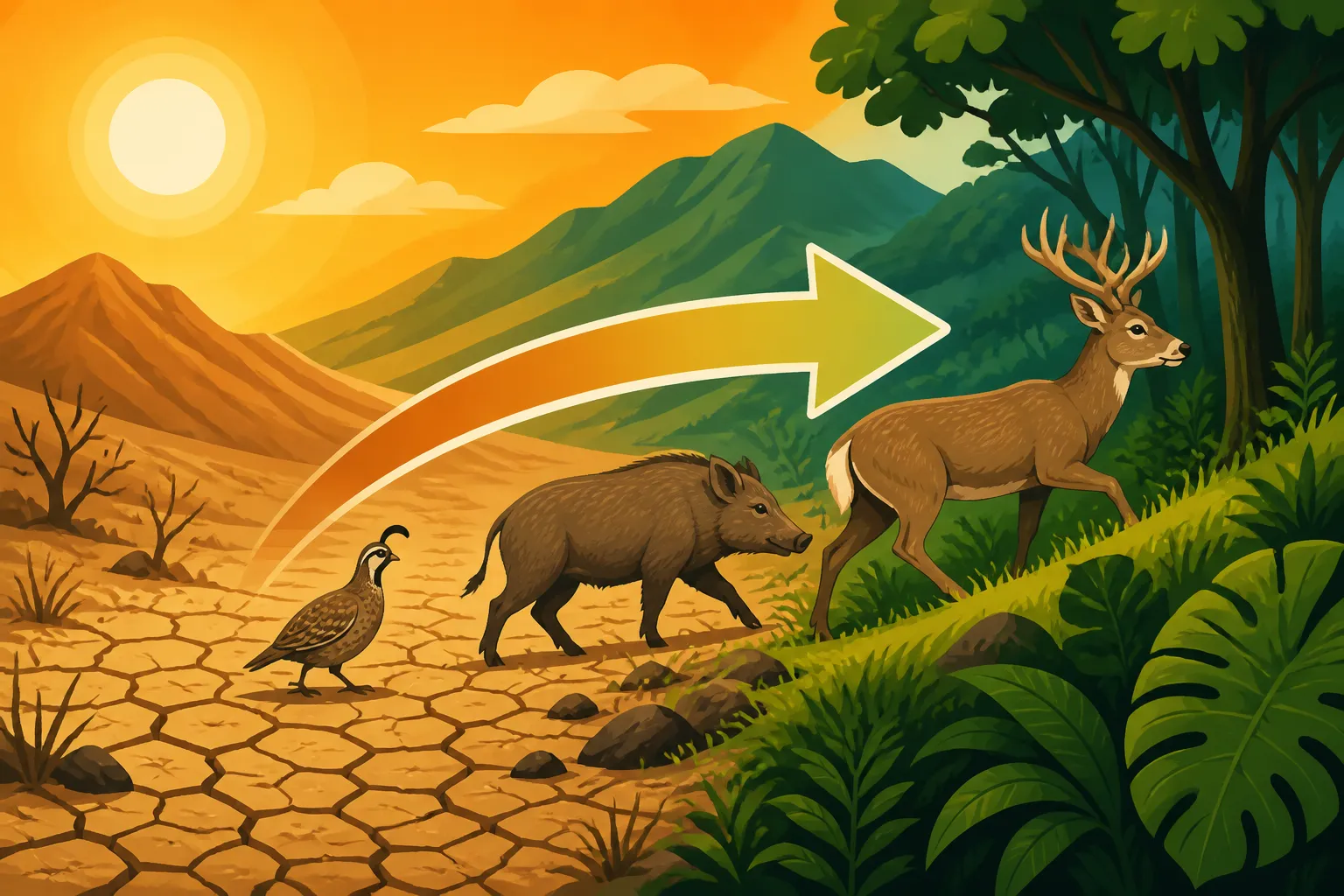
When their usual feeding grounds become a barren wasteland, game animals have no choice but to seek out new pastures. This often means moving from higher, drier elevations down to lower, potentially wetter areas, or pushing into the fringes of agricultural zones where irrigation might sustain some green growth. Axis Deer Damage to Hawaii Farms can increase significantly during drought years as hungry deer venture closer to human habitation in search of food.
Feral pigs, ever opportunistic, might abandon deep forest cover for areas closer to human activity, drawn by discarded fruit or irrigated fields. Mouflon sheep, usually found on the high slopes of Mauna Kea, might descend to seek out any remaining green shoots in gulches or protected pockets. These shifts can be dramatic, emptying out historically productive hunting zones and concentrating animals in unexpected places. Understanding these shifts is key to successful Hunting Hawaii's Feral Pigs or Mouflon Sheep Hunting on Hawaii Island when drought is prevalent.
Altered Behavior and Concentrated Populations
Drought doesn't just change where animals go; it fundamentally alters how they behave. The stress of constant hunger and thirst makes them more desperate, more visible, and often, more vulnerable. These behavioral shifts create both challenges and opportunities for the observant hunter.
Increased Daytime Movement for Resources
Under normal conditions, many of Hawaii's game animals, particularly Axis deer and feral pigs, are often most active during the cooler hours of dawn and dusk, or even at night. This is partly to avoid predators (though natural predators are few here) but mostly to conserve energy in the heat of the day. During a drought, however, their need for food and water overrides these natural inclinations.
You'll often find Axis deer moving more openly during broad daylight, frantically searching for any remaining patch of green or a hidden water source. Pigs, too, might be seen rooting aggressively in areas they'd normally frequent only under the cover of darkness. This increased daytime activity can make them easier to spot, but also more alert and wary as they are out of their usual comfort zones. Being prepared for these extended periods of activity is crucial, and it means adjusting your own hunting schedule to match theirs.
Congregation Around Reliable Resources
When resources become scarce, animals naturally gravitate towards the few remaining reliable spots. This means that if there's a single, deep waterhole left in a vast, dry area, you can bet that multiple species—Axis deer, feral goats, and pigs—will eventually make their way there. These congregations can be both a blessing and a curse for hunters. On one hand, it concentrates game, making them potentially easier to find. On the other, it can increase competition among animals, leading to stress, and it also means increased hunting pressure on those few spots.
Imagine a small kipuka, an island of vegetation surrounded by a lava flow, that somehow retains a natural seep during a drought. That small area can become a magnet for various game species, all vying for survival. This scenario also highlights the importance of checking in with resources like GoHunt, which might offer insights into localized conditions or areas of known activity, helping you discern if a particular unit might be holding animals despite the general drought. These concentrated areas are excellent places to practice Spot-and-Stalk Axis Deer in Hawaii techniques, as you might find multiple targets in a single location.
Impact on Breeding and Health
The long-term effects of drought are perhaps the most concerning. A lack of adequate nutrition and hydration directly impacts the health and reproductive success of game animals. Pregnant sows might abort litters or produce fewer, weaker piglets. Doe deer might not conceive at all, or their fawns may have significantly lower survival rates. This can lead to a noticeable decline in recruitment for future generations.
Furthermore, drought can severely limit antler growth in male Axis deer and the overall body condition of all animals. A mouflon ram might not develop the impressive horn curl he would in a banner year, and a boar's tusks might not grow as robustly. Animals are also more susceptible to disease when stressed, and weakened individuals are more vulnerable to other environmental factors. This affects not only the immediate hunting season but also the overall population dynamics for years to come, influencing future Hawaii Game Mammal Seasons and bag limits.
Adapting Hunting Strategies to Drought Conditions
Hunting during a drought isn't impossible, but it demands a different mindset and approach. You can't rely on old habits or expect animals to be where they usually are. It requires heightened observation, flexibility, and often, a willingness to work harder and smarter.
Focusing on Water Sources
Given the critical importance of water during a drought, any remaining water source becomes a focal point for game animals. This means your scouting efforts should heavily prioritize finding these precious pockets of hydration. Look for natural springs, perennial streams (even if they're reduced to trickles), stock ponds, and even man-made water tanks or leaky pipes on ranch lands.
Once you've identified potential water sources, the real work begins. Spend time observing them from a distance, perhaps with good optics. Look for fresh tracks in the mud, scat, or disturbed vegetation indicating recent activity. Animals will often visit these sources during the cooler parts of the day, particularly early morning and late evening. Setting up a patient ambush or planning a quiet still-hunt near these areas can be incredibly effective. Remember that animals will be hyper-alert around these vital resources, so extreme stealth and scent control are paramount. This is where Reading Axis Deer Sign in Dry Country becomes an art form.
Understanding Forage Shifts
Just as animals move for water, they also move in search of any available forage. Don't assume that because an area was lush and green last year, it will be the same this year. Instead, look for areas that might retain some moisture or have deeper-rooted plants that are more resilient to drought. This could be lower elevations, shaded gulches, or areas where non-native, drought-tolerant species (like kiawe) still offer some browse.
Sometimes, agricultural interfaces, like the edges of macadamia nut orchards or coffee farms, become inadvertent feeding grounds. While hunting on private agricultural land requires explicit permission, understanding these shifts can inform your strategy on adjacent public lands. Pay attention to changes in elevation and microclimates. The windward sides of islands might retain more moisture than the leeward sides, creating pockets of palatable forage. Hunting Hawaii's Dry Kiawe Forest is a good example of adapting to what's available, as kiawe can sometimes offer browse even when other plants are completely dessicated.
Utilizing Technology and Information
In modern hunting, technology and information are powerful allies, especially when facing challenging conditions like drought. Before you even head out, leverage online resources. The Hawaii Division of Forestry and Wildlife (DOFAW) website is your primary source for official unit information, season dates, and any special drought-related announcements or closures.
Consider using mapping apps like GoHunt or OuterSpatial. These tools can help you identify public land boundaries, track your movements, and sometimes even highlight potential water sources or elevation changes that might indicate better forage. The Using the OuterSpatial App to Check In feature is also crucial, ensuring you're compliant with unit entry/exit requirements. Don't be shy about checking the local forums or talking to other experienced hunters; sometimes, local knowledge about specific gulches or hidden springs that hold water is invaluable. Remember, conditions can change rapidly, so staying informed right up to the day of your hunt is vital.
| Condition | Water Source Availability | Forage Availability | Animal Movement Patterns | Best Hunting Strategy |
|---|---|---|---|---|
| Normal | Widespread, abundant | Lush, diverse | Spread out, crepuscular/nocturnal | Spot-and-stalk, still-hunt widely |
| Drought | Concentrated, scarce | Sparse, low quality | Concentrated, increased daytime activity | Ambush water sources, deep gulches |
Disclaimer
This article is for general informational purposes only and does not constitute professional advice. Laws, prices and regulations vary by location and change over time. Consult a qualified professional for guidance on your specific situation.