Hawaii Hunting Access Near Kona
If you're planning a hunting trip to the Big Island and basing yourself out of the Kailua-Kona area, you might feel a bit overwhelmed trying to figure out where exactly you can go to pursue game. The island is vast, and public access points can be tricky to locate, especially when you're dealing with varied terrain and specific unit regulations. This guide is designed to cut through that confusion, giving you a clear picture of the public hunting opportunities and access considerations specifically around the Kona side of Hawaii Island.
Understanding the Kona Landscape for Hunters
The Big Island is incredibly diverse, and the Kona coast presents a unique set of challenges and opportunities for hunters. Far from the lush, wet forests of the Hilo side, Kona's hunting grounds are often characterized by dry, rugged conditions, sparse vegetation, and vast lava flows. This environment dictates not only what you hunt but how you approach it.
The Unique Challenges of West Hawaii's Terrain
Hunting on the Kona side means embracing a landscape shaped by volcanic activity and persistent sun. You'll encounter sprawling fields of 'a'a and pahoehoe lava, which are incredibly tough on boots and ankles. The vegetation, primarily kiawe, wiliwili, and various grasses, is often thorny and surprisingly dense in patches, despite the dry conditions. Temperatures can soar, especially in the middle of the day, and shade is a precious commodity. The elevation can change dramatically within a single unit, from near sea level up to thousands of feet, meaning you might start in hot, dry scrub and end up in cooler, higher-elevation pastures or mamane-nae'o forests.
This kind of terrain demands a different kind of preparation. Forget about slow, quiet still-hunting through deep, soft duff; here, every step on lava can echo, and the dry ground makes tracking a dusty endeavor. Navigating these areas often requires a keen eye for subtle game trails, an understanding of how animals move to and from water sources, and a robust mental map to avoid getting disoriented amidst similar-looking lava formations. It's a landscape that tests your physical endurance and your navigational skills.
Key Game Species Found Near Kona
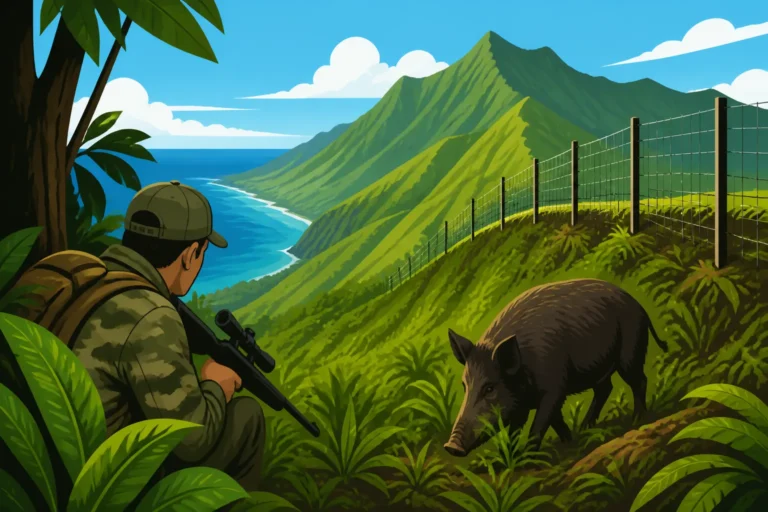
When hunting the public lands accessible from the Kona side, your primary targets will be feral pigs and feral goats. Both species thrive in the arid, rugged environment, finding food and cover amongst the lava and kiawe. Pigs, while often associated with wet forests, are incredibly adaptable and can be found in surprising numbers in the dry gullies and thicker pockets of vegetation on the leeward side, especially where water is available. They'll root through the dry ground for tubers and insects, and often bed down in dense kiawe or rocky crevices to escape the midday sun.
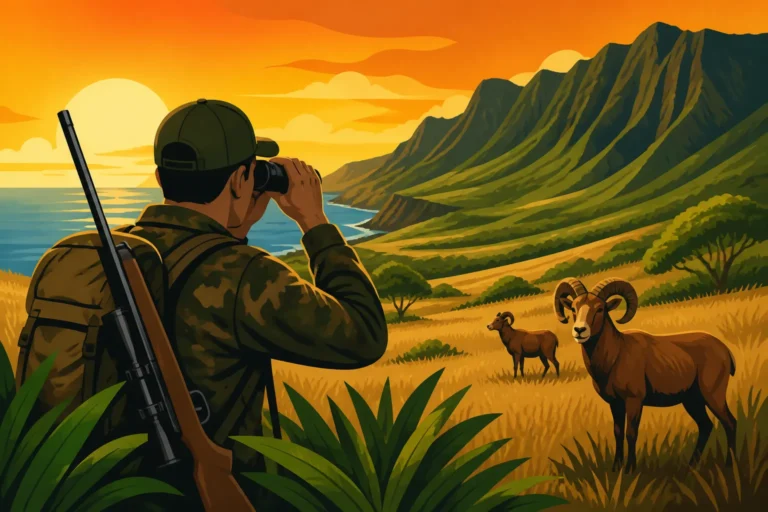
Feral goats, on the other hand, are truly masters of this rocky, dry landscape. They'll cling to steep pali (cliffs) and rocky outcrops, using their agility to navigate terrain that would stop most other animals. They can be incredibly wary, with excellent eyesight, often spotting hunters from a great distance across open lava fields. While less common, some higher-elevation units further inland but still accessible from the Kona side might occasionally hold mouflon sheep or mouflon-feral sheep hybrids, especially as you climb towards the flanks of Mauna Loa or Mauna Kea. Game birds like francolin and quail can also be found in certain areas, particularly around grassy pastures or agricultural edges.
Public Hunting Units Accessible from Kona
The Kona side of Hawaii Island offers several public hunting units managed by the Department of Land and Natural Resources (DLNR) Division of Forestry and Wildlife (DOFAW). These units vary in size, terrain, and the species available, but all require careful planning and adherence to regulations. It's crucial to consult the most current DOFAW hunting regulations for specific season dates, bag limits, and any temporary closures, which can change due to weather, fire risk, or resource management needs.
Mauna Loa's Lower Slopes and Access Points
The expansive lower slopes of Mauna Loa offer significant public hunting opportunities, though they are quite vast and require effort to access. Units like Unit A, while more famously known for mouflon higher up, also contain lower-elevation sections where feral pigs and goats can be found. These areas are typically characterized by newer lava flows, sparse vegetation, and gradual slopes that eventually give way to higher elevation forests. Access usually involves driving up Saddle Road and then navigating various jeep trails or unmarked tracks.
The sheer size of these units means that hunting pressure can be spread thin, but it also means you need to be self-sufficient and prepared for long treks. Hunting Mauna Loa's Upper Slopes gives you a sense of the higher country, but the lower regions have their own distinct character. The challenge here is less about dense cover and more about vast, open country where animals can see you coming from afar, or disappear into the endless folds of ancient lava. Scouting these areas, even virtually with mapping tools, can provide a significant advantage in understanding the contours and potential hiding spots for game.
Puu Anahulu Game Management Area (GMA) – A Key Destination
For many Kona-based hunters, the Puu Anahulu Game Management Area (GMA) is a prime target. Located on the leeward slopes of Mauna Kea, it's readily accessible from the Kona side via Highway 190. This GMA is renowned for its population of feral goats and pigs, offering a more classic dry-country hunting experience. The terrain consists of rolling hills, old cinder cones, and scattered kiawe and nae'o tree groves, interspersed with open grasslands and lava rock. It's an area where good optics and spot-and-stalk tactics shine.
Puu Anahulu is also often mentioned in discussions about Hunting Mouflon at Puu Waawaa, which is adjacent to it, so you might encounter similar habitat. The unit has designated access roads, but many areas require foot travel, sometimes for miles, to reach undisturbed game. Hunters often focus on glassing the open slopes and cinder cone rims at dawn and dusk, then moving cautiously into areas where animals are feeding or seeking shade during the day. Water holes, even small seeps or cattle troughs, can be magnets for game in this arid environment, making them critical areas to scout.
Exploring Smaller, Lesser-Known Units Near the Coast
While Puu Anahulu and the Mauna Loa slopes are major players, there are other units that, depending on your exact location and target species, might be worth considering. The Kapapala Cooperative Game Management Area, while a bit further east and usually accessed from Highway 11, can still be considered within a reasonable driving distance from Kona for a full day hunt. It offers pigs and goats in a mix of forest and open country. Hunting the Kapapala Cooperative Area provides more detail on this region.
Further south down the Kona coast, the Manuka Natural Area Reserve (NAR) also occasionally offers hunting opportunities for pigs and goats, though access and regulations for NARs can be more stringent due to their ecological sensitivity. It's important to remember that these smaller or more remote units might have unique entry requirements or specific seasonal windows. Always verify the latest information with DOFAW before planning a hunt in any of these areas, as conditions and access can change rapidly.
Navigating Access and Regulations Specific to Kona
Hunting in Hawaii is a privilege, and it comes with a strict set of rules designed to manage wildlife populations and ensure public safety. For hunters operating out of Kona, understanding the local access protocols and weapon regulations is key to a legal and successful hunt. The unique geography of the islands means that rules can sometimes vary slightly from one island to another, or even between units on the same island.
The Importance of Checking In and Out Electronically
One of the most critical requirements for hunting on Hawaii's public lands, including those near Kona, is the mandatory check-in and check-out procedure. This system allows DOFAW to monitor hunter activity, collect harvest data, and ensure everyone is accounted for, especially important in remote or rugged terrain. Historically, this involved paper cards at hunter check stations, but now, the OuterSpatial app has become the primary method. This digital system allows you to check in and out from your smartphone, even if you don't have cell service at the exact hunting spot, as long as you initiate it where you do have a signal or it can sync later.
Before heading into any Kona unit, make sure you've downloaded the app, created an account, and understand how to use it. A reliable connection is not always guaranteed, so having a backup plan, like noting down the nearest physical check station, is wise. For non-residents, familiarizing yourself with Using the OuterSpatial App to Check In well in advance of your trip is highly recommended. Some hunters also use platforms like GoHunt for their comprehensive information, which can sometimes integrate with local check-in systems or at least provide links to official resources.
Vehicle Requirements and Road Conditions
Accessing many of the prime hunting units around Kona will almost certainly require a four-wheel-drive (4WD) vehicle. The access roads are often unpaved, deeply rutted, rocky, and can become impassable, even with light rain. Standard rental cars simply won't cut it, and attempting to drive one on these roads can lead to costly damage and getting stuck in a remote area. It's not just about reaching the unit boundary; many huntable areas are accessed via rough interior trails that a 4WD can navigate, getting you deeper into the country before you start hiking.
Plan on needing a robust truck or SUV with good ground clearance and 4WD capability. Always check the weather forecast, especially for higher elevations, as heavy rains can quickly turn dirt roads into muddy bogs or create flash floods in gulches. Hawaii Road Access and 4WD Requirements gives a broader overview, but specifically for Kona, expect challenging conditions. Parking areas can also be limited, so be mindful of not blocking access for others or private landowners.
Understanding Unit Boundaries and Private Land
Hawaii's land ownership can be a complex patchwork of public and private parcels, especially as you move away from designated public roads. This is particularly true in areas like Kona, where large ranches and residential developments can abut public hunting units. It is your responsibility as a hunter to know exactly where you are at all times and to avoid trespassing. The consequences of accidentally or intentionally crossing onto private land without permission can be severe, including fines, loss of hunting privileges, and even confiscation of game and equipment.
This is where a good mapping application like onX Hunt becomes invaluable. With detailed satellite imagery and property boundary overlays, onX Hunt can help you visualize the unit boundaries in real-time, even when there are no physical signs on the ground. Always carry a physical map and compass as a backup, and use GPS devices or phone apps to confirm your location frequently. Understanding Reading a Hawaii Unit Boundary Map is crucial for any hunter, but especially so in areas with mixed land ownership near Kona.
Strategies for Hunting Success in Kona's Environment
Hunting near Kona demands a tailored approach, different from hunting in many other parts of Hawaii or the mainland. The dry, hot, and often rocky environment shapes animal behavior and dictates effective hunting tactics. Success often comes down to adapting your strategy to the specific conditions of the leeward side.
Water Sources and Animal Movement in Dry Country
In Kona's arid landscape, water is the lifeblood for all animals, and game species are no exception. Feral pigs and goats will concentrate their activity around any reliable water source – natural seeps, stock ponds, cattle troughs, or even temporary puddles after a rain. During the dry season, these water points become absolute magnets, often determining the core range of herds. Animals will typically move to water in the cooler hours of dawn and dusk, then retreat to shaded bedding areas during the heat of the day.
Your scouting efforts, both physical and via maps, should heavily focus on identifying these water sources. Look for trails leading to and from them, as well as fresh tracks and droppings. Setting up an ambush near a water source, or carefully still-hunting the approaches to one, can be highly effective. Understanding Hunting a Water Source in Dry Hawaii Country is fundamental here. Keep in mind that game animals in these areas often graze on whatever sparse vegetation they can find, but they must have water, making it a predictable pattern to exploit.
Spot-and-Stalk Tactics on Open Lava Flows and Kiawe Flats
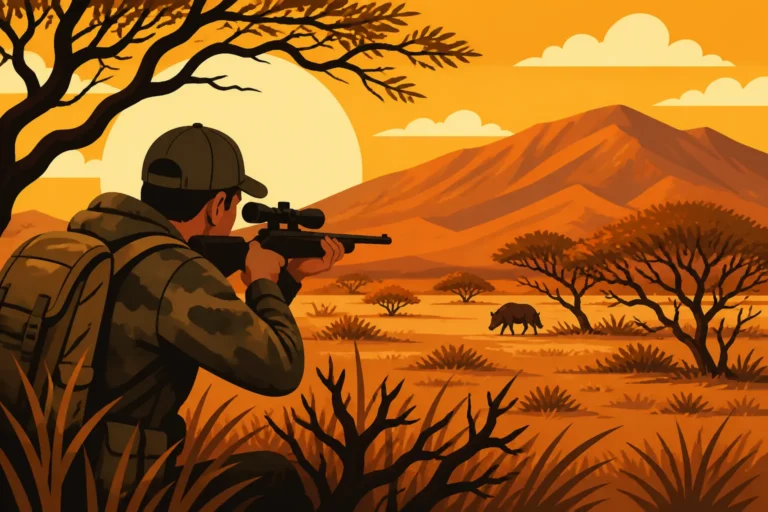
Given the often open and expansive nature of Kona's hunting units, particularly those dominated by lava flows and kiawe flats, spot-and-stalk is arguably the most effective hunting method. Good quality binoculars or a spotting scope are indispensable tools. Position yourself on a high vantage point – the rim of a cinder cone, a rocky bluff, or any elevated terrain – at first light and systematically glass the surrounding landscape. Look for movement, distinct shapes, or tell-tale flashes of color that indicate animals. Remember, goats blend incredibly well into the rocks, and pigs can often be just dark blobs in the shade.
Once you spot game, the real challenge begins. Planning your approach requires careful consideration of the wind, sun, and cover. The unforgiving lava terrain makes silent movement difficult, and the thorny kiawe can impede your path or give away your position. You'll need to use every fold in the land, every sparse bush, and every rock formation to break up your silhouette and close the distance undetected. This is a game of patience, stealth, and adapting to the immediate environment, where one wrong step can send your quarry scattering.
Dealing with Heat, Sun, and Volcanic Terrain
Hunting in Kona's environment is physically demanding due to the relentless sun, high temperatures, and challenging terrain. Dehydration and heat exhaustion are serious risks that must be proactively managed. Always carry significantly more water than you think you'll need, especially if you plan to be out for several hours or the entire day. Electrolyte supplements can also be beneficial. Dress in light-colored, breathable clothing that offers sun protection, and wear a wide-brimmed hat. Sunscreen is not optional.
The volcanic terrain itself presents unique challenges. Walking on rough lava, especially 'a'a, can quickly shred inappropriate footwear and severely stress your ankles and knees. Walking Rough Lava Without Wrecking Your Boots details the kind of footwear you'll need. Be mindful of loose rock, steep slopes, and hidden crevices. It's easy to lose your footing or twist an ankle. Plan your routes carefully, prioritizing safety over directness, and always let someone know your hunting plan, including your intended unit and estimated return time, especially if you're hunting alone in a remote area with limited cell service.
Essential Gear and Preparedness for Kona Hunts
Having the right gear is non-negotiable for a successful and safe hunting experience near Kona. The unique combination of heat, sun, and rugged volcanic terrain demands specific considerations for footwear, clothing, navigation, and emergency preparedness. Don't skimp on essentials; your comfort and safety depend on them.
Footwear and Clothing for Hot, Rough Conditions
Your boots are perhaps the most critical piece of gear for hunting on Kona's lava. You need sturdy, stiff-soled boots with excellent ankle support to protect against sharp lava and uneven ground. Leather or synthetic boots with minimal mesh are preferable, as mesh can easily be torn by thorns or sharp rock edges. Waterproofing isn't as critical as in wet forest environments, but durability is paramount. Break in your boots well before your hunt to avoid blisters, which can quickly ruin a trip in this terrain. Gaiters can also be beneficial to keep small rocks and debris out of your boots and protect your lower legs from thorns.
For clothing, think light layers that offer maximum sun protection. Long-sleeved shirts and pants, preferably in quick-drying, synthetic fabrics, will shield your skin from the intense Hawaiian sun. Light colors reflect heat better than dark ones. Consider clothing with UPF (Ultraviolet Protection Factor) ratings. While blaze orange requirements vary by unit and season, it's always a good idea to wear some for visibility, especially if hunting during rifle seasons or in areas with other users. A wide-brimmed hat is a must for protecting your face and neck from direct sun.
Water, Navigation, and Emergency Supplies
As mentioned, water is your most important provision. Carry at least a gallon per person per day, or more if hiking extensively in hot conditions. Hydration packs are excellent for carrying water comfortably and encouraging frequent sips. For navigation, a reliable GPS device or a smartphone with a downloaded, offline mapping application like onX Hunt is essential. Remember that cell service can be spotty to non-existent in many remote hunting units. Always carry a physical map and compass, and know how to use them as a backup. No Cell Signal on a Hawaii Hunt is a real possibility.
Beyond water and navigation, pack a basic emergency kit. This should include a first-aid kit with blister treatment, pain relievers, and any personal medications. A headlamp or flashlight, knife, fire starter, signaling device (whistle or mirror), and emergency shelter (space blanket or lightweight tarp) are also critical. Consider carrying a personal locator beacon (PLB) or satellite messenger if venturing into very remote areas alone. Food, such as energy bars and trail mix, will keep your energy up during long days.
Field Care for Game in Tropical Heat
The warm, humid climate of Hawaii, even on the dry Kona side, means that game meat can spoil very quickly if not handled properly. As soon as an animal is down, the priority is to field dress it immediately to start the cooling process. Remove the entrails, and if possible, split the sternum and pelvis to allow for maximum air circulation. In many Kona units, you'll be miles from your vehicle, so having a plan for quartering and packing out the meat efficiently is vital.
Bringing large game bags, preferably made of breathable material, is highly recommended. These protect the meat from flies and dirt while allowing it to cool. Consider packing lightweight insulation or even frozen water bottles (which double as drinking water later) in a soft cooler if you anticipate a long pack out. Getting the meat out of the sun and into the shade as quickly as possible is paramount. If you're on a multi-day hunt or far from a processor, having a large cooler with plenty of ice waiting at your vehicle is crucial. Learn more about Field Care in Hawaii's Heat and Humidity to prepare adequately.
| Unit Name (Key Access Points) | Primary Game | Terrain Description | Access Notes |
|---|---|---|---|
| Puu Anahulu GMA (Hwy 190) | Pigs, Goats | Rolling hills, cinder cones, kiawe, open grasslands | 4WD highly recommended for interior roads; check in/out via OuterSpatial. |
| Mauna Loa Unit A (Saddle Rd) | Pigs, Goats, Mouflon (higher) | Newer lava, sparse vegetation, gradual slopes to higher forests | 4WD essential for many access roads; long walks often required. |
| Kapapala Co-op GMA (Hwy 11) | Pigs, Goats | Mix of forest (koa/ohia) and open pastureland, some gulches | Good 4WD access, but can be rough; check current regulations for access periods. |
| Manuka Natural Area Reserve (Hwy 11) | Pigs, Goats | Southern Kona, older lava flows, dry forest. Access restricted. | Very limited access, often special permits needed. Strict rules for NARs. |
Disclaimer
This article is for general informational purposes only and does not constitute professional advice. Laws, prices and regulations vary by location and change over time. Consult a qualified professional for guidance on your specific situation.