Hunting Molokai’s East End Valleys
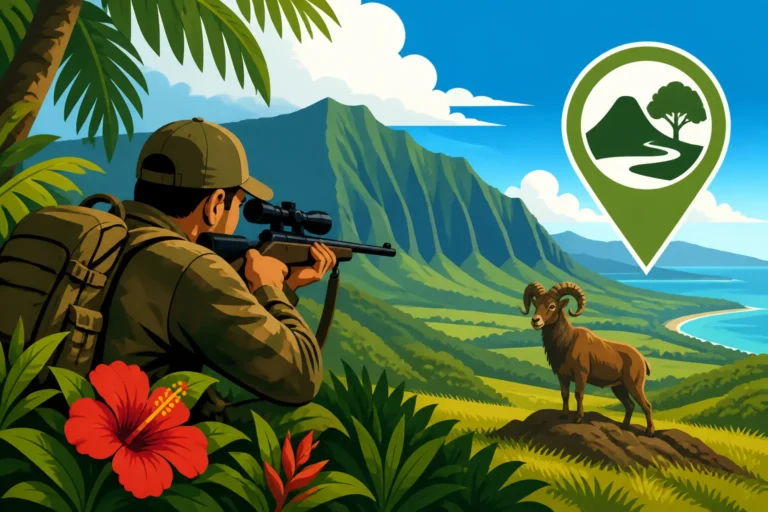
Hunting Molokai's East End valleys is a true test of a hunter's mettle, offering an incredibly rugged and often humbling experience in some of the islands' most remote and challenging terrain. If you're looking for an adventure that pushes your limits and rewards you with hard-earned feral pigs and goats, this guide will walk you through what to expect and how to prepare for the unique demands of Molokai's wild eastern frontier.
Navigating the Lush and Rugged Landscape of Molokai's East End
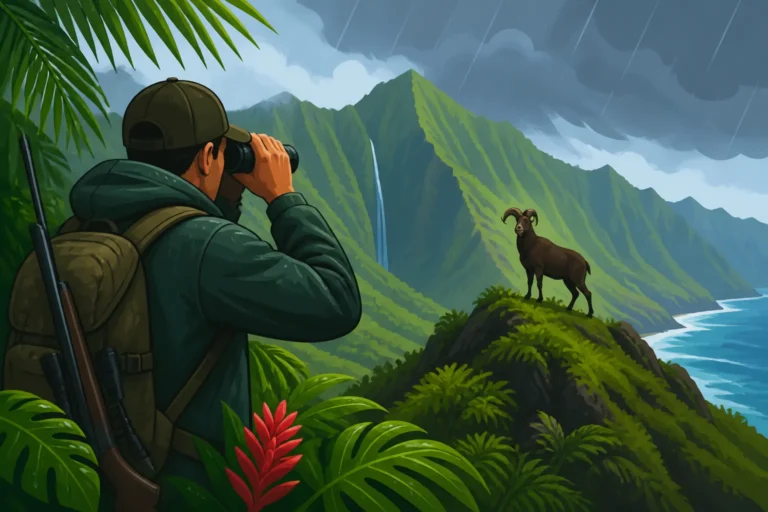
Molokai's East End is a stark contrast to its drier western plains. Here, towering sea cliffs give way to deep, verdant valleys carved by countless millennia of rainfall and erosion. This isn't your typical open country hunting; it's a world of dense rainforest, cascading waterfalls, and incredibly steep, slick terrain. Understanding this landscape is the first step to even contemplating a hunt here.
The Geography of Deep Valleys and Steep Cliffs
Imagine a landscape where ridgelines drop precipitously into narrow, V-shaped valleys, often leading down to the ocean. These valleys are choked with thick vegetation – ulu (breadfruit), guava, hau, and a dense understory that can feel like an impenetrable wall. The ground is almost perpetually damp, often muddy and slippery, even on days without rain. Stream beds, crisscrossing the valley floors, can quickly become raging torrents during heavy downpours, posing significant hazards. Access points are few and far between, usually involving long, arduous hikes down steep, winding trails or along old, overgrown routes that demand careful navigation. It's a place where every step is a deliberate choice, and losing your footing can have serious consequences.
Identifying Your Quarry: Feral Pigs and Goats
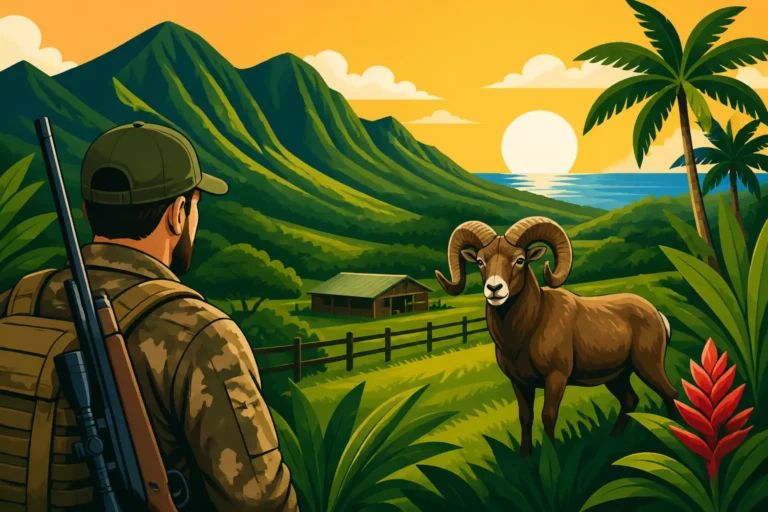
While Molokai is well-known for its axis deer, the East End valleys are primarily the domain of feral pigs and goats. These animals thrive in the dense cover and abundant forage found in these wet, secluded areas. Feral pigs, often larger-bodied than their counterparts in drier zones due to consistent food and water, will frequent the deep gulches, rooting for tubers and fallen fruit. Goats, with their incredible agility, will navigate the steepest cliff faces and rocky outcrops, often seen grazing on pockets of vegetation along the valley walls. Spotting them in such thick cover can be a monumental task, often requiring you to be right on top of them before they reveal themselves.
| Species | Typical Habitat | Behavior in Valleys | Hunting Challenge |
|---|---|---|---|
| Feral Pig | Dense jungle, stream beds, thick understory | Rooting, wallowing, seeking shade and moisture. Often move at night or early morning. | Extremely dense cover, poor visibility, strong scenting ability, aggressive when cornered. |
| Feral Goat | Steep slopes, rocky outcrops, cliff faces, pockets of vegetation | Browsing on steep terrain, often in small groups. Excellent eyesight and balance. | Incredibly difficult to approach due to terrain and vigilance. Recovery can be dangerous. |
Accessing Molokai's East End Hunting Grounds
Getting into these remote valleys is perhaps the biggest hurdle. There are no paved roads leading into the heart of the East End's hunting opportunities. This isn't a place you just drive up to; it's a commitment to a serious backcountry experience.
Limited Road Access and Foot Travel
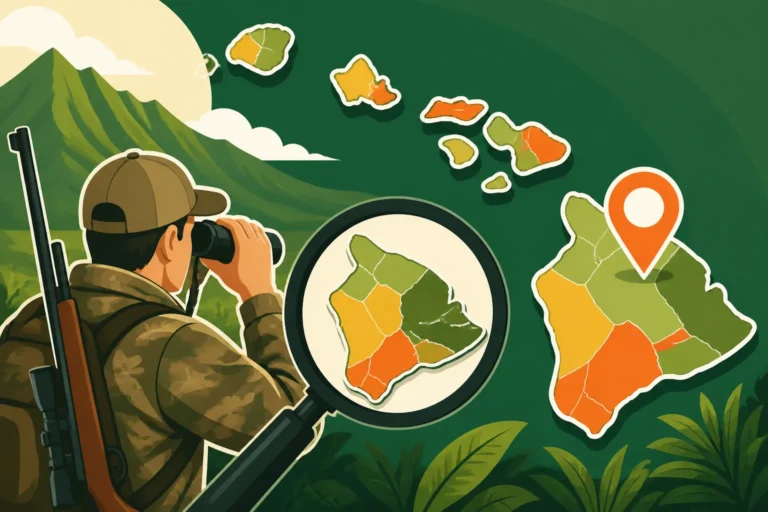
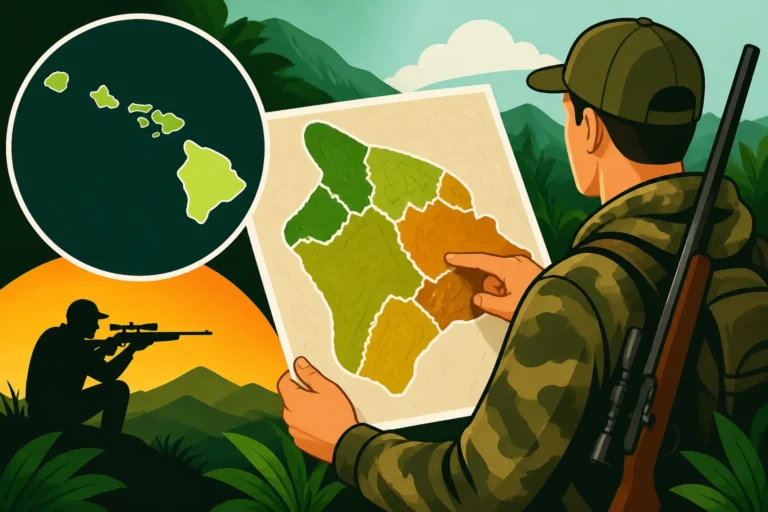
Most access to the East End valleys begins from a few scattered, poorly maintained dirt roads that eventually dead-end or become impassable even for 4×4 vehicles. From there, it's strictly foot traffic. These foot trails often follow old cattle paths, ancient Hawaiian trails, or simply routes worn by generations of hunters. They are notoriously steep, slippery, and frequently overgrown. Don't expect clearly marked paths; map reading, a keen sense of direction, and a reliable GPS device are absolutely critical. Tools like the onX Hunt app can be invaluable for pinpointing your location, understanding terrain contours, and identifying public vs. private land boundaries. Without it, getting disoriented in the dense, monotonous jungle is a real possibility. Staying Found in Dense Hawaii Rainforest is a good read on how easy it is to get turned around.
Understanding Public vs. Private Lands and Permissions
Molokai's East End is a mosaic of public and private land, and respecting these boundaries is paramount. While some valleys might be entirely public, others could have private holdings extending deep into the interior. Never assume a remote area is public access. Always consult current land maps and seek necessary permissions if you plan to hunt private property. Trespassing is a serious offense and can jeopardize future hunting opportunities for everyone. Even on public land, certain areas might have restricted access or seasonal closures, so always check with the Department of Land and Natural Resources (DLNR) or GoHunt for the latest regulations and unit information. Molokai Permit-Tag Requirements will give you essential information about what you need to hunt.
Strategies for a Successful Hunt in Molokai's East End
Hunting these valleys requires a blend of physical stamina, mental toughness, and specialized tactics. This isn't about high-volume shooting; it's about patience, tracking, and making the most of a limited number of opportunities.
Still-Hunting and Tracking in Dense Cover
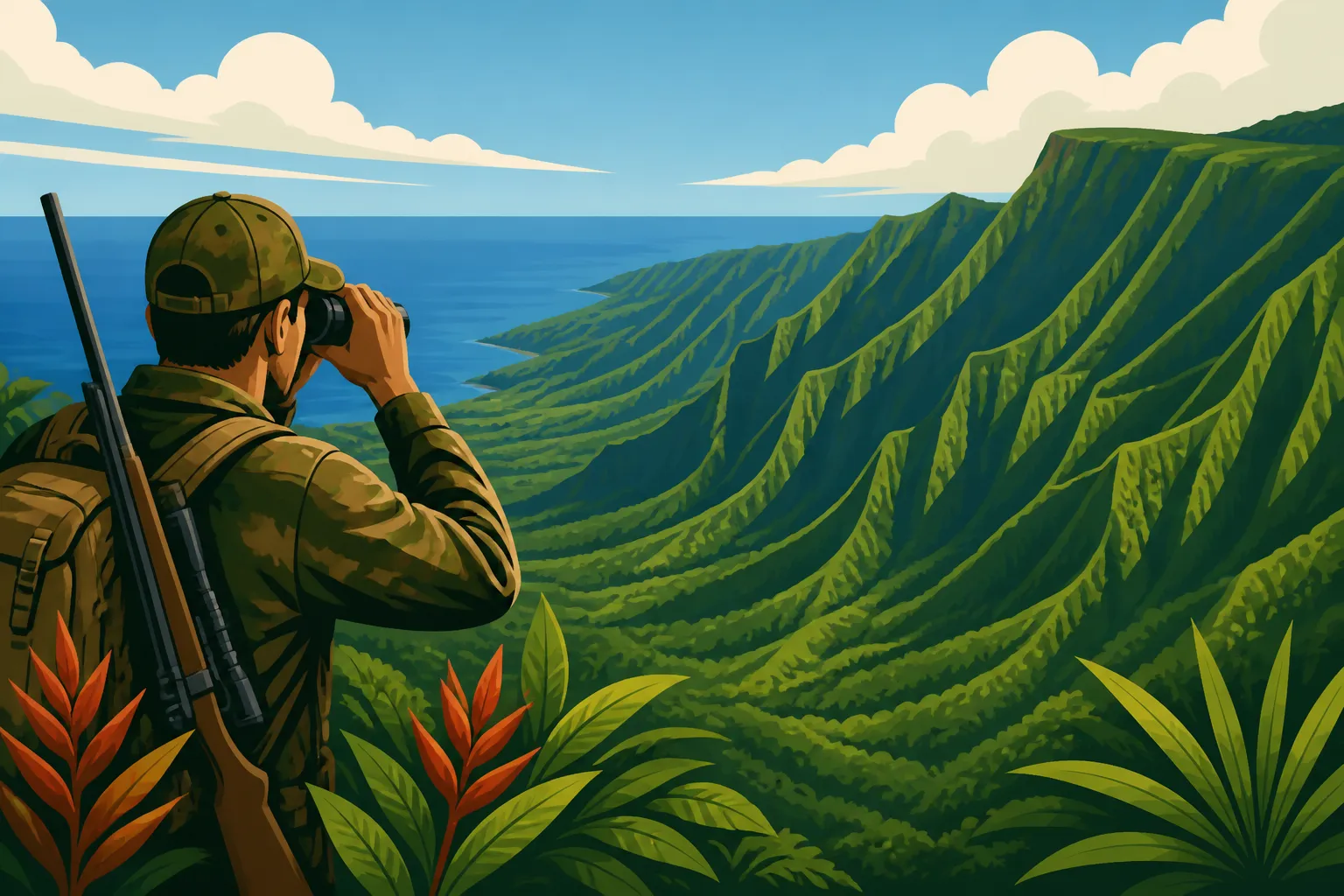
For those hunting without dogs, still-hunting and tracking become your primary methods. This involves moving incredibly slowly, pausing frequently to listen for any sound – a distant grunt, a rustle in the undergrowth, the distinct "snap" of a branch. Pay close attention to fresh pig sign like rooting, tracks in the mud, or wallows. For goats, look for fresh droppings, beds on rocky ledges, or browse lines on vegetation. Wind direction is critical here, as the thermals can shift dramatically in these deep valleys. Always try to hunt with the wind in your favor, particularly at dawn and dusk when animals are most active. A good pair of binoculars can help you pick apart dense cover from a slight elevation, looking for any unusual color or shape that might betray an animal's presence. Still-Hunting Pigs in Hawaii's Wet Forest dives deeper into these tactics.
Hunting with Dogs in the Valleys
Dog hunting is a popular and often highly effective method for pursuing pigs in Molokai's dense East End valleys. The dogs' keen sense of smell allows them to penetrate cover that would be impossible for a human to navigate quietly, pushing pigs out or baying them. Typically, this involves a combination of "bay dogs" that locate and hold a pig by barking, and "catch dogs" that move in to secure the animal. This method demands physically fit dogs and handlers, as both will be covering extremely rough and often dangerous terrain. Communication between dog handlers is vital, often requiring two-way radios in areas where cell service is non-existent. Safety is paramount when working with dogs in such close quarters with potentially aggressive animals. If you're considering this, read up on Pig Hunting With a Bay Dog and Catch Dog.
Safety First: Navigating Dangerous Terrain
The East End valleys are beautiful, but they are also unforgiving. Slick trails, steep drops, loose rock, and unpredictable weather are constant threats. Always hunt with a partner, and make sure someone knows your detailed plans and expected return time. Carry a fully charged cell phone (though service will be spotty at best) and consider a satellite communication device for emergencies. Good quality hiking boots with excellent ankle support and aggressive traction are non-negotiable. Watch for falling rocks on steep slopes and exercise extreme caution when traversing near cliff edges or stream banks. Crossing swollen streams can be incredibly dangerous; if in doubt, wait for the water to recede or find an alternate, safer crossing point.
Essential Gear and Preparation for an East End Hunt
Preparation is key when venturing into Molokai's East End. The right gear can make the difference between a successful hunt and a miserable (or dangerous) experience.
Clothing and Footwear for Wet and Rugged Conditions
Forget cotton; it dries slowly and will leave you cold and miserable. Opt for quick-drying synthetic layers or wool. A good quality waterproof and breathable rain jacket and pants are essential, as passing showers are common. Long pants and sleeves will protect you from sharp vegetation, insect bites, and sun exposure. As mentioned, footwear is critical. Boots should be waterproof, well broken-in, offer excellent ankle support, and have aggressive Vibram-type soles for traction on slick mud and rock. Many local hunters opt for specialized "tabi" boots that offer exceptional grip in wet conditions. Boots for Hawaii Lava and Wet Forest provides more insights.
Packing Smart: Tools, Water, and Emergency Supplies
Your pack needs to be lean but comprehensive. Here's a breakdown of essentials:
- Water: Carry more than you think you'll need, or bring a reliable water filter/purifier. Dehydration is a serious risk in the tropical heat and humidity.
- Food: High-energy, non-perishable snacks.
- First-Aid Kit: Comprehensive, including blister treatment, bandages, pain relievers, and any personal medications.
- Navigation: Map, compass, and a fully charged GPS device (like your phone with onX Hunt downloaded offline). A portable power bank is also a good idea.
- Headlamp/Flashlight: Even if you plan to be out before dark, unexpected delays happen.
- Cutting Tools: A sharp knife for field dressing, and possibly a small saw or machete for clearing trails or butchering.
- Game Bags: Lightweight, breathable game bags for packing out meat. Field Dressing Axis Deer in Hawaii Heat offers valuable tips that apply to pigs and goats too.
- Whistle: For signaling if you get separated from your hunting party.
- Trash Bag: Pack out everything you pack in, and then some.
- Communication Device: Satellite messenger or two-way radios if hunting with a group.
Field Care and Meat Recovery Challenges
Once you've harvested an animal, the real work begins. Field dressing quickly is paramount in Hawaii's warm climate to prevent spoilage. Even pigs taken in the morning can spoil rapidly if not cooled down. The challenge then shifts to recovery. Getting a full-grown pig or goat out of a steep, slippery valley can be incredibly strenuous, often requiring multiple trips or the help of several strong individuals. Consider quartering the animal to make it more manageable for packing out. If you're fortunate enough to be near a stream, cooling the meat in flowing water can buy you some precious time, but be mindful of contaminating water sources. Planning your extraction strategy before you even start hunting is crucial. Getting a Pig Out of a Hawaii Gulch is a fantastic resource for this daunting task.
Hunting Molokai's East End valleys is an experience unlike any other in Hawaii. It's tough, rewarding, and offers a deep connection to the 'aina (land). With thorough preparation, respect for the environment, and a commitment to safety, you can embark on a truly memorable adventure in these incredible wild spaces.
Disclaimer
This article is for general informational purposes only and does not constitute professional advice. Laws, prices and regulations vary by location and change over time. Consult a qualified professional for guidance on your specific situation.