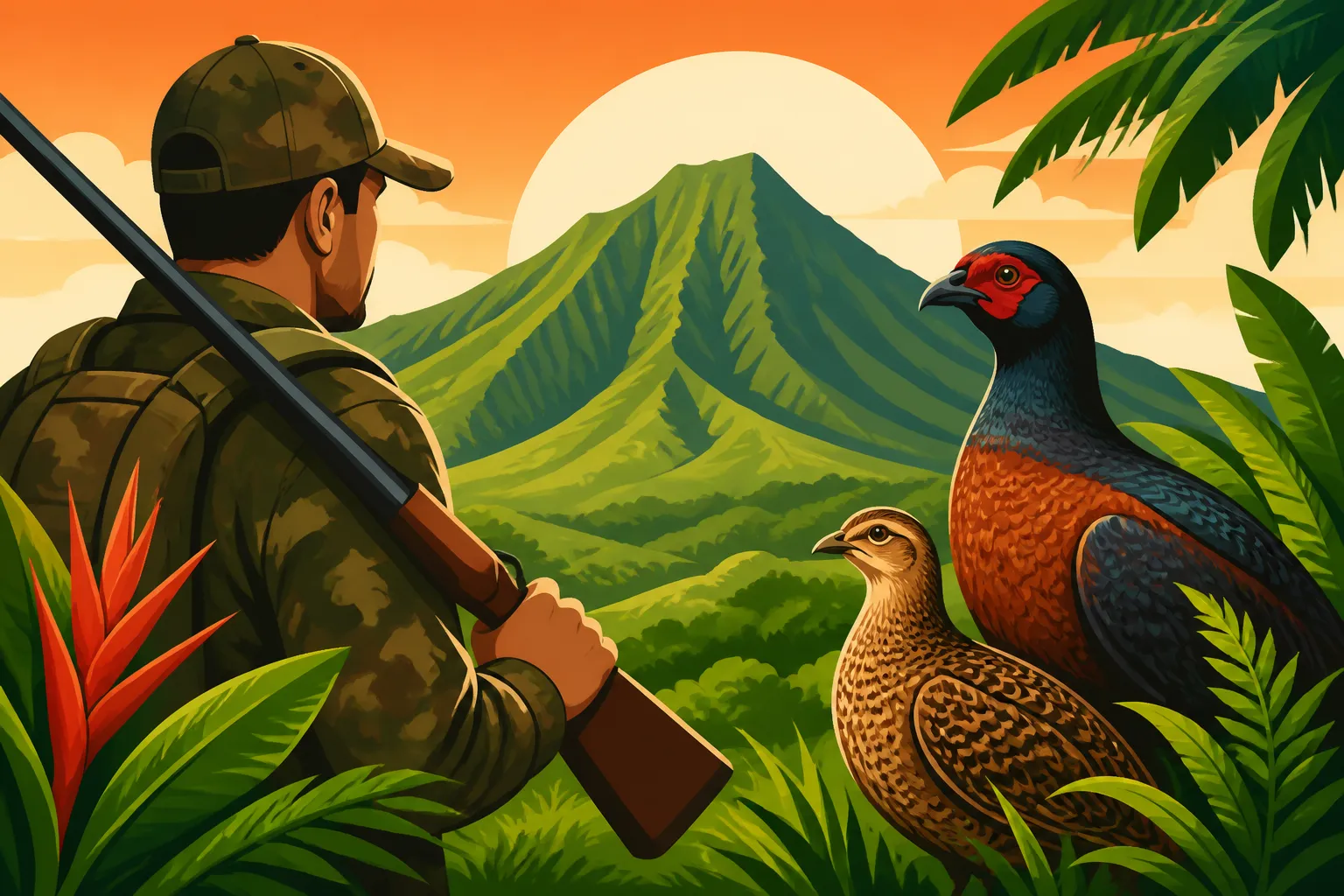
Best Hawaii Public Ground for Game Birds
Finding reliable public hunting grounds for game birds in Hawaii can often feel like a treasure hunt, especially for those new to the islands or even seasoned local hunters trying a new unit. With diverse terrain ranging from dry lava fields to wet rainforests, knowing where to focus your efforts for chukar, francolin, pheasant, quail, and doves can make all the difference between a frustrating hike and a rewarding day in the field. This guide will walk you through some of the best public land opportunities across the islands for chasing Hawaii's winged game.
Understanding Hawaii's Game Bird Diversity and Habitat
Hawaii is unique in that all its game bird species are introduced, but they've carved out niches across the islands' incredibly varied landscapes. From the high, arid slopes of Mauna Kea to the dense, wet forests of windward Oahu, different birds thrive in different environments. Knowing what you're looking for and where it lives is the first step to a successful hunt.
The Array of Game Birds You Might Encounter
When we talk about Hawaii's game birds, we're discussing a fascinating mix of species, each with its own preferred habitat and behavior. You've got the quick-flushing Chukar partridge, often found scrabbling among rocks and sparse vegetation at higher elevations. Then there are the various francolins – Erckel's, Black, and Gray – which might hold tight in tall grass or flush from dense cover in more moderate elevations. Ring-necked and Kalij pheasants prefer thicker forest edges, old agricultural fields, or even swampy areas. Quail, like the California and Japanese species, are typically found in open dry brush or grasslands. And let's not forget the doves, such as the Spotted and Barred, which are often found foraging in agricultural fields or pastures at lower elevations. Understanding these preferences is key to success on any given day. It's truly a mixed bag, and sometimes you'll find multiple species in overlapping habitats, which adds to the excitement. For a deeper dive, check out Hawaii's Game Birds and Where to Find Them.
Navigating Seasonal Availability and Access Challenges
Unlike some mainland hunts, Hawaii's game bird seasons are often restricted to specific weekends or short windows, particularly on public lands. This means planning your hunts carefully is crucial. Weather can also play a huge role; a unit that's fantastic in the dry season might be a boggy, bird-less mess after heavy rains. Access, too, can be a major hurdle. Some of the best bird spots are deep within public hunting units, requiring a serious hike, a stout 4×4, or sometimes even helicopter access. Many units have specific check-in and check-out procedures, often through online systems like OuterSpatial or at physical hunter check stations. Always confirm the current rules for the specific unit you plan to hunt, as they can change. It's not uncommon for a good spot to be closed due to fire risk, conservation efforts, or management activities. Knowing Hawaii Game Bird Seasons and Bag Limits for your target species and island is paramount before you even leave home.
Island-Specific Public Land Opportunities for Game Birds
While game birds are found across several islands, the density and species present can vary significantly. Some islands offer more consistent opportunities due to their geography and land management.
Hawaii Island: Upland Birds in the High Country
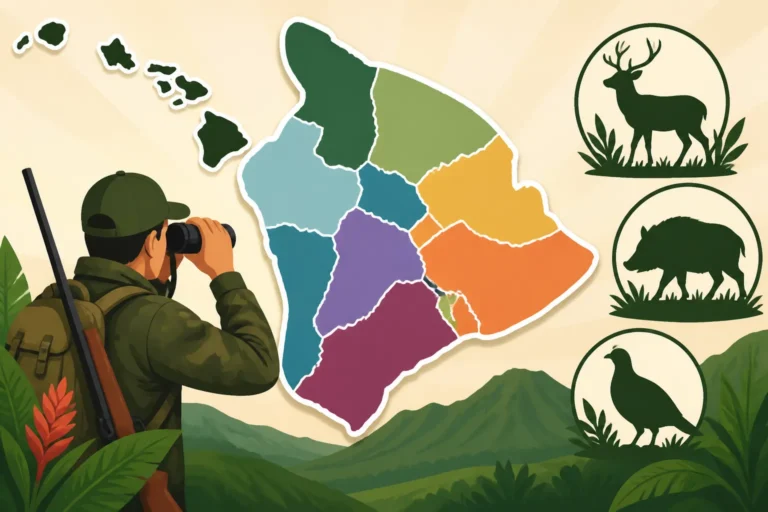
The Big Island, with its vast tracts of public land and varied elevations, offers some of the most exciting game bird hunting in Hawaii. The high slopes of Mauna Kea and Mauna Loa are legendary for chukar. These hardy birds thrive in the rocky, often desolate, subalpine zones where cover is sparse, and the air is thin. Hunting these areas, often referred to as Unit A or other designated zones on the upper mountain, requires serious physical conditioning, good boots for traversing volcanic rock, and a keen eye for spotting birds at a distance. You'll often find Erckel's francolin in the transitional zones just below the chukar country, where mamane and koa forests begin to appear.
Further down, in areas like the Puu Waawaa Forest Reserve or certain parts of the Kaohe Game Management Area on the leeward side, you might encounter Gray francolin and Ring-necked pheasant in the drier, brushier country. These areas often have old cattle pastures, kiawe thickets, and scattered pockets of vegetation that provide excellent cover. On the windward side, in units like Waiakea or parts of the Hilo Forest Reserve, the wetter, denser forests might hold Kalij pheasant, though these hunts are typically more challenging due to visibility and terrain. Doves can be found in agricultural fringe areas and low-elevation pastures across the island. When hunting the high country, remember that weather can change in an instant, from bright sunshine to dense fog or freezing rain. This island truly offers a diverse upland bird hunting experience, and you can learn more about specific tactics in Chukar Hunting Hawaii Island's High Country and Hunting Francolin and Pheasant in Hawaii.
Maui: Upcountry and Agricultural Fringe for Francolin and Doves
Maui is primarily known for its Axis deer, but it also has some solid public land options for game birds, particularly francolin and doves. The Kula Forest Reserve and the lower slopes of Haleakala, including parts of the Kahikinui area, offer excellent habitat for Erckel's and Gray francolin. These upcountry regions are characterized by rolling hills, pastures, gulleys, and mixed brushland – perfect for birds that like to run and then flush explosively.
Access in these areas can sometimes be on old ranch roads or requires significant walking. Doves are plentiful in the lower elevation agricultural areas and pastures around the fringes of public lands, often near active or fallow farm fields. Hunters looking for doves should consult unit maps carefully to ensure they are on public land or have appropriate private land permission. Dove Hunting on Hawaii Farm Ground can offer specific insights. While pheasants are present, they tend to be in lower densities or in very specific, often dense, pockets that require dedicated effort. Many of Maui's public bird hunting opportunities coincide with Hunting Maui's Upcountry Forest Reserves.
Kauai: Diverse Terrain for Francolin and Quail
Kauai offers a different flavor of game bird hunting, with good populations of francolin and quail. The Kekaha Game Management Area and the Puu Ka Pele Forest Reserve, often associated with Black-tailed deer hunting, also provide excellent habitat for various game birds. The drier, more open country in these western Kauai units is ideal for Gray and Erckel's francolin, as well as California quail. These birds will often be found in the brushy canyon rims and plateaus, where they can utilize the dense cover for refuge and open areas for feeding.
The key to hunting Kauai's game birds is often scouting for water sources or areas where recent rains have spurred new growth, as these areas concentrate birds. Like other islands, access can be a factor, with some areas requiring a hike or 4×4 vehicle. Always verify current unit rules and boundaries, as they can sometimes be intricate.
Oahu and Molokai: Limited Public Bird Opportunities
While Oahu has robust pig hunting, its public land game bird opportunities are generally more limited compared to the other islands. There are small populations of francolin and pheasants in some of the forest reserves and game management areas, but they often exist at lower densities or in very challenging terrain. Hunters on Oahu often focus on areas like the Ewa Forest Reserve or specific ridgelines where pockets of birds might be found.
Molokai, famous for its Axis deer, also has some game birds, but again, public land access for bird hunting can be more restricted or less productive than for deer. Francolin and pheasant might be present in brushy areas and forest fringes, but dedicated bird hunting trips specifically to Molokai are less common for non-residents or those without established private land access.
Strategies for Locating and Accessing Prime Bird Habitat
Finding these prime spots isn't just about knowing which unit to go to; it's about understanding how to pinpoint the exact locations within those units where birds are likely to be.
Leveraging Technology and Maps for Unit Navigation
In today's hunting world, digital mapping tools are indispensable, especially in Hawaii where public land boundaries can be complex and often abut private property. An app like onX Hunt is an absolute game-changer. It allows you to clearly see public land boundaries, private land ownership, topo lines, and satellite imagery, all overlaid on your phone or GPS device. This is crucial for staying on legal hunting ground and understanding the terrain before you even set foot in the field. You can mark potential bird holding areas, water sources, and access points from your couch, saving valuable time and effort in the field.
Beyond just land boundaries, use these tools to identify habitat types. Look for edges where dense cover meets open areas, or where different vegetation types converge. Identify gulleys, old roads, or small clearings that might provide forage or dusting spots. While official resources like the Department of Land and Natural Resources (DLNR) provide unit maps, overlaying them with modern GPS data from apps like onX Hunt can give you a significant advantage in navigating Hawaii's rugged terrain. GoHunt also provides valuable information on season dates and unit regulations, making it a powerful complement to your mapping tools. Finding a Hawaii Hunting Unit Map is a great start, but augmenting it with these digital tools is even better.
The Critical Role of Scouting and Timing
You've heard it a thousand times, but it bears repeating: nothing beats good scouting. If possible, visit your chosen unit before the season opens (ensure you adhere to any access restrictions for scouting). Look for bird sign – dusting bowls, feathers, droppings, or even audible calls if you're quiet and patient. Identify food sources that might be available during the season you plan to hunt. Birds are creatures of habit, and they'll frequent areas that provide food, water, and cover.
Timing is also everything. Many game birds are most active in the early morning and late afternoon, feeding or moving between roosting and feeding areas. Hunting during these windows increases your chances of encountering birds. Additionally, consider how weather patterns affect bird behavior. A hot, dry day might push birds towards remaining water sources, while cooler, overcast conditions might have them ranging more widely. Understanding Hunting Hawaii's Game Bird Weekends will help you plan your scouting trips around actual hunting days.
The Invaluable Partner: A Good Bird Dog
For game bird hunting, especially on Hawaii's public lands where birds can be hard to spot or hold tight, a well-trained bird dog is an incredible asset. A good pointing dog can pinpoint birds you would otherwise walk right past, and a flushing dog can push them out of thick cover. Retrievers are crucial for finding downed birds in dense vegetation, preventing lost game.
However, bringing a dog to Hawaii requires careful planning and adherence to strict quarantine laws. If you're a resident, training your dog in the diverse Hawaiian terrain is a continuous process. If you're visiting, you'll either need to ensure your dog meets all entry requirements well in advance, or consider hunting with a local guide who provides dogs. Either way, a dog significantly increases your effectiveness and enjoyment of a game bird hunt. Learn more about the practicalities in Using a Bird Dog in Hawaii Terrain.
Navigating Regulations and Unit Specifics for Public Land Game Bird Hunts
Before you head out, it's absolutely essential to be fully aware of the specific rules and regulations governing game bird hunting on Hawaii's public lands. These can differ by island, unit, and even by the type of bird you're pursuing.
Essential Licenses, Stamps, and Hunter Education
To hunt game birds in Hawaii, you'll need a valid Hawaii hunting license. In addition, a Hawaii Game Bird Stamp is required for anyone 16 years of age or older who hunts game birds. These can typically be purchased online through the GoHunt Hawaii portal or at authorized license vendors. If you're a new hunter or a non-resident who hasn't completed an approved hunter education course, you'll need to satisfy Hawaii's hunter education requirements. For non-residents, a letter of exemption based on a prior state's hunter education certificate is often an option. Make sure all your paperwork is in order before your trip; nothing derails a hunt faster than a missing license or stamp. The Hawaii Game Bird Stamp is a crucial detail often overlooked by first-timers.
Checking In and Out of Hunting Units
Most public hunting units in Hawaii, especially those managed by the Department of Land and Natural Resources (DLNR), require hunters to check in before their hunt and check out afterward. This system helps the state monitor hunter pressure, harvest rates, and ensures accountability for anyone entering these areas. Many units now use the OuterSpatial app for digital check-in/check-out, which is incredibly convenient if you have cell service or download the unit maps beforehand. Some remote units might still rely on physical check stations with paper cards. Failing to check in or out can result in citations, so always make this a priority. You can find comprehensive details about these procedures in Checking In and Out of Hawaii Hunting Units.
Understanding Weekend and Holiday Hunting Restrictions
A significant consideration for game bird hunting on Hawaii's public lands is that many units are only open on weekends and designated state holidays. This can lead to increased hunter pressure on those specific days, especially in more accessible or well-known units. While it can be tempting to join the crowd, consider scouting during off-peak times (if permitted) or focusing on more remote sections of units that require more effort to reach, potentially escaping some of the pressure. Always double-check the specific calendar for your chosen unit, as the rules are strictly enforced. Information on Hawaii's Weekend and Holiday Hunting Rules will be invaluable for planning your trips.
Here's a quick overview of some excellent public ground for game birds:
| Island | Primary Units/Areas | Target Game Birds | Key Terrain Features | Best Hunting Type |
|---|---|---|---|---|
| Hawaii Island | Mauna Kea Unit A, Puu Waawaa, Kaohe GMA, Waiakea | Chukar, Erckel's Francolin, Kalij Pheasant, Doves | High elevation lava, dry scrub, mamane/koa forest, wet forest edges | Upland walk-up, dog hunting |
| Maui | Kula Forest Reserve, Kahikinui (lower slopes) | Erckel's/Gray Francolin, Doves, Ring-necked Pheasant | Upcountry pastures, brushy gulleys, dryland forest, agricultural fringe | Walk-up, dog hunting |
| Kauai | Kekaha GMA, Puu Ka Pele Forest Reserve | Gray/Erckel's Francolin, California Quail, Pheasant | Dry canyons, brushy plateaus, forest edges | Walk-up, dog hunting |
| Oahu | Ewa Forest Reserve, Makua-Keaau Reserve | Francolin, Pheasant (lower densities) | Dense forest edges, limited open areas | Challenging walk-up |
| Molokai | Public Reserve Land (limited access/density) | Francolin, Pheasant, Doves | Brushy pockets, forest fringes | Opportunistic walk-up |
Remember that hunting in Hawaii is a privilege and a unique experience. By respecting the land, understanding the regulations, and putting in the effort, you'll significantly increase your chances of a successful and memorable game bird hunt on our beautiful islands.
Disclaimer
This article is for general informational purposes only and does not constitute professional advice. Laws, prices and regulations vary by location and change over time. Consult a qualified professional for guidance on your specific situation.