Hawaii Private Land Hunting Fees
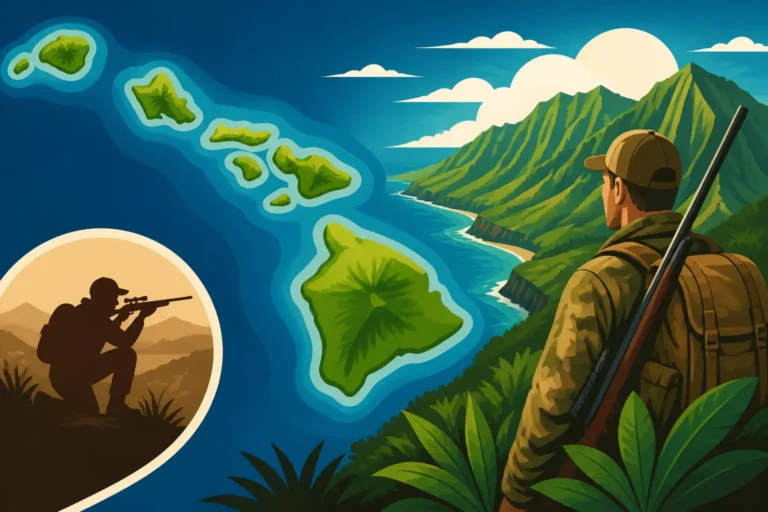
It's no secret that hunting in Hawaii offers some truly unique experiences, from chasing axis deer through kiawe flats to stalking feral pigs in dense rainforests. But for many coming from the mainland or even kama'aina looking to expand their opportunities, the idea of hunting private land can feel like a labyrinth of hidden costs and unspoken rules. You might be wondering, "Do I really have to pay just to step foot on someone's property, even if I'm not hiring a guide?" The short answer is often yes, and this guide is here to shed light on what those Hawaii private land hunting fees entail and how to navigate them.
Understanding the Landscape of Private Hunting in Hawaii
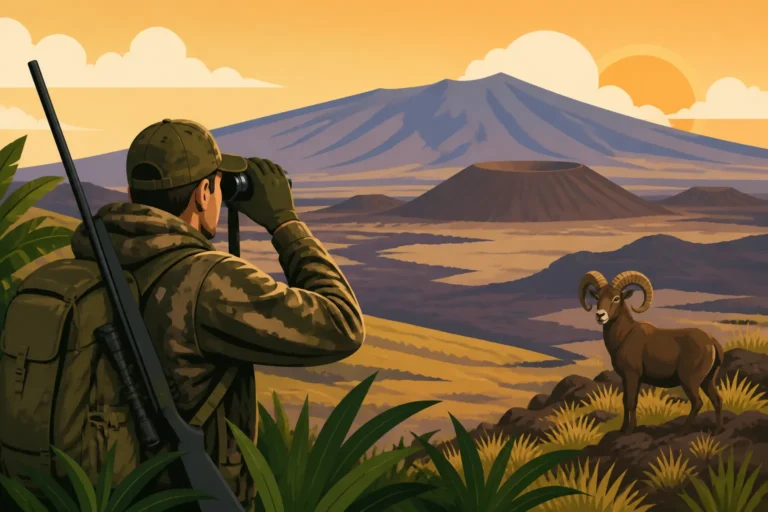
When you think of hunting, especially in the Western U.S., public land often comes to mind – vast tracts managed by state or federal agencies where your hunting license is your ticket. Hawaii is a different beast entirely. While there's public land to be had, a significant portion of prime hunting ground for species like axis deer, mouflon sheep, and feral goats is privately owned. And accessing that land often comes with a price tag beyond your standard license and tags.
Why Private Land is Different Here
The history of land ownership in Hawaii is complex, marked by a legacy of large ranching operations, agricultural enterprises, and family estates. These private holdings often encompass diverse ecosystems, from dry leeward slopes to lush windward valleys, making them ideal habitats for game animals. Unlike some mainland states where private landowners might open up parcels for free to reduce game populations, Hawaii's situation often involves a more commercial approach to hunting access. Landowners here have costs—property taxes, fence maintenance, staff, and often, extensive conservation efforts—and charging for hunting access helps offset these. It’s a business, and it’s how many of these larger ranches manage their resources and, frankly, stay afloat. This means understanding that "free access" is a rare bird on private ground in Hawaii.
The "Access Fee" Concept: More Than Just a Guide
One of the biggest surprises for hunters accustomed to different models is the concept of a distinct "access fee" in Hawaii. This isn't just about hiring a guide; it's about the permission to enter and hunt on the land itself. You might secure permission to hunt a particular ranch, and that permission comes with an associated fee, regardless of whether you're bringing your own gear and going self-guided or you're part of a fully outfitted experience.
For example, a large ranch on Maui or Molokai might have excellent Axis Deer, Hawaii's Signature Big Game. They'll have designated hunting areas, often managed for wildlife, and allowing hunters onto that property requires management, insurance, and staff oversight. The access fee covers this administrative overhead and the privilege of hunting on well-managed land that often sees less pressure than public units. It’s a fundamental part of the Hawaii Private Ranch Hunting Access model. Even if you're an experienced hunter who typically goes it alone, on many private parcels in Hawaii, you'll still be looking at an access charge.
Types of Private Land You Might Encounter
Hawaii's private hunting opportunities aren't limited to just sprawling cattle ranches. You might find hunting access on:
- Traditional Ranches: These are perhaps the most common. Think large cattle operations that also manage significant populations of deer, goats, and pigs. They often have established hunting programs, sometimes with their own guides.
- Agricultural Operations: Lands dedicated to crops like macadamia nuts, coffee, or even old sugar cane fields can hold significant game. These might offer access, especially if game animals are causing damage to crops.
- Conservation Easements & Family Estates: Some large private parcels are under conservation easements or held by families who occasionally open them up for hunting, sometimes through a lottery or by invitation, but often with a fee involved.
- Smaller Acreages: While less common for large game, smaller landowners might allow pig or goat hunting for a fee, especially if the animals are a nuisance.
Understanding these different types can help you target your inquiries and manage your expectations regarding costs and available species.
Deconstructing the Costs: What You're Paying For
So, you've decided to pursue a private land hunt. What exactly are you paying for? The costs can vary wildly depending on the island, the species you're after, the landowner, and the level of service you desire. There's no single, fixed price across the board, which can be frustrating when you're trying to budget.
Day Fees vs. Package Deals
This is one of the most significant distinctions you'll encounter when looking at Hawaii private land hunting fees.
- Day Fees: Many private landowners or outfitters offer simple day fees. This often grants you access to their property for a specific period—say, one or two days—to hunt a particular species. It might include basic guidance on where to hunt, but you're largely on your own for the actual stalking, field dressing, and packing out. These are generally the most affordable option for private land and appeal to hunters who prefer a self-sufficient approach. It's often the route local residents take to access quality land without needing a full guided experience. Sometimes, a day fee might come with a harvest fee if you successfully take an animal, particularly a trophy.
- Package Deals: For visitors, or those seeking a more hands-on experience, guided package deals are very common. These bundles typically include the land access fee, a professional guide, and often additional services like transportation on the ranch, field dressing assistance, and initial meat care. Some higher-end packages might even include lodging, meals, and airport transfers, making it an all-inclusive experience. For example, What a Hawaii Guided Axis Deer Hunt Costs will typically be a package deal designed for a visitor, encompassing much more than just the permission to hunt. While more expensive upfront, these packages streamline the logistics, which can be invaluable when hunting unfamiliar, rugged terrain.
Trophy Fees and Animal-Specific Costs
Don't be surprised to find that the size or species of the animal you harvest can impact the final cost.
- Trophy Fees: For species like axis deer or mouflon sheep, some operations implement "trophy fees." This means that while you pay an initial access or day fee, an additional fee is charged if you harvest an animal that meets certain criteria (e.g., a buck with a specific antler measurement or a ram with a full curl). This incentivizes hunters to be selective and helps the landowner manage their herd for quality. It's crucial to clarify these potential fees upfront. You don't want to be surprised by a significant charge at the end of a successful hunt because you didn't understand the nuance of their trophy policy.
- Animal-Specific Costs: Beyond trophy fees, some operations might have different base fees depending on the species. For instance, a feral pig hunt might be less expensive than a mouflon hunt, simply because pigs are often more plentiful and seen as more of a nuisance, while mouflon are a more sought-after trophy. Similarly, an "either-sex" tag for axis deer might be a flat rate, but a "trophy buck" tag could be considerably more.
Inclusions and Exclusions: The Fine Print
Before you commit to anything, get a crystal-clear understanding of what's included and, more importantly, what's not. This is where hidden costs can sneak up on you.
Typically Included (varies by operation):
- Land access
- Guide service (for guided hunts)
- Transportation on the ranch (often 4×4 vehicles)
- Initial field dressing
- Sometimes, one animal harvest
Common Exclusions (things you'll likely pay extra for):
- Hunting License and Tags: You'll always need your state Hawaii Hunting Licenses and What They Cost and any required island-specific How Hawaii's Permit-Tag System Works. These are almost universally not included in private land fees.
- Firearm Rental & Ammunition: If you're flying in without your own rifle, expect to pay a fee to rent one from the outfitter. Ammunition will also be an extra cost.
- Meat Processing & Shipping: Getting your game from the field to your freezer, or shipping it back to the mainland, is almost always an additional expense. Be prepared for Shipping Meat Home From Hawaii.
- Taxidermy: If you want to preserve your trophy, that's another separate service and cost.
- Tips for Guides: It's customary to tip your guide for good service, much like in other service industries.
- Lodging & Meals: Unless you've booked an all-inclusive package, these will be your responsibility.
- Additional Animals/Tags: If you harvest more than the agreed-upon number of animals, or if you want to hunt a second species, expect additional fees.
Always ask for a detailed breakdown of costs in writing. This transparency is key to avoiding unpleasant surprises.
Navigating Access and Finding Opportunities
Finding private land hunting opportunities in Hawaii often feels like a mix of detective work and networking. It's not always as straightforward as searching online for a list of ranches.
Researching Reputable Outfitters and Ranches
The best starting point is often to research established outfitters and ranches that explicitly advertise hunting opportunities. Look for businesses with a solid track record, good reviews, and clear communication about their services and fees. Word-of-mouth can be incredibly powerful in Hawaii's hunting community, so don't hesitate to ask other hunters for recommendations. Look for outfitters that specialize in the species you're interested in, whether it's Hunting Hawaii's Feral Pigs or Mouflon Sheep Hunting on Hawaii Island.
When you find potential outfitters, don't be shy about asking for references from past clients. A reputable outfitter will be happy to provide them. This due diligence can save you a lot of headache and ensure you're getting a fair shake for your investment.
Utilizing Digital Tools for Land Research
In today's world, digital mapping tools have become invaluable for hunters. While they won't tell you the price of private land access, they can certainly help you identify potential private parcels and their boundaries.
- onX Hunt: This mapping application is incredibly useful for understanding land ownership. It clearly delineates public and private land boundaries, often showing landowner names. While you can't just call up every landowner listed, it gives you an idea of the landscape. For example, Using onX for Hawaii Land Status can help you visualize adjacent parcels that might offer better access or different hunting opportunities than public land. You can see how large ranches are structured and where private property begins, helping you avoid accidental trespass.
- GoHunt: While more focused on western U.S. draws and data, GoHunt can be a good general resource for researching hunting regulations and potential opportunities in various states, including Hawaii. It might not directly list private land fees but can inform your overall hunt planning.
These tools empower you to do your homework before making calls, giving you a better understanding of the lay of the land and potential access points.
Direct Communication with Landowners
Sometimes, especially with smaller operations or family lands, direct communication with landowners can be fruitful. This isn't always easy, as many landowners are busy and not set up to manage a stream of hunting inquiries. However, if you can make a polite, well-researched approach, some might consider offering access. Be respectful, clearly state your intentions, and be prepared to discuss potential fees.
Remember, even if you secure direct access, you'll still need to follow all Hawaii hunting regulations, including holding a valid license and any required permits or tags. Make sure to check in and out of units correctly, even private ones, if they fall within a broader hunting unit management area. Checking In and Out of Hawaii Hunting Units is a non-negotiable part of responsible hunting here.
Maximizing Value and Managing Expectations
Hunting on Hawaii private land is an investment, both in time and money. To make the most of it, it's essential to plan meticulously and go in with realistic expectations.
Planning Your Budget Realistically
The fees for private land hunting in Hawaii can range significantly, from a few hundred dollars for a basic day hunt on a small parcel to several thousand for an all-inclusive, multi-day guided trophy hunt. It's crucial to understand that these experiences are often premium. Don't underestimate the logistical challenges and costs associated with maintaining large properties and managing game populations in Hawaii's unique environment.
Consider the entire scope of your trip: airfare, accommodation, rental car, food, license and tags, and then the private land fees. It adds up quickly. A well-planned budget will help you avoid financial stress and allow you to truly enjoy the experience. If you're on a tighter budget, consider single-day opportunities or Hunting Lanai Without a Guide as a way to potentially reduce costs while still accessing great hunting.
Asking the Right Questions Before You Book
Before you commit any money, arm yourself with questions. A good outfitter or landowner will be happy to answer them thoroughly.
- What exactly is included in the fee? (Be specific: access, guide, food, lodging, transportation, field care?)
- Are there any additional fees (trophy fees, extra animal fees, second species)?
- What is the typical success rate for this type of hunt? (Be wary of guarantees.)
- What is the refund or cancellation policy? (Especially important for travel-dependent hunts.)
- What gear do I need to bring, and what is provided? (Firearm, optics, rain gear, specialized boots for Walking Rough Lava Without Wrecking Your Boots or wet forest?)
- What happens to the meat after the harvest? Is processing or shipping arranged?
- What is the group size for guided hunts? What is the hunter-to-guide ratio?
- What are the local regulations I need to be aware of? (Even if they handle permits, you should know.)
- Can you provide references from recent clients?
Getting these answers upfront will clarify expectations and solidify your plan.
The Experience Beyond the Harvest
While harvesting an animal is often the primary goal, private land hunting in Hawaii offers an experience that goes far beyond pulling the trigger. You're gaining access to incredible landscapes, often areas rarely seen by the general public. You'll witness the unique ecosystems, the blend of native and introduced flora, and the breathtaking views that make Hawaii so special.
Hunting on private land often means less hunting pressure, leading to more natural animal behavior and a greater chance for a quality stalk. It’s an opportunity to connect with the land and with local guides who often have generations of knowledge about the terrain, the animals, and the nuances of Reading Axis Deer Sign in Dry Country or Still-Hunting a Guava Thicket for Pigs. Even with the fees involved, for many, the quality of the experience, the adventure, and the chance to hunt unique species in a truly exotic locale make it a worthwhile investment. It's not just about the cost; it's about the value of the memory.
Disclaimer
This article is for general informational purposes only and does not constitute professional advice. Laws, prices and regulations vary by location and change over time. Consult a qualified professional for guidance on your specific situation.