Inter-Island Travel on a Hawaii Hunt
The dream of hunting multiple Hawaiian islands on one trip often bumps up against a wall of confusion and logistical hurdles. Many hunters, especially those visiting from the mainland or even residents exploring new islands, find themselves overwhelmed trying to figure out how to move firearms, gear, and themselves from one paradise to the next. This guide is here to demystify the process of inter-island travel for hunters, ensuring your multi-island adventure is smooth sailing, not a bureaucratic nightmare.
The Unique Challenges of Inter-Island Hunting Logistics
Hunting in Hawaii is unlike hunting almost anywhere else, and that distinctiveness extends to the very act of moving between islands. It’s not simply a matter of packing your bags and hopping on a ferry or a short flight. Each island often operates with its own rhythm and specific nuances, creating a complex web of considerations for the multi-island hunter. The close proximity of the islands might make it seem easy, but the realities on the ground (and in the air) require careful planning.
The "Island Time" Factor and Planning Ahead
If you’ve spent any time in Hawaii, you’ve likely encountered "island time." It's a relaxed pace that, while charming for a vacation, can be a source of frustration when dealing with time-sensitive logistics like booking flights, arranging transport, or getting permits. Government offices might have specific hours, local services might operate on a less rigid schedule, and unexpected delays are always a possibility. This means that assuming mainland efficiency for your planning will only lead to stress. Instead, embrace the need to plan far ahead, building in buffer time for every step of your journey. Don't book flights back-to-back assuming a quick turnaround. Give yourself a day or two between island jumps if possible, especially if you're dealing with firearms or specialized gear. This foresight can turn potential headaches into minor blips on your adventure. Checking the Hawaii's Weekend and Holiday Hunting Rules can also help in planning which days might be affected by reduced service or closures.
Understanding Hawaii's Agricultural Inspections
One of the most crucial, and often overlooked, aspects of inter-island travel in Hawaii, particularly for hunters, is the ubiquitous agricultural inspection. Hawaii's unique and fragile ecosystem means strict rules are in place to prevent the spread of invasive species, diseases, and pests. When you travel from one island to another, even with just a backpack, your belongings are subject to inspection by the Hawaii Department of Agriculture. For hunters, this is especially critical. You might be carrying soil on your boots, plant material clinging to your pack, or even bits of uncleaned gear that could harbor unwanted organisms. Imagine the frustration of having your carefully packed hunting boots confiscated because they weren't thoroughly cleaned, or your cooler inspected for prohibited items. Always clean all your gear – boots, clothing, backpacks, and especially any game bags or coolers – before departing an island. Make sure there’s no mud, seeds, or organic debris whatsoever. This diligence not only helps protect Hawaii's natural resources but also saves you from potential delays and fines.
Transporting Firearms and Ammunition Between Islands
This is perhaps the biggest logistical hurdle for any hunter planning an inter-island trip. The rules surrounding firearms are stringent, and they vary not only by airline but also by local law enforcement protocols on each specific island. It’s not just about getting your rifle to Hawaii, but getting it around Hawaii. Many hunters ask, "Can I even bring my rifle on an inter-island flight?" The answer is generally yes, but with a significant asterisk.
Airline Policies for Inter-Island Flights with Guns
When it comes to flying between islands, you'll likely be using one of the regional carriers like Hawaiian Airlines or Southwest Airlines. Each airline has its own specific policies for transporting firearms and ammunition, which generally align with federal TSA regulations but can also have additional requirements. Your firearm must always be unloaded, declared to the airline at check-in, and encased in a locked, hard-sided container. The container must be strong enough to prevent access when locked, meaning soft cases are typically not allowed for checked firearms. Ammunition must be in its original packaging or a sturdy container designed for ammunition, separate from the firearm, and often has weight limits. It's not uncommon for an airline employee to want to visually inspect your firearm and ammunition at the counter before tagging it as checked baggage. This process adds time, so always arrive significantly earlier for your inter-island flights than you normally would. You don't want to miss a connection because you're still waiting for a supervisor to verify your rifle case. It is absolutely essential to check the specific airline's current regulations well in advance of your travel. This information changes, and what was acceptable last year might not be this year. For more specific details, you might want to look into Inter-Island Flights With a Firearm.
Hawaii's Firearm Registration and Transport Rules
Beyond airline rules, Hawaii has its own unique statewide and county-level firearm laws that apply to inter-island transport. While you might have already navigated the initial firearm registration process upon arrival on your first island – a necessary step for any firearm you bring into the state – you need to understand how that applies when moving between counties. Each island in Hawaii is its own county, and sometimes, county police departments have their own specific procedures for registering firearms or acknowledging existing registrations. While the state's registration is generally valid statewide, some hunters have reported that certain county police departments may still request notification or a separate check-in, particularly if you're staying for an extended period or bringing a newly acquired firearm. It's always prudent to contact the police department of the county you'll be hunting in before you travel to clarify their specific requirements for temporary firearm possession or transport. This proactive approach can prevent any misunderstandings or potential legal issues once you land. For those bringing their own firearms, understanding Registering a Firearm After Arriving in Hawaii is paramount.
Navigating Ammunition Limits and Storage
Ammunition often gets less attention than the firearm itself, but it has its own set of rules and limitations that are critical for inter-island travel. Airlines typically have weight restrictions on ammunition – usually a total weight limit per passenger for checked ammunition, and it must be packaged securely to prevent accidental discharge. Again, always check with your specific airline as these limits can vary. Beyond airline regulations, consider how you'll store and secure your ammunition once you arrive on a new island. It should be kept separate from firearms and stored in a locked, secure location, away from unauthorized access. This is not just a safety recommendation but often a legal requirement. Imagine having all your hunting gear ready, only to discover you can't transport enough ammunition for your planned hunt because you didn't check the weight limits for your inter-island flight. This is where planning exactly how much you need and how it will be transported becomes critical. Bringing too much can cause issues, and bringing too little means you might be scrambling to find a local retailer in an unfamiliar town, which isn't always easy on every island.
Getting Your Gear Across the Channels
Hunting gear isn't just firearms and ammo. It's boots, packs, optics, clothing, knives, and coolers. While these items might not have the same strict regulations as firearms, they still require careful consideration when planning for inter-island transport, especially given Hawaii's unique environment and agricultural inspection rules.
Packing Strategy for Different Island Terrains
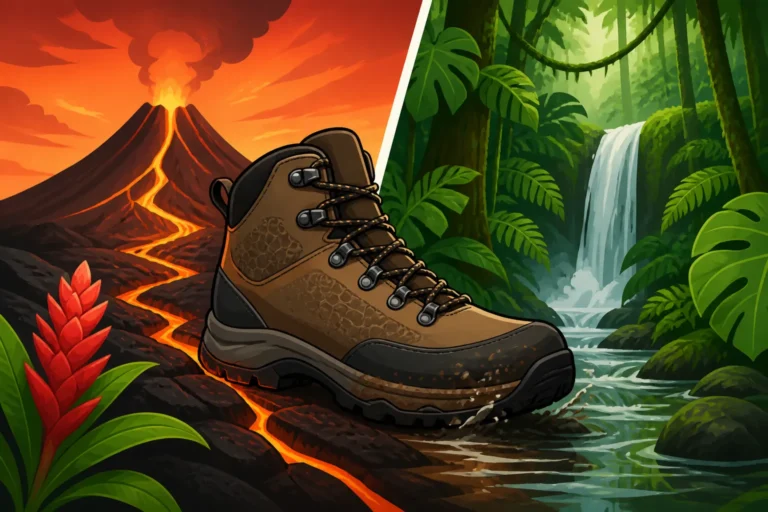
Hawaii's islands, while geographically close, can offer wildly different hunting terrains. You might be climbing the rocky, dry, and often scorching slopes of a leeward side on one island, then trekking through dense, muddy, and humid rainforest on another. This diversity means your packing strategy needs to be adaptable. You might need heavy-duty boots for lava rock on Hawaii Island, but lightweight, quick-drying boots for a pig hunt in Maui's wet forests. Instead of trying to bring every conceivable item for every scenario, think about modularity. Can your rain gear double as a windbreaker? Can a quick-drying base layer serve in multiple climates? Consolidating your gear not only saves on baggage fees but also simplifies the agricultural inspection process by reducing the number of items that need thorough cleaning. Consider the specific demands of each unit you plan to hunt – for example, how different are the needs for Hunting Molokai's Axis Deer Country versus Hunting Maui's Year-Round Axis Deer Units? Knowing the terrain will dictate your choices.
Shipping Meat and Trophies Inter-Island
So, you've had a successful hunt on one island and now you need to get your hard-earned venison or a trophy skull/cape to your next destination or back to the main island for processing or shipping home. This is where things can get tricky. Local airlines might allow game meat as checked baggage, usually requiring it to be frozen solid and packed in leak-proof coolers. Always confirm cooler size and weight limits with the airline. However, agricultural restrictions are still a major factor. You need to ensure any meat or animal parts are properly field dressed and cleaned of all biological material (blood, tissue, etc.) to prevent the spread of pathogens or pests between islands. This is particularly true for skulls or capes. Often, hunters will process their meat on the island they harvested it, then either ship it inter-island via cargo services (which can be costly but more reliable for larger quantities) or fly with it. For trophies, professional taxidermists often handle the necessary permits and shipping, but if you're doing it yourself, be acutely aware of any declarations or inspections required. The rules around Shipping Game Meat Between Hawaii Islands are very specific, and adhering to them is crucial. It’s not uncommon for hunters to opt for local processing and then ship the meat directly to their final destination from that island, bypassing inter-island transport challenges with the actual game.
Permits, Tags, and Checking In on Different Islands
Just as the landscapes vary, so do the specific administrative requirements for hunting on each Hawaiian island. It's a common misconception that once you have a state hunting license, you're good to go everywhere. While your basic Hawaii hunting license is indeed statewide, the permits, tags, and check-in procedures are often island-specific, and sometimes even unit-specific.
Island-Specific Unit Rules and Seasonal Variations
Each major island – Hawaii Island, Maui, Molokai, Lanai, and Kauai – has its own set of public hunting units, each with distinct seasons, bag limits, and animal populations. What's open on Maui might be closed on Hawaii Island, and the type of game you can pursue might differ. For example, Lanai and Molokai Draw Seasons are often highly anticipated and require special lottery applications well in advance, quite different from the year-round pig hunting available in some units on Oahu or Hawaii Island. Before you even think about inter-island travel, you need to pore over the Department of Land and Natural Resources (DLNR) Division of Forestry and Wildlife (DOFAW) regulations for each island and each unit you intend to hunt. This includes checking maps, understanding boundaries, and noting any specific legal weapons allowed for that area and season. Missing a critical detail here could mean your expensive trip is for nothing because you're out of season or hunting in the wrong place. This is where resources like GoHunt's platform might come in handy for checking regulations and unit information across different islands, if they provide Hawaii data, though always cross-reference with official DOFAW publications.
Using Digital Check-In Systems for Multi-Island Hunts
Hawaii has largely moved to digital check-in and check-out systems for its public hunting units, primarily through the OuterSpatial app. This system is a game-changer for convenience, allowing hunters to register for their hunts, declare their entry and exit from units, and report harvests directly from their smartphones, often even in areas with limited cell service (it caches data). However, for multi-island hunters, this also means staying incredibly organized. You'll need to know which units you're assigned to on which islands, and activate the correct hunt card in the app before entering. While the app streamlines much of the process, it still requires your active participation and understanding of the unit boundaries. If you're switching islands frequently, you'll be checking in and out of different units, potentially for different species, which requires vigilance. It's not uncommon to hear stories of hunters forgetting to check out or checking into the wrong unit in their excitement. This digital system is a vast improvement over paper cards, but it demands attention to detail, especially when managing hunts across diverse islands and units. Always verify your check-in status and harvest reports through the app. For more general information on the system, refer to Checking In and Out of Hawaii Hunting Units.
Logistical Realities: Accommodation, Vehicles, and Time Management
Beyond the specific hunting and firearm logistics, the broader travel components of a multi-island Hawaii hunt present their own unique set of challenges. Thinking through accommodation, transportation on each island, and how you manage your precious time can make or break the experience.
Securing Vehicles and Lodging on Each Island
One of the biggest lessons learned from inter-island hunting is that you cannot assume easy access to vehicles or last-minute lodging. Car rental availability can be extremely limited, especially on smaller islands like Molokai or Lanai, or during peak travel seasons. What's more, many hunting units require a 4×4 vehicle to access, which narrows your rental options even further. You absolutely must book rental vehicles months in advance, specifying any 4×4 needs. Similarly, lodging options vary drastically by island and region. While Oahu and Maui have a plethora of hotels and vacation rentals, a small town on Hawaii Island near a remote hunting unit might only have a handful of B&Bs or camping options. Staying close to your hunting unit minimizes travel time on hunt days, which can be crucial when dealing with early morning starts or late finishes. Researching and securing your lodging and transportation on each island, sometimes for multiple locations within an island, is a non-negotiable part of the planning process. Some hunters even consider utilizing services like BookYourHunt to find guided hunting packages that might include accommodation and transportation, simplifying the multi-island logistics.
The True Cost and Time Investment of Multi-Island Adventures
Let's be realistic: hunting Hawaii's different islands is not a budget trip. Each inter-island flight adds to your overall cost, as do multiple car rentals, separate accommodations, and potentially additional permit/tag fees. When planning, factor in not just the direct costs but also the indirect ones: the extra days needed for travel, buffer time, and settling in on each new island. A "quick hop" between islands can easily eat up half a day with airport transfers, check-in, the flight itself, and then getting to your next rental car and lodging. This means a seven-day trip might only give you three or four actual hunting days if you're trying to hit two or three islands. Be honest with yourself about how much time you truly have and what you want to accomplish. Sometimes, focusing on one island and truly getting to know its units, like Hunting Molokai's Big-Bodied Axis Bucks or Hunting Kauai's Muzzleloader Deer Days, offers a more rewarding and less stressful experience than rushing between multiple destinations. The table below offers a general overview of common logistical considerations for inter-island hunting.
| Aspect | Considerations for Inter-Island Hunting | Best Practice for Hunters |
|---|---|---|
| Firearms | Strict airline policies, county-specific registration nuances, specific hard-case and declaration requirements. | Contact airline and county police well in advance. Arrive early for flights. Ensure firearm is unloaded, locked in a hard case, and declared. Be ready for inspection. See Flying to Hawaii With Firearms. |
| Ammunition | Weight limits (often 11 lbs per passenger), specific packaging requirements (original containers, separate from firearm). | Check airline limits precisely. Pack ammunition in a durable container or original boxes. Do not consolidate loose rounds. |
| Hunting Gear | Agricultural inspections for soil/plant matter, varying terrain needs (boots, rain gear), baggage fees. | Thoroughly clean all gear (especially boots) of mud and organic debris. Pack modularly for diverse climates. Be prepared for baggage fees. |
| Permits/Tags | Statewide license but island/unit-specific tags and seasons. Drawn hunts for certain species/islands (e.g., Lanai Axis Deer). | Study DOFAW regulations for each specific island and unit you intend to hunt. Apply for drawn hunts well in advance. Understand Hawaii's Permit-Tag System Works. |
| Check-in/Check-out | Digital system (OuterSpatial app) required for public land access. Must actively manage multiple unit check-ins/outs if hopping islands. | Ensure OuterSpatial app is downloaded and you understand its functionality. Always check in/out correctly for each unit. Report harvests accurately. |
| Transportation | Limited car rentals, high demand for 4x4s, significant travel time between airport and hunting units. | Book rental vehicles (especially 4x4s) months in advance. Factor in airport transfers and driving time. Consider guided options that include transport. |
| Accommodation | Availability varies greatly by island and region, especially near remote hunting units. | Book lodging well in advance. Choose locations that minimize travel to your hunting grounds. Consider camping where permitted. |
| Meat/Trophy Transport | Strict agricultural rules for inter-island movement. Requires proper field dressing, freezing, and leak-proof packaging. Shipping services available. | Field dress meticulously. Freeze meat solid. Pack in leak-proof coolers. Confirm airline rules for checked game meat. Consider professional processing and shipping directly from the harvest island to your final destination. Read Hawaii Rules on Transporting Game Meat. |
| Time Investment | Each inter-island transfer consumes significant travel time (half-day or more). Requires buffer days. | Be realistic about how many islands/hunts you can fit. Build in buffer days for travel and unexpected delays. Sometimes, less is more for a truly immersive experience. |
Navigating Hawaii's inter-island hunting landscape truly is an adventure in itself. With meticulous planning, a flexible mindset, and a healthy respect for the unique regulations and environmental considerations of each island, your multi-island hunting dream can become a memorable reality.
Disclaimer
This article is for general informational purposes only and does not constitute professional advice. Laws, prices and regulations vary by location and change over time. Consult a qualified professional for guidance on your specific situation.