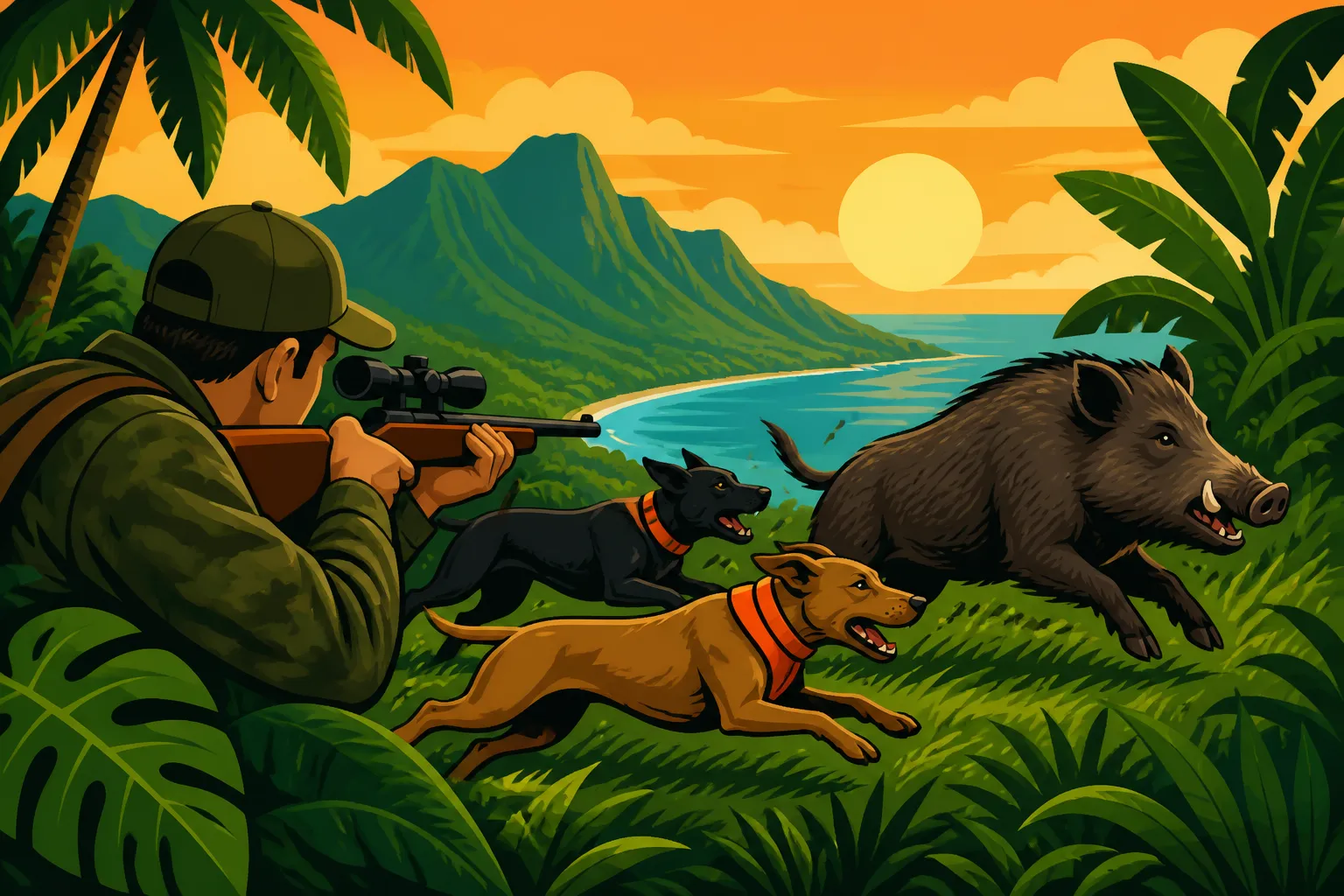
Pig Hunting With Dogs in Hawaii
Hunting wild pigs with dogs in Hawaii isn't just a recreational pursuit; it's a deep dive into an ancient tradition, a physically demanding challenge, and a critical component of local conservation efforts. Many hunters coming to the islands, or even kama'aina (locals) new to this method, feel overwhelmed by the unique terrain, the intense heat, the specific skills required, and the cultural nuances. This comprehensive guide will walk you through every aspect of pig hunting with dogs in Hawaii, helping you understand the animals, prepare your gear and dogs, master the techniques, navigate the regulations, and respectfully engage with this truly Hawaiian hunting experience.
The Unique World of Hawaiian Pig Dog Hunting
There's nothing quite like hunting pigs with dogs in the Hawaiian islands. It's a primal dance, a test of endurance, and a profound connection to the 'aina (land). This isn't your mainland deer hunt; it's a world unto itself, shaped by volcanic landscapes, dense tropical vegetation, and generations of local knowledge.
More Than Just a Hunt: A Cultural Deep Dive
For many, pig hunting with dogs here is less about the trophy and more about perpetuating a vital part of Hawaiian culture. Long before Western contact, the early Polynesians brought pigs to these islands, and they've been a food source and a challenging quarry ever since. The methods evolved over centuries, with the introduction of various dog breeds adding a new dimension. It's common to see multi-generational hunting parties, where kūpuna (elders) pass down knowledge to their keiki (children) and moʻopuna (grandchildren). This isn't just about bagging a pig; it's about spending time with family and friends, teaching respect for the land and the animals, and sharing the bounty of the hunt. There's a strong sense of community, and often, the catch is shared widely among the hunting party and their families, embodying the aloha spirit. Understanding this cultural context is crucial to approaching Hawaiian pig hunting with the right mindset. It’s about being part of something bigger than just yourself.
Understanding the Wild Boar of the Islands
Hawaii's feral pigs are descendants of two primary lineages: the smaller, leaner Polynesian pigs brought by early voyagers and the larger, more robust European wild boars introduced later. These two populations have interbred extensively, creating a diverse mix across the islands. You'll find everything from smaller, reddish-brown pigs in the higher, wetter forests to massive, dark-haired boars with impressive tusks roaming the drier, lower elevations. These pigs are incredibly adaptable, thriving in nearly every habitat, from dense rainforests and steep gulches to open lava fields and agricultural areas. They are omnivores, feeding on roots, fruits, insects, and even carrion, and their rooting behavior can cause significant damage to native ecosystems, making hunting a crucial part of controlling their numbers. Knowing where Hawaii's Feral Pigs, Island by Island prefer to root and bed down can give you a significant advantage. They often use thick brush for cover during the day, emerging at dawn and dusk to feed, though in areas with heavy hunting pressure, they can become almost entirely nocturnal.
Why Dogs Are Essential in Hawaii's Terrain
Hawaii's hunting terrain is famously brutal. Imagine navigating dense jungles of strawberry guava, uluhe fern, and kiawe thorns, all while battling intense heat and humidity, and often, steep, uneven volcanic ground. This is not open country where you can glass for miles. Visibility can be limited to mere feet, making still-hunting an arduous and often frustrating endeavor. This is where dogs become not just helpful, but absolutely essential. Their keen sense of smell and their ability to push through impenetrable tangles allows them to locate pigs that a human hunter would walk right past. The dogs track, bay, and hold the pig in place, allowing the hunter to close the distance for a quick, ethical take. Without dogs, successfully finding and dispatching a pig in many of Hawaii's units would be nearly impossible. They cover ground much faster and more efficiently, turning a needle-in-a-haystack search into a focused pursuit.
Essential Gear and Canine Companions
A successful pig hunt with dogs in Hawaii hinges on two things: well-trained, properly equipped dogs, and a prepared hunter. Both need specialized gear to navigate the demanding environment and ensure a safe, effective hunt.
The Right Dogs for the Job: Bay and Catch
In the world of Hawaiian pig hunting, dogs typically fall into two categories: bay dogs and catch dogs. A well-rounded hunting team often includes both.
- Bay Dogs: These are the scent hounds of the operation. Their job is to track the pig, locate it, and then "bay" it – meaning they bark and circle the pig, keeping it in one spot without making physical contact. Breeds commonly used as bay dogs include various curs, Catahoulas, and Black Mouth Curs, known for their strong noses, endurance, and vocal nature. A good bay dog needs to be agile, intelligent, and have the drive to push through thick cover while maintaining a safe distance from a potentially dangerous boar. They're the early warning system, letting the hunter know where the pig is and keeping it stationary until arrival.
- Catch Dogs: Once the bay dogs have the pig held, the catch dogs move in to secure the animal. These dogs typically grab the pig by the ear or neck, holding it firmly so the hunter can move in to dispatch it. Catch dogs need immense strength, courage, and a powerful bite. Breeds like Pit Bulls, American Bulldogs, and various Mastiff crosses are often favored for their physical prowess and tenacity. The catch dog's role is critical, as it minimizes the time the pig is stressed and allows for a safer, more controlled take for the hunter. The best catch dogs are calm but determined, able to hold the pig without unnecessary aggression once it's secured. Many hunters dedicate time to Training Pig Dogs in Hawaii, ensuring they understand their role and work cohesively.
Outfitting Your Hounds for Safety and Success
The dangers inherent in pig hunting mean your dogs need protection and tracking capabilities.
- Cut Vests: A non-negotiable piece of gear for any pig dog in Hawaii. These heavy-duty vests, often made of multiple layers of ballistic nylon, Kevlar, or other tough materials, protect the dogs from the tusks of an enraged boar. A pig's tusks can inflict severe, often fatal, wounds, and a good cut vest significantly reduces this risk. Proper fit is crucial; a poorly fitting vest can chafe or be ineffective. Learning about Fitting a Cut Vest on a Catch Dog is essential for your dog's safety and comfort.
- GPS Collars and Tracking Systems: In the dense Hawaiian jungle, a dog can quickly disappear from sight and sound. GPS Collars for Pig Dogs in Thick Cover are invaluable for keeping tabs on your hounds, especially when they're baying a pig deep in a gulch or miles away. Garmin's Alpha or Astro systems are popular choices, allowing you to track your dog's location, speed, and even barking status in real-time on a handheld device. This is not only a safety measure for the dogs but also a strategic tool for the hunter, guiding them directly to the action.
- Bells and Bright Collars: Even with GPS, a loud bell on your dog's collar helps you pinpoint their general location in thick vegetation. Brightly colored collars, often reflective, also aid in visual identification, especially in low light or dense cover.
- Dog First Aid: Accidents happen. Carrying a compact dog first-aid kit with essentials like antiseptic wipes, bandages, clotting powder, and pain relief is crucial. Knowing how to use these items for common hunting injuries can be life-saving for your valued hunting partner.
Hunter's Gear: What to Carry Beyond the Dogs
While the dogs do much of the heavy lifting, the hunter's preparation is equally vital.
- Weapons: When hunting with dogs, the primary weapon is typically a knife or spear. This allows for a close-quarters, precise, and ethical take once the pig is secured by the catch dogs. Some hunters may carry a handgun or a .22 caliber rifle for dispatching, but the traditional and often preferred method in Hawaii when using dogs is a quick, clean kill with a blade. Ensure you understand the Legal Weapons When Hunting Pigs With Dogs for the specific unit you're in.
- Personal First Aid: Just like your dogs, you're at risk. Cuts, scrapes, falls, and dehydration are common. A personal first-aid kit with bandages, antiseptic, pain relievers, and moleskin for blisters is essential.
- Hydration and Food: The Hawaiian heat and humidity, combined with strenuous hiking, mean you'll need plenty of water. Carry a hydration pack or multiple water bottles. Electrolyte supplements are also a good idea. Pack high-energy snacks or a light lunch.
- Navigation: While GPS collars track your dogs, you need to track yourself! A reliable GPS unit (like a Garmin handheld) or a robust hunting app like GoHunt or OuterSpatial on your phone, loaded with unit maps and satellite imagery, is crucial for staying found in dense, featureless terrain. Cell service is often nonexistent in remote hunting areas, so don't rely solely on your phone.
- Communication: A whistle for calling dogs, and if hunting with a partner, two-way radios can be invaluable.
- Headlamp/Flashlight: Hunts often extend into twilight, or you might be making your way out in the dark. A reliable headlamp keeps your hands free.
- Appropriate Clothing: Long pants and long-sleeved shirts are a must to protect against thorns, sharp lava rock, and insects. Lightweight, quick-drying materials are best for the humid conditions. Sturdy, broken-in boots with good ankle support and aggressive tread are non-negotiable for navigating steep, slippery, or rocky terrain. Consider gaiters to keep debris out of your boots.
- Backpack: A comfortable, durable pack to carry all your gear, plus enough space for a portion of the pig meat on the way out.
Strategies and Techniques in Diverse Hawaiian Landscapes
Successfully hunting pigs with dogs in Hawaii requires more than just releasing your hounds. It demands keen observation, strategic dog handling, and a deep understanding of the unique environments where pigs thrive.
Scouting and Locating Pigs Before the Chase
Even with the best dogs, a little pre-hunt scouting goes a long way. Pigs leave distinct signs, and learning to read them can significantly increase your success rate.
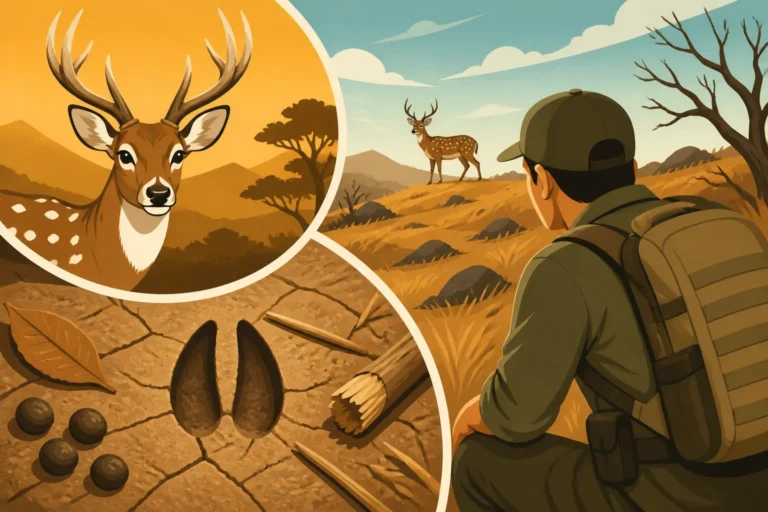
- Reading Pig Sign Along a Muddy Trail: Look for fresh tracks, especially in muddy areas near water sources or along game trails. Pig tracks are generally cloven, similar to deer but rounder, and often show the dewclaws. Look for signs of recent activity: fresh rooting where pigs have dug for tubers or insects, rubbed trees where boars have marked their territory or scratched themselves, and wallows – muddy depressions where pigs cool off and rid themselves of parasites. The fresher the sign, the closer the pigs.
- Understanding Pig Movement Patterns: Pigs often have preferred travel corridors, especially where thick cover meets open areas or along the edges of agricultural fields. They’ll use natural features like gulches and ridges to move between bedding and feeding areas. In the dry leeward areas, pigs will often congregate around any available water source. In the wet windward forests, they may spread out more, but still favor areas with abundant food sources like guava or fallen fruit. Observing these patterns through trail cameras or repeated scouting trips can help you narrow down your hunting areas.
- Targeting Specific Habitats: Pigs thrive in a variety of Hawaiian habitats. You might find them in the dense canopy of a eucalyptus plantation, rooting through a coffee farm boundary, or tucked away in a fern gulch at dawn. In agricultural areas, they often raid taro patches or pineapple fields, making those boundaries prime hunting spots. In more remote, wilder units, they'll stick to the thickest, most impenetrable parts of the rainforest gulches.
Working Your Dogs in Thick Cover and Steep Gulches
Once you've identified a promising area, the real work begins. Dog handling in Hawaii's challenging terrain is an art form.
- Releasing and Monitoring: Choose your release point strategically, ideally upwind of known pig activity. Release your bay dogs first, allowing them to cast out and pick up scent. Keep a close eye on your GPS tracker. A sudden increase in speed or a change in direction often indicates they're on a hot track. When the bay dogs start barking, signaling they've found and held a pig, that's your cue to move in.
- Navigating the Jungle: Following baying dogs through dense tangles can be incredibly difficult. You'll often be pushing through chest-high ferns, crawling under fallen logs, and battling thorny brush. Stay focused on your GPS unit, but also listen carefully to the dogs' calls. Their barks will guide you, and understanding the nuances of their bay – a steady, consistent bark means they've got the pig held, while a more frantic, moving bark might mean the pig is trying to break away. This requires immense physical exertion; remember to stay hydrated and take short breaks if needed.
- Communication and Dog Control: You need to be able to communicate with your dogs, even from a distance. A whistle can be effective for calling them back or directing them. The goal is to let the bay dogs work the pig, but if they get too close or the pig attempts to charge, you might need to intervene or call them off temporarily. Only bring in the catch dogs when you are close enough to quickly close the distance to the bay.
Approaching the Bay and Making the Take
The moments leading up to the dispatch are critical for both hunter and dogs. Safety and ethical considerations are paramount.
- The Approach: Once your GPS confirms the dogs are stationary and baying, approach cautiously and quietly. You want to surprise the pig as little as possible to avoid it breaking the bay or charging. Assess the situation: where is the pig positioned? Are the dogs at a safe distance? Is there an escape route for the pig? Often, the pig will be facing the dogs, trying to intimidate them.
- Securing the Animal: This is where the catch dogs come in. If they are not already engaged, you might release them to secure the pig. Their job is to hold the pig firmly, minimizing its movement and giving you a safe window to make the take. The pig will likely be thrashing, grunting, and fighting against the dogs. Stay alert and aware of your surroundings, especially if you're in a steep gulch or on uneven ground.
- Ethical Dispatch: The goal is a swift, humane kill. Using a knife or spear, aim for the heart or vitals. A well-placed thrust will dispatch the animal quickly. This isn't a moment for hesitation. Once the pig is down, ensure it's truly expired before releasing the catch dogs or approaching too closely. Give your dogs praise and attention for a job well done. This entire process, from bay to dispatch, can happen very quickly and is often intense.
Navigating Regulations and Ethical Considerations
Hunting in Hawaii comes with its own set of rules and a deep respect for the land and its resources. Understanding these regulations and practicing ethical hunting is crucial for any pig hunter, especially when using dogs.
Hawaii's Specific Rules for Dog Hunting
The Division of Forestry and Wildlife (DOFAW) manages Hawaii's hunting programs, and their rules can vary by island and even by unit. It's vital to check the most current regulations before heading out. The GoHunt Hawaii platform is an excellent resource for this.
- Permit and License Requirements: You'll need a valid Hawaii hunting license, and often, specific permits for the unit you plan to hunt. Some islands and units have specific seasons for pig hunting with dogs, while others may allow it year-round. Always check for current requirements, which can often be found through the GoHunt system.
- Dog Registration: Some units or areas may require your hunting dogs to be registered with DOFAW or have specific tags. Check if there are limits on the number of dogs you can bring or any vaccination requirements.
- Legal Weapons When Hunting Pigs With Dogs: As mentioned, when actively hunting with dogs, the use of a knife or spear is a common and often preferred method for dispatching the pig at the bay. However, familiarize yourself with specific regulations regarding firearms in dog hunting units. Some areas might restrict rifle use if dogs are present, for safety reasons.
- Unit-Specific Rules: Hawaii's Hunting Units and How They Work often have unique rules. For instance, some units might only allow dog hunting on certain days or during specific seasons. Others might have restrictions on vehicle access or require hunters to check in and out at designated stations. Always confirm the rules for your chosen unit, perhaps by checking with local DOFAW offices or community resources.
Responsible Hunting Practices in a Unique Ecosystem
Hawaii's ecosystem is fragile and unique, making responsible hunting even more critical.
- Minimizing Environmental Impact: Stick to established trails when possible, and pack out everything you pack in – including any trash. Be mindful of sensitive habitats, especially areas undergoing restoration or those with endangered native species. Avoid creating new trails or disturbing archaeological sites.
- Respecting Private Land: Hawaii has a mix of public and private lands, and boundaries can sometimes be unclear in remote areas. Always know where you are. Use apps like GoHunt or onX Hunt to verify property lines. Trespassing is a serious offense, and it can jeopardize access for all hunters. If you plan to hunt on private land, ensure you have explicit, written permission from the landowner.
- Animal Welfare and Ethical Take: The goal of any hunt is a quick, humane death. When using dogs, the intent is to get to the animal as swiftly as possible once it's bayed and secured, minimizing stress and suffering. Ensure your dogs are well-trained to bay and hold without excessive injury to the pig. This approach reflects respect for the animal and the hunting tradition.
Public Land vs. Private Land: Where to Hunt
Access is a major consideration for pig hunters in Hawaii.
- Public Hunting Land in Hawaii: DOFAW manages numerous public hunting units across the islands. These areas are accessible to licensed hunters, but often require permits and adherence to specific unit rules. You might find yourself Hunting Hawaii's Forest Reserves or Game Management Areas. These areas can be challenging due to thick cover, steep terrain, and varying pig populations. Always remember to Check In and Out of Hawaii Hunting Units as required.
- Private Land Opportunities: Many of Hawaii's larger ranches and private landowners offer guided or unguided hunting opportunities for pigs. This often provides more consistent success rates due to managed populations and better access, though it comes with a fee. Outfitters like those found on the Big Island or Maui often have access to vast tracts of private land. If you're looking for a more comfortable or guaranteed experience, a private ranch hunt might be a good option. However, these hunts often prohibit bringing your own dogs, as the outfitters typically provide their own trained teams.
Post-Harvest: From Field to Table
The hunt isn't over when the pig is down. In Hawaii's warm climate, proper field care and extraction are paramount to ensure you get quality meat from your hard-earned harvest.
Field Dressing and Cooling in Hawaii's Heat
Hawaii's tropical climate is unforgiving when it comes to game meat. High temperatures and humidity mean you need to act fast.
- Immediate Field Dressing: As soon as the pig is down and safely dispatched, begin field dressing. Remove the entrails quickly to allow the carcass to begin cooling. This means skinning and gutting are often done right on the spot. Make precise cuts and work efficiently. The sooner you get the guts out, the better the meat quality will be. Pay particular attention to hygiene; wild pigs can carry diseases like leptospirosis, so wearing gloves is advisable, and washing hands thoroughly afterward is a must.
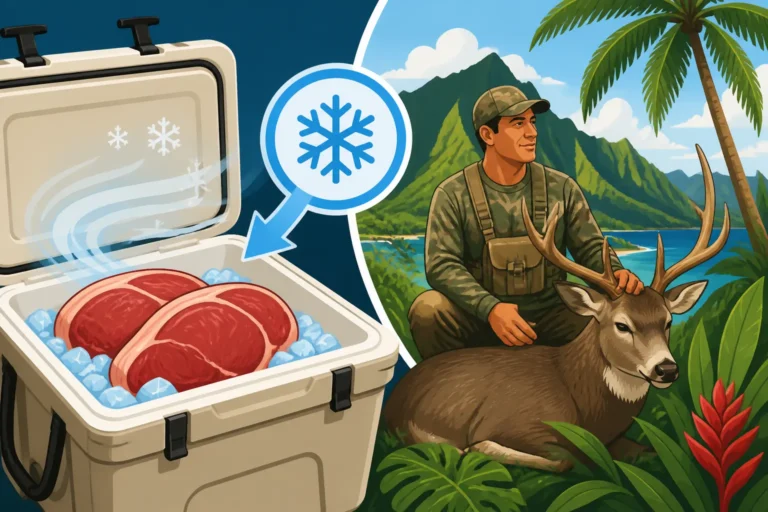
- Cooling Meat Fast on a Hawaii Hunt: Once field dressed, the goal is to get the meat cooled down as rapidly as possible. If you're close to your vehicle and have coolers packed with ice, quarter the animal and get it into the ice immediately. If you're deep in the jungle, this becomes a major challenge. Some hunters will bone out the meat and place it in game bags, then seek out any available shade or even a cool stream to temporarily lower the temperature before packing it out. Every minute counts in preventing spoilage. This is a critical step in Field Care in Hawaii's Heat and Humidity.
The Journey Out: Getting the Pig Out of the Wild
Extracting a downed pig from Hawaii's rugged terrain is often the most physically demanding part of the hunt.
- Challenges of the Terrain: Whether you're in a steep, muddy gulch in a rainforest or crossing jagged lava flows, getting a full pig out is an immense effort. Many hunters will quarter the animal, bagging the meat in sturdy game bags to distribute the load among the hunting party. A single hunter might need to make multiple trips or bone out the entire carcass to lighten the load.
- Packing Meat Out of a Hawaii Gulch: If you've managed to bay a pig at the bottom of a steep gulch, you're in for a workout. Negotiating slippery slopes, dense vegetation, and loose rock with a heavy load on your back is no joke. Using good quality backpacks with strong frames, and perhaps a packing frame if you're carrying large cuts, is essential. Take your time, watch your footing, and communicate constantly with your hunting partners.
- Vehicle Access and Long Walks: Some units offer limited vehicle access, allowing you to get closer to your downed animal. However, many areas require extensive hiking. Knowing the access roads (and if they require 4WD) and planning your extraction route beforehand is crucial. A hunt often begins with a long walk in and ends with an even longer, heavier walk out.
Processing and Enjoying Your Hawaiian Harvest
Once the meat is out of the field, the final steps involve processing and preparing it for the table.
- Butchering and Preparation: Many local hunters process their own pigs, breaking down the carcass into various cuts. Pig meat is incredibly versatile, suitable for roasts, chops, sausages, and ground meat. Consider preparing some local favorites like Kalua Pig (slow-cooked underground), which is a staple at luaus.
- Local Traditions and Recipes: Hawaiian pig hunting is deeply intertwined with local food culture. Don't be afraid to experiment with local seasonings and cooking methods. Smoking, slow-roasting, and stewing are popular ways to prepare wild boar. Sharing the meat with family, friends, and even those who helped with the hunt is a cherished tradition.
- Shipping Meat Between Islands or Home: If you're a nonresident hunter, or even a resident traveling between islands, understand the rules for transporting game meat. Typically, meat must be inspected, properly packaged, and often frozen for inter-island or mainland travel. Check with airlines and agricultural authorities for specific requirements on Flying Home With Game Meat From Hawaii. This ensures compliance and prevents the spread of agricultural pests or diseases.
Disclaimer
Hunting in Hawaii carries inherent risks. This guide is for informational purposes only and does not substitute for careful preparation, adherence to all local, state, and federal regulations, and responsible hunting practices. Always prioritize safety, respect the land, and ensure you have the necessary licenses and permits before engaging in any hunting activity. Seasons, regulations, and access can change, so always consult the latest information from the Hawaii Department of Land and Natural Resources (DLNR) Division of Forestry and Wildlife (DOFAW) or GoHunt Hawaii before your hunt.