Hunting Molokai’s Big-Bodied Axis Bucks
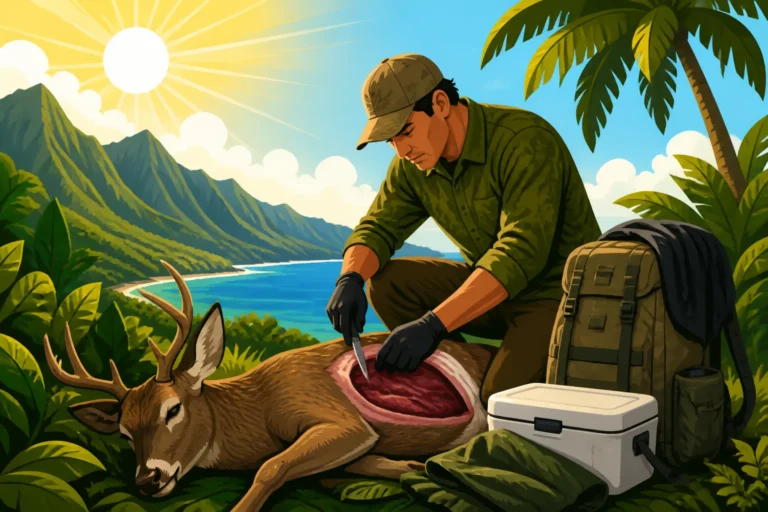
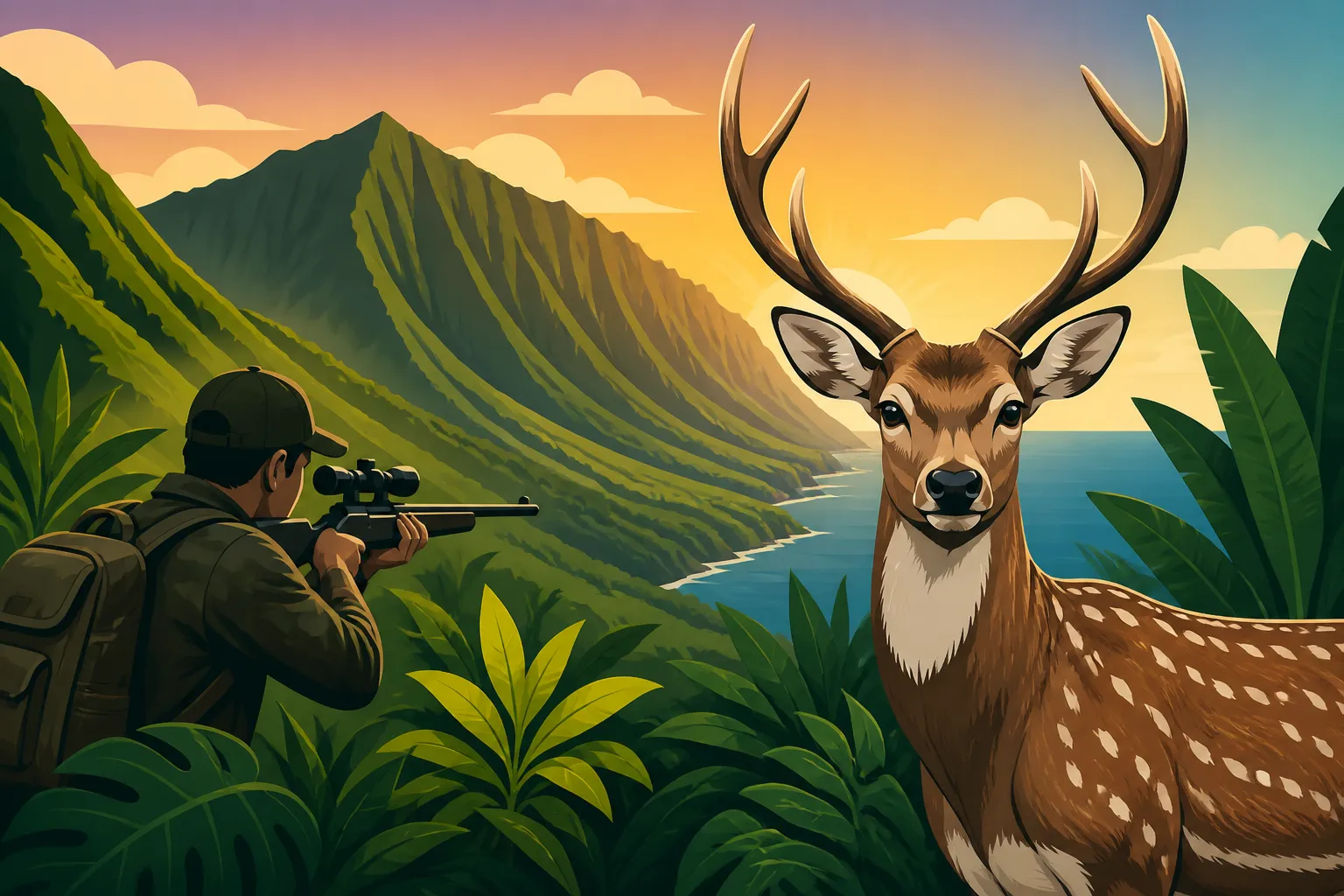
The dream of hunting Hawaii often conjures images of endless beaches and lush rainforests, but for many serious hunters, it’s the pursuit of an elusive, trophy-caliber Axis deer that truly ignites their passion. Yet, so many hunters feel frustrated trying to pinpoint where to find those truly impressive, big-bodied Axis bucks, especially on islands known for more modest populations. If you’ve heard whispers of Molokai holding some of the biggest Axis deer in the state, you’re not wrong, but getting one in your sights is a whole different ballgame. This guide is dedicated to unraveling the secrets of hunting Molokai's big-bodied Axis bucks, diving deep into what makes them special, where they live, and the tactics you’ll need to put your tag on one.
The Allure of Molokai's Big-Bodied Axis Bucks
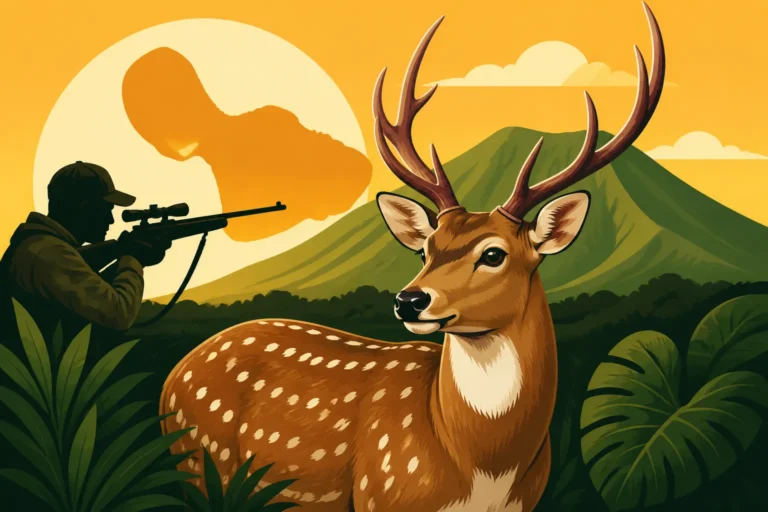
Molokai holds a special place in the hearts of hunters who appreciate a true challenge and the potential for a exceptional trophy. While islands like Maui are often praised for their sheer numbers of Axis deer, Molokai has a reputation for producing bucks that simply carry more mass, both in their body size and antler development. It's a subtle but significant difference that dedicated Axis deer hunters actively seek out, often after experiencing hunts on other islands.
The Molokai Advantage: Genetics, Nutrition, and Isolation
So, what exactly is it about Molokai that allows its Axis deer to reach such impressive proportions? It’s a confluence of factors, really. Firstly, there’s likely a strong genetic component at play. Just like any wild game population, certain herds in certain areas develop distinct traits over generations. The Axis deer on Molokai, having been introduced decades ago, have adapted to their specific island environment, and some argue this includes a predisposition for larger frames and more robust antler growth.
Secondly, nutrition is paramount. Molokai offers a varied landscape with rich forage, particularly on the private ranches and less-pressured areas. While parts of the island can be quite dry, especially on the leeward side, the deer here are incredibly adept at finding the best browse and forbs. When rainfall is good, and feed is abundant, these animals have the opportunity to pack on weight and divert essential nutrients to antler development, especially in the crucial months leading up to and during the rut. This often translates to heavier beams, longer tines, and overall more impressive racks compared to deer in more crowded or over-browsed areas.
Lastly, isolation and hunting pressure play a role. While public hunting opportunities exist on Molokai, they are often more limited and less accessible than on some other islands. This can mean that certain bucks on private lands, or in remote, harder-to-reach public sections, simply live longer, avoiding hunter encounters year after year. More years translate to more opportunities for growth, leading to those truly "big-bodied" and heavily antlered animals that are the stuff of legend. Hunters on Molokai often speak of a different caliber of animal, an experience that transcends mere numbers.
Dispelling the Myth: It's Not Just Lanai
It's easy to get caught up in the hype surrounding Lanai's famous Axis deer draw, and don't get me wrong, Lanai produces some fantastic deer. However, to overlook Molokai would be a mistake for anyone truly pursuing a top-tier Axis buck. While Lanai's draw hunts are sought after for their high success rates and the chance at a mature buck, Molokai often offers a different kind of prize: sheer size and body weight.
Many hunters, myself included, have spent years on Lanai, seeing incredible deer. But then you hear stories from Molokai, or see photos, and the difference in body mass is often striking. It’s not just about antler inches; it’s about the whole animal. A Molokai buck can often appear bulkier, more robust, and simply carry more meat, which is a significant factor for those focused on both trophy and table fare. If you're hunting Molokai's Big-Bodied Axis Bucks, you're hunting for a different characteristic, one that Molokai seems to excel at producing. This distinction is vital for setting your expectations and tailoring your hunt plan.
Understanding Molokai's Unique Terrain and Habitats
Molokai, often called "The Friendly Isle," is a mosaic of landscapes, each presenting its own challenges and opportunities for the Axis deer hunter. From arid plains to dense, wet gulches, understanding these environments is crucial to locating and successfully hunting its big-bodied bucks. The island's topography directly influences where deer feed, bed, and travel, making local knowledge or diligent scouting absolutely essential.
The Leeward Side: Dry Flats and Kiawe Forests
The western, leeward side of Molokai is typically much drier, characterized by expansive open flats, rolling hills, and dense stands of kiawe (mesquite) trees. This is classic Axis deer country, as these animals thrive in drier, open environments where they can utilize their keen eyesight and hearing. The kiawe forests provide excellent cover, especially during the heat of the day, and the pods from the kiawe trees offer a seasonal, high-protein food source that Axis deer absolutely crave.
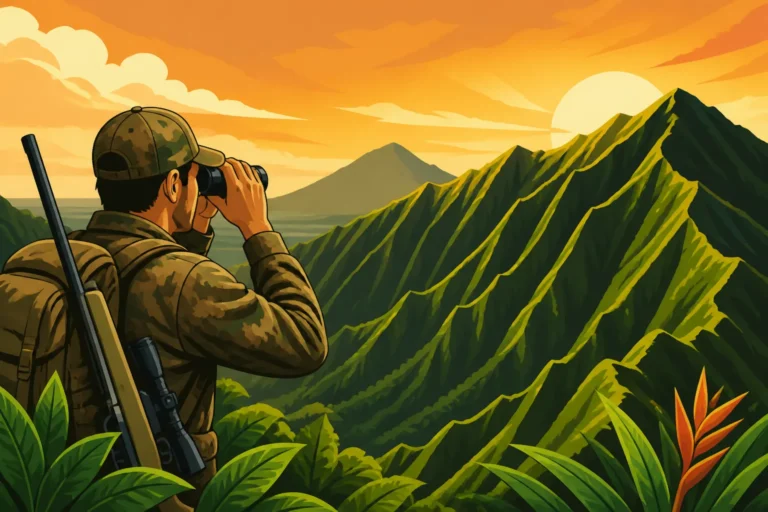
Hunting here often involves extensive glassing from elevated positions, patiently scanning for movement. Deer will often be found browsing the edges of these kiawe thickets or moving between them and more open pastures at first light and last light. Water sources, even small seeps or stock ponds, become magnets for deer in these arid zones, especially during prolonged dry spells. Learning to identify their trails, bedding areas, and feeding patterns in these areas is key. It's not uncommon to find a mature buck bedded down deep in a kiawe flat, blending in perfectly with the shadows and thorns. Success on the leeward side often hinges on early morning and late evening hunts, when the deer are most active and visible. If you're looking for an exceptional challenge, consider how to adapt your strategy for hunting Hawaii's Dry Kiawe Forest.
The Windward Side: Gulches and Dense Cover
In stark contrast, Molokai's eastern, windward side is a dramatic landscape of steep, rainforest-clad mountains dropping into deep, verdant gulches. This area receives significantly more rainfall and is characterized by thick, often impenetrable vegetation. While not as traditionally "Axis habitat" as the leeward side, mature bucks will certainly utilize these areas for escape and security, especially if pressured.
Hunting the windward side means embracing patience and stealth. You won't be glassing vast open spaces here. Instead, it’s a game of still-hunting, slow methodical movements, and careful observation of every detail. The deer here are masters of concealment, often holding tight in the dense undergrowth. Access can be difficult, with steep, muddy trails and thick tangles of guava, ginger, and other invasive species. Finding well-used game trails or water sources deep in these gulches can be productive, but be prepared for a physically demanding hunt. Tracking skills become invaluable, and understanding how Axis deer navigate these complex environments is crucial. Sometimes, the bigger bucks seek out these inaccessible areas precisely because they offer refuge from human disturbance.
Effective Hunting Tactics for Molokai Axis Deer
Successfully hunting Molokai’s big-bodied Axis bucks requires a blend of traditional hunting wisdom and island-specific adaptations. These animals are incredibly wary, and their environment provides ample opportunity for them to disappear in an instant. Patience, preparation, and a keen understanding of their behavior are your most valuable assets.
Spot-and-Stalk in Molokai's Open Country
For many, the quintessential Hawaii Axis deer hunt is a spot-and-stalk affair, and Molokai's leeward side offers prime opportunities for this. The key is finding a good vantage point – a ridge, a high knoll – from which to glass large swaths of terrain at dawn and dusk. Quality optics are non-negotiable here. A good pair of 10x binoculars and a reliable spotting scope (20-60x or higher) will allow you to pick apart distant hillsides and kiawe edges.
Once you spot a buck, especially one that fits the "big-bodied" description, the real work begins. Plan your approach meticulously, always keeping the wind in your favor. Molokai's thermals can be tricky, often shifting as the day heats up or cools down, so pay close attention to indicators like swaying grass or even just the feel of the breeze on your neck. Use topography to your advantage, staying out of sight behind ridges, in gullies, or within sparse kiawe groves. An approach that might work on a flat, open field on the mainland will likely fail here. You'll need to use every piece of cover available. It’s a game of inches, often requiring long crawls or circuitous routes to get within shooting range. This is where insights from articles like Spot-and-Stalk Tactics on Open Country can really sharpen your skills.
Targeting Water Sources and Feed Areas
In Molokai's drier regions, understanding and utilizing water sources is a game-changer. Axis deer, especially during dry spells, are incredibly dependent on consistent access to water. This might be a natural spring, a hidden seep, or a ranch stock pond. Identifying these vital locations on a map or through scouting, and then setting up an observation point nearby, can significantly increase your chances of intercepting a traveling buck.
Similarly, specific feed areas, beyond just general browsing, can be highly productive. As mentioned, kiawe pods are a major draw when they're falling. Scouting for fresh tracks, droppings, or signs of recent feeding around these trees is a strong indicator of deer activity. Other areas might include newly sprouted grasses after rain, or agricultural fields on private land where deer might sneak in at night. The timing of the hunt around these resources is critical; deer will typically visit water early in the morning or late in the evening when temperatures are cooler. Knowing when to be patient and quietly wait near a Hunting a Water Source in Dry Hawaii Country is an essential Molokai tactic.
Reading Sign and Anticipating Movement
Molokai's big-bodied Axis bucks don't just wander aimlessly. They are creatures of habit, especially the older, wiser animals. Learning to read the subtle language of the forest and dry country is paramount. Look for fresh tracks, not just any tracks, but larger, deeper prints that indicate a mature animal. Follow these trails to see where they lead – often to bedding areas in dense cover, or between feeding grounds and water.
Rubs on trees, especially larger ones, can indicate a buck's presence and its approximate size. The height and diameter of the rub can tell you a lot. Scrapes, while not as pronounced as with whitetails, also provide clues to breeding activity. Pay attention to how the deer are moving relative to the wind and thermals. Are they traveling into the wind as they feed? Are they heading uphill as the day warms up, seeking cooler air and higher vantage points? Understanding these patterns will allow you to anticipate their movements, setting yourself up for an ambush or a more successful stalk. For more on this, consider Reading Axis Deer Sign in Dry Country.
Navigating Logistics and Regulations
Molokai offers a unique hunting experience, but it’s not without its logistical hurdles. Understanding the regulations, permit systems, and access challenges is just as important as knowing your hunting tactics. Proper preparation on this front will ensure your hunt is not only successful but also legal and stress-free.
Public vs. Private Land Access
Molokai offers both public and private land hunting opportunities for Axis deer, and each comes with its own set of considerations.
Public Land Hunting: The public hunting units on Molokai, often managed by the Hawaii Department of Land and Natural Resources (DLNR) Division of Forestry and Wildlife (DOFAW), provide access for residents and non-residents alike. These units require a valid Hawaii hunting license and, for Axis deer, a specific permit-tag. You'll need to check the current regulations carefully, as seasons, bag limits, and specific unit rules can change. You can often find detailed maps and regulations on the DOFAW website or through the GoHunt platform, which is an excellent resource for staying up-to-date on Hawaii's hunting landscape.
Public land can be more challenging due to increased pressure and often rougher, less developed terrain. Access might require significant hiking, and finding those truly big bucks may mean venturing far from roads and common entry points. Being familiar with Hunting Molokai's Public Reserve Land is crucial for a DIY trip.
Private Land Hunting: Many of Molokai's largest and most impressive Axis bucks are found on private ranches. These operations often offer guided hunts, providing access to prime habitat, experienced guides, and sometimes accommodations. While more expensive, a private land hunt can significantly increase your chances of encountering a trophy-class animal and simplify the logistical burden, especially for non-resident hunters. Guides on Molokai often have extensive knowledge of the deer's movements on their specific properties and can navigate the terrain with efficiency. Private landowners often manage their herds, which can lead to better trophy potential. For those looking for an excellent Molokai Permit-Tag Requirements are handled differently on private land.
Essential Gear and Preparations
Molokai's terrain and climate demand specific gear and a good level of physical fitness. Don't underestimate the physical challenge, especially if you plan to cover significant ground on public land.
Footwear: Sturdy, broken-in hiking boots with good ankle support and aggressive tread are non-negotiable. You’ll encounter everything from jagged lava rock and loose scree to muddy trails and dense undergrowth.
Clothing: Layering is key. Even in Hawaii, mornings can be cool, especially at higher elevations, but the sun quickly turns up the heat. Moisture-wicking base layers, durable pants, and a good waterproof/windproof outer shell are essential. Blaze orange requirements apply in certain areas and seasons, so always check current regulations for Hawaii Blaze Orange and Safety Rules.
Optics: As discussed, quality binoculars and a spotting scope are critical for glassing Molokai's open areas.
Hydration and Food: Always carry more water than you think you’ll need. Dehydration can set in quickly in the tropical heat. High-energy snacks are also a must.
Navigation: A reliable GPS device or a smartphone app with downloaded maps (like OuterSpatial or onX Hunt) is invaluable, especially in areas with poor cell service. Know how to Staying Found in Dense Hawaii Rainforest and navigate remote areas.
First Aid and Emergency Gear: A well-stocked first-aid kit, a headlamp, emergency shelter, and a means of signaling for help are crucial, particularly if you're venturing into remote gulches or far from established trails.
Firearms: If you're bringing your own rifle, ensure it meets Hawaii's legal caliber requirements for big game. Common calibers like .270, .30-06, and .308 are popular and effective for Axis deer. You’ll need to understand Hawaii's Legal Rifle Calibers for Big Game and comply with all state and federal regulations for transporting firearms to and within the islands. Many hunters choose to rent a rifle from a guide if hunting private land, simplifying travel logistics.
Table: Molokai Axis Deer Hunt Considerations
| Aspect | Public Land Hunt | Private Land / Guided Hunt |
|---|---|---|
| Access | Requires DLNR permits, often challenging terrain. | Arranged by outfitter/landowner, specific units. |
| Cost | License/tag fees, personal gear, travel. | Significantly higher: guide fees, trespass fees. |
| Physical Demand | High, often requires extensive hiking and endurance. | Moderate to high, depending on outfitter's style. |
| Trophy Potential | Good, but often requires more effort and luck. | Excellent, often managed for quality deer. |
| Logistics | All DIY: permits, scouting, field care. | Simplified: guide handles permits, field care, etc. |
| Success Rate | Lower, highly dependent on hunter skill and effort. | Higher, with experienced guides and prime habitat. |
| Gear Required | Full personal hunting kit, navigation, first aid. | May rent rifle, basic personal gear. |
| Flexibility | More freedom in planning, but strict unit rules. | Less flexibility, follows guide's plan. |
Remember, hunting Molokai's big-bodied Axis bucks is not just a hunt; it's an adventure. The island demands respect, and those who approach it with humility, preparation, and a willingness to work hard are often the ones rewarded with an experience and a trophy of a lifetime. Always ensure you are familiar with the Checking In and Out of Hawaii Hunting Units procedures, as this is a critical regulatory step.
Disclaimer
Hunting is an inherently dangerous activity. The information provided in this article is for educational and informational purposes only and does not constitute professional advice. Always adhere to all local, state, and federal hunting regulations. Ensure you have the proper licenses, permits, and landowner permissions before hunting. Prioritize safety, physical fitness, and ethical hunting practices. The author and publisher are not responsible for any incidents, accidents, or legal issues that may arise from using this information.