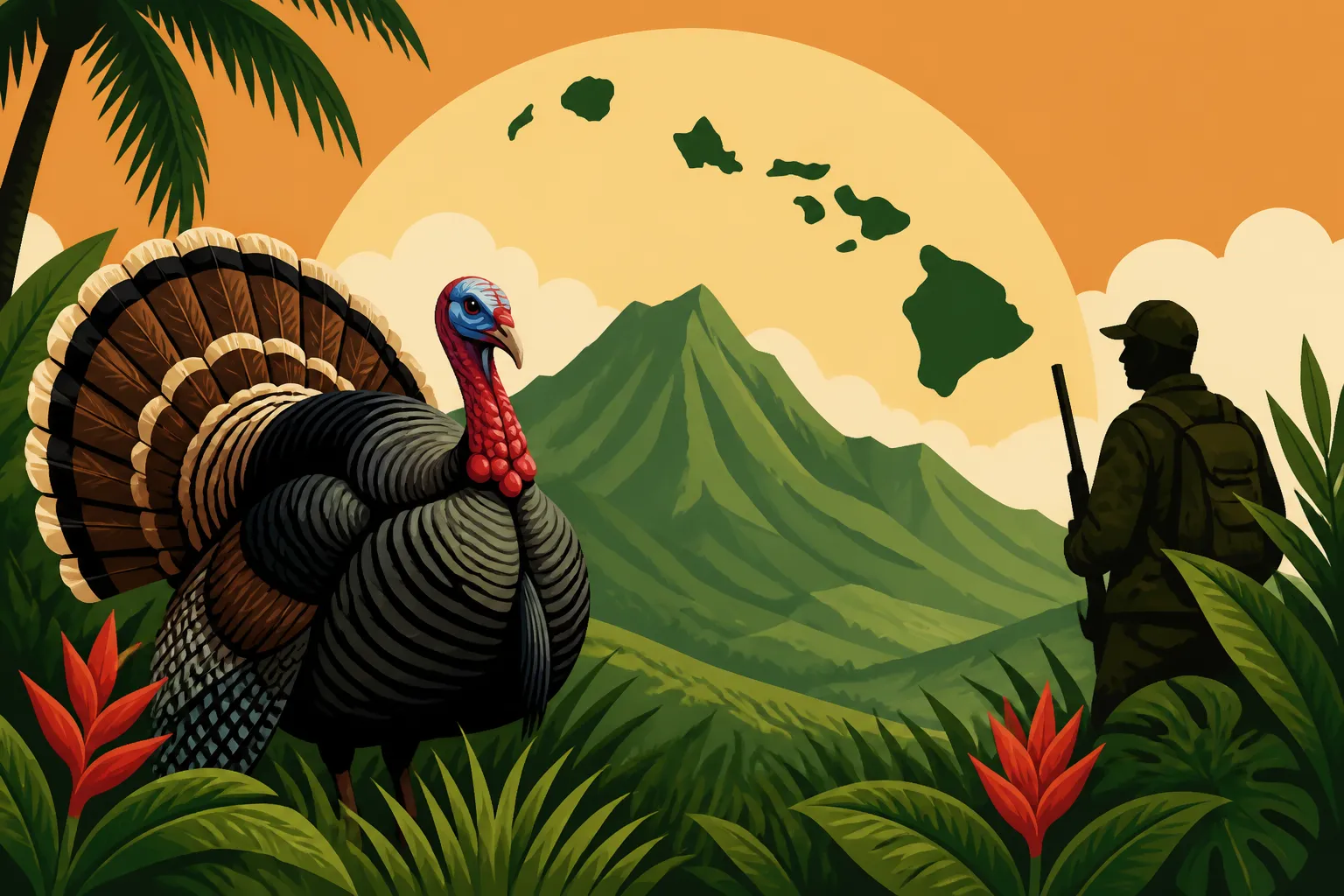
Where Wild Turkey Hunting Stands in Hawaii
It's completely understandable to arrive in Hawaii, gaze at our incredible landscapes, and start envisioning a hunt for all sorts of game, including wild turkeys. After all, these majestic birds thrive in so many diverse environments on the mainland, so why not here? But the reality often hits visiting and even local hunters with a bit of a thud: wild turkey hunting in Hawaii isn't actually a thing. This guide will clarify the current status of these birds, explain why they're not a huntable species here, discuss where they can be found, and, most importantly, highlight the fantastic game bird opportunities that are available to fill that upland hunting itch.
The Current Status of Wild Turkey Hunting in Hawaii
One of the most common questions I get from hunters, especially those visiting from the contiguous United States, is about turkey hunting. They've heard whispers, seen photos of turkeys in Hawaii, and naturally assume it's a possibility. It’s frustrating to learn that a species you know exists isn't fair game, but that's precisely the situation with wild turkeys in our islands.
A Closed Season: The Hard Truth
Let's get straight to it: there is currently no open season for wild turkeys in Hawaii. None. Zero. They are not a legally huntable game species anywhere in the state. I know, it's a bummer, especially for those of us who love the challenge of calling in a gobbler or the thrill of a fall turkey hunt. This isn't just a temporary closure; it's been the long-standing policy, distinguishing Hawaii significantly from most other states where turkey hunting is a cherished tradition.
This fact often catches hunters off guard, particularly when they spot a flock of turkeys strutting through an open pasture on the Big Island or hear a distant gobble while scouting for other game. It creates a natural misconception that if they're here, and they're wild, they must be huntable. Unfortunately, that's not how our unique wildlife management system works for all introduced species. Unlike some of our other game animals, like axis deer or feral pigs, wild turkeys have never been established as a game species with a regulated hunting season. You can learn more about this specific situation by reading our dedicated piece on "Wild Turkeys in Hawaii, an Unhunted Bird".
Why the Closure? Conservation and Numbers
The primary reason behind the closed season for wild turkeys in Hawaii boils down to population numbers and conservation efforts. While pockets of turkeys exist, particularly on Hawaii Island, their overall population is not considered robust or widespread enough by the Division of Forestry and Wildlife (DOFAW) to sustain a hunting season. Wildlife managers here are very cautious with introduced species, especially those whose populations are not firmly established across suitable habitats.
The goal is to ensure the long-term viability of the species, even if it means preventing hunting for now. It’s a delicate balance here, with DOFAW managing both native, endangered species and numerous introduced species, some of which are considered invasive pests (like feral pigs and goats) and others that are managed as game animals. Turkeys fall into a kind of in-between category where they've established themselves but not to a degree that warrants management through public hunting seasons. This careful approach is detailed in further reading on "Why Wild Turkey Is Closed in Hawaii". While it might feel disappointing, it’s a decision rooted in ensuring the future presence of these birds, however limited.
Where Wild Turkeys Roam in the Islands
Despite not being a huntable species, wild turkeys do indeed live in Hawaii. Their presence is a testament to their adaptability and the varied ecosystems our islands offer. However, their distribution is far from uniform, primarily concentrating in specific regions with suitable habitat.
Pockets of Population on the Big Island and Beyond
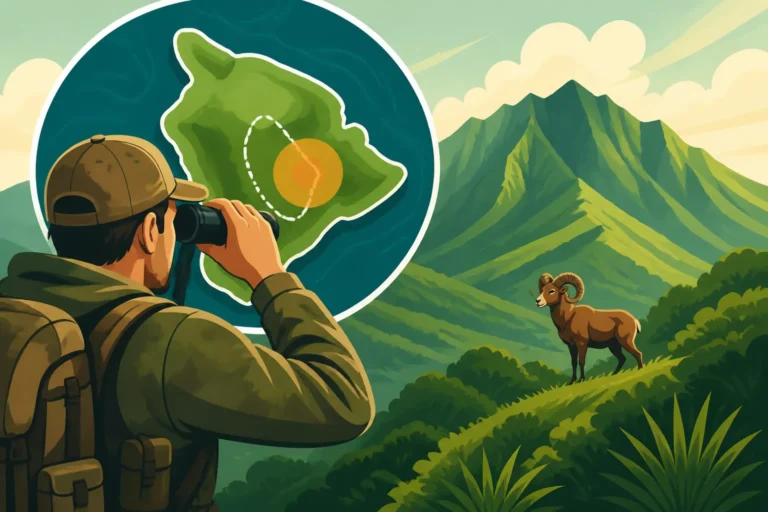
When people talk about wild turkeys in Hawaii, they are almost exclusively referring to the Big Island. This is where the most visible and established populations reside. You'll primarily find them on the slopes of Mauna Kea and Mauna Loa, especially within ranchlands and the transition zones between open pastures and native or introduced forests. Areas like the vast Parker Ranch lands, the Pohakuloa Training Area, and the general upland regions are known to hold turkeys. They often favor habitats that mimic their mainland preferences: open areas for foraging, interspersed with tree cover for roosting. The Mamane-Naio dryland forests are particularly important to them, offering both food and shelter.
While Hawaii Island is their stronghold, there have been occasional sightings and small, isolated populations reported on other islands like Molokai. However, these are generally much smaller, less consistent, and certainly not sufficient to support any kind of hunting opportunity. If you're really curious about their specific locations, our article "Where Hawaii's Wild Turkeys Live" offers a deeper dive into their range. It's a surreal experience to see a Rio Grande turkey flock strutting through volcanic rock and native Hawaiian dry forest, a unique juxtaposition you won't find anywhere else.
Behavior and Habitat: Why They Thrive Where They Do
Hawaii's wild turkeys, largely of the Rio Grande subspecies, are incredibly resourceful. They've adapted to the unique island environment, foraging on a diet that includes native berries, seeds, insects, and agricultural crops found in ranching areas. You'll often see them dusting in dry, open dirt patches, or hear their distinctive gobble echoing across the high-elevation pastures early in the morning.
Their roosting habits are similar to their mainland cousins, preferring tall trees like eucalyptus, koa, or even older, larger kiawe trees where they can escape ground predators like feral cats and mongooses. They tend to stick to areas with a good mix of cover and open ground, allowing them to feed safely while having quick access to shelter. While the terrain can be rugged, with lava flows and steep gulches, turkeys here have learned to navigate it effectively, often moving in small, cohesive flocks. Observing their behavior can be fascinating, even if you can't hunt them. You might even find yourself mimicking a distant gobble, just for the sheer joy of a response, knowing full well you're just enjoying the wildlife.
The Future and Alternatives for Hawaii Hunters
So, if wild turkeys are off the table, what's a hunter to do? It's important to manage expectations, but also to recognize that Hawaii offers a wealth of other challenging and rewarding game bird experiences.
Is a Turkey Season Ever Possible?
The question of whether Hawaii will ever have an open turkey season is one that comes up often. From a management perspective, it would likely require a significant and sustained increase in turkey populations across more widespread areas, coupled with scientific assessment confirming that hunting pressure would be sustainable. It's not impossible, but it's certainly not on the immediate horizon. Hunter interest could certainly play a role in demonstrating the demand for such a season, but ultimately, the biological health of the population is the deciding factor for DOFAW.
For now, the best thing hunters can do is stay informed by regularly checking the official DOFAW website or reliable platforms like GoHunt for any regulatory updates. While changes are rare for a species that's been consistently closed, it's always good practice to verify before making any assumptions. We can hope for a future where conservation efforts allow for a managed turkey season, but until then, our focus needs to shift to the fantastic opportunities that do exist.
Embracing Other Game Bird Opportunities
The good news, my friends, is that Hawaii is absolutely brimming with other incredible upland and migratory game bird hunting opportunities! Don't let the turkey closure overshadow the vibrant and challenging experiences you can have. We have a diverse array of introduced game birds that provide thrilling hunts in breathtaking landscapes.
You're looking at species like:
- Francolin: Erckel's, Gray, and Black Francolin offer fast-flying, challenging targets in diverse habitats from tall grass to dense brush and wet forest edges. Knowing "How Many Francolin You Can Take" is key before heading out.
- Pheasants: Ring-necked and Kalij Pheasants provide classic upland bird hunting experiences, often found in agricultural fields, dense cover, and wet forest areas. For specific limits, check "Pheasant Bag Limits by Species".
- Chukar Partridge: These birds are a true test of stamina, thriving in the dry, rocky, high-elevation terrain of the Big Island, demanding steep hikes and sharp shooting. Don't forget to review "The Chukar Daily Bag Limit".
- Quail: California and Japanese Quail are quick, explosive flyers found in dry uplands and open pastures.
- Doves: Spotted and Barred Doves offer excellent wing-shooting opportunities, especially around agricultural fields and water sources. Our guide on "Dove and Quail Daily Bag Limits" covers these.
These birds provide excellent sport, require good fieldcraft, and allow you to explore some of Hawaii's most beautiful and rugged public hunting units. You can find comprehensive information on how to pursue these species in our "Hawaii Game Bird Hunting" guide and learn about their habitats in "Hawaii's Game Birds and Where to Find Them". Understanding the seasonal nuances is critical, as discussed in "Hawaii Game Bird Seasons and Bag Limits" and "Hunting Hawaii's Weekend-Only Game Bird Days".
Here's a quick comparison of available game birds versus the current turkey situation:
| Feature | Wild Turkey | Francolin | Pheasant | Chukar Partridge | Quail | Doves |
|---|---|---|---|---|---|---|
| Huntable in HI? | No | Yes | Yes | Yes | Yes | Yes |
| Primary Islands | HI (some Molokai) | All major islands | HI, Maui | HI | HI, Maui | All major islands |
| Typical Habitat | Open forest, ranch | Varied: grass, brush | Fields, wet forest | Dry, rocky uplands | Dry uplands | Farm fields, open |
| Season Availability | Closed | Open (seasonal) | Open (seasonal) | Open (seasonal) | Open (seasonal) | Open (seasonal) |
| Management Focus | Conservation | Game species | Game species | Game species | Game species | Game species |
| General Challenge Level | N/A | Moderate to High | Moderate | High (terrain) | Moderate | Moderate |
Planning a Diverse Hawaii Hunt
The best way to approach hunting in Hawaii is to embrace the full spectrum of what's available. Instead of focusing on what you can't hunt, let's get excited about what you can! Many hunters combine a thrilling upland bird hunt with a pursuit for larger game like feral pigs, goats, axis deer, or mouflon sheep. Imagine spending your morning walking up francolin or pheasants in a misty forest, then transitioning to scouting for pig sign in a gulch in the afternoon.
Successful hunting in Hawaii, particularly for game birds, requires thorough research into specific units, seasons, and legal requirements. This includes understanding "Hawaii Hunting Licenses and What They Cost" and how our unique permit-tag system works. Resources like the official DOFAW website and reliable platforms such as GoHunt are invaluable for current regulations, unit maps, and check-in procedures. They help ensure you’re always hunting legally and ethically. By doing your homework, you can tailor an unforgettable hunting adventure that celebrates the unique challenges and rewards our beautiful islands have to offer.
Disclaimer
Please remember that hunting regulations in Hawaii can change. Always consult the official Hawaii Department of Land and Natural Resources (DLNR) Division of Forestry and Wildlife (DOFAW) website or the GoHunt Hawaii platform for the most current rules, seasons, and unit information before planning any hunt. This article is for informational purposes only and should not be considered a substitute for official legal guidance.