Hawaii Dog Hunting Rules
Hunting with dogs in Hawaii is an experience unlike any other, deeply rooted in the islands' culture and necessity. But for newcomers, or even seasoned hunters from the mainland, navigating the specific rules and regulations can feel like trying to find your way through a dense guava thicket without a map. It’s a common frustration to want to pursue Hawaii’s prolific feral pigs with the aid of dogs, only to be bogged down by complex or seemingly obscure mandates. This comprehensive guide aims to cut through that confusion, breaking down everything you need to know about Hawaii's dog hunting rules, from dog registration to legal weapons and island-specific nuances, ensuring you're prepared for a safe, legal, and respectful hunt.
The Unique World of Dog Hunting in Hawaii
When you talk about hunting in Hawaii, especially for feral pigs, you're almost certainly talking about hunting with dogs. It's not just a preference; it's often a practical necessity born from the challenging terrain and the elusive nature of the animals themselves.
The Role of Dogs in Island Hunting Culture
Hawaii’s landscapes are wild, rugged, and often incredibly dense. Picture steep gulches choked with thick, tangled vegetation like hau bush, guava, and invasive ferns, or lava fields with hidden pockets of cover. In such environments, traditional spot-and-stalk rifle hunting can be frustratingly ineffective. This is where dogs shine. They possess the ability to track through the thickest cover, root out pigs that would otherwise remain hidden, and bay them up, allowing the hunter to approach. It’s a testament to their skill and courage, and it's why the tradition of hunting pigs with dogs runs so deep in the local hunting community. It's more than just a method; it’s a cultural practice passed down through generations, a bond between hunter and dog forged in the challenging island wilderness. Many local families rely on wild pork as a staple, and dogs make accessing that resource possible.
Understanding Key Regulatory Agencies and Resources
To navigate Hawaii’s hunting scene, you need to know who sets the rules. The primary authority is the State of Hawaii Department of Land and Natural Resources (DLNR), specifically its Division of Forestry and Wildlife (DOFAW). They are the ones who manage public hunting lands, set seasons, and enforce regulations across all the islands. Getting familiar with their website and publications is crucial.
For up-to-the-minute information and to handle essential permits and check-ins, the GoHunt Hawaii portal is your best friend. This online platform is designed to simplify access to hunting licenses, permit-tags, and unit check-in/out procedures. It's where you'll find the most current unit maps, season dates, and any special announcements that might affect your hunt. Trust me, trying to find all this information scattered elsewhere can be a headache, so centralizing your efforts on GoHunt is a huge time-saver. Always double-check this resource before heading out, as regulations can change due to weather, animal populations, or conservation efforts.
Legal Requirements for Your Canine Companions
Your hunting dogs are more than just tools; they're partners, and just like you, they need to meet specific legal requirements to hunt in Hawaii. Neglecting these can lead to fines, unit closures, or even losing your hunting privileges.
Dog Registration and Identification
While Hawaii doesn't have a statewide "hunting dog registration" akin to a hunter's license, your dogs must still be properly identified and cared for. Many public hunting units, especially those managed by DOFAW, require that all dogs accompanying a hunter wear a collar with the owner's name, address, and phone number clearly legible. This isn't just a good idea; it's a critical safety measure. If your dog gets lost or injured, proper ID is the fastest way to reunite you.
Beyond basic ID, ensure your dogs are up-to-date on all necessary vaccinations, especially rabies. While not always explicitly checked at every check station, it's a responsible practice for their health and the health of the local community and wildlife. Some units may have specific requirements or recommendations regarding dog health, so always review the unit-specific rules on GoHunt before planning your trip.
Number of Dogs and Control Laws
The number of dogs you can bring on a hunt can vary depending on the specific hunting unit and the species you're pursuing. For instance, in areas designated for Dog and Knife Pig Hunting in Hawaii, you might be allowed more dogs than in units where dogs are only permitted for flushing game birds. It’s vital to consult the regulations for the specific island and unit you intend to hunt.
Generally, dogs must be kept under control at all times. This doesn't necessarily mean on a leash during the active hunt for pigs, as that defeats the purpose of tracking and baying. However, when transitioning through non-hunting areas, near trails used by other hikers, or when checking in at a station, your dogs should be leashed or otherwise directly under your command. The rule of thumb is that your dogs should only be actively hunting within the designated hunting area and for the permitted species. Letting them free-range or chase non-game animals can lead to serious legal consequences and gives all hunters a bad name. Being a good steward means keeping your dogs disciplined and focused.
Health and Safety Protocols for Hunting Dogs
Hunting in Hawaii is physically demanding, not just for hunters but especially for dogs. The tropical heat, humidity, and rugged terrain pose significant risks. Hydration is paramount. Carry plenty of water for your dogs and offer it frequently. Overheating is a real danger, so recognize the signs and rest your dogs when needed.
Beyond hydration, protection from the environment and the quarry is crucial. Cut vests, like those often seen on pig dogs, are essential for protecting them from the tusks of a feral boar. These vests are typically made from tough, puncture-resistant materials and can be lifesavers. Learning about Fitting a Cut Vest on a Catch Dog is not just helpful, it's a necessary skill for responsible dog hunters. Additionally, GPS collars are highly recommended, especially when hunting pigs in Hawaii's dense rainforest gulches or expansive lava fields. Lost dogs are a heartbreaking reality, and GPS Collars for Pig Dogs in Thick Cover can dramatically improve your chances of recovery. Always have a first-aid kit readily available, equipped for both human and canine emergencies, as professional veterinary help can be hours away in remote hunting areas.
Permitted Species and Island-Specific Rules
While the thrill of the chase with dogs is universal, what you can chase, and where, is very specific in Hawaii. It’s almost exclusively about pigs, but even then, there are nuances.
Primary Species: Feral Pigs
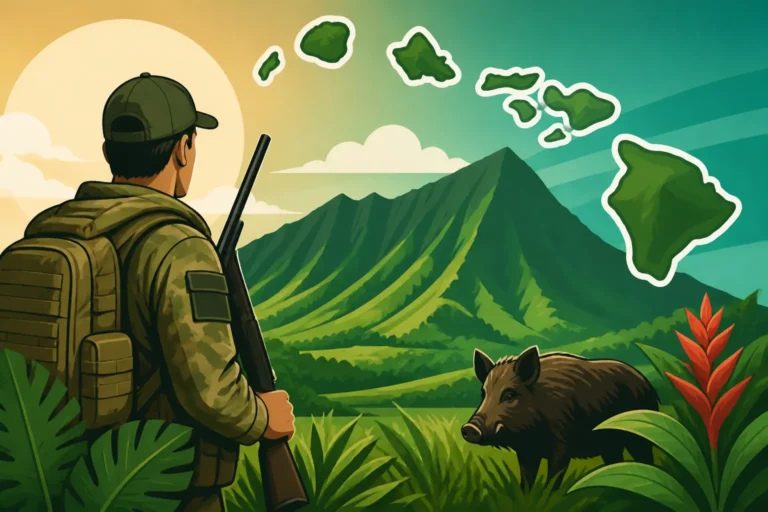
Hands down, feral pigs are the number one target for dog hunters across the Hawaiian Islands. These animals are abundant, destructive to native ecosystems, and provide excellent table fare. The good news for dog hunters is that pig seasons are typically year-round on most islands, allowing for consistent opportunities. From the dense, wet forests of the Big Island's windward side to the drier, kiawe-choked gulches of Oahu, pigs are present and thrive.
The methodology for Pig Hunting With Dogs in Hawaii is a time-honored tradition here. Hunters rely on their dogs to scent, pursue, and then "bay" or "catch" a pig. A bay dog will typically corner a pig and bark, holding it in place until the hunter arrives. A catch dog, on the other hand, might engage the pig directly, often holding it by an ear or a leg. Understanding the dynamics of Pig Hunting With a Bay Dog and Catch Dog is fundamental to this sport, and it takes dedicated effort to train your dogs effectively. Local hunters often spend years, if not decades, honing their dogs' skills and their own ability to navigate the demanding terrain.
Other Permitted Species
While dogs are predominantly used for pigs, it's important to clarify if they're permitted for other species. For instance, some islands allow dogs for Hunting Hawaii's Feral Goats in specific units. However, this is far less common than pig hunting, and the rules are usually much stricter, often limiting dogs to "track and bay" without physical engagement due to the nature of goat hunting terrain (steep cliffs, open country). Game bird hunting with bird dogs is also permitted during specific seasons, but that's a different discipline entirely and doesn't usually involve the confrontational aspect of big game dog hunting. Always consult the most current DOFAW regulations for any unit you plan to hunt to confirm dog use for species other than pigs.
Island-Specific Variations and Restrictions
This is where things can get tricky, and it’s why a blanket understanding of "Hawaii dog hunting rules" simply doesn't cut it. Regulations can vary significantly from one island to the next, and even between different hunting units on the same island.
- Oahu: Known for its dense urban interface, Oahu has very specific dog hunting rules, often requiring dogs to be on leash until actively on a fresh trail and sometimes limiting the number of dogs per hunter. Unit boundaries are often in close proximity to residential areas, demanding extra vigilance from hunters.
- Hawaii Island (Big Island): With vast public hunting lands, the Big Island offers extensive opportunities for dog hunting. However, some areas might have restrictions due to sensitive ecological zones or protected species habitat. For example, some units on the slopes of Mauna Kea or Mauna Loa, while open to pig hunting, might have different dog rules than the rainforests near Hilo.
- Maui, Molokai, Lanai: These islands also have their unique sets of rules. On Maui, for instance, hunting in some forest reserves or cooperative game management areas might have specific stipulations for dog use. On Lanai, where a drawn Axis deer hunt is the main attraction, dog hunting for pigs may be restricted to certain periods or units to avoid conflicts with deer hunters.
The best practice is to always, without exception, check the current DOFAW hunting regulations for the specific unit and island you plan to hunt. The GoHunt Hawaii platform is invaluable for this, providing detailed maps and rules for each area. Don't assume that what's legal on one side of the island is legal on the other.
Here's a simplified look at how island rules can vary for pig hunting with dogs:
| Island | Typical Dog Use for Pigs | Common Weapon Restrictions | Special Considerations |
|---|---|---|---|
| Hawaii Island | Track, bay, and catch | Knife, spear, archery | Vast units, diverse terrain; check for sensitive areas. |
| Maui | Track, bay, and catch | Knife, spear, archery | Some units have strict dog control/leash rules near public access. |
| Oahu | Track, bay, and catch | Knife, spear | Very strict urban interface rules; often limited dog numbers. |
| Molokai | Track, bay, and catch | Knife, spear, archery | Check private land access rules, as much land is private. |
| Kauai | Track, bay, and catch | Knife, spear, archery | Focus on specific mountain/canyon units; always verify. |
| Lanai | Track, bay, and catch | Knife, spear, archery | Limited public access; coordinate with drawn hunts. |
Note: This table provides general guidance. Always refer to current DOFAW regulations for specific unit rules.
Legal Weapons and Hunting Methods
The image of dog hunting often conjures up a specific kind of weapon, and in Hawaii, it's very distinct from rifle hunting. This is about close-quarters engagement and swift, humane dispatch.
Allowed Weapons for Dog Hunting
When you're hunting pigs with dogs in Hawaii, the legal weapon choices reflect the intimate nature of the hunt. Firearms are generally not permitted when actively pursuing and dispatching pigs with dogs. Instead, hunters primarily use knives, spears, or sometimes archery equipment.
- Knives: A stout, sharp knife is the most common and traditional weapon. The goal is a quick, humane dispatch of a bayed or caught pig. The hunter needs to get in close, often with a catch dog holding the pig, to deliver a precise cut to the heart or vitals. This requires nerve, skill, and careful timing.
- Spears: For those who prefer a bit more distance or a longer reach, a spear can be used. These are typically purpose-built hunting spears, not just sharpened sticks. They allow the hunter to deliver a kill shot from a safer distance, especially with larger, more aggressive boars. The article Using a Knife or Spear on a Bayed Pig delves into the specifics of these methods.
- Archery Equipment: In some units, archery equipment may be permitted for pig hunting with dogs, though it's less common for the actual dispatch of a bayed pig due to the close proximity and often chaotic nature of the final engagement. Always check unit-specific regulations.
The rationale behind these restrictions is multifaceted. Safety is a big part of it – having dogs, multiple hunters, and a live, angry animal in close proximity makes firearms particularly hazardous. It also aligns with the traditional hunting methods and helps to ensure a more primitive, engaged hunting experience. You can find detailed regulations on Legal Weapons When Hunting Pigs With Dogs within the state hunting guides.
Prohibited Weapons and Unethical Methods
Just as important as knowing what's allowed is knowing what's strictly forbidden. Any weapon or method that is considered inhumane, unsafe, or gives an unfair advantage is typically prohibited. This includes:
- Firearms: As mentioned, rifles and shotguns are generally not allowed for actively dispatching pigs with dogs.
- Traps: Live traps or snares are not usually permitted for recreational pig hunting with dogs.
- Poison: This is unequivocally illegal and highly dangerous to the ecosystem, other animals, and humans.
- Night hunting: While pigs are often nocturnal, hunting hours in Hawaii are typically restricted to daylight hours. You cannot use artificial lights to spot or shoot game at night.
Using illegal methods or weapons not only puts you at risk of significant penalties, including heavy fines and loss of hunting privileges, but it also casts a negative light on the entire hunting community. Ethical hunting means adhering to the spirit and letter of the law.
The Bay Dog and Catch Dog Dynamic
Understanding the specialized roles of hunting dogs is key to appreciating this method. It's a team effort, and each dog type has a specific job:
- Bay Dogs: These dogs are the scouts and the announcers. They range out, pick up the scent of pigs, and then corner them, often barking incessantly to "bay" the pig. Their job is to hold the pig in one place, keeping it occupied and giving the hunter time to approach. They are typically agile and vocal, but usually avoid direct physical engagement unless absolutely necessary.
- Catch Dogs: Once the bay dogs have a pig cornered, the catch dogs come in. Their role is to physically engage and hold the pig, typically by the ear, snout, or leg, allowing the hunter to move in safely and dispatch the animal quickly. These dogs are usually powerful, strong-willed, and often wear protective gear like cut vests to prevent injury from the pig's tusks.
The synergy between these dogs and the hunter is a marvel to behold. It requires immense training, patience, and a deep understanding of animal behavior. Local hunters often dedicate years to Training Pig Dogs in Hawaii to achieve this level of coordination. This dynamic ensures that the hunter can deliver a quick, humane kill, fulfilling the primary goal of any responsible hunt.
Safety and Ethical Considerations
Hunting with dogs in Hawaii is an incredibly rewarding experience, but it comes with unique risks and responsibilities. Prioritizing safety and ethical conduct is paramount for a positive experience and to ensure the continued privilege of this hunting method.
Hunter Safety in Dog Hunts
The nature of dog hunting for pigs, particularly in Hawaii’s dense and rugged terrain, presents several inherent dangers:
- Terrain Hazards: Steep gulches, loose rocks, sharp lava, thick thorny vegetation, and slick muddy trails are all common. Sprains, falls, and cuts are frequent. Always wear appropriate footwear, carry trekking poles, and move carefully.
- Aggressive Pigs: Feral pigs, especially large boars with sharp tusks, can be incredibly dangerous when cornered. They will charge, and their tusks can inflict severe, potentially fatal, wounds on dogs and humans. Maintain situational awareness, know your escape routes, and always approach a bayed pig with extreme caution.
- Heat Exhaustion: Hawaii’s tropical climate means heat and humidity are constant companions. Both hunters and dogs are susceptible to dehydration and heatstroke. Plan your hunts for cooler parts of the day, carry ample water, and recognize the signs of heat stress.
- Hunting Party Communication: When working with multiple hunters and dogs, clear communication is vital. Use radios or agreed-upon signals to coordinate movements and ensure everyone knows where others are, especially when dogs are out of sight in thick cover.
Always carry a well-stocked first-aid kit capable of treating both human and canine injuries. Knowing basic wilderness first aid can be a lifesaver when you're miles from the nearest road or medical facility.
Animal Welfare and Humane Dispatch
Ethical hunting demands that animals are dispatched quickly and humanely, minimizing suffering. When hunting pigs with dogs, this means:
- Swift Kill: Once a pig is bayed or caught, the hunter's priority is to move in swiftly and deliver a killing blow. Hesitation prolongs the animal's stress and increases the risk of injury to dogs and hunters.
- Precise Placement: Whether using a knife or spear, knowing the anatomical locations for a quick kill is crucial. A precise stab to the heart or lungs incapacitates the animal rapidly.
- Minimizing Stress: While the hunt itself is inherently stressful for the animal, the goal is to end it as quickly and efficiently as possible once the animal is engaged. This means being prepared, having sharp weapons, and executing the dispatch effectively.
Responsible hunters take pride in a humane harvest, understanding that it reflects respect for the animal and the hunting tradition.
Respecting Property and Other Users
Hawaii is a small place, and public hunting lands often border private property, agricultural fields, or areas used by hikers, birdwatchers, or other outdoor enthusiasts. Responsible dog hunting means:
- Boundary Awareness: Know your unit boundaries intimately. Use tools like the OuterSpatial app or a GPS to ensure you are always on legal hunting ground. Trespassing, even accidentally, is a serious offense.
- Neighboring Communities: Be mindful that your hunting activities, especially the barking of dogs, can be heard by nearby residents. Try to minimize disturbance, particularly during early morning or late evening hours.
- Other Outdoor Users: You may encounter hikers, mountain bikers, or other non-hunters on public lands. Be courteous, control your dogs, and educate them politely if they have questions about your activities. Share the outdoors respectfully.
- “Aloha Spirit”: Embrace the spirit of aloha even while hunting. This means showing respect for the land, the animals, other people, and the local culture. It’s about being a responsible visitor or resident and ensuring that hunting can continue to be a cherished activity on the islands.
Checking In, Out, and Reporting Your Hunt
Compliance with administrative procedures might not be the most exciting part of hunting, but it's absolutely critical in Hawaii. These rules are in place for safety, resource management, and to ensure accountability.
Unit Check-In and Check-Out Procedures
For most public hunting units in Hawaii, especially those managed by DOFAW, checking in and out is a mandatory requirement. This is how the state keeps track of who is in the field, for what purpose, and helps ensure hunter safety.
- GoHunt Hawaii or OuterSpatial App: The GoHunt Hawaii website is the primary portal for these procedures, often integrated with the OuterSpatial mobile app. You'll typically enter your hunter ID, vehicle information, and the number of dogs you're bringing. This allows DOFAW to know who is in a particular unit and for how long.
- Physical Check Stations: In some more remote or traditional units, you might still encounter physical check stations where you sign in and out on a paper log. Always verify the specific procedure for your chosen unit.
- Why it Matters: Failing to check in or, more importantly, failing to check out, can trigger search and rescue operations if officials believe you might be lost or in distress. It also helps DOFAW track hunter effort and pressure on different units. Make checking in and out a non-negotiable part of every hunt. For more details, consult Checking In and Out of Hawaii Hunting Units.
Harvest Reporting and Data Collection
After a successful hunt, your responsibility doesn't end with getting the meat out of the field. Reporting your harvest is a vital step in responsible wildlife management.
- Mandatory Reporting: Hawaii requires hunters to report their take of game animals. This data is invaluable to DOFAW for assessing population trends, understanding hunter success rates, and making informed decisions about future seasons and bag limits.
- How to Report: Typically, harvest reporting is done online through the GoHunt Hawaii portal after you've checked out of your unit. You'll provide details about the species, sex, and location of your harvest. Some permits or tags might have a tear-off portion that needs to be mailed in. Be sure to understand Harvest Reporting Requirements After a Kill.
- Accuracy is Key: Provide accurate information. Exaggerating or underreporting your harvest skews the data and can lead to misguided management decisions. This is your opportunity to contribute directly to the health of Hawaii's game populations.
Transporting Game and Dog Safety Post-Hunt
Once your hunt is complete and you have your pig, the work isn't over. Proper handling of the game and care for your dogs are essential.
- Meat Care in the Heat: Hawaii’s tropical climate is brutal on game meat. Rapid cooling is absolutely critical to prevent spoilage. Field dress your pig immediately and get it cooled as quickly as possible. This often means quartering the animal and placing the meat in coolers with ice. Check out tips for Field Care in Hawaii's Heat and Humidity and even Field Dressing Axis Deer in Hawaii Heat for general principles that apply to pigs.
- Transporting Animals: Ensure your harvested game is legally tagged (if required) and properly covered during transport to maintain cleanliness and respect for the public.
- Post-Hunt Dog Care: After a strenuous hunt, your dogs need attention. Check them thoroughly for injuries, cuts, punctures, or thorns. Rehydrate them, and if necessary, provide a high-energy meal. Address any injuries promptly, as even minor cuts can become infected in the humid environment. Your dogs work hard for you; they deserve the best care.
Disclaimer
The information provided in this guide is intended for general informational purposes only and is subject to change. Hunting regulations in Hawaii are complex and can vary significantly by island, unit, and season. It is the sole responsibility of the hunter to consult the most current official regulations published by the Hawaii Department of Land and Natural Resources (DLNR) and its Division of Forestry and Wildlife (DOFAW) through the GoHunt Hawaii website or official publications before engaging in any hunting activities. Failure to do so may result in legal penalties.