Hawaii Drawn Hunt Application Deadlines
It’s incredibly frustrating when you’ve got your heart set on a specific hunting opportunity in Hawaii, only to realize you’ve missed the application deadline. The islands’ unique drawn hunt system can feel like navigating a maze, especially with different species and units having their own specific windows of opportunity. This guide is here to untangle the complexities of Hawaii's drawn hunt application deadlines, helping you understand when and how to apply so you don't miss out on your chance to hunt some truly special animals.
Understanding Hawaii's Drawn Hunt System
Hawaii’s hunting landscape is truly one-of-a-kind. Unlike many mainland states where general tags are readily available, some of the most sought-after big game opportunities here are allocated through a lottery or drawn hunt system. This isn't just a quirk of island life; it's a necessary measure to manage wildlife populations, particularly species like Axis deer on certain islands or Mouflon sheep in specific units, and ensure sustainable hunting opportunities without overwhelming the limited public land resources. The system is designed to distribute pressure and offer a fair chance, but it also means you can't just decide to hunt on a whim; planning is absolutely crucial.
What Makes Drawn Hunts Different?
The biggest difference with Hawaii's drawn hunts compared to over-the-counter tags is the element of chance and the strict pre-application requirement. For example, if you dream of hunting Axis deer on Lanai, you can't just show up with a license and buy a tag. The opportunities on Lanai, especially for rifle seasons, are highly controlled through a lottery because the island's unique ecosystem and private land ownership demand careful management. This ensures that the number of hunters aligns with the population goals for the species in that area, preventing overharvesting and maintaining a quality hunting experience.
These drawn hunts are typically for specific species in specific units or on specific islands, and often for particular weapon types or seasons. For instance, the Mouflon sheep hunts on Hawaii Island or certain Axis deer hunts on Maui might also fall under a drawn system. It's not just about getting a license; it's about successfully applying for a permit-tag through a lottery. This distinct two-step process—first the hunting license, then the permit-tag application—is where many new hunters to Hawaii can get tripped up. Understanding how Hawaii's permit-tag system works is fundamental to planning any hunt here.
Why Deadlines Are So Strict
If you've ever tried to apply for a drawn hunt, you know the feeling of urgency as the deadline approaches. In Hawaii, these deadlines aren't just suggestions; they are ironclad. The Department of Land and Natural Resources (DLNR) Division of Forestry and Wildlife (DOFAW) manages these complex systems, and once a deadline passes, there's rarely, if ever, an exception. This strict adherence is critical for their administrative process. They need a definitive count of applicants to run the lottery, allocate tags, and then notify hunters of their success or failure in time for season planning.
Imagine the chaos if deadlines were flexible. It would be impossible to run a fair lottery, and hunters wouldn't know if they had a tag until potentially too late to make travel arrangements or prepare for their hunt. The strictness also ensures that everyone has an equal opportunity within the application window. From a resource management perspective, it gives DOFAW the ability to forecast hunting pressure and allocate personnel for check-in stations and enforcement effectively. It can be a real headache to miss one, but it's part of the system that keeps things running smoothly for limited resources.
Navigating the Application Process and Key Deadlines
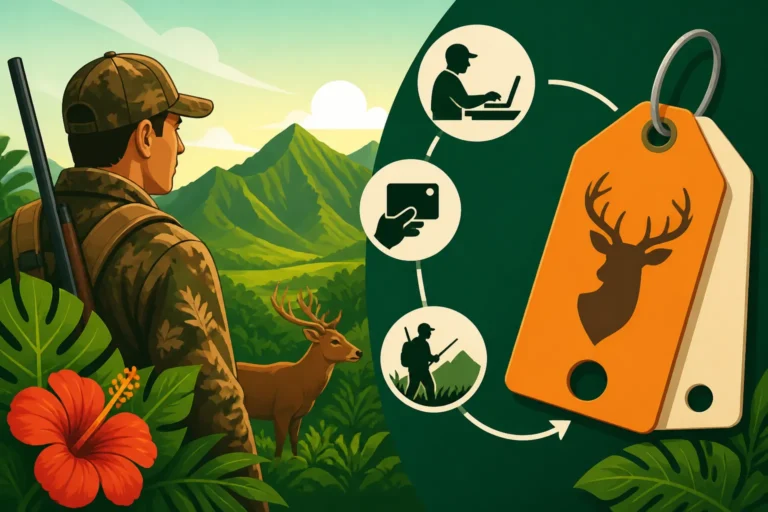
Alright, let's get down to the nitty-gritty: the actual process and those all-important dates. Hawaii's drawn hunts are primarily administered through the DOFAW, and for most of these applications, you'll be using their online portal, which is typically accessed through the GoHunt Hawaii website. This platform has become the central hub for purchasing licenses, applying for permits, and managing your hunting profile.
Annual Timeline for Major Draws
While specific dates can shift slightly year to year based on various factors, there's a general rhythm to Hawaii's major drawn hunt application deadlines. It’s crucial to understand these patterns to plan your year effectively.
- Spring Draws (Often February/March): Many of the major drawn hunts, especially for Axis deer on Lanai and Molokai, or specific Mouflon sheep hunts, typically open their application periods in the late winter or early spring. The application window usually lasts a few weeks. For instance, the highly anticipated Lanai Axis deer draw, which is a major event for many hunters, historically has its application period in February or March. This draw determines who gets to participate in When Lanai's Axis Deer Rifle Season Runs, which often takes place in the fall. You need to be ready to apply as soon as the window opens, because once it closes, that's it for the year.
- Summer Draws (Less Common, but Possible): While most major big game draws are in the spring, some specialized or smaller draws might occur later in the year. These could be for specific units, or perhaps a second lottery if initial tags weren't fully allocated. Always keep an eye on DOFAW announcements.
- Game Bird Seasons: While not always "drawn" in the same lottery sense as big game, game bird seasons also have strict open and close dates. You'll need to check the Hawaii Game Bird Seasons and Bag Limits annually. While usually not a lottery, if a specific unit has limited access, it might have a unique permit system or check-in requirement that operates on a first-come, first-served basis, effectively creating a "mini-draw" scenario if popular.
Remember, these are general patterns. The absolute best way to stay informed is to check the official DOFAW website regularly and sign up for any newsletters or alerts they offer. A simple calendar reminder for "Hawaii Hunting Deadlines Check" in January and July each year can save a lot of heartache.
The GoHunt Hawaii Portal
The GoHunt Hawaii portal is your gateway to most things hunting-related in the state, including drawn hunt applications. Here’s a basic rundown of what you’ll need to do:
- Create an Account: If you don't have one already, your first step is to create a hunter profile. This involves providing personal information and, crucially, linking your Hawaii hunting license. If you're a nonresident, you'll also need to understand the nuances of Hawaii Nonresident Hunting License Options and ensure your hunter education requirements are met, which often involves getting a The Nonresident Letter of Exemption.
- Purchase Your License: Before you can even think about applying for a drawn hunt, you need a valid Hawaii hunting license. You can purchase this directly through the GoHunt portal. Don’t wait until the last minute before a draw deadline to do this, as sometimes there can be processing delays. For example, knowing the Hawaii Resident Hunting License Cost or Hawaii Nonresident Hunting License Cost ahead of time helps budget and ensures you're ready.
- Navigate to the Drawn Hunt Section: Once logged in and licensed, look for the section pertaining to "Drawn Hunts" or "Lotteries." This is where current and upcoming application periods will be listed.
- Complete the Application: The application itself will ask for specifics, such as the hunt unit you're applying for (e.g., specific areas within Puu Waawaa Season Dates and Units), the species (e.g., Axis deer, Mouflon sheep), and sometimes weapon type. Pay extremely close attention to the details. Double-check that you've selected the correct options. The system will clearly display the application deadline.
- Payment: There's usually an application fee, even if it's a small one. This fee is generally non-refundable, regardless of whether you're drawn. You'll process this payment through the portal.
- Confirmation: Always save your confirmation number or print a copy of your application confirmation. This is your proof of submission.
It's a straightforward process if you follow the steps, but a single missed detail, like an expired license or an incorrect unit selection, can invalidate your application.
Common Pitfalls and How to Avoid Them
Even seasoned hunters can sometimes stumble when it comes to drawn hunts. Here are some common traps and how to steer clear of them:
- Missing the Application Window Entirely: This is the most common and devastating mistake. Set multiple reminders on your phone, calendar, and even a sticky note on your fridge. As mentioned, the GoHunt portal often publishes the upcoming season announcements, including draw dates, well in advance.
- Expired Hunting License: Your Hawaii hunting license must be current at the time of application. Don't assume your license from last year is still valid. Double-check the expiration date, which you can usually find through the GoHunt portal or by looking at your physical license.
- Incorrect Application Information: Rushing through the application can lead to errors. Make sure your name, address, hunter ID, and especially the specific hunt choices (e.g., island, species, weapon type) are accurate. Applying for What One Either-Sex Tag Means on Lanai is very different from a bucks-only tag, so be precise.
- Technical Glitches: While the GoHunt system is generally robust, last-minute rushes can sometimes overload servers. Don't wait until the final hour of the final day to apply. Submit your application a few days early to give yourself a buffer against unexpected internet issues or website slowdowns.
- Not Understanding Permit-Tag Costs: For some drawn hunts, like those on Lanai, there's a separate cost for the permit-tag after you've been drawn. Understanding Lanai Axis Deer Tag Cost for Residents or What Nonresidents Pay for a Lanai Deer Tag is important, as you'll need to be prepared to pay that fee once notified of your success to secure your tag.
- Assuming Automatic Entry for All Islands: Just because one island has a general season for pigs or goats doesn't mean another island won't have a drawn hunt for them, or a permit-tag requirement. For instance, Lanai and Molokai Draw Seasons are quite distinct from hunting opportunities on other islands. Always check the rules for the specific island and species you're interested in.
Strategies for Success and Staying Informed
Getting drawn for a Hawaii hunt is often a game of patience and preparation. It's not just about hitting the deadline; it's about setting yourself up for the best possible chance year after year.
Planning Ahead for Hawaii's Unique Seasons
Because Hawaii's hunting seasons and opportunities are so unique and often limited, proactive planning is absolutely essential. This isn't a state where you can usually decide on a Friday to hunt on a Saturday without prior arrangements for many species.
- Annual Calendar Review: At the beginning of each year, make it a habit to review the anticipated hunting season dates and drawn hunt application periods. DOFAW usually releases these well in advance. Jot down potential deadlines for hunts you're interested in, such as Hawaii Drawn Hunt Application Deadlines for Axis deer or Mouflon.
- License and Hunter Ed Status: Ensure your Hawaii hunting license is current and that your hunter education certification is up-to-date. Non-residents, in particular, need to confirm their Finishing Hunter Education Before Your Trip is sorted before they can even contemplate a drawn hunt.
- Research Specific Units and Species: Before you apply, know what you're applying for. Research the specific units and species available in drawn hunts. For example, if you're targeting Mouflon, understanding Hunting Mouflon on Hawaii's Highest Slopes or Hunting Mouflon at Puu Waawaa means knowing the specific units and their terrain, which can influence your hunt strategy if you're drawn.
- Financial Planning: Factor in not just license costs, but application fees, potential tag fees (like the Axis deer tags on Lanai), and travel expenses if you're traveling inter-island or from the mainland.
Where to Find Official Updates and Announcements
The official source for all Hawaii hunting regulations and announcements is the DOFAW website. Don't rely solely on forums or social media, as information can quickly become outdated or misconstrued.
- DOFAW Website: This is your primary resource. Look for sections on "Hunting," "Game Seasons," "Public Announcements," or "News Releases." This is Where DOFAW Posts Season Announcements and updates on drawn hunts.
- Subscribe to Email Lists: Many state agencies offer email newsletters or alert systems. Sign up for DOFAW's notifications to receive direct updates on season changes, application periods, and draw results.
- Local Hunting Clubs and Forums: While not official, local hunting communities can be great for networking and learning about nuanced details or getting tips on specific units. However, always cross-reference any information with official DOFAW sources.
- Check Stations: Sometimes, physical check stations (for units where you check in and out) will have posted notices. However, for drawn hunts, online resources are far more timely. Remember to understand the rules for Checking In and Out of Hawaii Hunting Units once you've secured a tag.
Considering Other Permit-Tag Hunts
While drawn hunts are the pinnacle of exclusivity for some species and areas, it's also worth remembering that Hawaii has other permit-tag hunts that might operate differently. Not every hunt requires a lottery. Some units might offer over-the-counter (OTC) permit-tags for species like feral pigs or goats, often on a first-come, first-served basis for specific dates or units.
These generally available permit-tags are often used for managing abundant populations of feral animals, particularly in areas where they cause significant ecological damage. These don't have the same lottery deadline pressures but do have their own set of rules and availability limits. It's important to differentiate between these "general issue" permit-tags and the highly competitive drawn hunt permit-tags. Always consult the current year's hunting regulations booklet or the DOFAW website for specifics on the species and units you are interested in. This strategy can offer more immediate hunting opportunities while you wait on the results of your drawn hunt applications or plan for future seasons.
| Hunt Type/Species | Typical Application Period (General) | Notification Period (General) | Notes |
|---|---|---|---|
| Lanai Axis Deer | Late Feb – Early March | Late April – May | Most competitive draw; rifle season. Requires separate tag purchase if drawn. |
| Molokai Axis Deer | Late Feb – Early March | Late April – May | Also highly competitive. |
| Mouflon Sheep (Specific Units) | March – April | May – June | Often for specific units or weapon types (e.g., archery, muzzleloader). |
| Puu Waawaa Hunts | March – April | May – June | Can include Mouflon, feral sheep, goat. Check specific species/units. |
| Other Permit-Tags (OTC) | Varies by unit/species | Immediate upon purchase | Not a draw; often first-come, first-served for general hunting. |
Understanding these application windows and preparing in advance is key to maximizing your chances of a successful hunt in the islands.
Hawaii Drawn Hunt Results and Notification
Once you've submitted your application and the deadline has passed, the waiting game begins. This can be the most nerve-wracking part! Everyone's checking their emails, refreshing the GoHunt portal, hoping to see those coveted words: "You have been drawn!"
Historically, Hawaii Drawn Hunt Results and Notification typically come out several weeks to a couple of months after the application period closes. For example, if the Lanai Axis deer draw closes in March, you can generally expect notifications to start rolling out in late April or May. This timing allows DOFAW to process all applications, conduct the lottery, and then prepare the notification system.
Notifications are usually sent via email to the address associated with your GoHunt account. It's absolutely crucial that your contact information on your hunter profile is up-to-date. Spam filters can be notorious for catching important emails, so be sure to add DOFAW's email addresses to your safe sender list and check your junk mail folder periodically during the notification period.
If you are drawn, you'll typically receive instructions on how to purchase your permit-tag, often through the same GoHunt portal. There will be a deadline for this purchase, and if you miss it, your tag could be forfeited. So, even after being drawn, staying vigilant is key! If you weren't drawn, you'll often receive a notification as well, informing you of your unsuccessful application. Don't get discouraged! Many hunters apply for years before drawing a coveted tag.
Applying for More Than One Drawn Hunt
A common question hunters have is whether they can Applying for More Than One Drawn Hunt. The answer generally depends on the specific rules of each draw and if there are any overlapping restrictions. For most major draws, like the Lanai Axis deer, you are typically limited to one application per hunt category (e.g., one rifle application, one archery application). However, you might be able to apply for different species or different islands in separate draws, provided the application periods don't conflict and you meet all the eligibility requirements for each.
It's vital to read the specific rules for each drawn hunt in the annual hunting regulations. DOFAW's regulations will clearly state any restrictions on multiple applications. Some systems might allow you to apply for a first and second choice, while others are strictly single-entry. Overlapping application periods can also make it challenging, so always prioritize your top choice if you can only apply for one.
Disclaimer
Please remember that hunting regulations in Hawaii can change. While this guide provides comprehensive information based on current practices, it is always your responsibility to consult the latest official Hawaii Department of Land and Natural Resources (DOFAW) regulations and announcements before planning any hunt. Dates, fees, and rules are subject to change without notice.