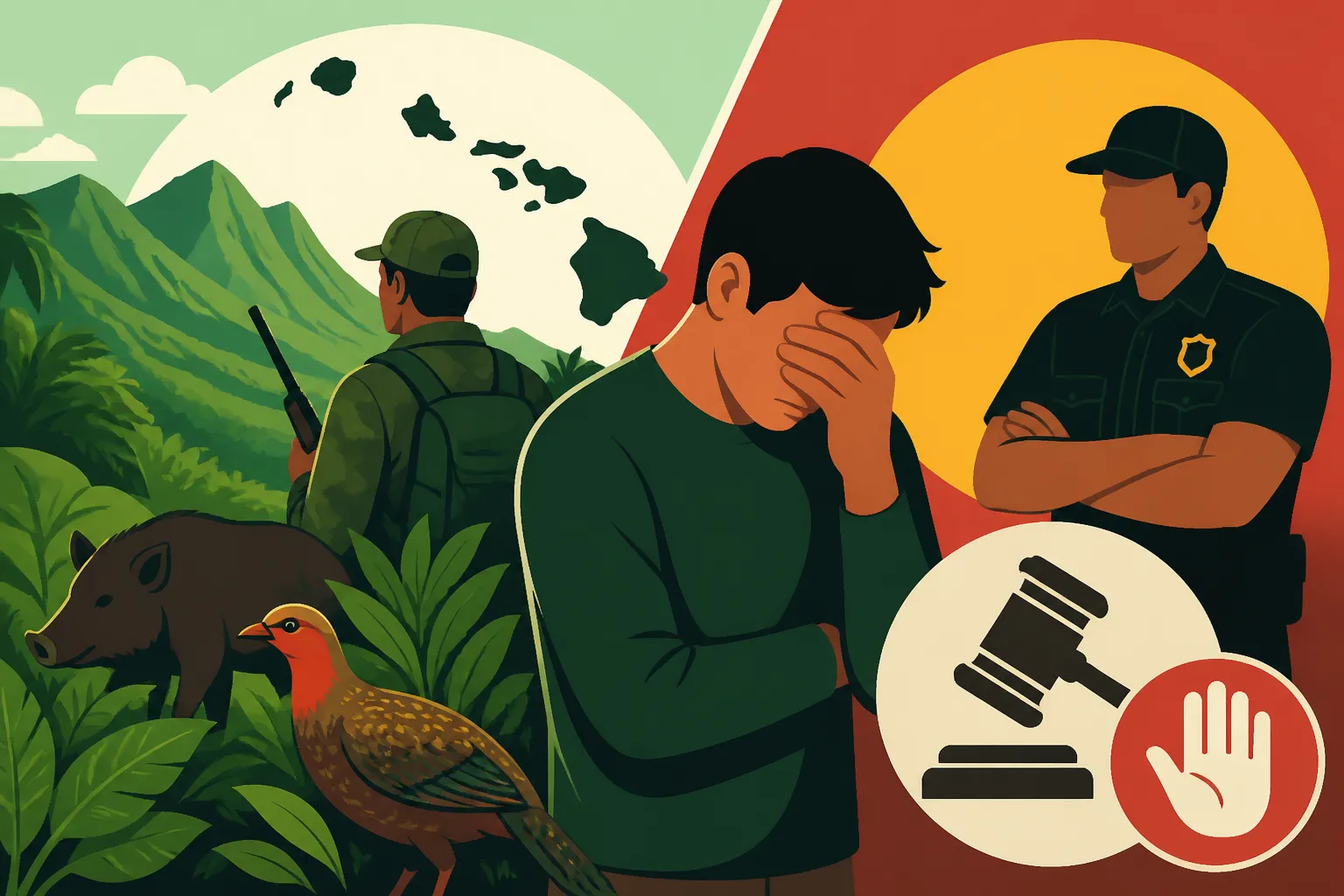
Penalties for a Hunting Violation
The thrill of hunting in Hawaii is unmatched, from the challenging terrain to the unique species. But let's be real, navigating the islands' hunting regulations can feel like deciphering ancient hieroglyphs sometimes. One wrong step, an honest mistake, or a moment of carelessness can quickly turn an exciting hunt into a stressful encounter with the law, leaving you wondering about the penalties for a hunting violation. This guide is here to shed light on what those violations entail and what you can expect if you find yourself on the wrong side of Hawaii's hunting rules.
Understanding Hawaii's Hunting Laws and the Stakes
Hunting in Hawaii isn't just about bagging an animal; it's about understanding and respecting a complex web of regulations designed to manage wildlife populations, protect fragile ecosystems, and ensure public safety. For many, especially those visiting from the mainland or even kama'aina hunters venturing to a new island or unit, the sheer volume and specificity of these rules can be overwhelming.
The Complexity of Island-Specific Regulations
It’s a common frustration: you might be an experienced hunter, but Hawaii’s landscape, both geographically and legally, is truly one-of-a-kind. What's legal for Axis Deer Hunting in Hawaii on Maui might be strictly prohibited for Black-Tailed Deer Hunting in Hawaii on Kauai, or for Mouflon Sheep Hunting on Hawaii Island. Each island, and often specific hunting units within those islands, operates under its own distinct set of rules regarding seasons, bag limits, and even legal weapons. You might be Hunting Molokai's Axis Deer Country one weekend, then planning for Hunting Maui's Year-Round Axis Deer Units the next, only to find the regulations are worlds apart. The Department of Land and Natural Resources (DLNR) and its Division of Forestry and Wildlife (DOFAW) work hard to communicate these rules, but it’s on each hunter to stay informed. Many hunters rely on resources like GoHunt, which can be invaluable for cross-referencing, but even then, always double-check the official DOFAW proclamations.
Why Violations Happen: Common Pitfalls
Let's face it, nobody wants to break the law. Most hunting violations stem from genuine misunderstandings, oversight, or simply not doing enough homework. It's easy to get caught up in the excitement of a hunt and overlook a critical detail. Here are some of the most frequent reasons hunters run into trouble:
- Failure to Check In/Out: This is a big one. Many public hunting units require you to physically (or electronically, using apps like OuterSpatial) check in before entering and check out immediately after leaving, regardless of whether you harvested anything. Forgetting this simple step, especially after a long, tiring hunt, is a common administrative violation. You can learn more about this process in our guide on Checking In and Out of Hawaii Hunting Units.
- Incorrect Permit or Tag: Thinking you're covered for Hawaii Game Mammal Seasons but realizing your tag is for the wrong species, unit, or even expired, is a quick path to a violation. Understanding How Hawaii's Permit-Tag System Works is crucial.
- Hunting Out of Season or in a Closed Unit: The excitement of finding fresh sign can lead to pushing boundaries. Misreading a map, not checking the latest DOFAW announcements for Hawaii Game Bird Seasons and Bag Limits, or simply assuming a unit is open when it’s not, are serious errors.
- Illegal Weapons or Ammunition: Using a rifle in an archery-only unit, or a bow with an illegal draw weight, or even the wrong caliber for a specific species can land you in hot water. Familiarize yourself with Hawaii's Legal Weapons by Season before you even pack your gear.
- Exceeding Bag Limits: Taking more animals than allowed, even by one, is a clear violation. This can happen accidentally if a hunter miscounts or misunderstands combined limits.
- Trespassing: Accidentally or intentionally venturing onto private land or closed areas, often due to unclear boundaries or poor navigation, is a serious offense. Always know your boundaries, which you can investigate further in Hawaii Trespass and Closed Area Rules.
- Hunting Protected Species: This is perhaps the most egregious violation and often carries the harshest penalties, especially when it involves critically endangered native wildlife. Knowing Protected Species Hawaii Hunters Must Know is not just good practice, it's a legal imperative.
A Closer Look at Violation Categories and Penalties
Hawaii's legal system, much like the mainland, categorizes offenses based on severity. What might seem like a minor oversight to you could still carry a hefty fine or more, and ignorance of the law is almost never a valid excuse.
Minor Infractions: Fines and Administrative Actions
These are typically less severe violations, often administrative in nature or involving minimal impact on wildlife. While they might not lead to jail time, they can still be a significant headache and drain on your wallet.
- Examples:
- Failure to Check In/Out: As mentioned, this is common. Maybe you forgot to sign the ledger at the start of your Hunting Hawaii's Weekend and Holiday Hunting Rules hunt, or you were just too tired after packing out meat from a remote gulch.
- Improper Tagging: Placing your tag incorrectly on the carcass, or not attaching it immediately after the kill. While you've legally harvested the animal, the procedural error can still lead to a citation.
- Minor Paperwork Issues: Not carrying your Hawaii Hunting Licenses and What They Cost on your person, or having an incomplete permit application.
- Failure to Report Harvest: Depending on the unit and species, Reporting Your Harvest in Hawaii might be mandatory, and neglecting it can result in a fine.
- Typical Penalties:
- Fines: These can range from $50 for minor administrative infractions to several hundred dollars for slightly more serious procedural errors. For instance, forgetting to check out might cost you $100-$200.
- Administrative Actions: While rare for a first minor offense, repeated infractions could lead to a warning, or even a temporary suspension of your hunting license for a short period (e.g., 30-90 days). This is at the discretion of the DLNR/DOFAW.
- Educational Requirements: In some cases, especially for younger hunters or first-time offenders, attending an additional hunter education course might be mandated.
These penalties are designed to encourage compliance and responsible hunting practices without imposing excessively harsh consequences for what are often genuine mistakes. However, they serve as a clear warning that the rules are to be taken seriously.
Major Offenses: Serious Fines, Suspensions, and Confiscation
When violations move beyond administrative errors and directly impact wildlife management, conservation, or public safety, the penalties escalate significantly. These are the kinds of offenses that can derail your hunting future.
- Examples:
- Poaching (Taking Game Illegally): This covers a wide range of activities, from hunting out of season, hunting without a license or tag, hunting in a closed area, using illegal methods (e.g., spotlighting), or taking more than the bag limit. This is often an intentional act to bypass regulations.
- Trespassing with Intent to Hunt: Deliberately entering private land or a strictly prohibited conservation area to hunt.
- Illegal Weapon Use: For example, using a fully automatic weapon, a suppressed firearm without proper permits, or a non-legal caliber for big game, particularly in a manner that endangers others.
- Commercial Exploitation: Hunting game with the intent to sell it illegally. While some Axis deer meat is sold legally on Maui by licensed entities, individual hunters cannot sell their wild game.
- Interfering with a Law Enforcement Officer: Resisting arrest, providing false information, or otherwise hindering a DOFAW officer in their duties.
- Typical Penalties:
- Significant Fines: Expect fines ranging from $500 to $10,000 or more per offense. For example, illegally taking an Axis deer or Mouflon could result in a fine of several thousand dollars, plus restitution for the animal itself.
- Hunting License Revocation/Suspension: This is a common and severe consequence. You could lose your hunting privileges for several years, or even permanently, in Hawaii and potentially in other states through interstate compacts.
- Jail Time: For serious or repeated offenses, especially those involving intentional poaching or dangerous conduct, actual jail time is a very real possibility.
- Forfeiture/Confiscation: Your hunting equipment – rifles, bows, vehicles, ATVs, boats, even hunting dogs used in the commission of a crime – can be seized by the state. This can be a devastating financial loss in addition to fines.
- Restitution: You may be required to pay restitution to the state for the fair market value of any illegally taken game animal. This can quickly add up, especially for larger or rarer species.
The Weight of "Taking" Protected or Endangered Species
This category stands apart because the consequences are exponentially more severe. Hawaii is home to numerous endemic and endangered species, many of which are protected by both state and federal law. "Taking" a protected species (which includes harming, harassing, or killing) is not just a hunting violation; it's a serious conservation crime.
- Examples:
- Shooting a Nene (Hawaiian Goose), Hawaii's state bird, which is critically endangered.
- Harming a Hawaiian Monk Seal, an endangered marine mammal.
- Disturbing the nesting sites of endangered seabirds within a hunting unit.
- Typical Penalties:
- Massive Fines: Fines can run into tens of thousands or even hundreds of thousands of dollars. Federal penalties under the Endangered Species Act can be particularly steep.
- Lengthy Prison Sentences: Federal law can impose multiple years in prison for taking endangered species.
- Permanent Hunting Ban: It's almost guaranteed that your hunting privileges would be permanently revoked.
- Public Shame: Such cases often attract significant media attention, leading to public condemnation.
The message here is stark: know what you're shooting at. If there's any doubt, don't take the shot. Researching Protected Species Hawaii Hunters Must Know is a moral and legal obligation for every hunter.
Navigating the Aftermath: What to Do if You Face a Violation
No hunter wants to be in this position, but if you find yourself facing a violation, how you react in the immediate aftermath can significantly influence the outcome. Panic or defensiveness can often make a bad situation worse.
Initial Steps: Cooperation and Documentation
It’s natural to feel your heart pound when a DOFAW officer approaches you. Remember, they are there to enforce the law and protect Hawaii's resources.
- Stay Calm and Cooperative: Be respectful and polite. Provide your identification, license, and permits when asked. Arguing, becoming aggressive, or refusing to cooperate will only escalate the situation and likely lead to additional charges.
- Do Not Admit Guilt: While you should cooperate, you are not obligated to incriminate yourself. You can politely state that you would prefer to speak with an attorney before answering detailed questions about the alleged violation. Remember, anything you say can be used against you.
- Document Everything: As soon as safely possible, write down everything you remember about the incident: the date, time, location, the officer's name and badge number, what was said, what you were doing, and any witnesses present. Take photos of the area, your tag placement, or anything relevant to your defense. This documentation can be crucial if you decide to contest the citation.
- Understand the Charge: Make sure you clearly understand what violation you are being cited for. Ask the officer to explain it if you are unsure.
The Legal Process: Hearings, Appeals, and Restitution
Once you've received a citation, the process generally moves into a more formal legal or administrative track. This is where professional help often becomes invaluable.
- Consult Legal Counsel: Seriously consider hiring an attorney specializing in wildlife or environmental law, especially for major offenses. They can explain your rights, interpret the complex regulations, and represent you in court or administrative hearings. A good attorney might be able to negotiate reduced charges, lower fines, or even get the case dismissed.
- Administrative Hearings: For many minor violations (like failure to check in), you might face an administrative hearing with the DLNR rather than a full court trial. These are less formal but still require you to present your case.
- Court Proceedings: For more serious charges, you will have a court date. You'll have the opportunity to plead guilty, no contest, or not guilty. If you plead not guilty, the case will proceed to trial.
- Appeals: If you are found guilty, you may have the option to appeal the decision to a higher court, though this process can be lengthy and expensive.
- Restitution and Fines: If convicted, you will be ordered to pay fines and potentially restitution for any illegally taken wildlife. These amounts are non-negotiable once set by the court or administrative body.
It's paramount to respond to all citations and court summons promptly. Ignoring them will only lead to further legal trouble, including warrants for your arrest. Throughout this process, remember that resources like GoHunt are fantastic for staying informed about general regulations and application periods, but they can't offer legal advice once a violation occurs.
Rebuilding Your Hunting Privileges
If your license has been suspended or revoked, it's a tough pill to swallow. But it's not always the end of your hunting journey.
- Serve Your Time: The first step is to fully complete the terms of your penalty, whether that's paying fines, serving a suspension period, or completing any mandated educational courses.
- Understand the Conditions for Reinstatement: When your suspension period ends, you'll need to apply for reinstatement. This often involves paying a fee and demonstrating that you understand the rules you violated and are committed to ethical hunting.
- Become a Better Hunter: Use the experience as a learning opportunity. Dive deep into the regulations, stay updated on Hawaii Hunting Rules That Changed This Year, and consider becoming more involved in hunter education or conservation efforts. Showing genuine remorse and a commitment to responsible hunting can sometimes influence future decisions regarding your privileges.
- Check Interstate Compacts: Be aware that some states have interstate agreements where a license suspension in Hawaii could impact your hunting privileges in other states.
While a hunting violation is never ideal, approaching it with a calm head, seeking professional advice, and learning from the experience can help you navigate the process and, hopefully, return to the field as a more informed and responsible hunter.
| Violation Type | Examples | Typical Fine Range | Additional Penalties (Potential) |
|---|---|---|---|
| Administrative/Minor | Failing to check in/out, improper tag placement, minor paperwork | $50 – $500 | Warning, short license suspension (e.g., 30-90 days) |
| Moderate | Hunting without valid tag, exceeding bag limit, minor trespass | $500 – $2,500 | License suspension (1-3 years), restitution for game |
| Serious/Poaching | Hunting out of season, hunting in closed unit, illegal methods | $2,500 – $10,000+ | License revocation (3+ years to permanent), jail time, equipment forfeiture, restitution |
| Endangered Species | Harming Nene, Hawaiian Monk Seal, other protected wildlife | $10,000 – $100,000+ | Permanent license revocation, federal prison, extensive restitution |
Disclaimer
The information provided in this article is for general guidance and informational purposes only, and does not constitute legal advice. Hunting laws and regulations in Hawaii are subject to change and can be complex. Always consult the most current official regulations published by the Hawaii Department of Land and Natural Resources (DLNR) Division of Forestry and Wildlife (DOFAW) or seek legal counsel for specific situations. Reliance on any information in this article is solely at your own risk.