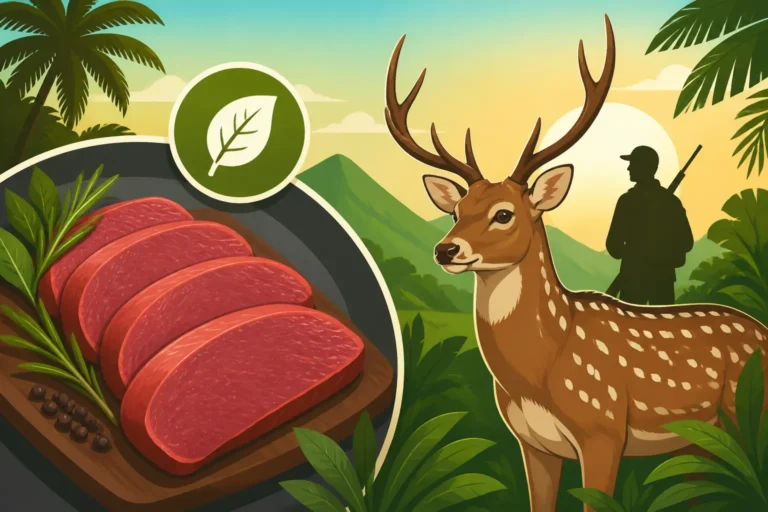
Axis Deer, Hawaii’s Signature Big Game
For anyone who’s ever dreamed of hunting in Hawaii, it usually starts with one animal: the Axis deer. These magnificent, spotted creatures represent a quintessential island hunting experience, often found roaming sun-drenched kiawe flats or steep, scrubby hillsides. If you're wondering how to even begin pursuing Hawaii's most iconic big game, you've come to the right place. This comprehensive guide will walk you through everything you need to know about hunting Axis deer across the Hawaiian islands.
Why Axis Deer Are Hawaii's Signature Big Game
There’s a reason the Axis deer captures the imagination of hunters planning a trip to the Aloha State. Unlike many other game species in Hawaii, which are feral domestic animals like pigs and goats, Axis deer arrived as a deliberate introduction for sport and have since flourished, creating a unique hunting challenge. Their striking spotted coats and impressive antlers make them incredibly photogenic, but it's their elusive nature and the stunning landscapes they inhabit that truly set them apart.
The Allure of the Spotted Deer
Imagine glassing a vast, dry Hawaiian hillside at dawn, the sun just kissing the distant ocean, and suddenly, a herd of sleek, spotted Axis deer emerges from the shadows. That's the image many hunters carry. Their unique appearance, resembling something out of an African safari, combined with their incredible table fare – often considered some of the finest venison in the world – contributes to their immense popularity. They are a genuinely beautiful animal, and bringing one home is an achievement many hunters cherish.
A Unique Island Hunting Experience
Hunting Axis deer in Hawaii isn't just about the deer; it's about the entire experience of being in this incredible environment. You might be tracking through dry, volcanic landscapes on Maui, navigating the intricate gulches of Molokai, or spot-and-stalking across the expansive private lands of Lanai. The challenge is amplified by Hawaii's diverse and often rugged terrain, coupled with weather that can shift from scorching sun to sudden downpours. It's a far cry from hunting whitetails in a Midwest woodlot, and that novelty is a huge draw for both local and mainland hunters alike. It’s an adventure that blends the thrill of the chase with the unparalleled beauty of the islands.
Impact on Local Ecosystems and Management Need
While stunning, Axis deer, like many introduced species in Hawaii, have a significant impact on the islands' fragile ecosystems. Without natural predators, their populations can explode, leading to overgrazing, erosion, and damage to native plants and agricultural crops. This is why effective management through hunting is not just a recreational activity, but a crucial conservation tool. Hunters play a vital role in helping control these populations, thereby protecting endangered native flora and fauna. The Maui Nui Deer Control Program, for example, is a testament to the ongoing efforts to balance deer populations with ecological health, often involving both public hunting and professional culling operations.
The History and Spread of Axis Deer in Hawaii
Understanding where these deer came from helps appreciate their current status and challenges. The story of Axis deer in Hawaii is one of deliberate introduction and incredible adaptation, leading to their widespread presence today.
Arrival and Initial Introductions
The Axis deer, or chital (Axis axis), are native to the Indian subcontinent. They were first introduced to Hawaii in 1867 when King Kamehameha V received them as a gift from Hong Kong. Initially, these deer were released on Molokai, where they quickly adapted to the dry, scrubby terrain. They found the island's climate and vegetation quite suitable, and with no natural predators to speak of, their numbers began to climb steadily. This initial introduction laid the groundwork for what would become a booming population.
Population Boom and Island Expansion
From Molokai, the deer populations grew, and eventually, some were relocated. In the 1920s, Axis deer were introduced to Lanai, and then later, in the 1950s, they made their way to Maui. Unfortunately, through both official introductions and unofficial releases, they have since become well-established across these three islands, sometimes referred to as "Maui Nui." The sheer adaptability of the species, coupled with the ideal Hawaiian climate and abundant food sources (even if those sources are often agricultural crops or native plants), meant that their populations grew rapidly, presenting both hunting opportunities and significant ecological challenges. This rapid multiplication is a key factor in their management.
Current Distribution Across the Islands
Today, the primary islands for Axis deer hunting are Maui, Molokai, and Lanai. While there have been sporadic sightings and even small, localized populations on other islands like Oahu and Hawaii Island due to illegal introductions, these are generally managed aggressively to prevent further spread. The largest, most stable, and most huntable populations remain concentrated on the Maui Nui islands.
- Maui: Axis deer are found across large portions of the island, particularly in the dry, leeward slopes of Haleakala and the West Maui Mountains. Areas like Kahikinui and Kula Forest Reserve are well-known hunting grounds. There are year-round opportunities here, making Maui a popular destination.
- Lanai: Often considered the crown jewel for Axis deer, Lanai boasts incredibly dense populations and produces some truly impressive bucks. Hunting Lanai's Drawn Axis Deer Weekends is a highly sought-after experience, with strict tag limitations managed through a lottery system.
- Molokai: Known for producing big-bodied Axis bucks, Molokai offers a rugged and challenging hunt. The deer are found primarily on the drier western and central parts of the island. Hunting Molokai's Axis Deer Country often involves navigating steep terrain and thick cover.
Understanding Axis Deer Biology and Behavior
To be a successful Axis deer hunter, you need to get into their heads a little bit. Their behavior isn't quite like a whitetail or mule deer, and understanding their unique island adaptations can make all the difference.
Diet, Habitat, and Daily Patterns
Axis deer are primarily grazers, preferring grasses and forbs, but they will readily browse on various shrubs and trees, especially during dry periods. In Hawaii, this means they often feed on non-native grasses that thrive in dry conditions, but they also impact native understory plants. They are crepuscular, meaning most active during dawn and dusk, but in areas with less hunting pressure or during the rut, they can be seen throughout the day. In the intense Hawaiian heat, they often seek shade during midday in kiawe thickets, gulches, or dense forest patches. Their choice of habitat tends to be the drier, more open country interspersed with dense cover for bedding and protection. Knowing their preferred food sources and bedding areas is key to reading Axis deer sign in dry country.
The Year-Round Rut Cycle and Antler Development
One of the most fascinating aspects of Axis deer in Hawaii is their non-seasonal breeding. Unlike temperate deer species that have a distinct annual rut, Axis deer can breed year-round, meaning you'll find bucks in various stages of antler development at any given time. This makes every hunt unique – you might encounter bucks in hard horn, velvet, or even dropped antlers in the same week. While there isn't a single, pronounced rut, there are often peaks in breeding activity, influenced by local conditions like rainfall and food availability. These peaks can create periods of increased buck activity and vocalizations, offering unique opportunities for calling Axis deer with a fawn bleat or bugle. Generally, you can expect to see more bucks in hard horn during the late spring and summer months, but it's not a hard-and-fast rule.
Social Structure and Herd Dynamics
Axis deer are highly social animals and typically live in herds that can range from a few individuals to dozens. These herds are often segregated by sex for much of the year, with bachelor groups of bucks and maternal herds of does and fawns. During peak rutting activity, these groups will mix. They are incredibly alert and rely on their keen senses of sight, smell, and hearing to detect danger. When one deer spooks, the entire herd is likely to bolt, making getting close a significant challenge. Understanding these herd dynamics, how they move through terrain, and how they react to pressure is crucial for a successful stalk.
Where to Find Axis Deer in Hawaii
Knowing where to go is half the battle when planning an Axis deer hunt. Each of the three main islands offers a distinct experience, from year-round public opportunities to highly coveted draw hunts on private lands.
Maui's Year-Round Opportunities
Maui offers the most accessible and frequent Axis deer hunting opportunities, with several public hunting units and a number of private ranches. The Department of Land and Natural Resources (DLNR) manages several public units, primarily in the arid, leeward slopes of Haleakala. Areas like Unit H (Kahikinui) and Unit I (Kula Forest Reserve and Polipoli Spring State Recreation Area) offer hunting on designated weekends and holidays, often with archery, muzzleloader, and rifle seasons. For those looking for more consistent access, some private ranches on Maui, such as those in the Ulupalakua area, offer guided hunts year-round. This makes Maui an excellent choice for hunters who prefer flexibility or who want to combine a hunt with a family vacation. You can find detailed information on Hunting Maui's Year-Round Axis Deer Units through the state's hunting portal.
Lanai's Legendary Drawn Hunts
Lanai is renowned for its high Axis deer density and the potential for trophy-class bucks. However, hunting Lanai's Axis Deer is primarily managed through a highly competitive lottery system for public land hunts. These hunts typically occur over specific rifle and archery weekends. Securing a tag for Lanai often requires applying months in advance through the state's GoHunt Hawaii portal, and success rates in the draw can vary dramatically year to year. While public land opportunities are limited and demand strong draw odds, the reward can be immense. Additionally, some private lands on Lanai offer exclusive guided hunts, though these come at a premium. These hunts are truly an experience of a lifetime for those lucky enough to draw a tag.
Molokai's Big-Bodied Bucks
Molokai holds the distinction of being the original home of Axis deer in Hawaii and is known for producing big-bodied bucks. The terrain on Molokai is rugged, with a mix of dry plains, steep gulches, and dense kiawe forests. Public hunting opportunities are available in units like Unit A (Molokai Forest Reserve) and Unit B (Kaluakoi Preserve), typically on specific weekends through a permit system. However, a significant portion of Molokai's prime Axis deer habitat is on private land. Many hunters opt for guided hunts on these private ranches to maximize their chances of success and access the best areas. Hunting Molokai's Axis Deer Country demands good physical conditioning and a willingness to tackle challenging terrain.
Here's a quick comparison of the three main islands for Axis deer hunting:
| Feature | Maui | Lanai | Molokai |
|---|---|---|---|
| Accessibility | Highest, more year-round units | Very Limited Public Access (Draw Only) | Moderate, some public, more private |
| Deer Density | High | Very High | High |
| Trophy Potential | Good | Excellent | Excellent (Big-Bodied Bucks) |
| Terrain | Dry slopes, forest reserves | Open ridgelines, kiawe flats | Rugged gulches, dry forests |
| Hunting Style | Spot-and-stalk, still-hunting | Spot-and-stalk, glassing | Spot-and-stalk, still-hunting |
| Permit System | Weekend permits, some year-round | Lottery Draw (highly competitive) | Weekend permits, some draws |
| Private Land Options | Several guided ranches available | Exclusive guided options | Several guided ranches available |
Hunting Techniques and Strategies for Axis Deer
Axis deer are notoriously wary animals, making them a challenging quarry. Success often hinges on a blend of patience, stealth, and a deep understanding of their behavior in the unique Hawaiian environment.
Mastering the Spot-and-Stalk
The quintessential method for hunting Axis deer in Hawaii is the spot-and-stalk. This involves using optics – a good pair of binoculars or a spotting scope – to locate deer from a distance, then carefully planning and executing a stalk to get within shooting range. This is especially effective in the open, often sparse landscapes where Axis deer frequent, such as the dry kiawe flats of Lanai or the expansive slopes of Haleakala on Maui.
The key to a successful spot-and-stalk is meticulous observation and patience. You'll spend a lot of time glassing, looking for subtle movements, a flick of an ear, or the distinctive spots of an Axis deer. Once spotted, consider the wind direction – constantly shifting thermals in Hawaii can betray your position in an instant. Then, analyze the terrain for cover, plotting a route that keeps you hidden and allows for a quiet approach. Remember, their eyesight is incredibly sharp, so even a slight silhouette against the skyline can give you away. This method is extensively covered in guides like Spot-and-Stalk Axis Deer in Hawaii.
Hunting Water Sources in Dry Country
Hawaii's dry leeward sides, where Axis deer thrive, can be parched for much of the year. This makes water sources absolute magnets for deer, especially during extended drought conditions. Identifying seeps, stock ponds, or natural catchment basins can be a highly effective strategy.
Setting up near a water source, particularly during the hot midday hours or the early morning, can yield excellent results. This often involves finding a concealed position downwind and waiting patiently for deer to approach. It's not always easy, as Axis deer are very cautious around water. They'll often stage a distance away, checking for danger, before committing to drink. Pay attention to fresh tracks and scat around these areas to confirm recent activity. Understanding Hunting a Water Source in Dry Hawaii Country is crucial for success in arid environments.
Reading Sign and Understanding Movement
Becoming a proficient Axis deer hunter means becoming a keen observer of their sign. While direct sightings are ideal, understanding what deer leave behind can guide your hunt, especially in areas with thicker cover. Look for:
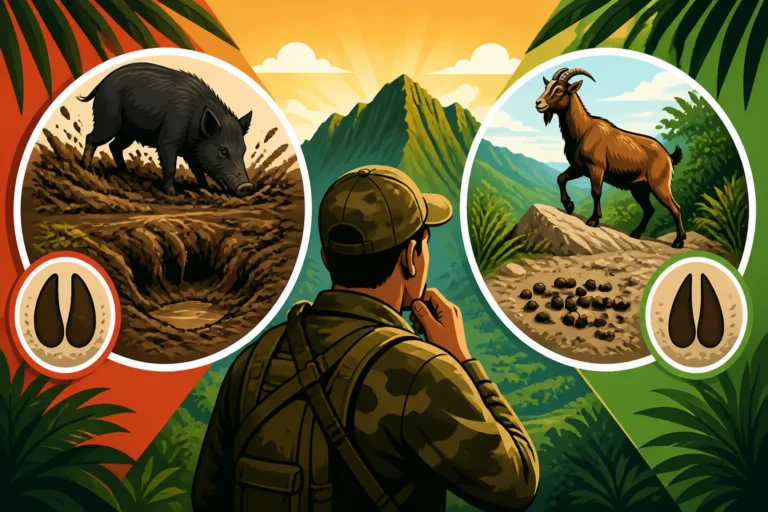
- Tracks: Axis deer tracks are distinctive, often smaller and daintier than those of a domestic cow or pig. Fresh tracks in soft dirt or muddy areas near water are prime indicators of recent activity.
- Scat: Their droppings are typically small, pellet-like, and often found in concentrated piles where they feed or bed. Fresh, moist scat indicates deer are nearby.
- Rub and Scrape Lines: While not as pronounced as whitetail rubs, bucks will rub their antlers on small trees and shrubs to strip velvet or mark territory. You might find some scrapes, especially during rutting peaks, though they are less common than in other deer species.
- Bedding Areas: Look for flattened areas in tall grass, under dense kiawe, or within gulches where deer have rested. These areas often have a strong deer scent.
- Trails: Well-used game trails leading between feeding areas, water sources, and bedding cover are excellent places to intercept moving deer.
By combining these observations with knowledge of prevailing winds and terrain, you can anticipate deer movement and position yourself for an encounter.
Seasons, Tags, and Regulations for Axis Deer Hunting
Navigating Hawaii's hunting regulations can be a bit daunting, especially for those new to the islands. It’s absolutely critical to understand the licensing, permit, and season rules before you even think about heading into the field.
Navigating Licenses and Permit-Tags
First things first: every hunter, resident or non-resident, needs a valid Hawaii hunting license. These can be purchased online through the GoHunt Hawaii portal, at certain retail vendors, or at DLNR offices. The cost for Hawaii Hunting Licenses and What They Cost varies for residents and non-residents, with non-resident licenses being significantly more expensive. In addition to the general hunting license, most Axis deer hunts require specific permit-tags.
Hawaii utilizes a unique permit-tag system for game mammals on specific islands and in particular units. For Axis deer on Maui, Molokai, and Lanai, you will almost certainly need a permit-tag. These tags are specific to the island and unit where you plan to hunt and are often distributed through a lottery or a first-come, first-served basis. It's crucial to understand How Hawaii's Permit-Tag System Works, as failing to have the correct tag can lead to serious penalties. Once you harvest an animal, the tag must be immediately and properly affixed to the carcass.
Understanding Drawn Hunts and Application Process
For premium Axis deer hunting opportunities, particularly on Lanai, Hawaii employs a drawn hunt or lottery system. These hunts are highly coveted due to limited access and high deer populations, making them some of the most challenging tags to acquire.
The application process for Hawaii's Drawn Hunts and Lotteries typically opens months before the season. You'll need to submit an application through GoHunt Hawaii, often specifying your preferred unit, weapon type (archery, muzzleloader, or rifle), and date range. There's usually a non-refundable application fee. It's a true lottery, and your chances of drawing a tag depend on the number of applicants versus the available tags. Many hunters apply for years before successfully drawing a Lanai tag. Make sure to check the Hawaii Division of Forestry and Wildlife (DOFAW) website for specific deadlines and announcements, as these can change annually.
Legal Weapons and Bag Limits
The types of weapons permitted for Axis deer hunting vary by unit, season, and island. Generally, archery, muzzleloader, and rifle seasons are offered.
- Archery: Bowhunting Hawaii's Archery Axis Deer Seasons typically run for extended periods. Legal equipment usually includes compound bows with a minimum draw weight, recurves, and longbows. Broadheads must meet specific cutting diameter requirements. Crossbows are generally not permitted for big game hunting in Hawaii unless for a disabled hunter with a special permit.
- Muzzleloader: Muzzleloader Hunting in Hawaii usually has specific windows. Caliber minimums are typically set for big game, requiring adequate power to ethically harvest an Axis deer. Keeping powder dry on a wet forest hunt is a common challenge.
- Rifle: Rifle seasons are often the most popular but also the most restricted in terms of dates and units. Legal rifle calibers for big game are specified, generally requiring centerfire cartridges with appropriate bullet weights. Always confirm the specific weapon rules for your chosen unit and season.
Bag limits for Axis deer also vary. On some islands or units, you might be allowed one either-sex deer, while others may specify a certain number of antlered bucks or antlerless deer to help manage the population. For example, on Lanai, you often receive one either-sex tag, meaning you can take one buck or one doe. Always consult the most current Hawaii Game Mammal Seasons and Hawaii's Hunting Units and How They Work regulations provided by DOFAW before planning your hunt.
Field Care and Meat Processing for Axis Deer in Hawaii's Climate
One of the biggest challenges when hunting in Hawaii is the heat and humidity. These conditions can rapidly spoil meat, making proper and prompt field care absolutely critical for preserving your harvest.
Cooling Meat Fast on a Hawaii Hunt
The tropical climate means that a downed deer, especially an Axis deer in the open sun, will start to spoil almost immediately if not handled correctly. The internal body temperature of the animal is high, and the ambient air temperature can be in the 80s or 90s (Fahrenheit), sometimes higher, with high humidity. This creates a perfect environment for bacterial growth.
The moment your deer is down, the priority must be to cool that meat as quickly as possible. This means:
- Gutting Immediately: Field dressing Axis Deer in Hawaii Heat is non-negotiable. Get the entrails out as soon as it's safe to do so. This removes a major source of heat and bacteria.
- Skinning if Possible: If you are hunting close to a vehicle or have the means, skinning the deer in the field dramatically speeds up cooling. The hide acts as an insulator, trapping heat.
- Quartering or Deboning: For remote hunts, quartering the deer into manageable sections (front shoulders, hindquarters, backstraps, tenderloins) and removing them from the bone significantly increases surface area, allowing for quicker cooling. This is often the only realistic way of Packing Meat Out of a Hawaii Gulch.
- Air Circulation: Hang the quarters if you can, or at least prop them up to allow air to circulate around them. Avoid stacking meat or placing it directly on hot ground.
- Coolers with Ice: This is your best friend. Get the meat into coolers packed with ice as soon as humanly possible. Drain melted water regularly and replenish ice. A good rule of thumb is to have at least twice as much ice by volume as meat. You can even place ice bags directly inside the body cavity if you can't quarter immediately.
Essential Field Dressing Techniques
Even if you can't skin or quarter right away, a thorough field dressing is paramount.
- Gloves and Clean Tools: Always use disposable gloves to prevent contamination and carry a sharp, clean knife for the job.
- Opening the Cavity: Make a long incision from the breastbone to the pelvis, carefully avoiding puncturing the intestines. Cut around the anus to free the rectum.
- Removing Organs: Systematically remove all internal organs, starting from the diaphragm and working your way back. Make sure to get the lungs, heart (if you intend to keep it), and trachea.
- Cleaning: Wipe the cavity clean with paper towels or clean rags. Avoid using water inside the cavity unless you have a way to completely dry it, as moisture can promote bacterial growth.
- Prop Open: Use a stick or two to prop open the cavity, allowing for maximum airflow, especially if the deer will be hanging for a short period before transport.
Transporting and Preserving Your Harvest
Once the meat is cooled, transporting it off the mountain and preserving it are the next steps.
- Coolers are Key: Continue to keep the meat on ice in large, well-insulated coolers. If you’re traveling between islands or flying home, consider buying high-quality coolers like those from brands such as Yeti or RTIC that can hold ice for days.
- Processing: Get your meat to a reputable game processor as quickly as possible. Many local butchers in Hawaii are experienced with Axis deer. If you plan to process it yourself, ensure you have a clean, cool environment and the necessary tools.
- Shipping Home: If you're a non-resident hunter, you’ll need to coordinate with your processor for vacuum-sealing and freezing the meat for transport. Be aware of TSA and airline regulations for flying home with game meat from Hawaii. Also, there are agricultural restrictions on what you can bring off-island, so always check with the Department of Agriculture. For antlers and capes, taxidermists can prepare them for shipping.
Conservation and Management Challenges
The presence of Axis deer in Hawaii, while providing incredible hunting opportunities, also presents complex conservation and management challenges. Hunters are an integral part of the solution, contributing directly to ecosystem health.
Ecological Impact on Native Flora
Axis deer are prolific breeders and voracious eaters. Their grazing habits, particularly in high densities, can devastate native plant communities. Hawaii's native flora evolved without large browsing mammals, making them highly susceptible to damage. Axis deer can strip bark, consume seedlings, and prevent the regeneration of critical native trees like koa and mamane. This leads to a cascade of negative effects, including increased soil erosion and reduced habitat for native birds and insects. This is why Hawaii Fences Out Pigs and Goats, and other ungulates like deer, from sensitive conservation areas. The loss of native forest cover also impacts the islands' crucial watersheds, which are vital for freshwater supply.
Addressing Agricultural Damage
Beyond natural ecosystems, Axis deer frequently venture into agricultural lands, causing significant financial losses for farmers and ranchers. They can decimate crops like macadamia nuts, coffee, pineapple, and various vegetables. Ranchers also face challenges with deer competing with livestock for forage and damaging fences. This direct economic impact is a major driver behind population control efforts and the push for effective deer management. Many private land hunts are often initiated by landowners seeking to mitigate these damages.
The Role of Hunters in Population Control
This is where hunters come in, playing a crucial, often underestimated, role in Hawaii's conservation strategy. Since there are no natural predators to keep Axis deer numbers in check, regulated hunting is the most effective and sustainable method of population control. Each deer harvested by a hunter directly contributes to reducing grazing pressure, allowing native plants to recover, and alleviating agricultural damage.
The Hawaii Division of Forestry and Wildlife (DOFAW) manages hunting seasons and bag limits with these ecological goals in mind. While some may criticize hunting, the reality is that without hunters, the deer populations would expand unchecked, leading to even more severe environmental degradation. By participating in Axis deer hunts, especially on public lands, hunters are directly supporting the health and biodiversity of Hawaii's unique natural heritage. It's a privilege, but also a responsibility, to hunt these animals ethically and in accordance with all regulations.
Disclaimer
Please remember that hunting regulations in Hawaii can change. Always consult the most current Hawaii Department of Land and Natural Resources (DLNR), Division of Forestry and Wildlife (DOFAW) regulations before planning any hunt. This guide is for informational purposes only and does not substitute official legal guidance.